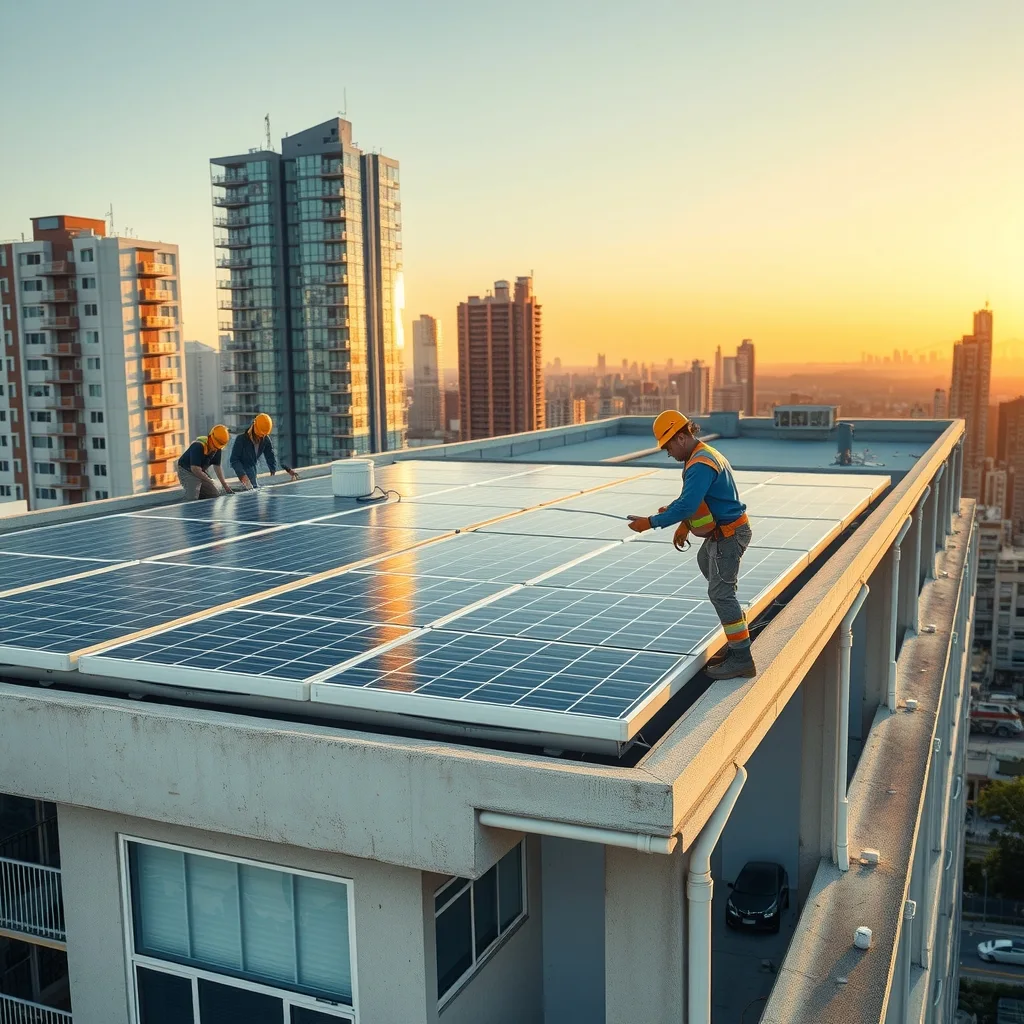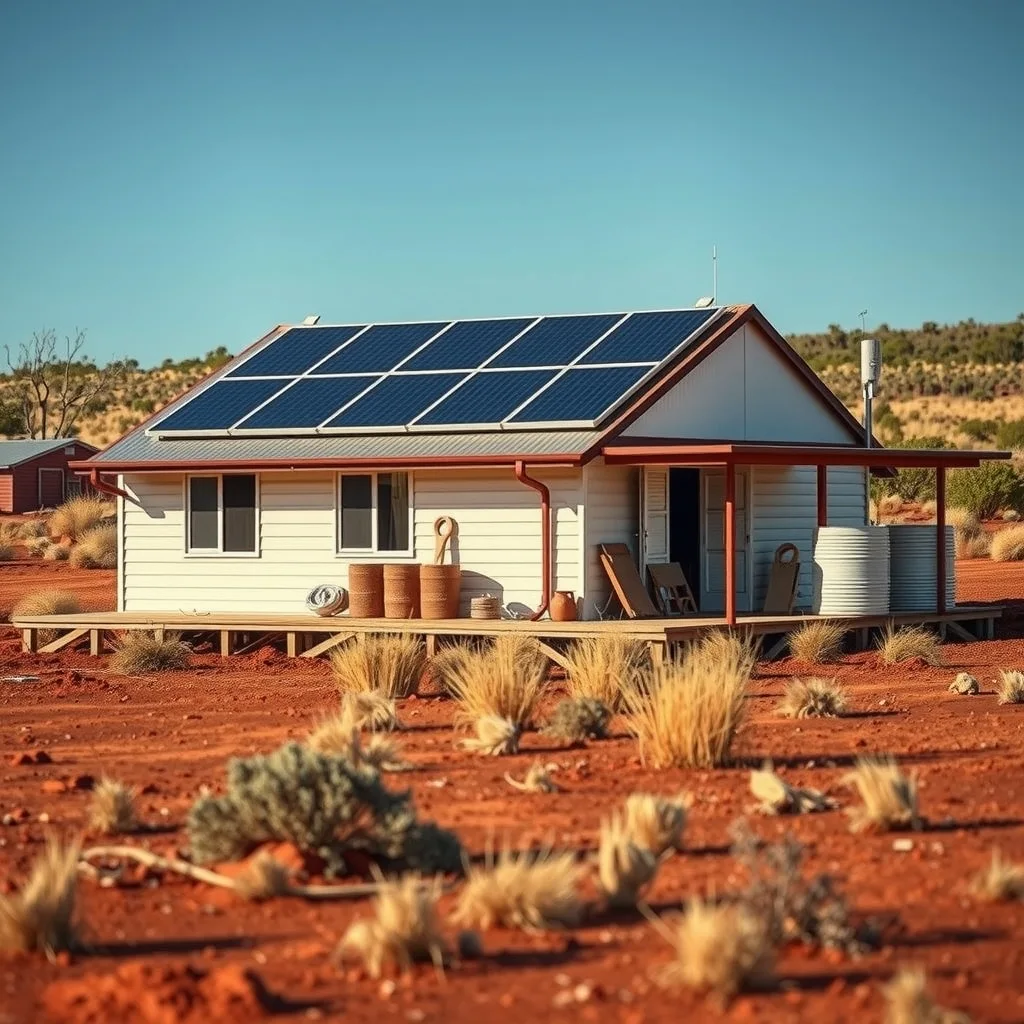

More than 480 households across six remote Kimberley communities in Western Australia are now getting electricity credits off the back of about 1.5MW of rooftop solar installed under Horizon Power’s Kimberley Communities Solar Saver program, which has returned more than $240,000 in energy-saving credits to participating homes. The final panels went on in Mowanjum in August 2026, closing out the rollout.
Utility Magazine reported that the program was delivered by Horizon Power and jointly funded by the Australian and Western Australian governments through the Community Solar Banks Program. The six communities are Warmun, Bidyadanga, Ardyaloon, Yungngora, Beagle Bay and Mowanjum.
It’s a solar bank, not 480 rooftop jobs
This is where the job differs from a suburban install run, and installers reading the headline number should know it.
The program is built for households that wouldn’t otherwise get their own rooftop system, whether because of housing tenure, roof condition or who owns the building. Panels go on selected homes, and the output is shared across the participating households as regular credits on their power bills rather than as a meter-by-meter offset on each roof.
So the array count is far smaller than the household count. The electrical and metering arrangement behind it is the part that takes the thinking: the generation sits on one set of roofs, the benefit has to land on hundreds of separate accounts, and the retailer side of that has to be squared away before anyone sees a credit.
What 1.5MW looks like on remote roofs
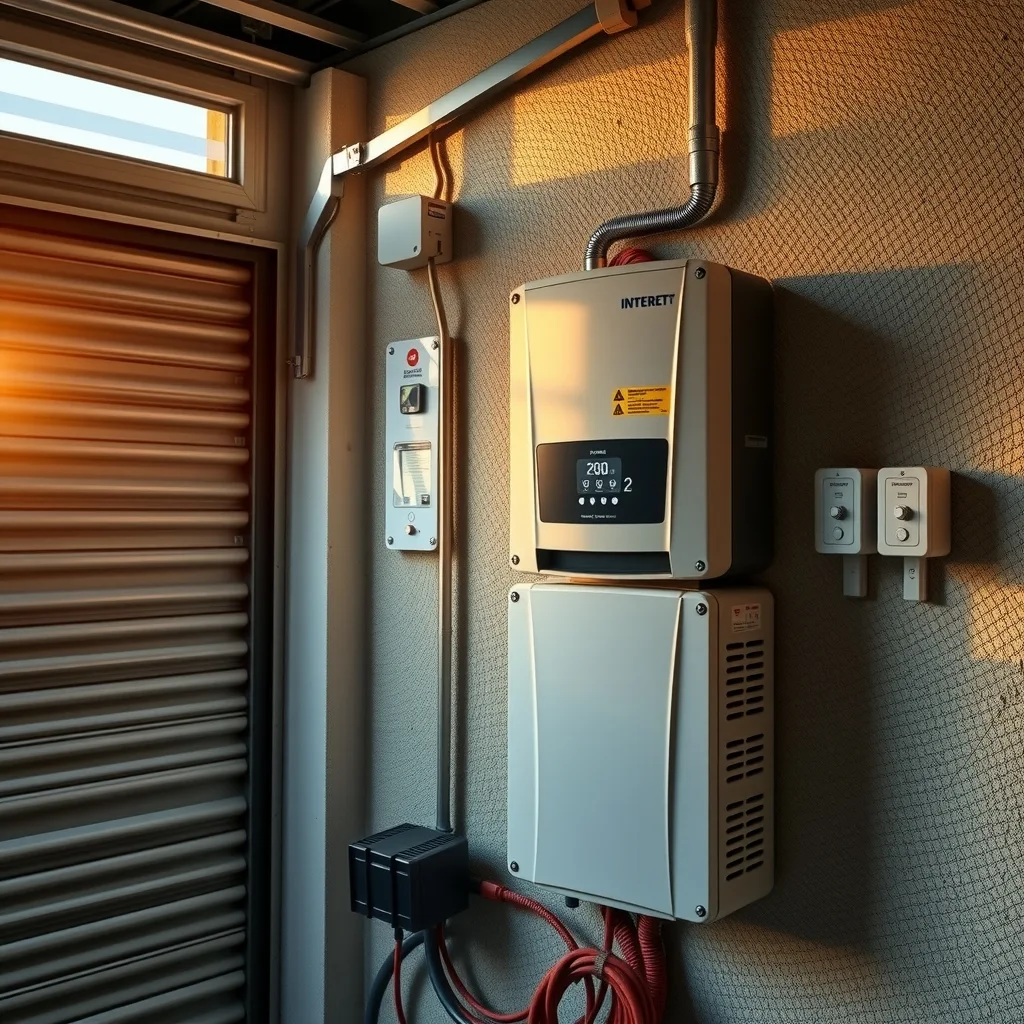
Across six communities, 1.5MW is a long way from one big ground-mount farm, closer in scale to a long run of standard rooftop solar installs than a solar farm build. It’s a lot of small systems on single-storey housing stock, each one needing roof penetrations, rail, DC run, isolation and an inverter location that will survive Kimberley heat.
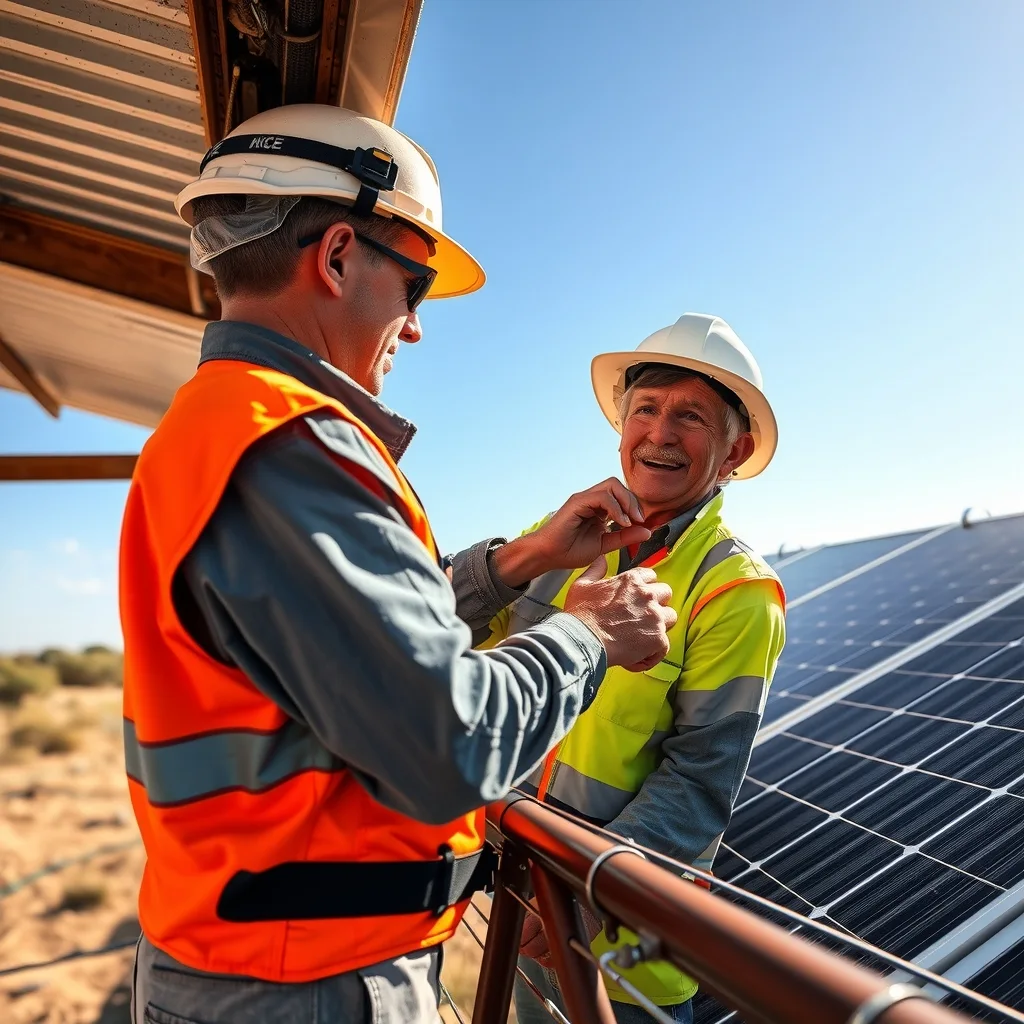
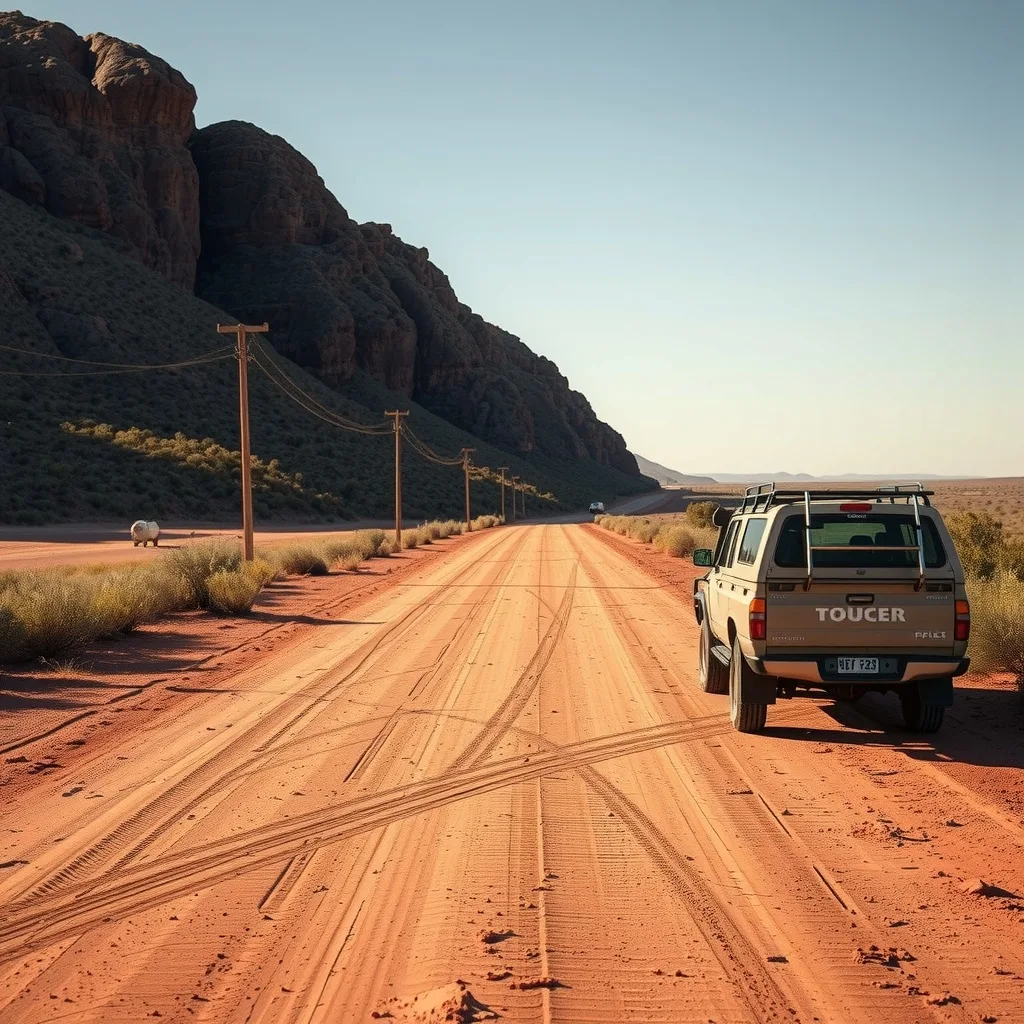
The travel is the job as much as the install is. Warmun sits inland off the Great Northern Highway, Bidyadanga is south of Broome, Ardyaloon is at the top of the Dampier Peninsula, and crews working that spread are managing freight, accommodation and a build calendar that has to work around the wet season. Finishing the last community in August puts the tail of the work in the dry, which is the sensible end of the year to be on a roof up there.
Work on the tools stays the same in one respect no matter how remote the site: fixed wiring and the grid connection are licensed electrical work in every state and territory, and a PV system has to be installed by an accredited installer for the small-scale certificates under the federal Small-scale Renewable Energy Scheme to be claimable. Remote postcodes don’t change that.
Diesel is the thing being displaced
Remote Kimberley communities on Horizon Power’s network run on generation that has historically leaned on diesel, and the program is aimed squarely at cutting how much of it gets burned, along with cutting household bills.
That’s the quiet argument for this kind of work. Every kilowatt generated on a roof in Yungngora is a kilowatt that doesn’t arrive by truck. The $240,000 figure is what landed back with households; the fuel side of the ledger is the reason governments fund the thing in the first place.
What to watch
The Kimberley Communities Solar Saver rollout is finished, so for sparkies chasing remote solar work in WA the live question is whether further communities get funded under the Community Solar Banks Program and what Horizon Power puts to market next. That funding sits apart from the standard state-based incentives covered in our solar rebates by state guide, since this program specifically targets households that can’t access mainstream rooftop subsidies because of tenure or roof ownership.
If you’re an electrical contractor with accreditation and a crew willing to travel, remote community solar is a different animal to a metro install business: fewer jobs, longer mobilisations, a hard seasonal window, and a client that is a state-owned utility rather than a homeowner. Worth knowing before you price it.
Frequently asked questions
What is the Kimberley Communities Solar Saver program?
It’s a Horizon Power scheme that puts rooftop solar on selected homes across six remote Kimberley communities, Warmun, Bidyadanga, Ardyaloon, Yungngora, Beagle Bay and Mowanjum, and shares the output as bill credits across more than 480 participating households. It was jointly funded by the Australian and WA governments through the Community Solar Banks Program.
Do all 480 households have solar panels on their own roof?
No. The panels sit on a smaller number of selected roofs, and the generation is shared across hundreds of participating households as regular bill credits rather than a meter-by-meter offset on each home.
Can homeowners install their own solar panels to cut costs?
No. Fixed wiring and grid connections are licensed electrical work in every state and territory, and a PV system has to be installed by an accredited installer for the small-scale certificates under the federal Small-scale Renewable Energy Scheme to be claimable.
Will more Kimberley communities get solar under the scheme?
That’s not yet confirmed. With this rollout finished, whether further communities are funded depends on future rounds of the Community Solar Banks Program and what Horizon Power puts to market next.
Sourced from Utility Magazine. Original article.