
Solar panel installation cost Australia 2026, what 6.6kW and 10kW systems cost after rebates
A typical Aussie home pays $4,000 to $8,000 net for 6.6kW after federal STC rebates. Here's the real install cost broken down, plus what differs between budget and quality.
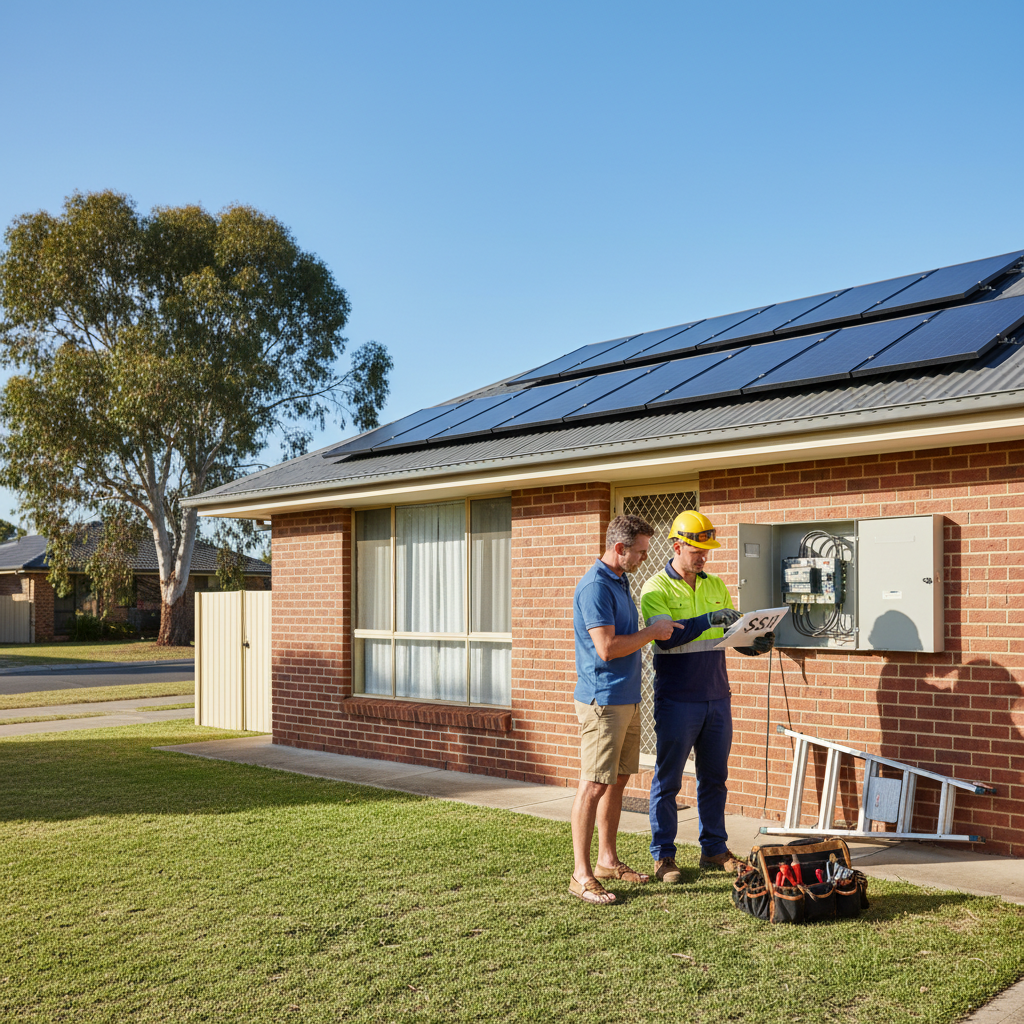
Solar PV is the most successful clean-tech program in Australian history. Over 3.5 million homes had it by 2026, the highest household solar penetration on earth. The reason: it pays back in 2 to 4 years even with the reduced feed-in tariffs of 2026.
This is a national 2026 cost guide. State rebates and your specific install change the number.
Cost ranges by system size
| System | Before rebates | After STCs only | After STCs + best state rebate |
|---|---|---|---|
| 3kW (small house, apartment) | $3,500 to $5,500 | $2,200 to $4,000 | $1,500 to $3,500 |
| 5kW (smaller house) | $4,500 to $7,000 | $2,800 to $4,800 | $2,000 to $4,200 |
| 6.6kW (most popular) | $5,500 to $9,000 | $3,800 to $6,500 | $2,500 to $5,500 |
| 10kW (larger, new build) | $8,000 to $14,000 | $5,600 to $10,000 | $4,500 to $8,500 |
| 13.3kW (three-phase or large) | $10,000 to $18,000 | $7,500 to $13,000 | $6,500 to $11,000 |
| 20kW commercial | $20,000 to $35,000 | $14,000 to $25,000 | $12,000 to $22,000 |
What’s in the price
For a typical 6.6kW system at $7,000 installed before rebates:
| Item | Approximate cost |
|---|---|
| 16 panels (415W each, mid-range) | $2,200 to $3,000 |
| Inverter (5kW, single-phase string) | $900 to $1,800 |
| Mounting rails, brackets, fixings | $600 to $1,000 |
| DC isolators, fuses, surge protection | $200 to $400 |
| Cabling and conduits | $200 to $400 |
| Labour (2 installers, 1 day) | $1,500 to $2,500 |
| Switchboard work | $200 to $500 |
| DNSP application and meter change | $0 to $300 (some bundled) |
| Compliance certificates | included |
| Travel and admin | $200 to $500 |
Why quotes vary so much
The same 6.6kW system can cost $5,500 or $9,000 depending on:
- Panel brand: Trina, Jinko, Longi tier-1 panels are mid-market and reliable. REC, LG (now exited), SunPower were premium. Cheap unbranded panels exist but warranty support is iffy
- Inverter brand: Sungrow, Fronius, GoodWe, SMA are quality mid-market. Cheap inverters fail in 5 to 8 years; quality runs 12 to 15
- Microinverters or optimisers: Enphase microinverters and Tigo or SolarEdge optimisers cost more upfront but improve performance on shaded or complex roofs
- Roof type: tin roof is cheap (kliplok mounts), tile is more expensive (tile hooks), terracotta tiles are slowest
- Storey count: second-storey installs need more scaffolding
- Switchboard condition: old boards may need an upgrade
- DNSP rules: some networks require expensive export-limiting hardware
Choosing an installer
Solar install is licensed electrical work AND requires CEC accreditation. The market has lots of operators of variable quality. Look for:
- CEC accreditation (both the designer and the installer must be accredited)
- Approved Solar Retailer Code of Conduct member
- Strong warranties: workmanship 5 years+, panels 25 years performance, inverter 10 years+
- Aussie-based warranty support for the panel brand
- Detailed quote with system component list, expected output, payback estimate
- No high-pressure sales tactics (door-knockers, “today only” pricing)
- Local installer with reviews, not a fly-by-night chain
Avoid:
- Sub-$5,000 6.6kW quotes (almost always sub-quality components)
- “Cash discount” offers (no GST, no insurance recourse)
- Quotes given without inspecting your roof
- Installers who say you can do without DNSP approval
Payback maths
Average Aussie home electricity bill 2026: $2,000 to $3,500/year. A 6.6kW system saves $1,400 to $2,200/year through self-consumption and feed-in. At net cost $4,500 after rebates:
- Payback period: 2.5 to 3.5 years
- Lifetime savings (20-year system): $25,000 to $40,000
Even with feed-in tariffs dropping (now 5 to 8c/kWh in most states, down from 50c+ in the early days), the maths still works because grid power is now 32 to 45c/kWh. Self-consume what you generate and you avoid the grid premium.
Maximising self-consumption
Once installed, shift loads to daytime to maximise self-consumption:
- Run the dishwasher during the day, not overnight
- Pool pump on a timer for 10am to 4pm
- EV charging during daylight if possible
- Hot water on day-rate timer (some heat pumps can be scheduled this way)
- Battery storage for evening loads ($10,000 to $16,000 for a 10kWh system, payback now 7 to 10 years thanks to the CHBP federal rebate from mid-2025)
State rebate position
Detailed in our Solar rebates by state guide. Quick summary:
- VIC Solar Homes program is currently the most generous owner-occupier scheme
- ACT Sustainable Household Scheme zero-interest loans are extremely valuable
- NSW Empowering Homes is a loan scheme
- QLD, WA, SA, TAS, NT, ACT all have federal STCs as the baseline
When solar is NOT the right move
- House is for sale within 12 months (you won’t get the payback)
- Roof is east-west facing only with significant shade
- Heritage restrictions on visible panels
- Strata building where body corporate has refused
- Tin roof in extremely poor condition (replace the roof first)
For 90% of Aussie freestanding houses, solar is still the highest-return clean tech available.
Frequently asked questions
How much does 6.6kW of solar cost installed in Australia in 2026?
$5,500 to $9,000 before rebates. After federal STCs, $3,800 to $6,500. After eligible state rebates (where they apply), $2,500 to $5,500. Premium tier with high-efficiency panels and microinverters: add $1,500 to $3,500.
Is 6.6kW or 10kW better for an Australian home?
6.6kW is the most common because most older Aussie houses are connected with a 5kW inverter export limit (the DNSP cap). 10kW makes sense for new builds, all-electric homes, large families, or homes planning a battery + EV. Three-phase houses can usually go 13kW+ without DNSP issues.
How long does solar install take?
1 to 2 days for the install. 2 to 8 weeks for grid connection approval and meter changeover after install. Total time from contract to switched on, typically 6 to 14 weeks.
Is solar still worth it in Australia?
Yes. Payback for a typical 6.6kW system is 2 to 4 years on most Aussie tariffs. After payback, you get 20+ years of essentially free generation. The trick in 2026 is that feed-in tariffs have dropped, so self-consumption matters more than export. Run pool pumps, washing during the day.