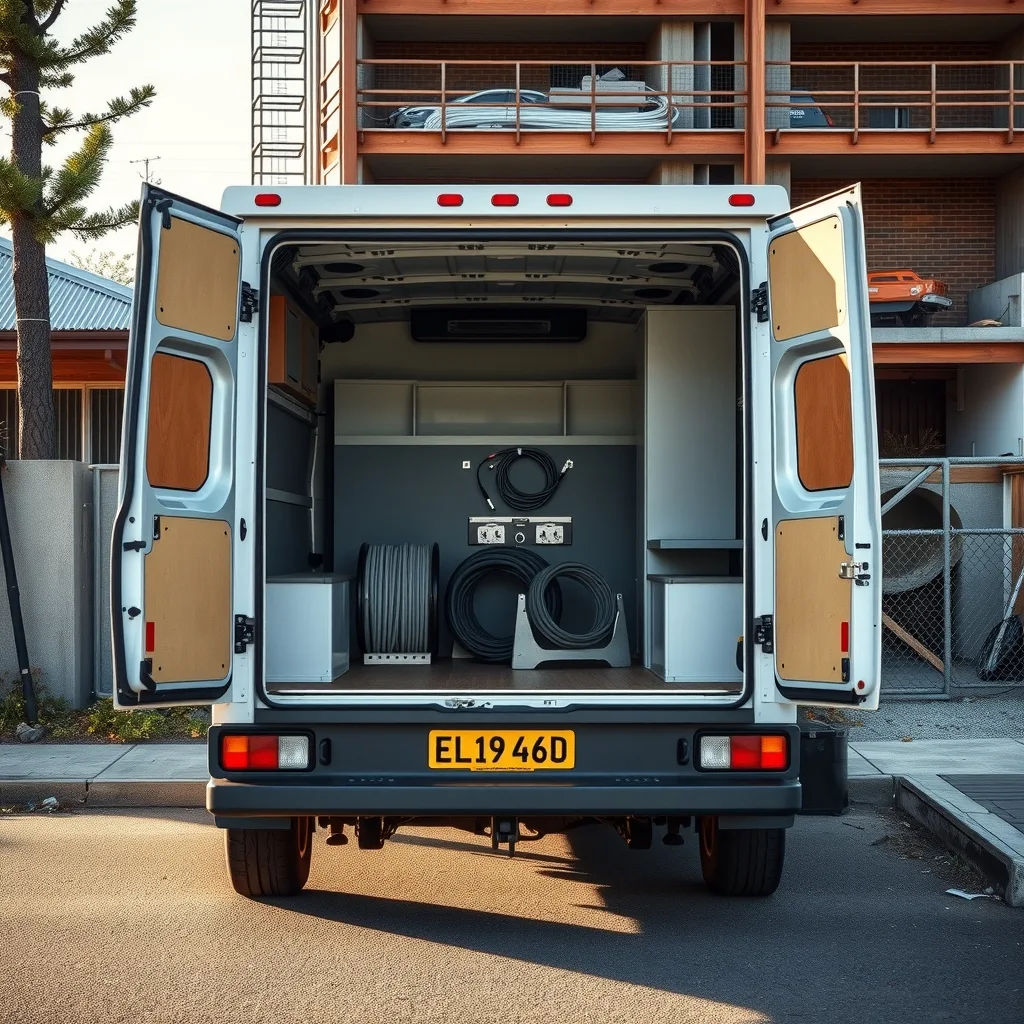

Renault has priced the new-generation Master van from $55,990 before on-road costs, with the range topping out at $79,990 for the long-wheelbase battery-electric version. Six variants make up the 2026 line-up: four 2.0-litre turbodiesels and two E-Tech battery-electrics, all carrying the same standard equipment and differing only in wheelbase, roof height and what’s driving the front wheels.
The pricing was reported by Electrical Connection. That $55,990 entry point buys the medium-wheelbase, standard-roof diesel, and it’s the only van in the range you can still get with a manual gearbox.
The $18,000 question
Line up the two medium-wheelbase standard-roof vans with an automatic and the gap is stark. The diesel sits at $59,990. Its E-Tech equivalent is $77,990, an $18,000 differential for the same body.
Go up to the long-wheelbase standard roof and the electric is $79,990 before on-roads, a $14,000 step up on the diesel version.
One diesel has no electric twin at all: the $65,990 long-wheelbase high roof, which is the only high-roof body in the range. If you want standing height in the back, the powertrain decision is made for you.
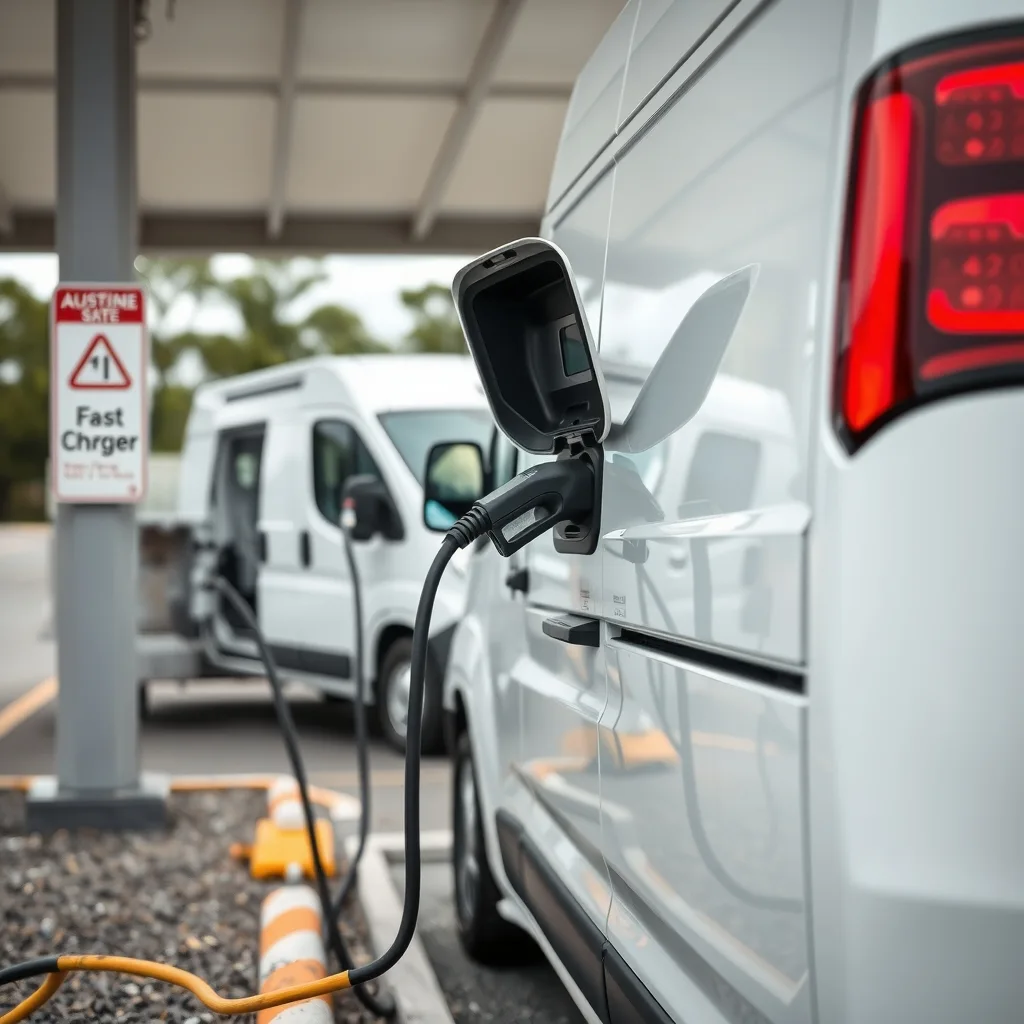
Under the bonnet, the diesel is a 2.0-litre turbo making 125kW and 380Nm through the front wheels, paired to a six-speed manual or a nine-speed auto. The E-Tech runs a single front motor rated at 105kW and 300Nm, fed by an 87kWh battery that Renault claims is good for up to 409km on the WLTP cycle, with DC fast charging at up to 130kW.
The payload trade-off is the bit that matters on site
The battery-electric Renault Master E-Tech carries a payload of 1,084kg to 1,164kg, against 1,811kg to 1,923kg for the diesel versions, Electrical Connection reported in November 2026.
Depending which pair of vans you put side by side, that’s a gap of roughly 650kg to 840kg. Gross vehicle mass tells the same story: 4,000kg for the diesel, 3,500kg for the E-Tech, with gross combination mass of 6,000kg and 5,500kg respectively.
Towing is one place the electric doesn’t lose ground. Both versions are rated to pull 2,000kg, and neither makes you trade payload away to do it. The diesel’s 6,000kg GCM is exactly its 4,000kg GVM plus a 2,000kg trailer, and the E-Tech’s numbers work the same way.
Payload is where a van either works for your trade or quietly doesn’t. Every kilo of shelving fitout, bulkhead, roof rack and drawer system comes off the number before a single roll of cable goes in.
A service sparkie running light stock and hand tools has room to spare at 1.1 tonne. Anyone regularly carting switchboards, full cable drums, lengths of conduit and a couple of mates is eating into that figure faster than they think, and the diesel’s extra headroom is the difference between legal and overloaded.
Range on paper, range on a Tuesday
That 409km figure is a WLTP lab result, not a loaded-van-in-traffic result. A Master carrying a tonne of gear, running a roof rack and doing stop-start suburban work won’t see the brochure number, and nobody should build a run sheet around it.
Where the electric makes its case is the depot. If the van sleeps on a dedicated charger at the yard and does a predictable radius each day, cheap overnight energy and far fewer servicing consumables are what chip away at that $18,000 gap. The 130kW DC capability is the backstop for the days a job runs long, not the daily plan.
How any of this is financed, depreciated or treated for fringe benefits tax is a conversation for your accountant and the ATO, because the purchase price is only one line in the total cost of ownership.
What you get as standard
Renault has given every variant the same kit list, which saves the usual spec-sheet archaeology. That means three seats, an overhead storage console, rear parking sensors, a reversing camera, rear barn doors, rain-sensing wipers, dusk-sensing headlamps, autonomous emergency braking, lane-keep assist, and a 10-inch touchscreen with Android Auto and Apple CarPlay.
Barn doors as standard is worth a mention. If you’re loading off a kerb or getting a pallet jack near the back, they beat a lift-up tailgate, and nobody’s paying extra for the privilege.
Before you sign
The honest test isn’t the brochure, it’s a weighbridge ticket. Load your current van the way it sits on a normal Tuesday, weigh it, and see what’s actually left over once the fitout and the stock are accounted for.
If that number lands comfortably under 1,084kg, the electric Master is a live option and the running-cost maths can start doing the work. If it doesn’t, no amount of cheap electrons fixes an overloaded van.
Frequently asked questions
How much more does the electric Renault Master cost than the diesel?
In medium-wheelbase automatic form it’s $18,000 more ($77,990 versus $59,990). In long-wheelbase standard-roof form the gap narrows to $14,000.
How much less payload does the electric Master carry?
The E-Tech’s payload ranges from 1,084kg to 1,164kg, against 1,811kg to 1,923kg for the diesel, a gap of roughly 650kg to 840kg depending on the variants compared.
What’s the claimed range of the electric Renault Master?
Renault claims up to 409km on the WLTP test cycle from the 87kWh battery, with DC fast charging at up to 130kW. Real-world range with a loaded van will be lower.
Is there a high-roof electric Renault Master?
No. The only high-roof body in the range is the $65,990 long-wheelbase diesel; it has no electric equivalent.
Sourced from Electrical Connection. Original article.