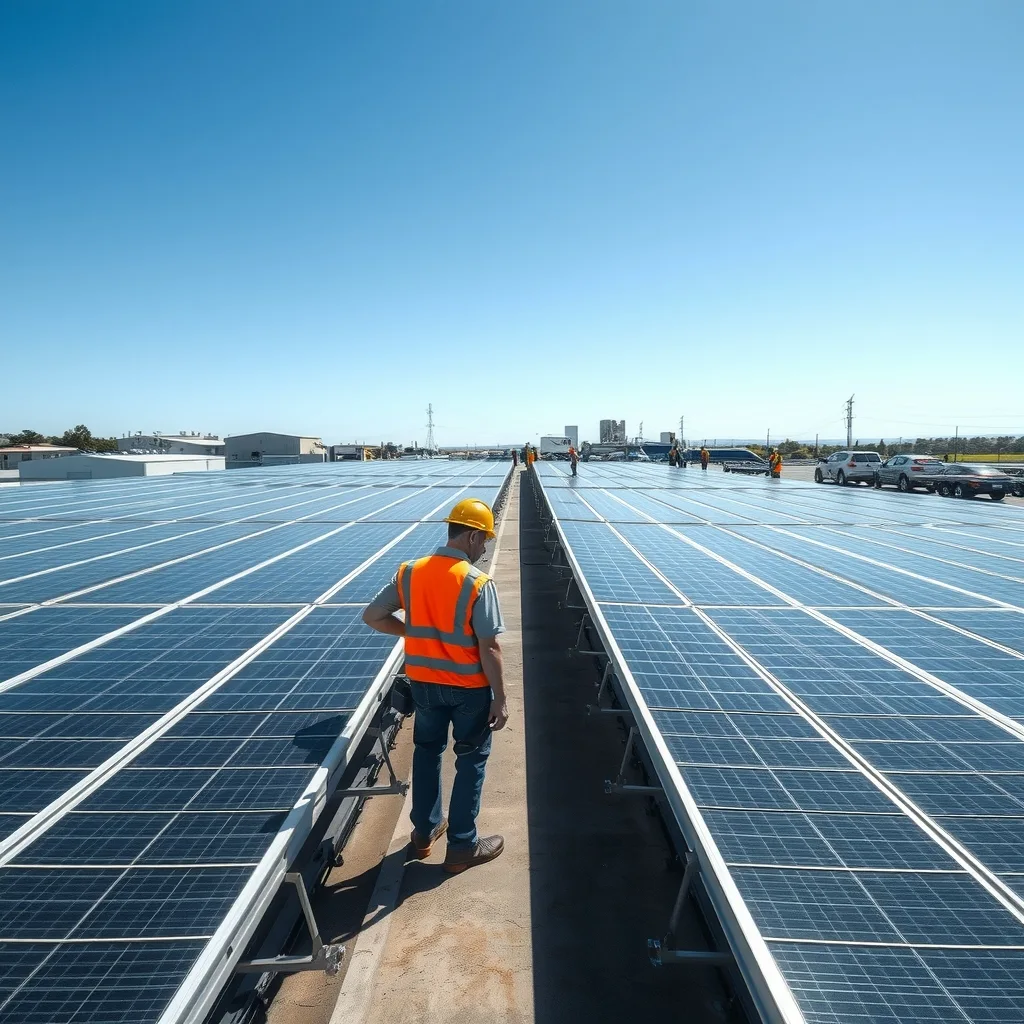
The federal Small-scale Renewable Energy Scheme’s capacity threshold is going up tenfold, from 100kW to 1MW, pulling commercial, industrial and agricultural rooftop solar into the same certificate discount that’s underwritten household installs since 2011. Climate Change and Energy Minister Chris Bowen announced the change in August, with commencement targeted for 1 October 2026, subject to the required regulatory processes.
The detail was set out in Utility, in a piece drawn from an interview with Energy Networks Australia chief operations officer Dominic Adams. Government estimates cited in that article put the upfront saving at around 20 per cent, worth roughly $68,000 on a 250kW system, $136,000 on a 500kW system and more than $230,000 on an 850kW system.
What the 100kW line was doing to your quote
Under the SRES, eligible systems create Small-scale Technology Certificates based on the renewable energy they’re expected to produce over their eligibility period. Electricity retailers and other liable entities have to buy and surrender a set number of certificates each year, and that obligation is what gives the certificates a market value.
That value is generally factored into the upfront cost of the install. The customer sees it as money off the quote, not a payment that turns up months later.
Anything above 100kW was treated under the large-scale renewable energy framework instead, with different requirements and different economics. For a client weighing a 250kW array on a distribution centre, that one line in the rules decided both the sticker price and how much paperwork sat behind the job.
One in three homes, and not much on the sheds
Australia has about 22GW of solar on residential rooftops with around one in three homes fitted with panels, while commercial rooftop solar capacity sits at roughly 5.6GW, Energy Networks Australia says.
The gap isn’t about roof space. Distribution centres, cold stores and factories carry exactly the kind of extensive, flat, unshaded roof a designer dreams about.
ENA puts the shortfall down to installation economics, technical requirements, and split incentives: when the building is leased, the party paying for the panels often isn’t the party whose power bill drops. That last one is a sales problem as much as an engineering one, and it doesn’t disappear because the certificate maths improved.
What changes on the tools
The obvious shift is in the conversation at quoting stage. A mid-size commercial array that previously sat in the large-scale basket can now be priced with the certificate discount built into the number the client sees, which makes the pitch to a factory owner or a cold store operator a lot shorter.
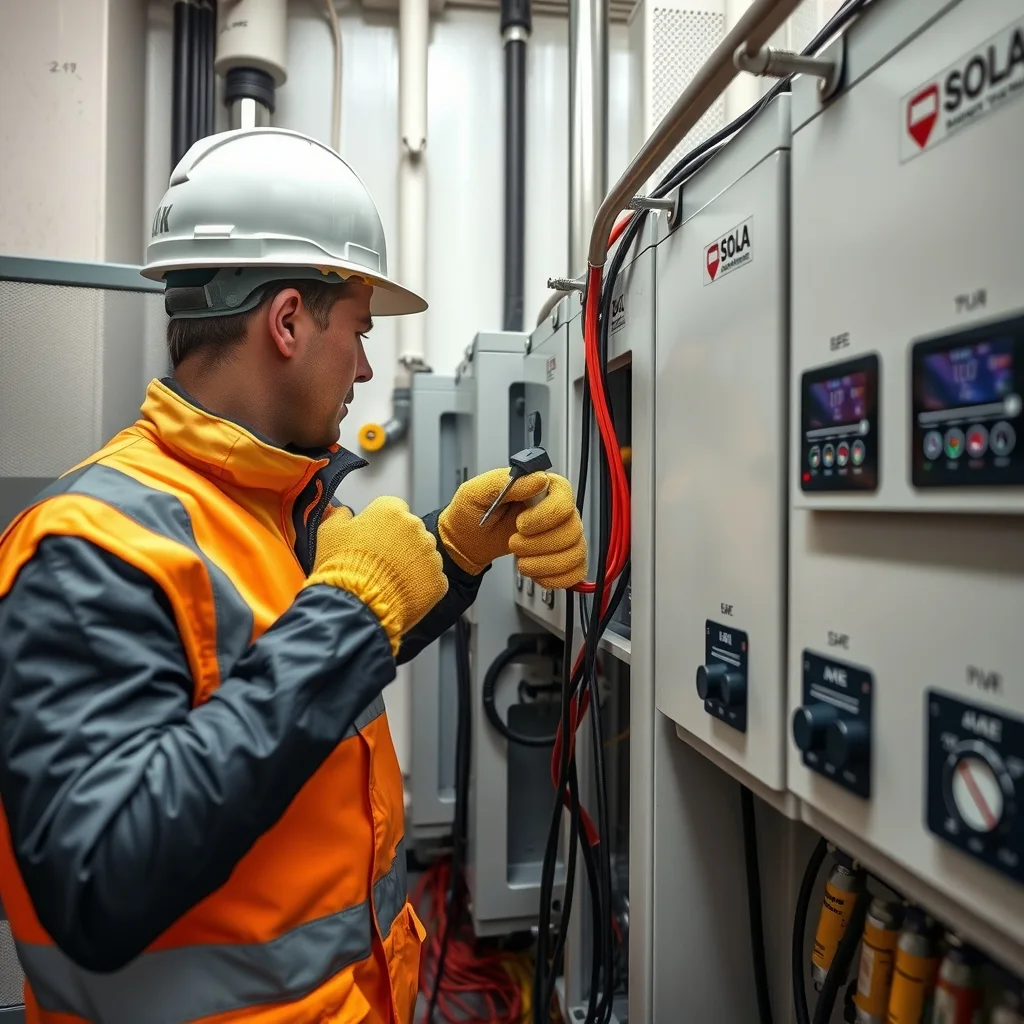
The work itself is a different animal to a residential install. A rooftop job in the hundreds of kilowatts runs in stages: structural assessment of the roof, racking and mounting, module placement, DC string runs back to inverter banks, switchboard and protection work, then commissioning and the network connection sign-off. It’s a job that occupies a crew for a stretch, not a van turning up before smoko and packing down by three.
One thing worth nailing down before anyone starts quoting: solar PV and battery work has to be done by an accredited installer for the owner to claim federal small-scale certificates. The expanded threshold doesn’t change that, it just means more jobs where accreditation is the difference between winning the work and watching it go elsewhere.
And the timing is slow-burn, not next week. Policy commencement, connection assessment and design all sit between the announcement and a crew on a roof, so this is a reason to think about capacity for the back half of next year rather than to buy a second ute on Monday.
The connection queue is the next choke point
Cutting the financial barrier doesn’t cut the technical one. Utility’s report describes a 750kW rooftop system as something that “represents a significant generation asset from a distribution network perspective”.
“represents a significant generation asset from a distribution network perspective”
Connection assessments have to weigh “voltage impacts, thermal capacity on feeders and transformers, protection settings and reverse power flows”, the report notes.
Commercial and industrial solar tends to sit right next to heavy demand, which helps, but it all generates in the same daylight window. In industrial precincts already carrying a lot of distributed generation, that’s where the constraints bite.
The government’s announcement also includes plans to ask the Australian Energy Market Commission to look at measures that speed up network approvals for commercial and industrial solar connections. Energy Networks Australia has been pushing the same ground for a while: its 2024 report, The Time is Now: Getting smarter with the grid, took an “all levers” approach to squeezing more out of existing network capacity and recommended Local Energy Hubs along with measures to support “faster and more predictable connection processes”. ENA’s own material is at energynetworks.com.au.
For customers, ENA flags that the connection process needs early thinking about energy requirements, proposed system characteristics and the information that makes an application complete. In practice that lands on whoever is designing and lodging the job.
Two things to watch. First, whether the regulatory process delivers the 1 October 2026 start date the government is targeting. Second, whether the AEMC work on connection approvals moves at the same pace as the money. If the discount arrives and the connection queue doesn’t shift, the quote gets cheaper and the job still sits in a network inbox.
Frequently asked questions
What is the Small-scale Renewable Energy Scheme (SRES)?
It’s the federal scheme that lets eligible solar systems create Small-scale Technology Certificates, which electricity retailers must buy and surrender each year. That demand gives the certificates a market value that’s usually factored into the upfront cost of an install.
When does the new 1MW threshold start?
Commencement is targeted for 1 October 2026, subject to the required regulatory processes, according to the government’s announcement.
Do I need an accredited installer to claim the certificates?
Yes. Solar PV and battery work has to be done by an accredited installer for the owner to claim federal small-scale certificates, and the expanded threshold doesn’t change that requirement.
How much could a business save under the expanded threshold?
Government estimates cited by Utility put the saving at around 20 per cent, roughly $68,000 on a 250kW system, $136,000 on a 500kW system and more than $230,000 on an 850kW system.
Sourced from Utility Magazine, Energy Networks Australia. Original article.