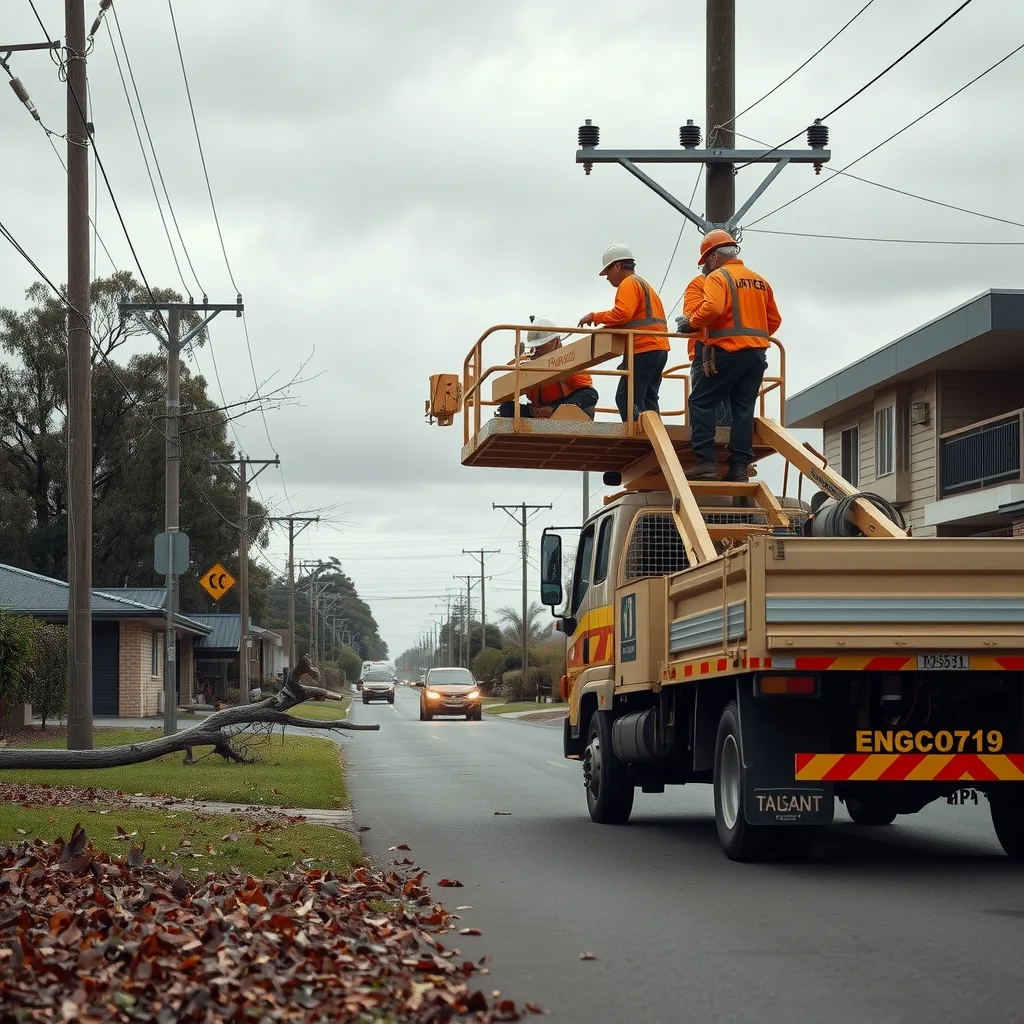

Electrical contractors who build every quote by stacking a margin on top of their costs are selling their expertise short, according to former NECA national president Peter Vandenheuvel. In a business column published by trade magazine Electrical Connection on 18 November 2026, he argues sparkies should instead price on what the customer is actually prepared to pay. The advice lands in a sector where the average profit margin sits at 4%.
The column, part of a run of business pieces Vandenheuvel writes for the magazine, was published by Electrical Connection. He spent four years as national president of the National Electrical and Communications Association, was managing director of family-owned electrical business Nilsen, and sits on Standards Australia committees EL-001, which handles the Wiring Rules, and EL-006.
The barista coffee test
Vandenheuvel’s starting point is that contractors who learnt on the job and then went out on their own have been “conditioned to price on cost”, while most consumer goods, “even the humble cup of barista coffee”, are priced on what the buyer will wear.
The old method, as he sets it out, takes the direct cost of the sale, meaning wages for the time the job takes, wage on-costs and materials, then adds a margin for overheads and, hopefully, a margin for profit. Value pricing builds the number from the other end.
“Smart contractors should think about how much the customer is prepared to pay to optimise profit,” he writes. “After all, that is what you are in business for, isn’t it?”
His case for charging more rests on the licence on the wall and the risk a contractor carries every day. “So don’t sell your expertise too cheaply. Do not leave money on the table.”
“Would you jump off a bridge with them?”
Vandenheuvel puts the obvious objection into his reader’s mouth: “What about my competitors, who don’t even know what their costs are, let alone overheads or profit?”
The answer is blunt.
“Would you jump off a bridge with them?”
The point being that a bloke who can’t name his own overhead recovery shouldn’t get a vote on your pricing.
What he wants instead is sequence. Know your real costs first, then “ensure you get fair reward for your expertise and risk”, then work out where that lands against what the customer will pay.

An Australian pricing guide for sparkies makes the same call in harder language, warning that “systematic underpricing to win work is the most common cause of electrical contractor business failure”.
The numbers behind the lecture
Australia’s electrical services industry runs on an average profit margin of 4%, according to IBISWorld figures cited in BusinessForSale.com.au’s guide to buying an electrical business. That’s the backdrop every quote in the country gets written against.
It isn’t the ceiling, though. ATO benchmark data cited by advisory firm Miro Capital puts net margins for electrical businesses turning over more than $500,000 at 14% to 25%.
The gap isn’t explained by hourly rates. A Made4Tradies rate guide puts standard business-hours electrical labour across Australia in a fairly tight band, similar to BCN’s own electrician hourly rate guide, of $90 to $140 an hour, and pricing guide BuiltSimple says material markups commonly run 30% to 50%.
If the inputs are broadly similar across the industry and the bottom lines aren’t, what separates them is overhead recovery, job selection and the discipline of the quote.
For a two-van shop that’s the practical read. The difference between a 4% year and a double-digit one is rarely a secret supplier deal. It’s whether the hours burnt driving to quotes that were never going to convert got recovered in the jobs that did.
Why the clean ute is part of the price
Vandenheuvel is firm that you can’t charge a premium while presenting like the cheapest name in the listings. Customers, he writes, “will not pay a premium if your technicians don’t reflect a professional company through a good attitude, smart uniform, clean modern vehicle, etc”.
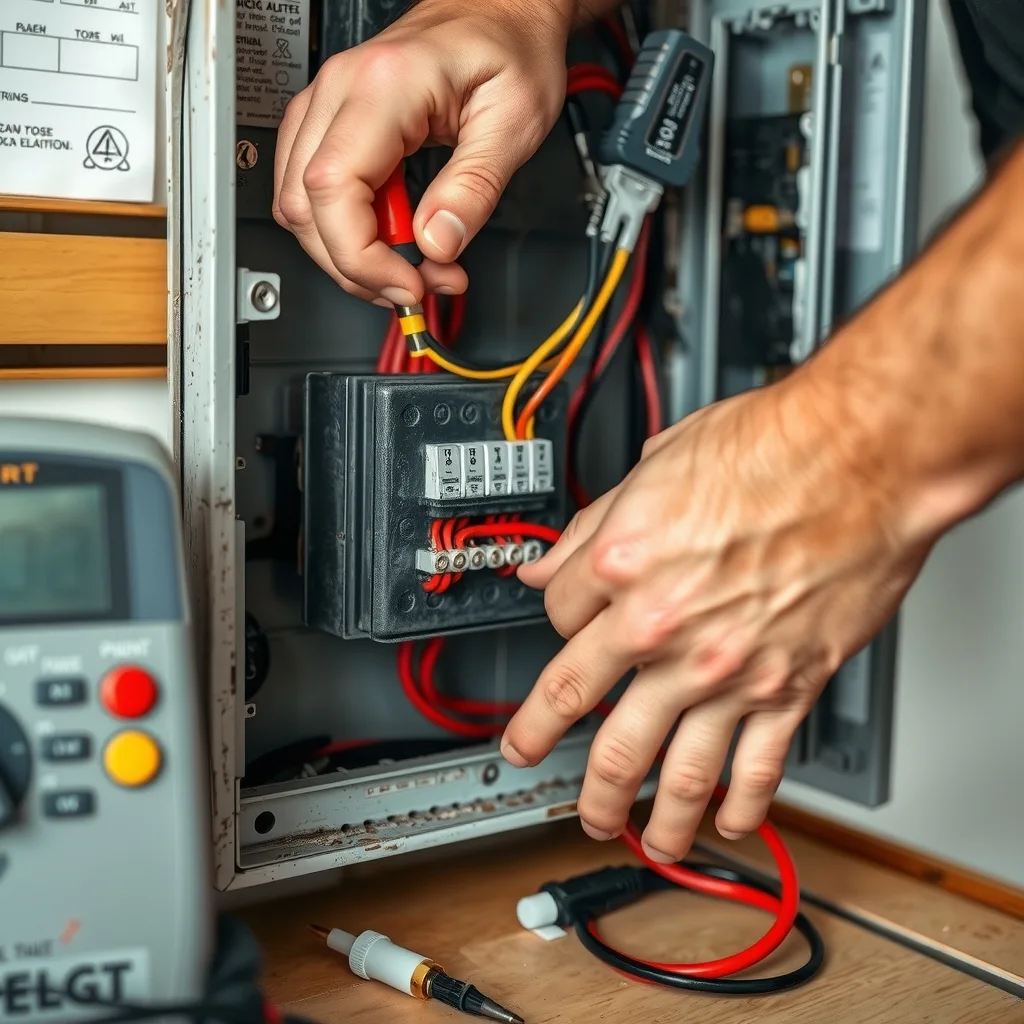
He wants the same thinking applied to the office, the site facilities, the plant and the way staff carry themselves on a customer’s floor.
The number has to feel right from the other side of the kitchen bench too. “Too high a cost compared with the perceived value, they will feel cheated,” he writes, and price it too low and “they may suspect something is not right”. Customers, in his reading, are happiest “when there is a match between the value they perceive and the money they have paid”.
Quoting into a tight labour market
The column doesn’t deal with the labour market, but it’s the thing sitting underneath the argument. Australia is forecast to need 32,000 to 42,000 additional electricians by 2030, according to the Powering Skills Organisation’s 2025 workforce plan, and electricians sit on Jobs and Skills Australia’s national Occupation Shortage List.
Master Electricians Australia, cited by ECD Online, puts the electrical apprenticeship completion rate at about 60%, so the pipeline refilling those positions is leakier than the enrolment numbers suggest.
A contractor with a full diary and nobody to poach has more room to walk away from a job priced at the bottom of the market. That’s the leverage Vandenheuvel is telling contractors to actually use rather than hand back at the quoting stage.
His own measure of success is modest enough to try on next week’s quotes. “Even scoring more for only one in three will be a major profit booster,” he writes. Price three jobs the way he describes, lose two, and the maths still works.
Frequently asked questions
What is value-based pricing for electricians?
It means setting a quote based on what the customer is prepared to pay for the job, rather than starting from costs and adding a margin. Former NECA national president Peter Vandenheuvel argues contractors should work out their real costs first, then price for their expertise and risk, then check that figure against what the market will bear.
What is the average profit margin for electrical contractors in Australia?
IBISWorld figures cited in BusinessForSale.com.au’s guide to buying an electrical business put the industry average at 4%. ATO benchmark data cited by Miro Capital shows electrical businesses turning over more than $500,000 a year can achieve net margins of 14% to 25%.
How many electricians does Australia need by 2030?
The Powering Skills Organisation’s 2025 workforce plan forecasts Australia will need 32,000 to 42,000 additional electricians by 2030, and electricians are on Jobs and Skills Australia’s national Occupation Shortage List.
Sourced from Electrical Connection, BusinessForSale.com.au, The Quote Yard, Powering Skills Organisation, ECD Online. Original article.