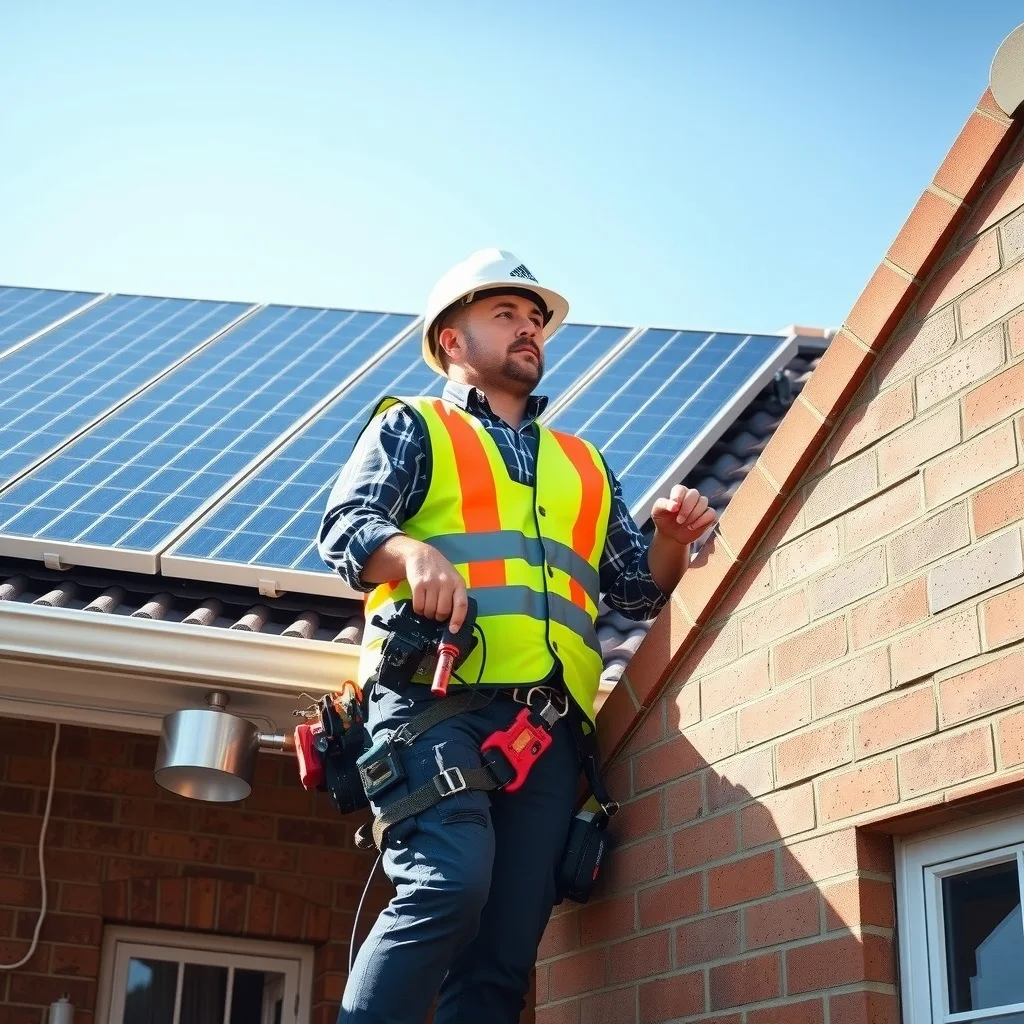

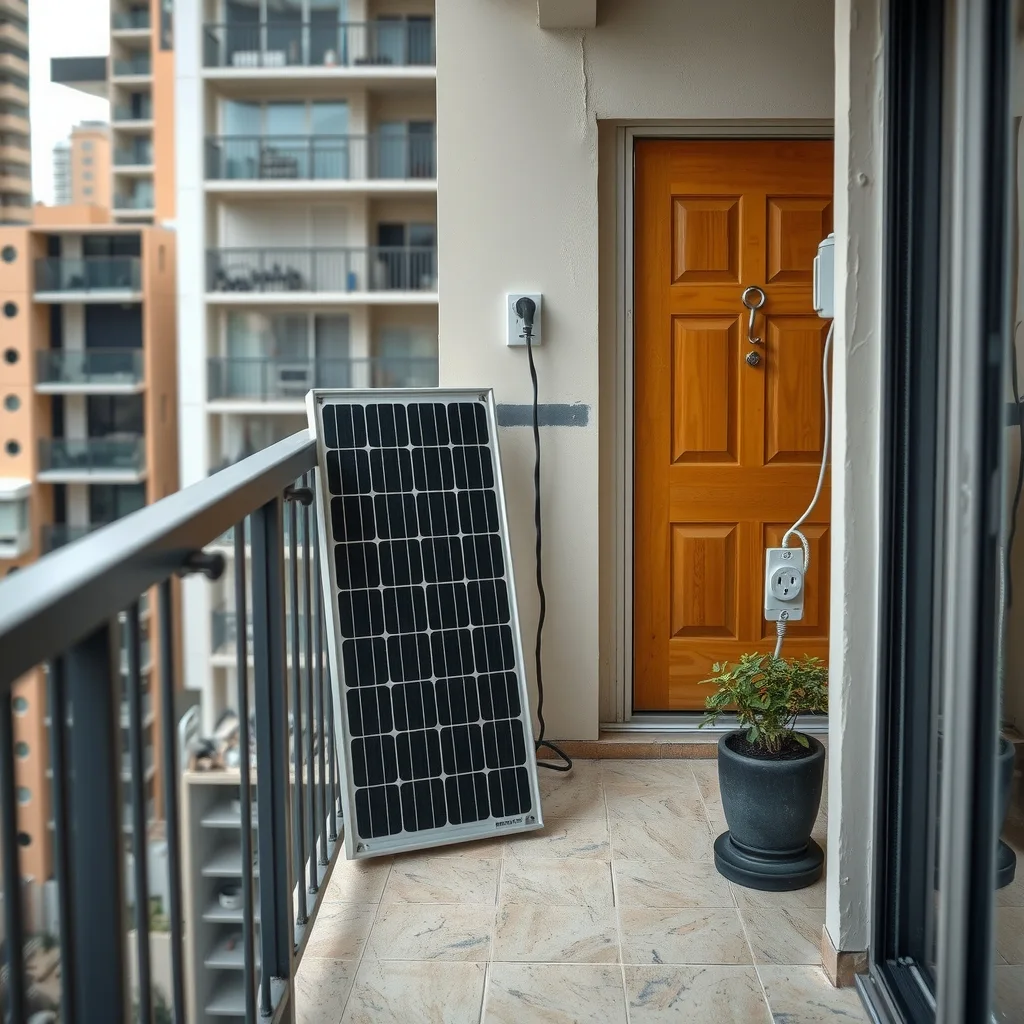
NECA WA has told the Western Australian Government to go slow on plug-in solar and battery systems, the kind that would let a household connect small-scale solar generation and storage to its electrical installation through an ordinary power outlet. The association says technical, regulatory and safety issues remain unresolved and must be worked through before the technology gets the nod for widespread use.
The call was reported by Electrical Connection, which says the WA Government is examining whether to allow the systems. The stated aim is better access to renewable energy for households, renters and apartment residents, the people who can’t bolt panels to a roof they don’t own.
NECA WA executive director Kelly Dewar-Matusik said governments, regulators and industry needed to work together on safeguards first.
“NECA is aware of a number of significant technical, regulatory and safety issues associated with plug-in solar and battery systems that remain to be resolved,” she said.
Her position is that these units shouldn’t be treated as a simple extension of rooftop solar and household batteries, because they push electricity into a home’s electrical installation in a different way.
“Our view is that these issues need to be worked through methodically before any decision is made about whether widespread deployment can occur in Australia,” she added.
The risks NECA has put on the table
The concerns the association lists are electrical overload, fire risk, effects on existing household wiring, and the practical challenge of safe installation and safe ongoing operation.
That last one is the part worth sitting with. A rooftop system gets designed, wired into the switchboard and certified by a licensed electrician who knows what’s on each circuit. A plug-in unit arrives in a box and goes into whatever outlet is closest to the balcony door, in a house whose wiring nobody has looked at since it was built.
Fixed electrical wiring work requires a licensed electrician in every one of Australia’s eight states and territories, with no exceptions for small jobs, and plugging in an appliance is one of the few electrical things a householder may legally do themselves. Plug-in solar sits right on that line, which is exactly why the regulatory question is harder than it looks.
NECA says it supports innovation and wider consumer access to renewable energy, but wants any future framework to hold Australia’s electrical safety standards. The national wiring standard, AS/NZS 3000, was written around a world where power flows out of the outlet, not into it.
What it means for sparkies on the tools
For a WA electrician, nothing changes today. Rooftop solar and battery work continues under the existing accreditation and licensing rules, and there’s no approved pathway for plug-in gear while the government is still examining the idea.
The money question is worth flagging for customers who’ve read about these kits online. Under the current rules, the federal small-scale certificates that cut the upfront cost of a solar or battery install only apply where an accredited installer does the job. A unit a householder buys off a shelf and plugs in themselves sits outside that pathway, so the sticker price is the price.
The quieter issue is the one that lands on a service call. If plug-in generation becomes common, the sparkie walking into a job no longer knows everything that can energise that installation from the information at the switchboard. Safe installation and ongoing operation, the two things NECA has named as unresolved, are the same two things that decide how a maintenance job gets done five years after the kit was bought.
There’s also the renter and apartment market behind all this. It’s real work for the trade if it’s done properly, with a defined standard, defined circuits and someone’s licence number on the paperwork. It’s callbacks and argument if it isn’t.
What to watch next
NECA says it looks forward to working with the Western Australian and Australian governments as discussions continue. Watch for the WA Government to say publicly where its examination has landed, and for any standards work that would define what a compliant plug-in unit actually looks like and what, if anything, a licensed electrician has to sign off.
Until that lands, the advice to pass on to a customer asking about a plug-in kit is the plain one: check with the state electrical regulator before anything gets connected, because the framework for these systems doesn’t exist yet.
Frequently asked questions
Is plug-in solar legal in Western Australia right now?
There’s no approved pathway for plug-in solar and battery systems in WA while the government examines the idea. Rooftop solar and battery work continues under existing accreditation and licensing rules as normal.
What are NECA’s main concerns about plug-in solar and battery kits?
NECA WA has named electrical overload, fire risk, effects on existing household wiring, and the challenge of safe installation and safe ongoing operation as the unresolved issues.
Can a household get a rebate for a plug-in solar unit bought off the shelf?
Under current rules, federal small-scale certificates that cut the upfront cost of a solar or battery install only apply where an accredited installer does the job, so a self-installed plug-in unit sits outside that pathway.
Sourced from Electrical Connection. Original article.