
Federal Climate Change and Energy Minister Chris Bowen has confirmed the Commonwealth’s home battery rebate and the fringe benefits tax break on electric vehicles could be wound back or axed to cut government spending and ease pressure on inflation, with both schemes in play ahead of the mid-year budget update due in December.
Bowen made the comments in an interview at COP31, reported by The West Australian via NewsWire. Government sources separately told the Sydney Morning Herald that support for household batteries and the EV tax break could be trimmed further before the update, as syndicated by News24. Bowen’s own framing is that the schemes are winding down appropriately rather than being killed off.
For anyone whose work diary runs on battery retrofits, that December date is now the one that matters.
A $2.3 billion scheme that turned into $8.5 billion
The Cheaper Home Batteries Program launched in July last year with $2.3 billion allocated over four years, paying roughly a 30 per cent discount on the installed cost of a battery system. Treasury now estimates the scheme will cost $7.2 billion over the next four years, and the program’s lifetime budget has been pushed out to $8.5 billion.
Most of that money is already gone. Officials confirmed at Senate Estimates that $4.63 billion was spent between 1 July 2025 and 27 September 2026, more than half the lifetime budget in a bit over a year, according to a press release from Shadow Minister for Energy and Emissions Reduction Dan Tehan.
The per-job number is the one installers will recognise. Between July and December 2025, the program paid an average of $7,910 in support per battery, against the Department of Climate Change and Energy’s original forecast of $4,500, Senate Estimates answers show.
The department’s explanation is not that the rate moved. Support per unit of storage held steady at around $370 per kWh across the first six months. What changed was the size of the box going on the wall: households bought bigger systems than the modelling assumed, so average support landed about 75 per cent above forecast. On a per-kWh subsidy, a customer stepping up from a small unit to a larger one collects more. That’s arithmetic, not rorting, but it’s the arithmetic that blew the budget.
The EV side of the ledger
The second scheme on the table is the fringe benefits tax exemption on electric vehicles taken through a novated lease, which applies to EVs valued under $91,000. Treasury estimates it will cost $1.35 billion this financial year, about 15 times the original forecast.
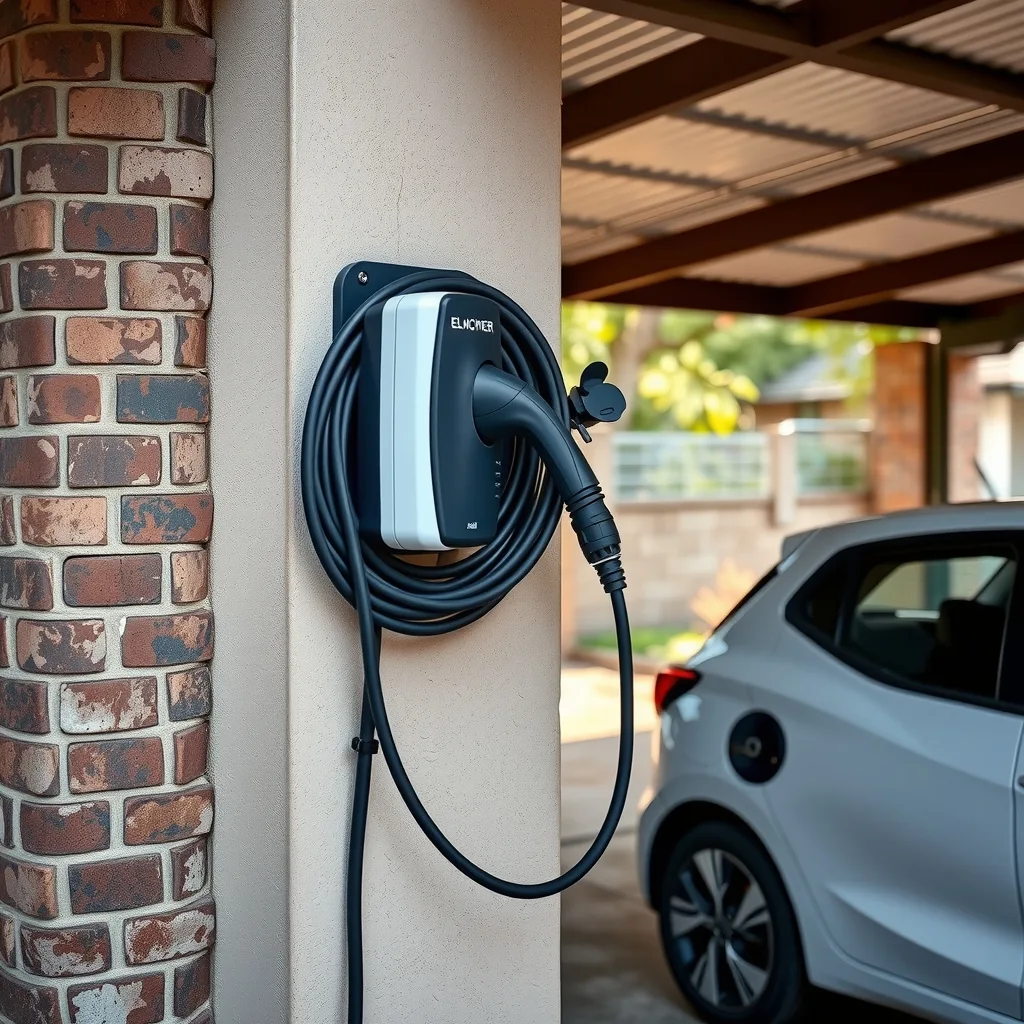
That one matters less to the tools than the battery rebate, though it feeds the same pipeline. Home chargers go in behind the car, and a hardwired charger is electrical work, not a plug-in job. Fewer novated-lease EVs on suburban driveways eventually means fewer charger installs quoted off the back of them.
What a wind-back does to the quote book
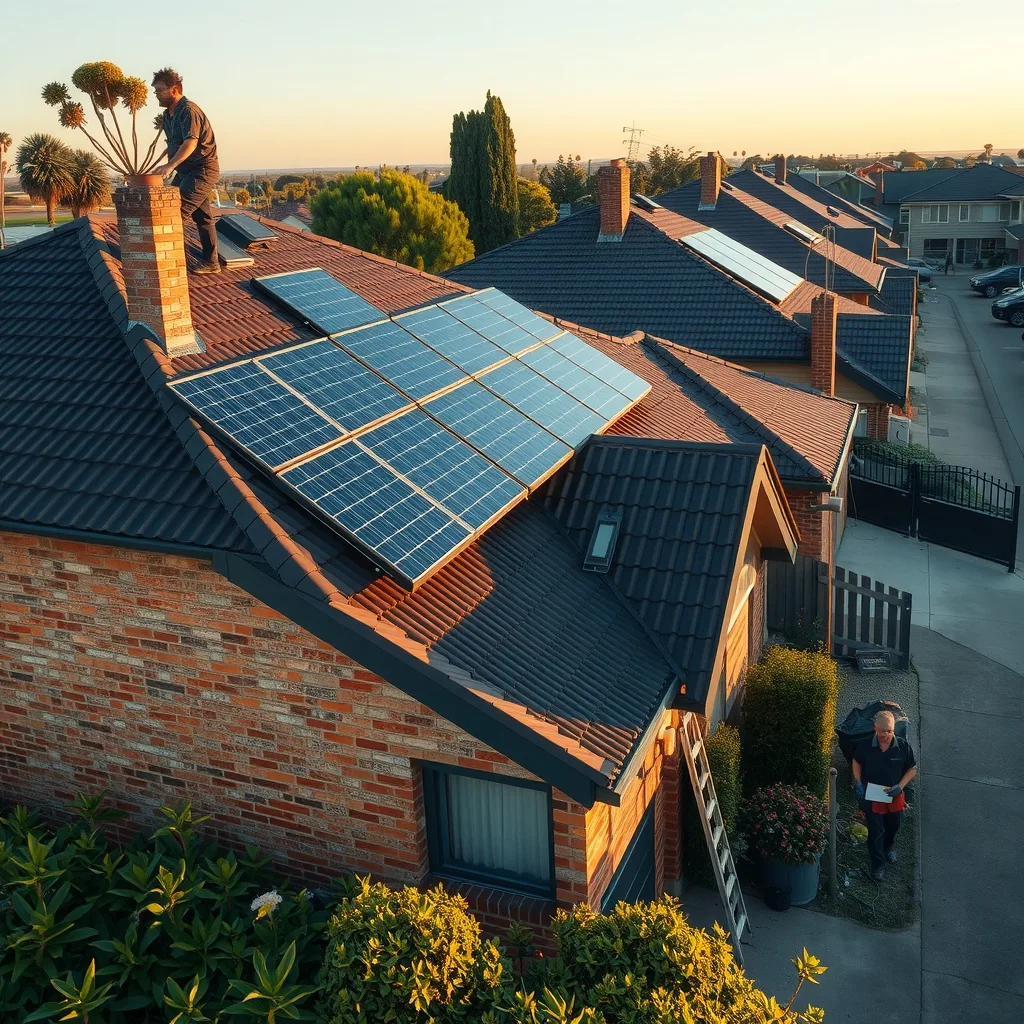
Battery and charger work sits squarely in licensed territory. Fixed wiring requires a licensed electrician in every state and territory, and for the householder to claim federal small-scale certificates the installation has to be done by an accredited installer. There is no version of this work that a homeowner legally does themselves.
The scale of the pipeline is real: government figures cited in reporting on the scheme put it at more than 400,000 home batteries and more than 4 million household solar systems supported. The money is disbursed through the Clean Energy Regulator, after rules passed in February let the CER handle the payments.
The practical risk is timing. If a quote written today has the 30 per cent discount baked into the customer’s price, and the rules shift at the mid-year update before the job is installed and claimed, the gap lands on someone. Worth knowing exactly what your quote says about who wears a change in the rebate, including when comparing quotes from local licensed electricians, and worth watching the CER’s published rules rather than the news cycle, because the rules are what the claim is assessed against.
There is a second-order effect too. Schemes that look like they are about to end tend to pull work forward, and a busy summer of customers racing a deadline is usually followed by a flat quarter. That’s a staffing and cashflow question for anyone thinking about a second van or a first-year apprentice on the strength of current demand.
The political fight over the same numbers
Tehan has used the Senate Estimates figures to argue the program has been too generous and poorly controlled, pointing to the gap between the $4,500 forecast and the $7,910 average actually paid. The department, answering the same questions on notice, put the overshoot down to household choices on battery size rather than a change in the rate.
Bowen’s position, as reported from COP31, is that the schemes were always designed to taper as the technology got cheaper.
Both readings land in the same place for anyone holding a battery job in the diary. December’s mid-year budget update is the deadline to watch: whether the per-kWh support rate is trimmed, whether the scheme gets an end date, and whether there’s a transition arrangement for systems already quoted but not yet installed.
Frequently asked questions
Will the home battery rebate be cut in December 2025?
It’s under review. Chris Bowen has confirmed the Cheaper Home Batteries Program could be wound back or axed at the mid-year budget update due in December, though he frames it as the scheme tapering as planned rather than being scrapped outright.
Why has the battery rebate cost so much more than forecast?
The per-kWh support rate held steady at around $370 per kWh, but households bought bigger battery systems than the government modelled, pushing the average payment to $7,910 per battery against an original forecast of $4,500.
Can I install a home battery or EV charger myself to avoid licensing costs?
No. Fixed wiring requires a licensed electrician in every state and territory, and claiming the federal small-scale certificates that underpin the rebate requires an accredited installer. There is no legal DIY pathway for this work.
What happens if I’ve got a battery quote with the rebate built in before the rules change?
The article notes this is the main practical risk: if the rebate rate or end date shifts before an already-quoted job is installed and claimed, the gap in the price could land on the customer or installer, depending on what the quote specifies.
Sourced from The West Australian, NewsWire, Sydney Morning Herald (via News24), The Australian (via News24), Dan Tehan MP. Original article.