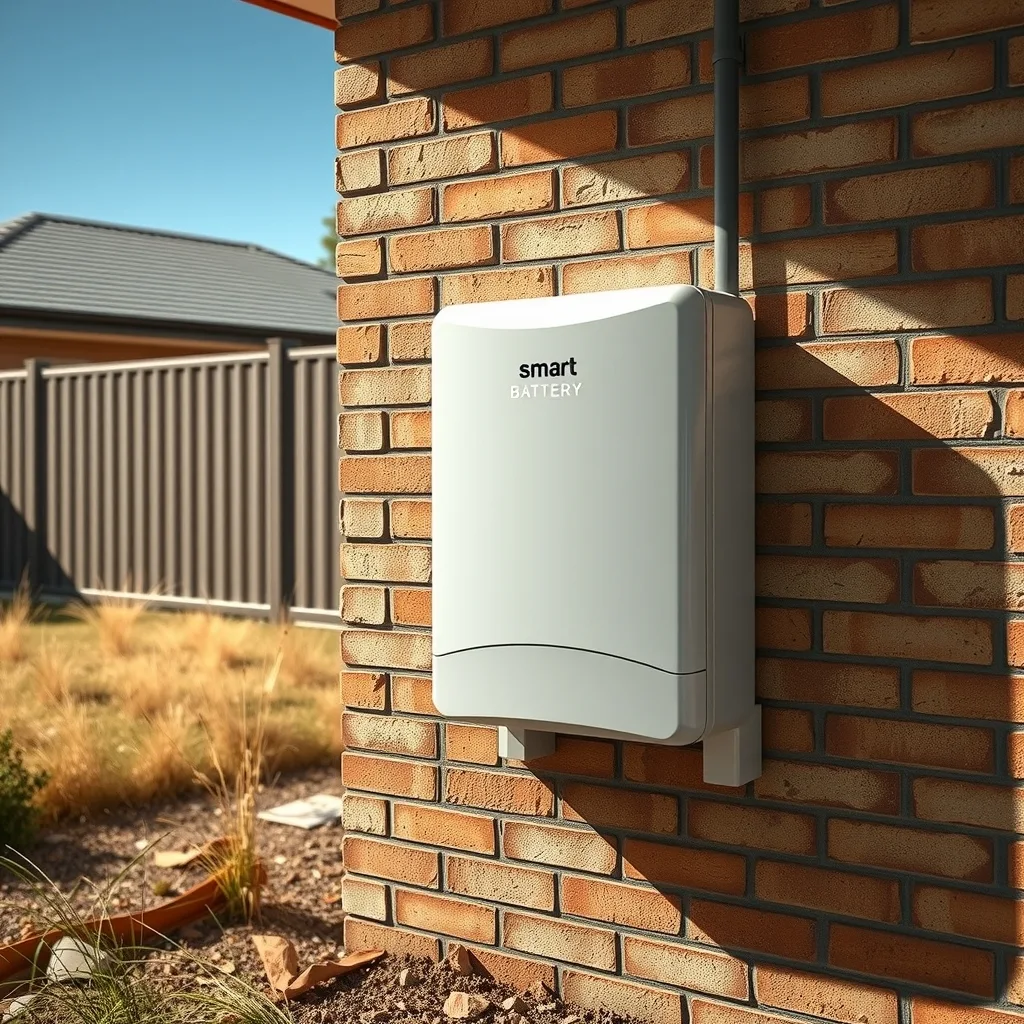

Australia’s $7.2 billion home battery rebate is squarely in the mix ahead of the mid-year budget update, with Environment Minister Murray Watt confirming every federal minister has been told to find savings in their own portfolio and the prime minister declining to rule out means-testing the scheme. Around 600,000 home batteries have been installed under the Cheaper Home Batteries Scheme since it started in 2025, Energy Minister Chris Bowen said in a social media post on Friday.
The ABC reported that Senator Watt made the comments in Brisbane while delivering the government’s weekly fuel supply update, standing in for Mr Bowen, who is travelling to Türkiye for the COP31 climate summit.
The pressure is coming from the cash rate. The Reserve Bank lifted interest rates this week for the fifth time in 2026, pushing the cash rate to an 18-year high and prompting the prime minister to commit to finding savings in the mid-year economic and fiscal outlook, known as MYEFO.
”Phenomenally successful”, and still on the list
Senator Watt praised the battery scheme as “phenomenally successful” but wouldn’t say it was quarantined, telling reporters the Expenditure Review Committee (ERC) was still working through where the money comes from.
“Every single minister in the government has been asked to find savings in their portfolios, just like we’ve been asked to do so in every budget update.”
“But again, we will be looking for savings right across government,” he said.
On Saturday the Australian Financial Review reported Treasury is drafting options to cut back the home battery scheme, including lowering the subsidy available on the up-front cost of a unit. That’s the second time the program has been reshaped: changes to the rebates took effect in May this year, in a bid to stop the $7.2 billion pool running dry too early.
Mr Bowen, marking the 600,000 milestone, argued the benefit runs wider than the households getting the discount.
“They are also putting downward pressure on prices for everyone, whether or not you have a battery,” he said in the post.
Coalition wants the subsidy gone, not trimmed
Shadow Energy Minister Dan Tehan labelled the program “unsafe and unaffordable” and said cutting it back doesn’t go far enough.
“If Labor were serious about addressing inflation, they would simply scrap the subsidy altogether,” Mr Tehan said in a statement.
Shadow Treasurer Tim Wilson, asked by reporters in Melbourne whether the government should means-test the battery program, pointed to the opposition’s own savings list.
“Our focus is getting rid of government programs that are stoking inflation right now; that’s why we’ve put $31.3 billion in savings before the Albanese government,” Mr Wilson said.
Senator Watt fired back, accusing the opposition of blocking “$10 billion of savings” sitting before the Senate.
“On their logic, if they’re saying that increased spending means higher inflation, then they are driving inflation higher by refusing to back in those savings that we’ve put forward,” he said.
What a trimmed rebate looks like from the van
For the people actually mounting the units, the detail matters more than the politics. The scheme works as an up-front discount covering around 25 per cent of what a home battery installation costs, which means it isn’t a cheque that arrives later. It’s already inside the price on the quote the customer signs.
That’s why the two options being talked about land very differently on the tools. Lowering the discount rate moves the number on every quote in the book, including jobs already priced but not yet installed. Means-testing doesn’t touch the price at all, it changes who’s allowed through the door, and it adds an eligibility question at the sales stage that nobody is currently asking.
There’s a licensing layer underneath both. Battery and solar PV installations have to be done by an accredited installer for the owner to claim the federal small-scale certificates the discount is built on, a mechanism that sits alongside state-based solar rebate schemes, and all the fixed wiring around the install is licensed electrical work in every state and territory. The Clean Energy Regulator administers the certificate side.
So the firms carrying the program are the ones who’ve put sparkies through accreditation and, in a lot of cases, hired on the back of 2025 and 2026 demand. A change announced in December flows into quoting within weeks, not years, and that’s a short runway for anyone deciding whether to keep a second crew on past Christmas.
What to watch
MYEFO is the date that counts. Until then, the ERC is working through the options and nothing has been announced.
The question worth tracking isn’t whether the battery scheme survives, it’s which lever gets pulled. A lower subsidy percentage means repricing work in hand and a harder conversation on margin. An income or asset test means a slower funnel and a chunk of enquiries that never convert. Installers with jobs booked into the new year would be wise to know now what their contracts say about a rebate that moves between quote and install.
Frequently asked questions
What is the Cheaper Home Batteries Scheme?
It’s a $7.2 billion federal program offering an up-front discount of around 25 per cent on the cost of a home battery, built on federal small-scale certificates administered by the Clean Energy Regulator.
Could the home battery rebate be means-tested?
The Prime Minister hasn’t ruled it out. Treasury is reportedly drafting options, including means-testing or lowering the up-front subsidy, but no decision has been made.
When will a decision on the rebate be announced?
The government says the Expenditure Review Committee is working through the options ahead of the mid-year economic and fiscal outlook, known as MYEFO, the key date to watch.
Who is allowed to install a battery under the scheme?
Only accredited installers can carry out work that qualifies for the federal certificates behind the discount, and all fixed wiring around the install must be done by a licensed electrician.
Sourced from ABC News, Australian Financial Review. Original article.