
Amazon’s Ring has unveiled a US$250 indoor drone camera that takes off and flies a preset path when an alarm or sensor trips, along with a US$1,000 two-wheeled robot built to patrol offices, warehouses and other workspaces. The Ring Drone Cam ships in the United States from 27 January pending Federal Communications Commission approval, and the Ring Rover Cam starts shipping on 16 December.
Both devices were shown at a demo in New York and reported by The West Australian, carrying CNBC’s coverage. The announcement covered US pricing and US shipping dates only.
That matters here anyway, because Ring’s doorbells already sit on a lot of Australian front walls, and the questions clients bring to a security quote tend to follow whatever the big brands launched three months earlier.
A camera that flies to the noise
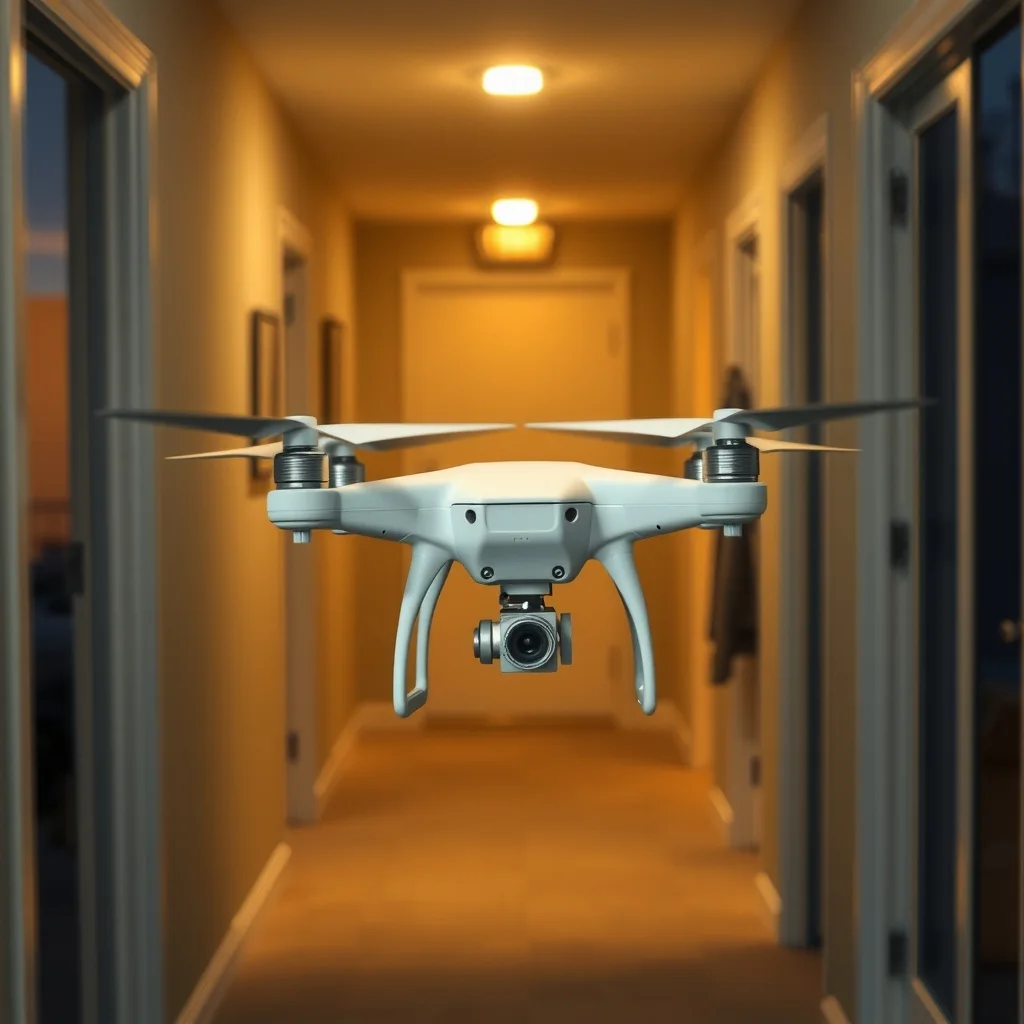
The Drone Cam is about the size of a textbook. It flies room to room, including upstairs, records day or night, and runs up to eight minutes before returning to its charging dock on its own. Two plastic-encased propellers emit a loud buzz when it’s airborne.
When a sensor on a window, door or other Ring device triggers, the drone travels a preset path to investigate. Users can also launch it whenever they want.
Ring chief executive Jamie Siminoff pitched the thing as a deterrent as much as a monitoring tool, pointing at the LED lights on board.
“If someone is going around your house at night, and your motion detector goes off on your Ring doorbell, imagine if you see spotlights and something flying across the window,” Mr Siminoff said. “You’re probably not going to go into that house.”
“You’re probably not going to go into that house.”
The concept isn’t new. Ring previewed the same idea in 2020 as the Always Home Cam, and Mr Siminoff said he held off releasing it until Amazon could perfect the design, sensors and data processing.
His argument for a moving camera over more fixed ones is one every installer has heard across a kitchen bench. “People like indoor cameras, but they don’t necessarily want them everywhere around their home,” Mr Siminoff said.
Flight stays indoors. Mr Siminoff said US aviation rules, which restrict operating drones unless they’re within a pilot’s line of sight, keep the device inside the house. “We have told our customers not to do that because it’s illegal,” he said. “We’ve also put guardrails in there to make it so it doesn’t fly outside.” Drone rules in this country sit with the Civil Aviation Safety Authority, so anyone weighing up imported kit should check the current Australian requirements rather than assume the US framing carries across.
The robot is an Astro with a siren
The Rover Cam is the commercial half of the launch. It repurposes Amazon’s Astro home robot, which had a short life as a business device and has seen few upgrades since its 2021 debut, for companies patrolling offices, warehouses and other workspaces.
Ring said it “leveraged the best of Astro” to build the machine, which it describes as a “purpose-built security robot.”

In the metal it’s a display on a two-wheeled base with an extendable periscope camera, a built-in siren, two-way audio and a light tower that shines onto the ceiling so people can track where it is.
At US$1,000 it lands in a different conversation to a fixed camera array. The buyer Ring is aiming at is the warehouse or workshop currently covering floor area with mounted cameras and cable runs, or paying somebody to walk the building after hours.
What it changes on an install
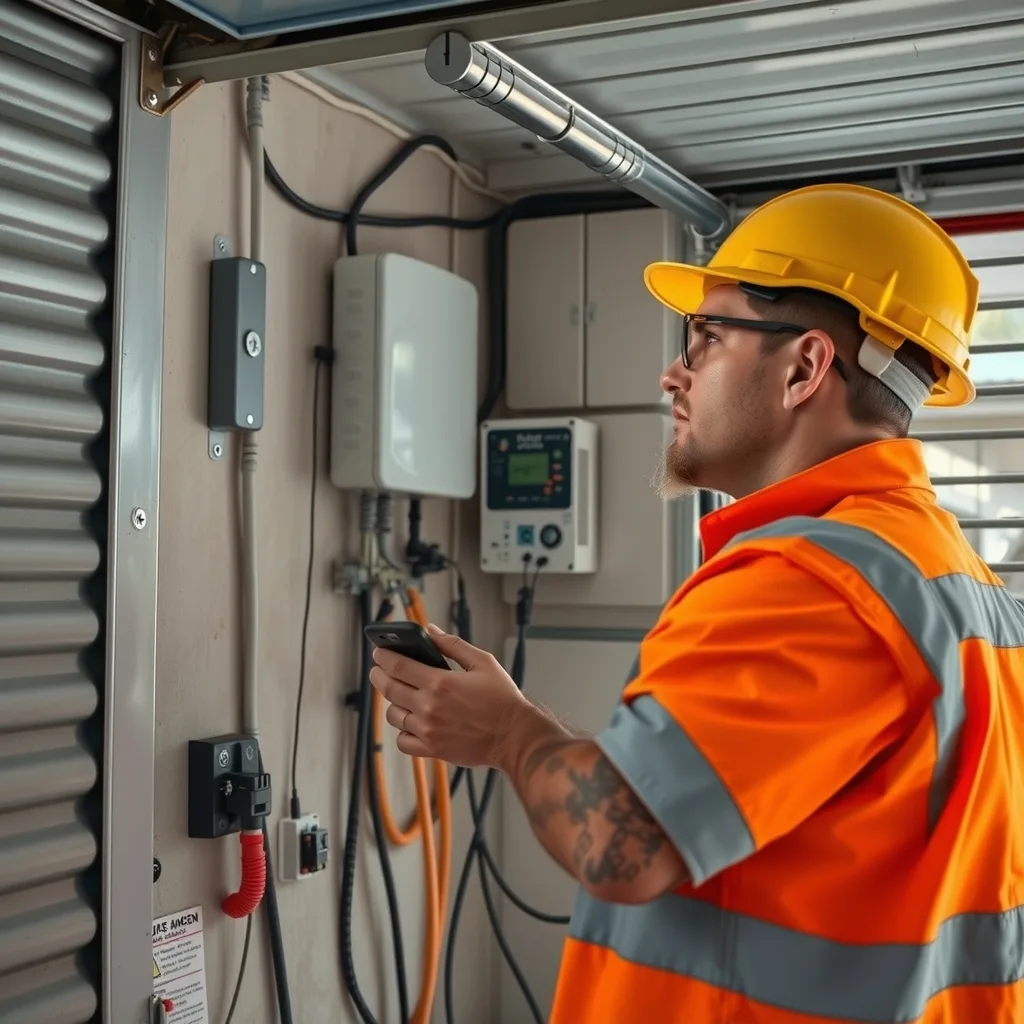
A conventional multi-camera job is mostly cabling and mounting: picking sightlines, drilling, running cable back to a recorder or switch, patching holes and making good. A device that moves shifts the work somewhere else. The dock needs a spot with power and clear air above it, the flight path needs doors that stay open, and the network has to hold up on the first floor as well as the kitchen.
If the client wants a new outlet where the dock is going to live, that’s a licensed electrician’s job in every state and territory. There’s no version of Australia where running new fixed wiring is a DIY afternoon, no matter how small the appliance at the end of it.
The money behind this category is why Amazon, Apple and Google keep pushing into it. Grand View Research estimates smart home sales will top US$200 billion this year, CNBC reported in November 2026.
Privacy baggage comes through the door with it
Ring, bought by Amazon in 2018 and best known for its doorbells, has been beset with privacy concerns, primarily over its partnerships with police, CNBC reported. The company copped renewed scrutiny earlier this year over a Super Bowl ad for an AI pet-finding tool called “Search Party”, then cancelled an integration with police tech provider Flock Safety, which CNBC reported has also faced widespread backlash over its automated licence plate readers.
Ring says privacy is the “default” mode for both the drone and the robot, and that each flashes an LED light while recording.
For installers, that’s the part worth rehearsing before the next quote. A fixed camera points where you bolted it. A camera that wanders the hallway or the warehouse floor raises questions about who’s recorded, when, and where the footage goes, and the person holding the drill is usually the one asked first.
The next marker is the FCC sign-off the drone still needs before it ships in the US on 27 January. Until Ring names an Australian price or date, the job on the tools is knowing enough about the hardware to answer the client who saw it online and wants to know whether it beats the four security cameras you were about to quote them.
Frequently asked questions
Is the Ring Drone Cam available in Australia?
Not yet. Ring’s announcement covered only US pricing and shipping dates, with the Drone Cam set to ship in the US from 27 January pending approval from the US Federal Communications Commission.
Do I need an electrician to install the drone’s charging dock?
If the dock needs a new power outlet, that’s a licensed electrician’s job in every state and territory, not a DIY task.
Can the Ring Drone Cam fly outdoors?
No. Ring says the device is designed to stay indoors, citing US aviation rules that restrict drone operation beyond a pilot’s line of sight, and says it has built in guardrails to stop it flying outside.
Sourced from The West Australian, CNBC. Original article.