
Geotab has launched GO Anywhere Plus in Australia and New Zealand, an asset tracker built for high-value powered equipment and trailers that reports location, ignition status, engine hours and inferred distance travelled back into the company’s MyGeotab platform.
The launch was reported by Utility Magazine, which carried Geotab’s announcement. The pitch is split two ways: transport and logistics operators who want trailers and containers tracked independently of the trucks pulling them, and construction, infrastructure and utilities businesses who want usage data off their plant rather than just a dot on a map.
“Managing a fleet today goes well beyond tracking vehicles. Across ANZ, businesses rely on valuable equipment spread across multiple locations, yet knowing where these assets are and how effectively they’re being used isn’t always straightforward,” said Geotab Associate Vice President for APAC, David Brown.
What the unit actually reports
The device runs on wired power with a field-replaceable battery as backup. Geotab says that when it’s connected to power, it delivers near-real-time location data alongside ignition status, engine hours and inferred distance travelled for supported assets. Geofencing and movement alerts sit on top of that, so a machine leaving a yard outside work hours can trigger a notification.
That power distinction matters when you’re deciding what to fit it to. A lighting tower or a compactor with a battery and an ignition circuit is a different install to a box trailer with no power at all, and the announcement doesn’t spell out what the unit reports, or for how long, when it’s running on battery alone.
Everything lands in MyGeotab, the same platform Geotab customers already use for vehicles, so a yard full of utes and a yard full of plant show up in one place instead of two subscriptions and two logins.
The depot-to-site problem it’s aimed at
Geotab’s argument is the one every operator with gear spread across three sites already knows: equipment goes walkabout between depots, jobs and customer locations, nobody is quite sure which machine is where, and the fix ends up being a hire invoice for a second one.
“Whether it’s a trailer left at a depot or machinery sitting idle at a construction site, limited visibility can create unnecessary costs and operational disruption. By building on our existing asset-tracking capabilities, we’re helping businesses gain greater visibility over their equipment, make better use of their existing assets and respond more effectively when equipment moves unexpectedly,” Brown said.
“Whether it’s a trailer left at a depot or machinery sitting idle at a construction site, limited visibility can create unnecessary costs and operational disruption.”
The company says the data can be used to spot underutilised machinery, inform maintenance planning and work out whether a machine already in the fleet can be shifted across instead of hiring another one.

What it’s worth on the tools
The engine-hours feed is the part that earns its keep on a plant fleet. Service intervals on powered gear run on hours, not calendar dates, and hours ticking over automatically beats a logbook someone fills in from memory on a Friday arvo. Same story with idle time: a machine showing ignition-on hours and almost no movement is a machine that’s burning fuel and service life while the job waits on something else.
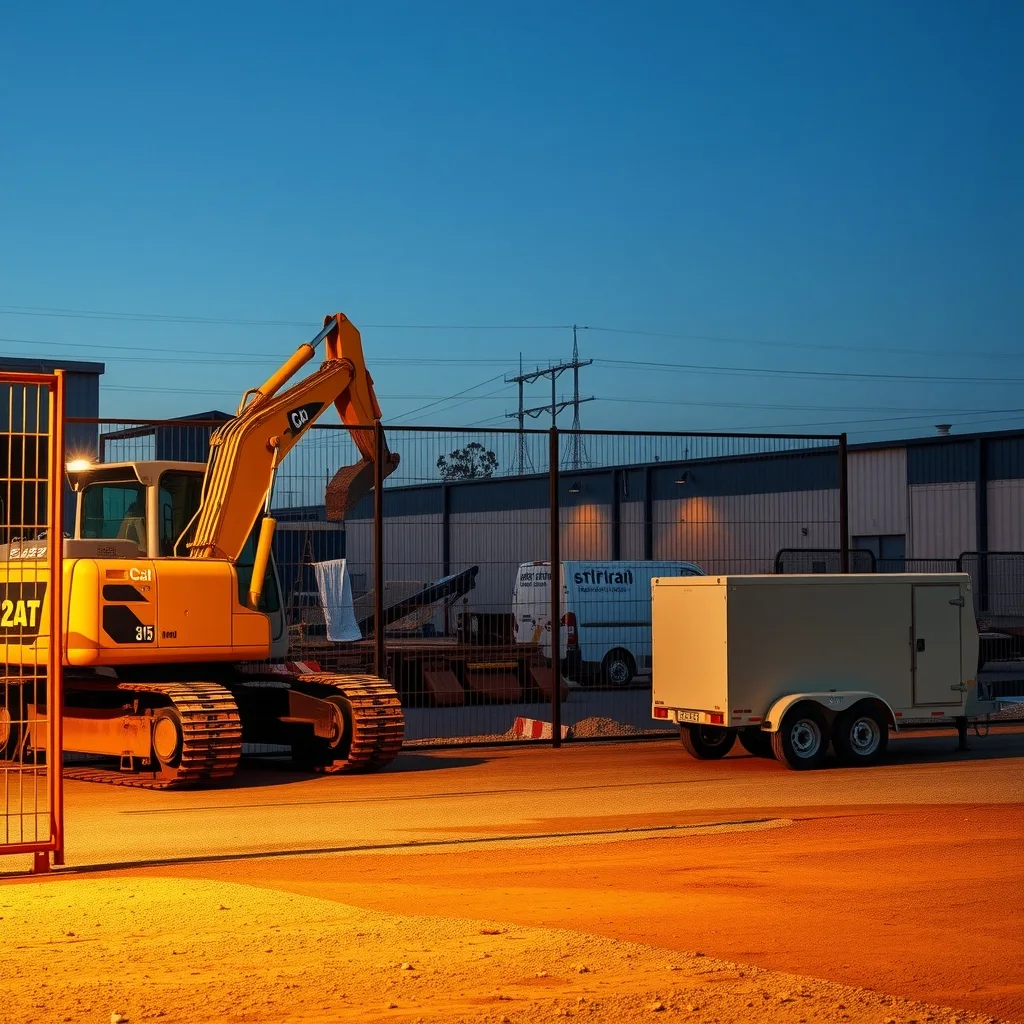
The redeployment maths is simpler again. If you can see the second excavator or the spare trailer sitting at a yard 40 minutes away, that’s a float run instead of a hire booking. Whether the subscription pays for itself comes down to how many of those hire invoices you’d actually avoid in a year, which is a number only your own books can answer.
Three things the announcement leaves open, and they’re the three worth asking about before you fit anything: pricing and contract term, which aren’t disclosed; cellular coverage, given Geotab pitches this at remote operating environments where the gear is furthest from the office and the signal is thinnest; and exactly which assets count as “supported” for the engine-hours and distance data.
“Effective asset management starts with having the right information at the right time. For businesses managing valuable equipment across multiple locations, understanding where assets are and how they’re being used can make a significant difference to day-to-day operations,” Brown said.
What to watch
Telematics on vehicles is settled ground in Australian fleets. Telematics on the gear being towed and the plant sitting on the slab is where the market is still moving, and GO Anywhere Plus is Geotab extending its existing asset-tracking line rather than starting a new one.
For a small outfit, the test isn’t the feature list. It’s whether the thing survives a wash-down, whether the field-replaceable battery means a two-minute swap or a trip back to a dealer, and what the per-device cost looks like across a dozen trailers rather than one. Those answers aren’t in the launch material, so ask for them in writing before the first unit goes on.
Frequently asked questions
What does GO Anywhere Plus track?
It reports location, ignition status, engine hours and inferred distance travelled for supported powered plant and trailers, feeding into Geotab’s MyGeotab platform.
Does it run on the equipment’s own power or a battery?
It runs on wired power with a field-replaceable battery as backup. Geotab hasn’t detailed what the unit reports, or for how long, when it’s running on battery alone.
How much does GO Anywhere Plus cost in Australia?
Pricing and contract terms haven’t been disclosed in the launch announcement.
Does it integrate with an existing Geotab fleet setup?
Yes. Data lands in MyGeotab, the same platform Geotab customers already use to track vehicles, so plant and vehicles show up in one place.
Sourced from Utility Magazine. Original article.