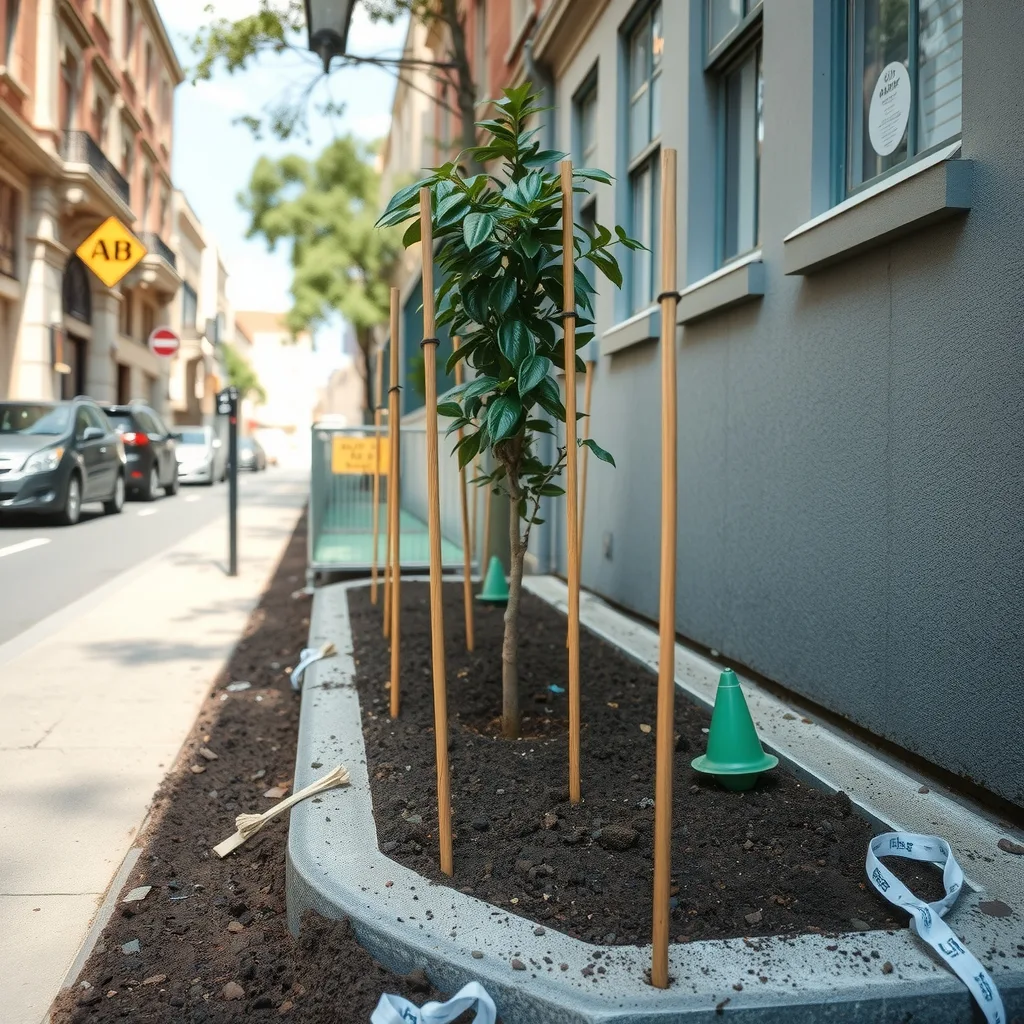

The City of Sydney will remove or relocate about 1,500 on-street parking spaces over the next decade to make room for garden beds of native trees and shrubs, out of more than 40,000 on-street spaces across the local government area. Consultation is already open on the first tranche, with up to 89 spots set to go by the end of the financial year.
The plan was reported by ABC News and 702 ABC Sydney, which spoke to the council, business groups and a construction worker who drives into the inner city for client meetings.
Until now, the council’s greening work has mostly stayed out of the parking lane. Verges, parks and plazas carried the planting. The council says those easy spots are running out, so the kerb is next.
”We don’t pretend everyone is going to love it”
Clover Moore Independent Team councillor Jess Miller said losing parking was a necessary trade-off.
“We don’t pretend everyone is going to love it,” she said.
“If we have any chance of achieving our tree canopy targets and cooling the city, we have to make our public space work really hard … road planting is part of that mix.”
Miller said some people would always need a park, but argued the city has to shift away from private cars as the default way to get around. “It’s expensive. It’s a poor use of public space,” she said. “The less people who need to use their car on a daily basis, the bigger the overall benefit … that’s indisputable at this point.”
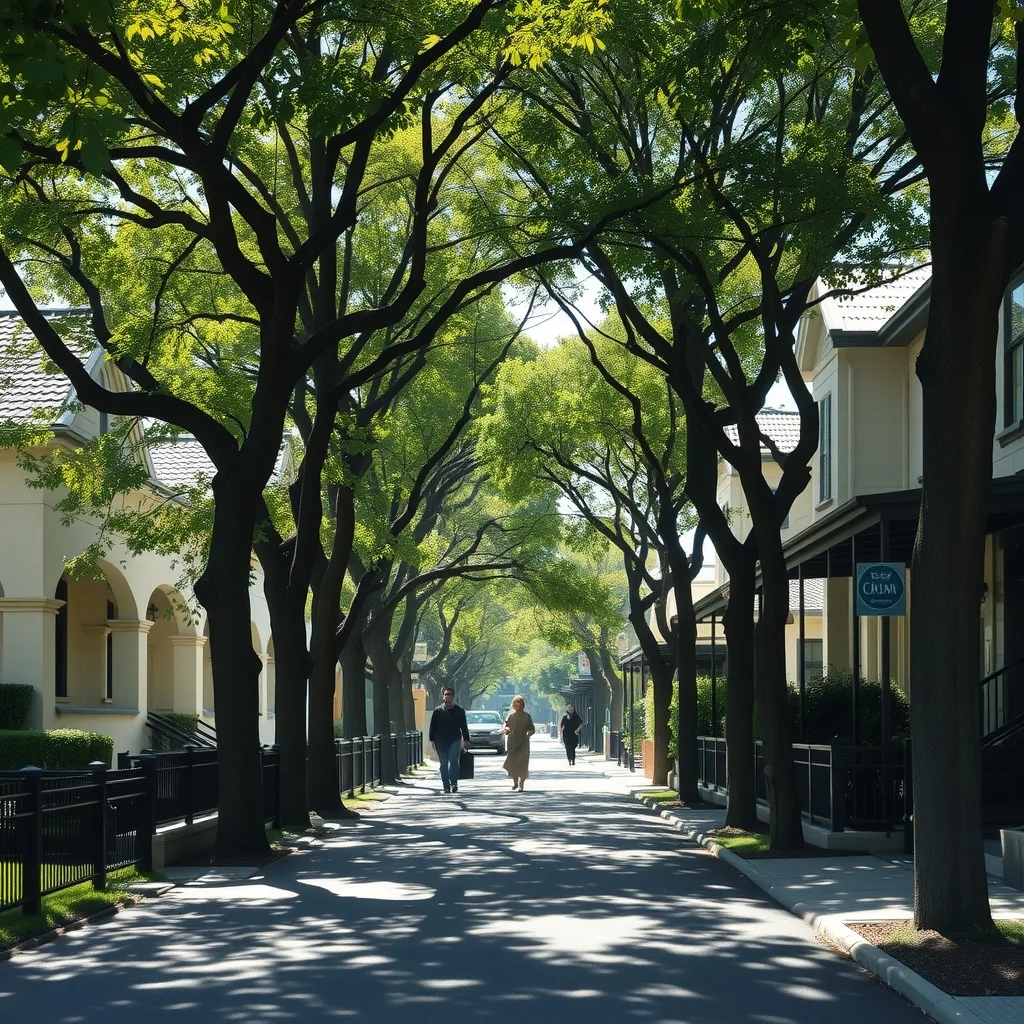
The target driving all of it is 27 per cent canopy cover by 2050. Canopy across the City of Sydney local government area has risen from 15.5 per cent in 2008, when it was first measured, to 21.7 per cent in 2026, with more than 16,000 trees planted in streets and parks since 2004, the council says.
Business Sydney wants alternatives ruled out first
Business Sydney executive director Paul Nicolaou said he backs a greener city, just not one paid for out of the parking lane.
“We shouldn’t have to choose between street trees and parking,” he said.
“Before removing parking spaces, council needs to demonstrate that it has properly considered alternatives.”
He added: “Street trees are important, and we should be investing in them. But we also need to recognise that parking is important to residents, workers, older people, people with disabilities and small businesses. Council needs to take a balanced approach.”
A 702 ABC Sydney caller named Andrew, who works in construction and drives into the inner city each week to meet clients, put the same point in blunter terms on air to 702 ABC Mornings with Hamish Macdonald.
“It’s already hard enough parking when you’re in a role like mine and you need to go and see somebody for half an hour … if there’s no parking, it just means that you can’t do that,”
“If there’s no public parking stations available in the area, I think you need to think twice about removing street parking,” he said.
What a kerbside tree pit means on the tools
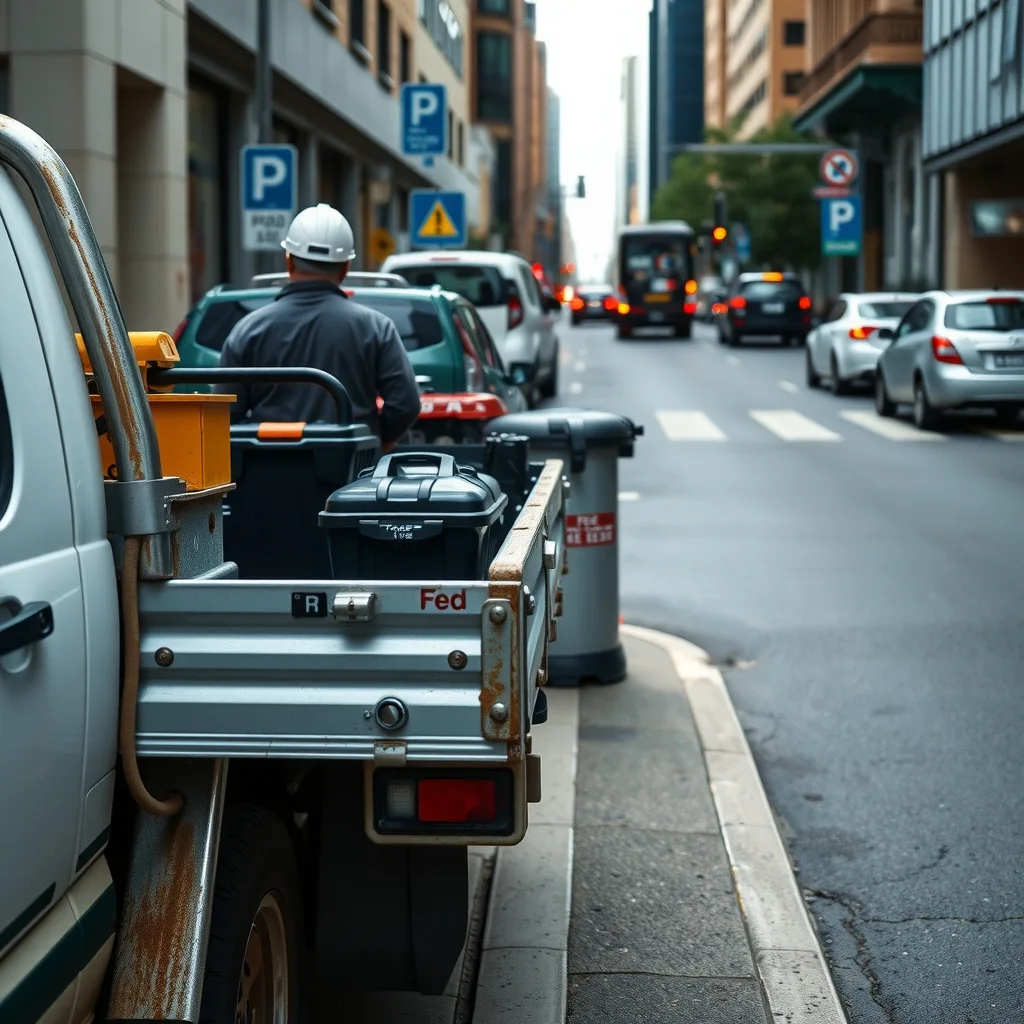
For anyone running a ute into Pyrmont, Surry Hills or Glebe for a quote or a two-hour repair, this is a slow squeeze rather than a shock. Spaces go in handfuls, street by street, over ten years. The pain is cumulative: each removed bay pushes service vehicles further from the job, and the half-hour call-out is the first thing that stops stacking up.
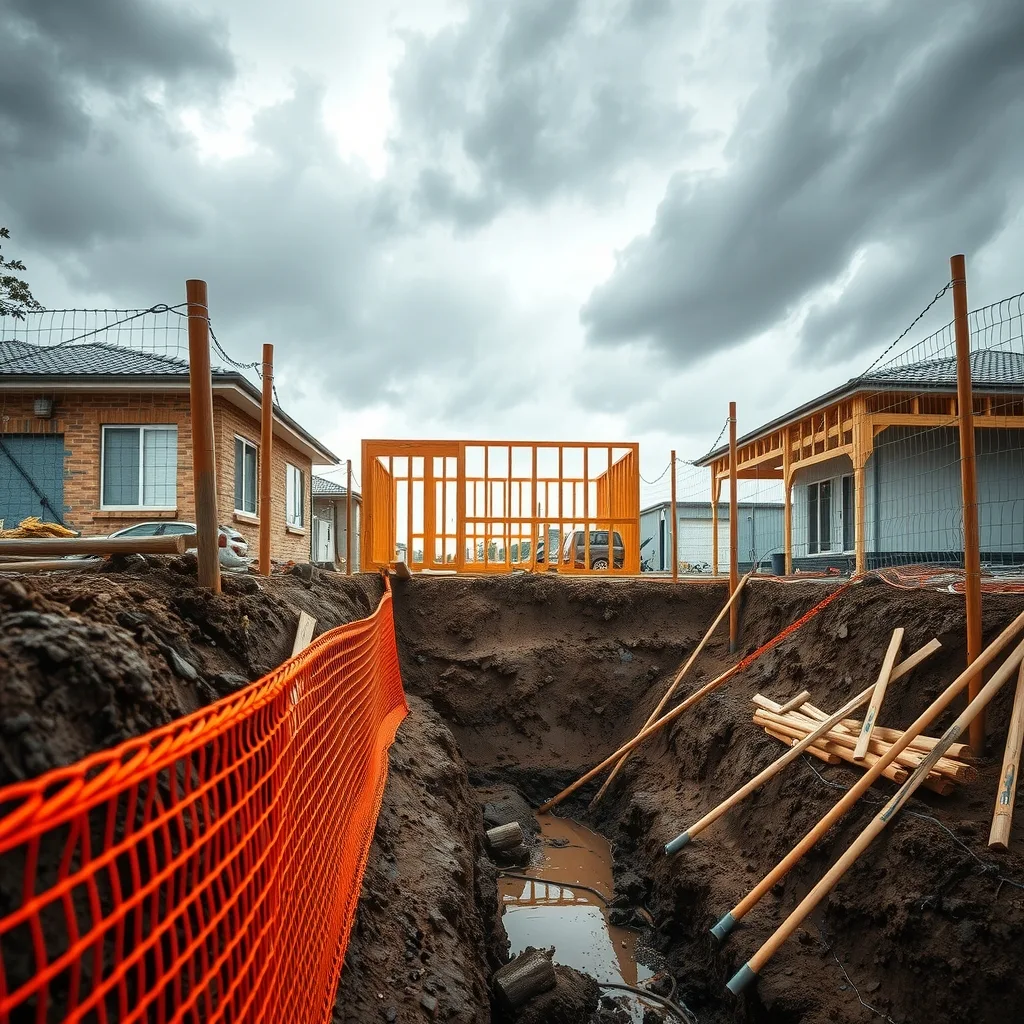
The flip side is that every one of those 1,500 bays is a civil job before it’s a garden. Turning a parking space into a planter is saw-cutting the existing kerb and pavement, breaking out and carting the spoil, digging a pit deep enough for the root ball, and sorting the drainage so the bed doesn’t dam the gutter line. Then the concrete edge goes back in, and the landscaping crew follows with soil, stock and staking.
What slows every one of those pits down is what’s already under the kerb. Water, gas, comms and power all run in and around the verge and the parking lane in the inner city, which means services located and marked before a saw touches the road, and hand digging or non-destructive methods where the plans say something’s close. That’s a different skill mix to open-paddock civil work, and it suits small crews who can work a short, awkward site between parked cars and a live traffic lane.
It’s also recurring work. Street trees need watering, formative pruning and replacement of failures for years after the plant date, which is arborist and horticulture hours rather than a one-off contract.
The heat case the council is leaning on
Trees cool air through evapotranspiration, water released from the leaves evaporating and dropping the temperature around it. A 2026 Adelaide University study found every dollar invested in street trees returned $1.50, mostly through health benefits. Research by the World Resources Institute found a shaded footpath can feel up to 8 degrees cooler than one in full sun, and separate research found street trees in Melbourne cut the radiant heat felt by pedestrians by more than 18 degrees.
University of Sydney associate professor Nader Naderpajouh said greater Sydney’s canopy isn’t keeping pace with heatwaves. “It’s a very slow increase. It’s not enough for the amount of challenges we are facing,” he said.
NSW Minister for Planning and Public Spaces Paul Scully said in a statement that the government recognises urban heat as a growing problem and has put $60 million into greening urban areas. “The City of Sydney is well serviced by public transport, making people less reliant on cars but there will always be a need for a certain level of car parking,” he said.
What to watch
The detail that matters for trade vehicles isn’t the 1,500 figure, it’s which streets and which bays. Consultation on the first round is open now through the City of Sydney website, covering the proposals that would take up to 89 spots by the end of the financial year. If you work the inner city, that consultation is where you find out whether the bay you rely on at 7am is on the list, and the NSW planning department is the body behind the $60 million greening money sitting underneath the push.
Frequently asked questions
How many parking spaces will the City of Sydney remove for street trees?
About 1,500 on-street parking spaces will be removed or relocated over the next decade, out of more than 40,000 on-street spaces across the local government area, with up to 89 spots set to go by the end of this financial year.
How can I find out if my street is affected?
Consultation on the first round of changes is open now on the City of Sydney website, covering the proposals that would remove up to 89 spots by the end of the financial year.
What is the City of Sydney’s tree canopy target?
The council is aiming for 27 per cent canopy cover by 2050, up from 21.7 per cent in 2026 and 15.5 per cent in 2008.
Sourced from ABC News, 702 ABC Sydney. Original article.