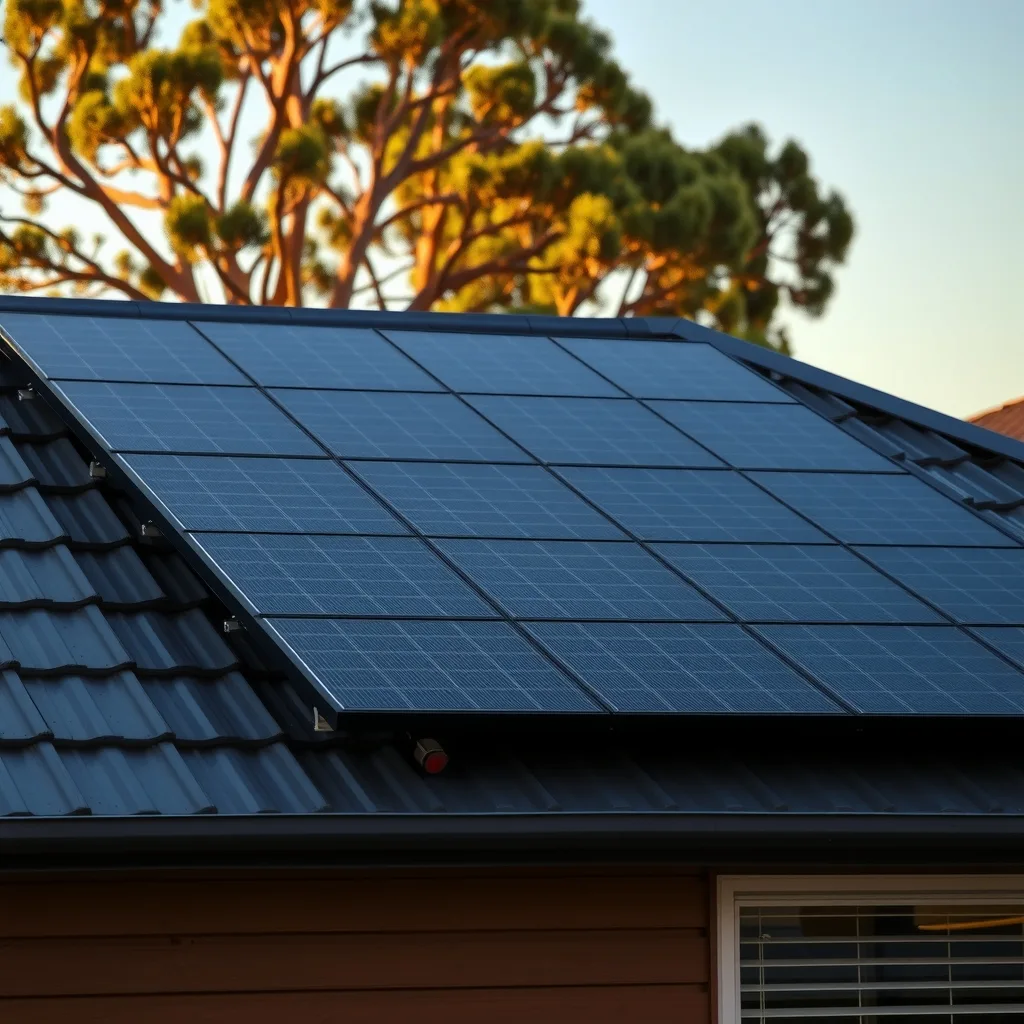

Trinasolar has launched an Australian-exclusive all-black rooftop solar module, the Vertex S+ G3 Full Black (NEG10R.25Z), rated at up to 510W output and 24.4% efficiency and backed by a 25-year product warranty. It’s aimed at residential and commercial roofs, and it marks the return of the company’s all-black range to the Australian market.
Trade title Electrical Connection reported the launch, which came alongside commercial and industrial energy solutions, battery storage technology and robotics.
The module runs the company’s TOPCon 3.0 technology with n-type i-TOPCon Ultra cells, a low-voltage design and lightweight dual-glass construction, according to the launch material.
Trinasolar head of Australia, New Zealand and Pacific Islands Edison Zhou said the product was developed in response to demand for solar that balances how a system looks with how it performs.
“The Vertex S+ G3 combines the premium all-black design customers want with the performance and reliability they expect from Trinasolar,” Zhou said.
The look argument installers already have on the driveway
Anyone who’s quoted a street-facing roof knows how this conversation goes. The homeowner wants panels that disappear into dark tiles or Colorbond, the body corporate wants a uniform roof plane, and the installer wants the output that pays the system off.
Full black is the answer to the first two. Black frame, black backing, no silver grid showing through from the footpath. The question that follows is always whether the customer gives up yield for the finish, and on this module Trinasolar is quoting 510W and 24.4% efficiency as the counter.
Dual-glass construction is the other detail worth noting on the quote. Glass-glass modules carry different handling and mounting considerations to a standard backsheet panel, so the roof survey and racking spec matter more, not less.
The 1MW threshold is the real story for C&I
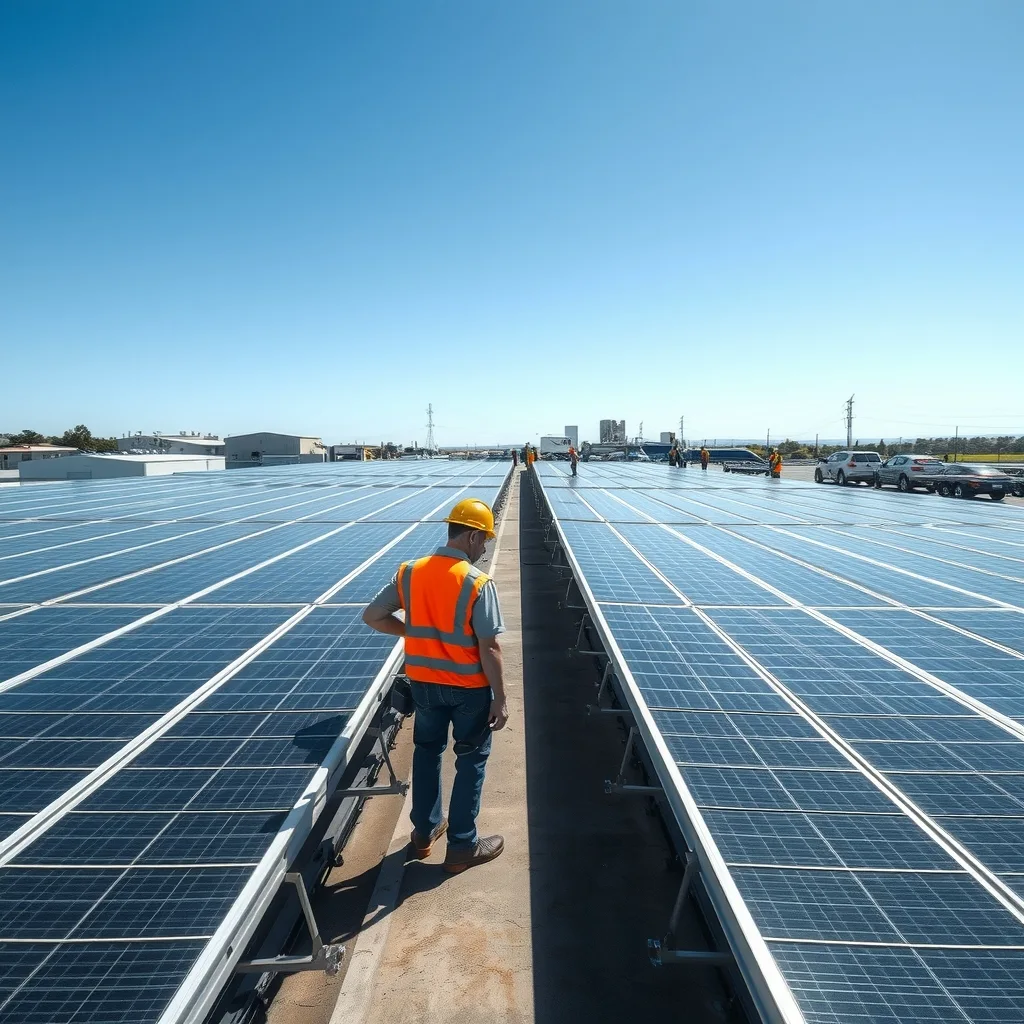
Trinasolar also introduced its C&I Integrated Engineering and Solutions offering here, covering project-specific engineering, system optimisation and component sourcing for commercial and industrial jobs. Australia was picked as the launch market for it.
The reason given is regulatory. Changes to the Small-scale Renewable Energy Scheme from 1 October 2026 extend eligibility to qualifying solar installations above 100kW and up to 1MW, Electrical Connection reported.
That’s the bracket that’s been awkward for years. The factory roof, the cold store, the regional packing shed: too big for the standard small-scale certificate path, too small to justify the paperwork of a large-scale project. Pushing the ceiling to 1MW puts those jobs back into the simpler certificate stream.
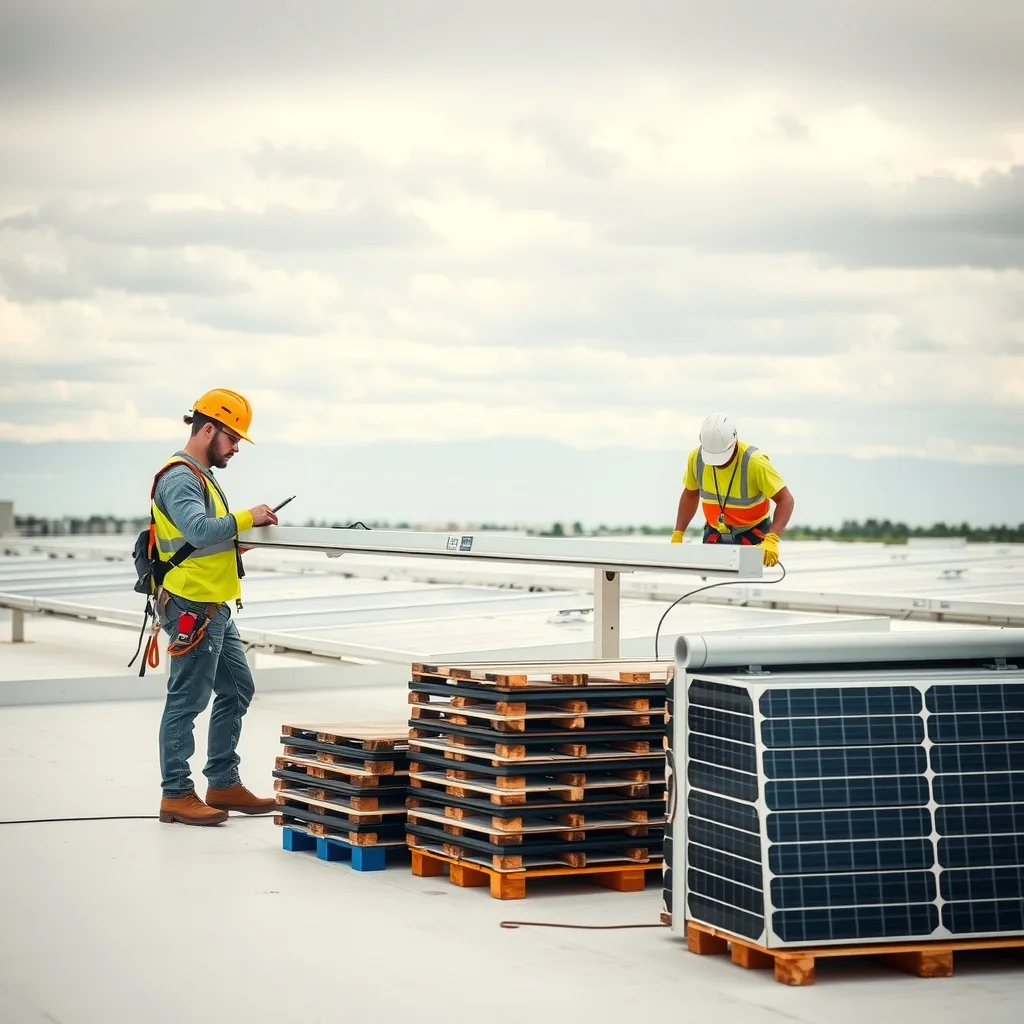
On these numbers, a 100kW array built from 510W modules runs to roughly 196 panels. A 1MW job is ten times that, which is a different animal again: lifting plant, a bigger racking crew, DC string runs measured in hundreds of metres, and switchboard and grid-connection work that needs to be sequenced well before the first pallet lands on the roof.
What it means if you’re accredited
The eligibility change only matters to the people who can actually claim against it. Solar PV and battery installations must be performed by an accredited installer for the owner to claim federal small-scale certificates, which is the gate on every one of these jobs regardless of module brand.
For electrical contractors weighing whether to chase mid-size commercial work, the 1 October 2026 date is the one to put in the diary. Scheme details and eligibility sit with the Clean Energy Regulator, and it’s worth reading the rules against your own accreditation before quoting anything in the 100kW to 1MW band.
Two things to watch from here. First, whether local distributors carry the Full Black in volume or treat it as a premium order-in line, because availability decides whether you can spec it on a job that starts next month. Second, how many C&I jobs in that newly eligible bracket actually come to tender once the SRES change lands, and whether the design and engineering work gets packaged by suppliers or stays with the contractor.
Frequently asked questions
When does the SRES eligibility change take effect?
From 1 October 2026, eligibility for Small-scale Renewable Energy Scheme certificates extends to qualifying solar installations above 100kW and up to 1MW, according to Electrical Connection.
What are the specs on the new Trinasolar all-black module?
The Vertex S+ G3 Full Black (NEG10R.25Z) is rated at up to 510W output and 24.4% efficiency, with dual-glass construction and a 25-year product warranty.
Do I need an accredited installer to claim solar certificates?
Yes. Solar PV and battery installations must be performed by an accredited installer for the owner to claim federal small-scale certificates, regardless of module brand.
Sourced from Electrical Connection. Original article.