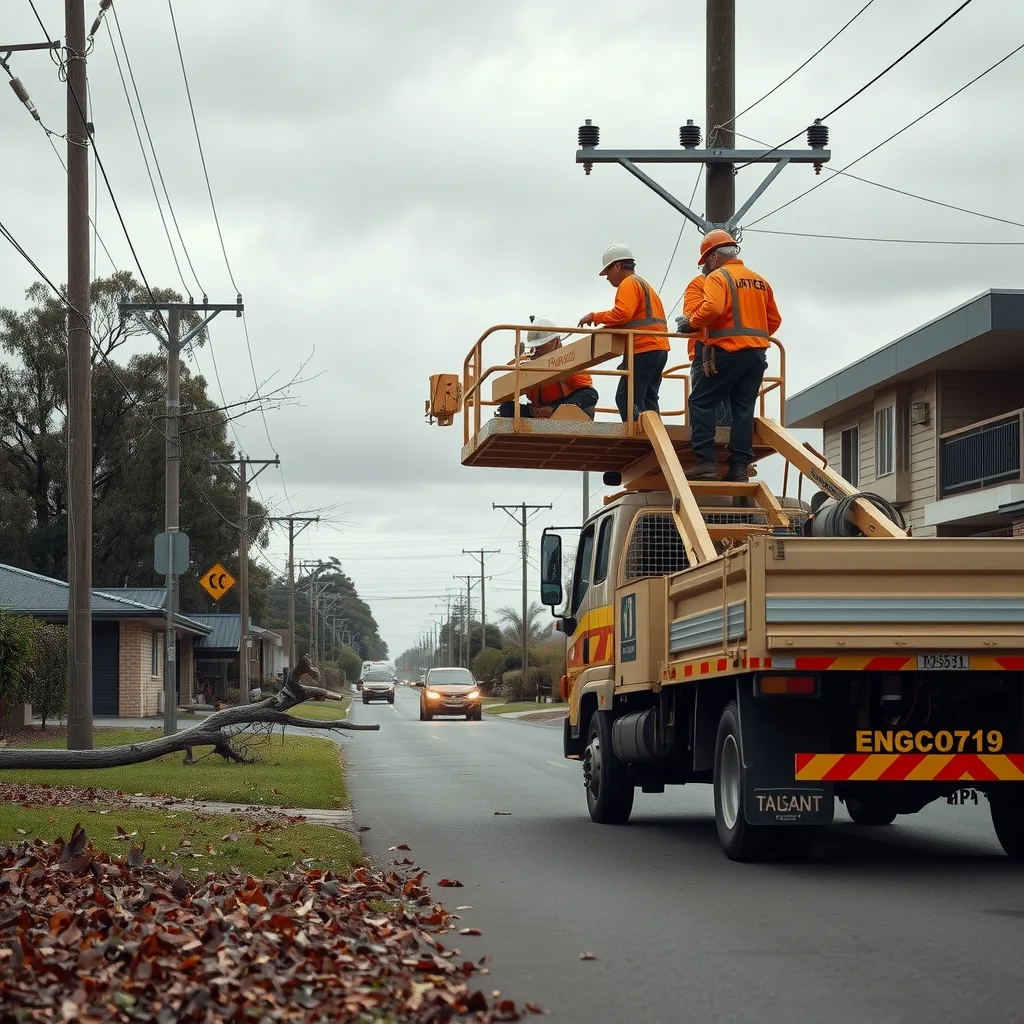

Master Integrator has partnered with Australian Registered Cablers (ARC) to tie the cabling and systems integration trades closer together. The two groups will cross-promote each other’s services, build compliance education including an annual webinar, and send referrals both ways.
Trade title Electrical Connection reported the partnership, which is built around three things: education, compliance and referrals. Systems integrators get a path to registered cablers for specialist work. Registered cablers who also offer integration services get more exposure through ARC’s referral website.
The registration rule is the one that catches integrators out
Under Australian regulations, covered cabling work must be performed by, or under the supervision of, a registered cabler. That requirement is what the whole partnership hangs off.
It’s an easy rule to walk past on a smart-home or commercial job. The design, the device commissioning, the app and the network config all feel a long way from a cable run, right up until someone on the crew terminates a cable that falls inside the covered category. The scheme sits with the federal communications regulator, the ACMA. If you’re not certain whether the work in front of you is covered, that’s the body to check with before the first drum comes off the ute.
Master Integrator founder and managing director Paul Skelton said the arrangement gave both sides something practical to work with.
“Cabling is fundamental to the technology systems our industry designs and installs. This partnership gives us a practical way to improve understanding of cabling responsibilities, recognise the expertise of registered cablers and create more opportunities for education across both sectors,” he says.
Where ARC sits, and a question the announcement left open
The second voice in the announcement is International Copper Association Australia chief executive John Fennell.
“We’re excited to partner with Master Integrator to coordinate the promotion of our cabling and systems integration services to a broader audience and to expand the educational opportunities for both our members,” he says.
Fennell speaks of “our cabling and systems integration services”, but the announcement doesn’t set out how ARC and the International Copper Association Australia relate to each other. Anyone deciding which body to deal with for registration questions, or whose referral list they want to appear on, will want that spelled out.
What’s actually on the table
The stated program covers an annual webinar for systems integrators, plus verified registration and regulatory updates pushed out through both organisations’ channels.
Beyond that, the two sides say they’ll look at further education across structured cabling and smart wiring, and at pathways for registered cablers who want to move into systems integration. Master Integrator will also look at supporting ARC’s smart wiring and home wiring essentials initiative with practical education for integrators.
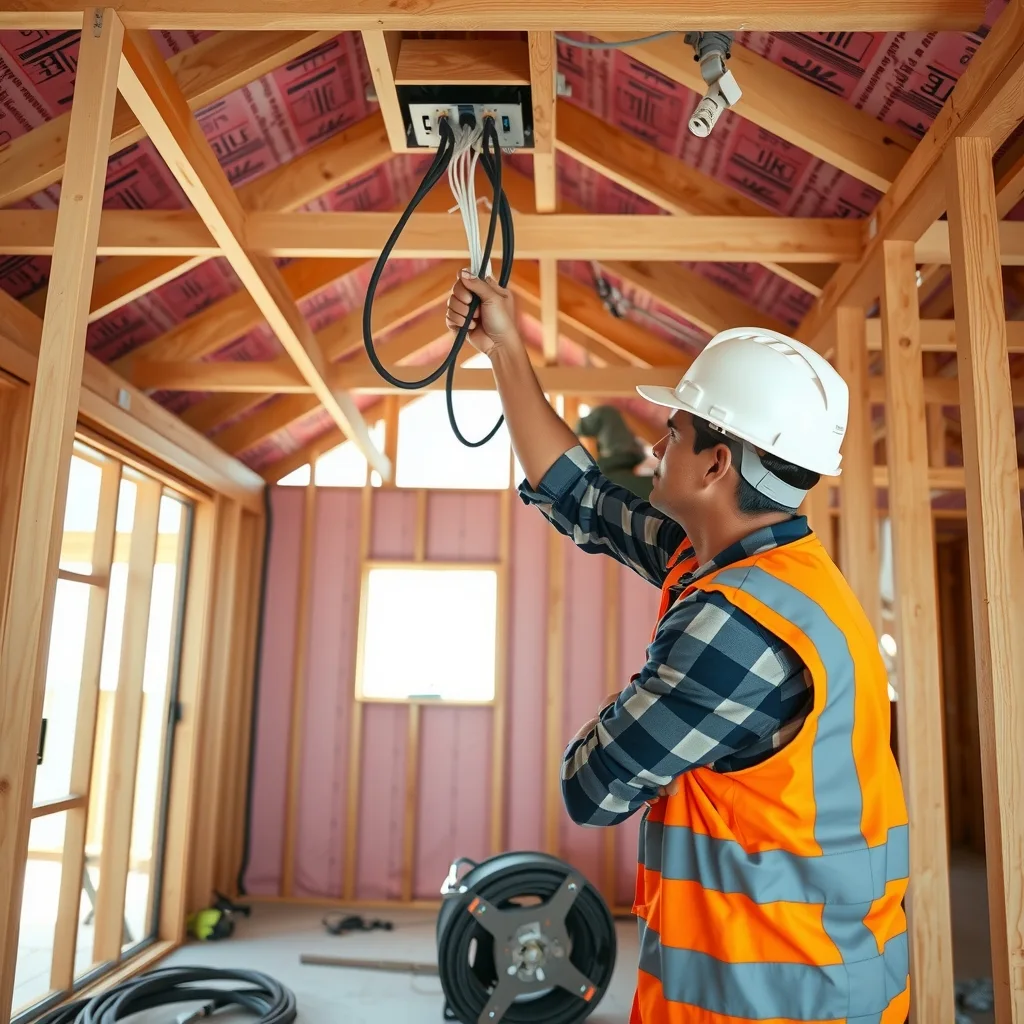
There’s already a training bridge between the two worlds: open cabling registration requirements are included in the new Certificate III in Systems Integration.
What the announcement doesn’t carry is a single number. No membership figures, no cost, no date for the first webinar, no compliance rate for cabling registration. Treat it as a statement of intent until the calendar fills in.
The dual-ticket argument
Here’s the commercial read for anyone on the tools. Fixed electrical wiring requires a licensed electrician in every state and territory, and covered cabling requires a registered cabler. A residential automation fitout or a small commercial refit can easily need both.
If one person or one crew holds both tickets, they quote the job end to end: the power side, the data points, the rack, the terminations, the commissioning. If they don’t, the comms work gets subbed out or the job waits on a second trade turning up, and the margin and the program both take the hit.
That’s the gap the referral website and the Cert III pathway are aimed at. For a small integration outfit, adding cabling registration to the skill set is the difference between handing off a chunk of every job and keeping it. For a registered cabler, the traffic runs the other way: the integration side is where the design and commissioning hours sit.
The test will be whether the referral listings actually move work between the two groups, and whether the promised education gets specific about which jobs are covered. Generic awareness-raising doesn’t help the bloke standing in a ceiling cavity wondering whether the cable in his hand needs a registration number behind it.
Frequently asked questions
Who regulates cabling registration in Australia?
The ACMA, Australia’s federal communications regulator, oversees the scheme requiring covered cabling work to be performed by, or under the supervision of, a registered cabler.
Do I need both an electrical licence and cabling registration for a job?
A residential automation fitout or small commercial refit can need both: a licensed electrician for the fixed wiring and a registered cabler for the covered cabling work.
What does the Master Integrator and ARC partnership actually cover?
An annual webinar for systems integrators, shared registration and regulatory updates pushed through both organisations’ channels, and a referral system sending work both ways between cablers and integrators.
Sourced from Electrical Connection. Original article.