
Victoria has opened its Solar for Apartments rebate to buildings of up to 150 lots, up from 50, and scrapped the median property value test that ruled out blocks in dearer postcodes. Rebates stay at up to $2,800 per apartment and $140,000 per building, applications run until June 2027, and owners corporations can now send up to 20% of a shared system’s output to common property.
Trade title Electrical Connection reported the expansion, announced jointly by the Victorian and federal governments, which it says widens the pool of eligible apartment buildings, units and townhouses for solar installers.
The lot cap is the change that matters when you quote
A 50-lot ceiling kept the program mostly in small and mid-sized walk-ups. Lifting it to 150 lots drags the mid-rise towers of Melbourne’s inner north and west into scope, and those are a different job: more roof area, more array, more string work, and a far bigger conversation with the owners corporation before anyone gets on a ladder.
Dropping the median property value limit does something similar on geography. Buildings that were knocked back on their suburb’s valuation, not their power bills, can now apply.
Victorian Minister for Energy and Resources Jaclyn Symes said the point was reach. “We’re opening the program to more buildings; that means more solar on more rooftops and lower power bills for more Victorians.”
The money: 76% of the install, on average
Electrical Connection reports the rebates cover an average of 76% of installation costs, with participating residents able to save up to $500 a year on electricity.
More than 150 rooftop solar installations have been completed under Victoria’s Solar for Apartments program, almost half of them on rental properties, Electrical Connection reported in October 2026. More than 2,800 residents are already on the benefit side of those systems, and another 726 are expected once 17 projects currently underway are finished.
That renter share is worth a second look if you’re chasing this work. Rental stock means the decision-maker is usually an investor-dominated owners corporation, not an owner-occupier who’s been reading about solar for two years. The sales cycle is longer and the paperwork sits with the committee.
Symes framed it as an equity question. “Solar means lower power bills… apartment residents and renters deserve to share in those savings.”
The 20% common property rule is a metering job, not a racking job
The new allowance for owners corporations to allocate up to 20% of generated solar to common property is the quiet technical change in this announcement. Common property is where an apartment building burns power nobody individually notices: lift motors, lobby and stairwell lighting, carpark ventilation, basement pumps.
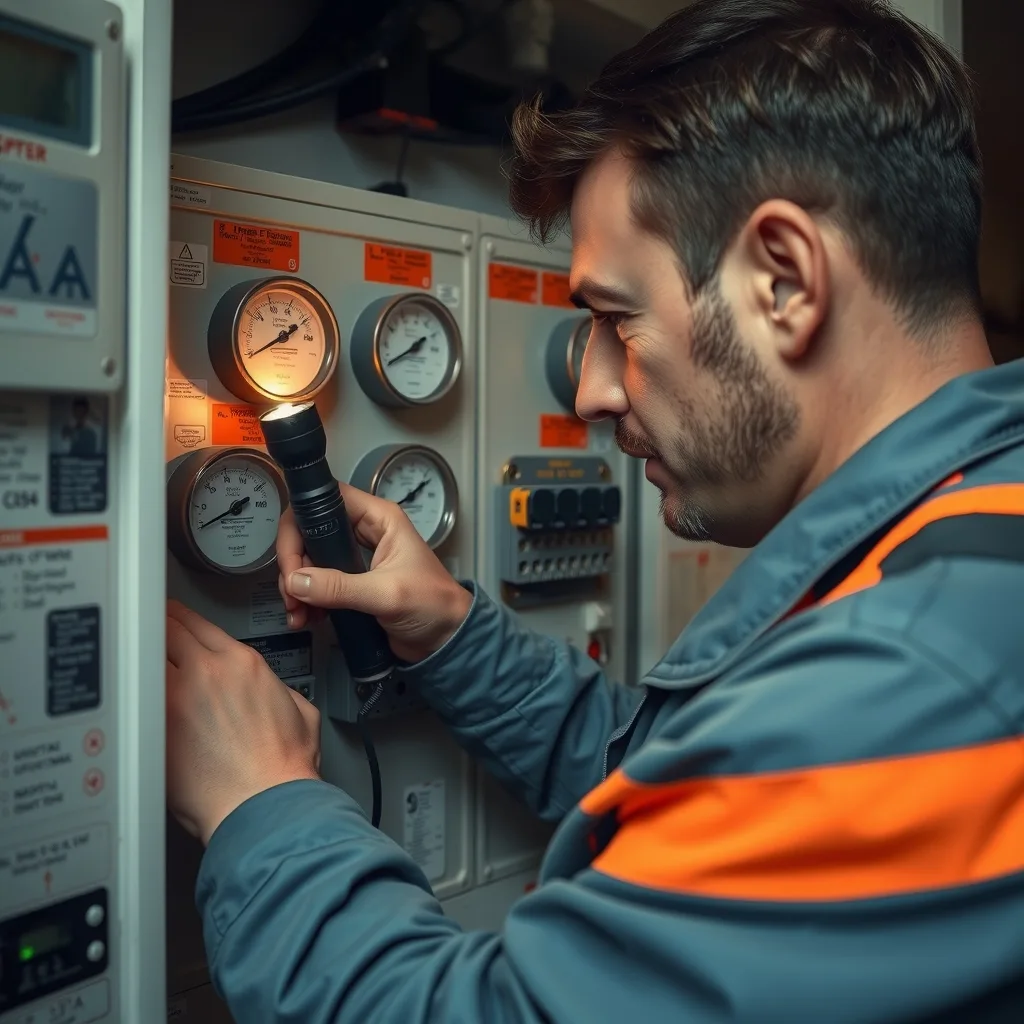
Putting generation against that load is a configuration and metering question before it’s an install question. On a detached house you’ve got one roof, one switchboard, one account. On a 150-lot building you’ve got a shared array, a split of output across lots, and now a carved-out common property share that has to be measured and credited properly.
Get that wrong and the problem doesn’t show up on commissioning day. It shows up in a committee meeting six months later when somebody’s quarterly bill doesn’t match what the sales sheet promised.
What it means for installers
Solar PV work stays accredited work. An installation has to be performed by an accredited installer for the owner to claim federal small-scale certificates, and the fixed electrical side is licensed-electrician territory in every state and territory, no exceptions.
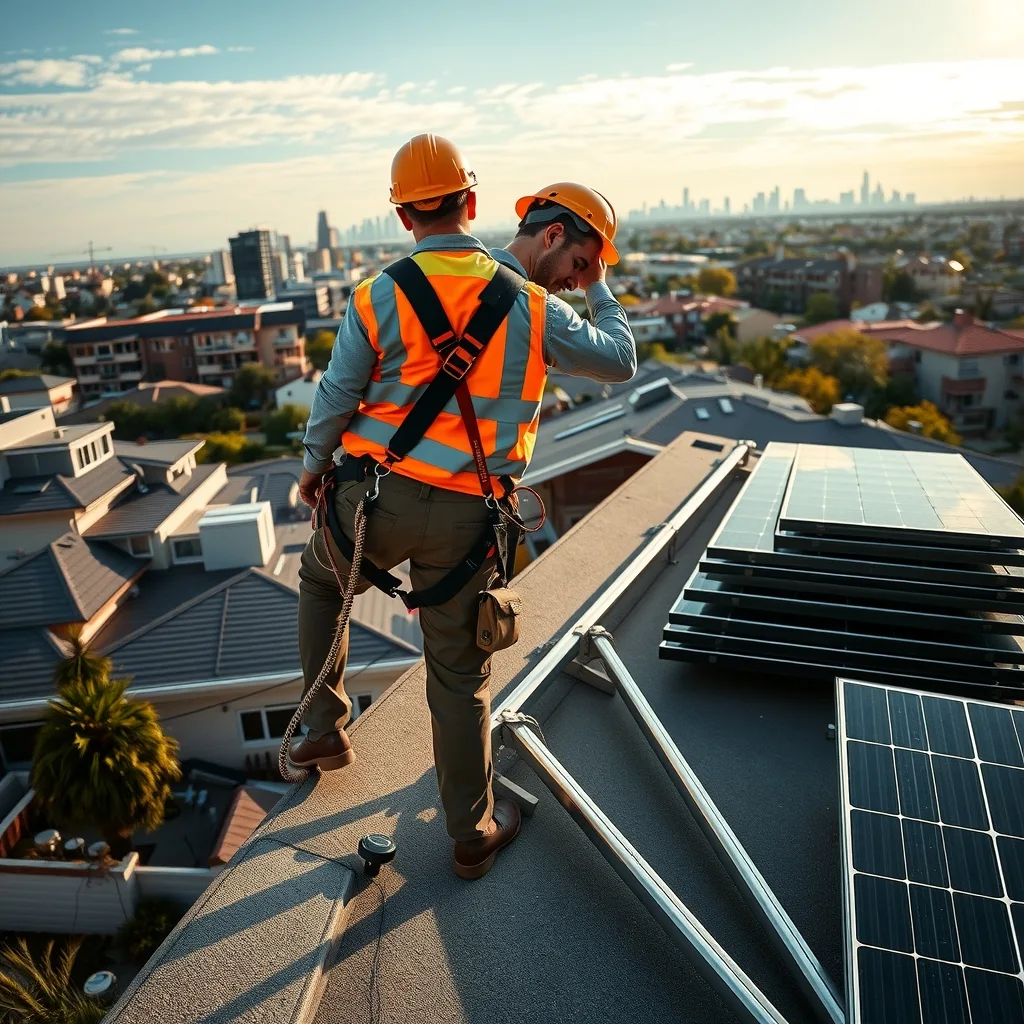
The timing is the useful bit. Applications are open until June 2027, which puts a funded pipeline across two financial years rather than a single rebate rush. For a small solar outfit deciding whether to put on another leading hand or a first-year, that’s a longer runway than most state solar rebate schemes offer. For anyone currently living off detached rooftop work, multi-residential is a different beast: height access, roof penetration approvals on a strata title, cable runs down risers, and a client that votes.
Federal Assistant Minister for Climate Change and Energy Josh Wilson pointed to what’s coming after this round.
“Where you live shouldn’t determine whether you can benefit from solar. Through our partnership with Victoria, we’re helping more apartment residents access rooftop solar today while working together on reforms to safely unlock balcony solar and plug-in batteries for the future,” he said.
What to watch
Plug-in solar and plug-in batteries are the live policy thread here. The Commonwealth is working with Victoria and other states and territories on measures to safely enable them, which would open a product category that barely exists in Australian apartments right now. Nothing has changed on that front yet, and no rules have been published.
For the immediate work, the detail that decides whether a building qualifies sits in the program guidelines, not the press release. Solar Victoria runs the scheme and publishes the eligibility rules at solar.vic.gov.au. If you’re quoting a strata job on the back of this announcement, read the current guidelines before you tell an owners corporation what they’ll get back.
Frequently asked questions
How much does Victoria’s Solar for Apartments rebate pay?
Up to $2,800 per apartment and $140,000 per building, covering an average of 76 per cent of installation costs, according to Electrical Connection.
Which buildings are now eligible?
Buildings of up to 150 lots, up from the previous 50-lot cap, with the median property value test removed, so apartments, units and townhouses are no longer knocked back on their suburb’s valuation.
When does the Solar for Apartments scheme close?
Applications remain open until June 2027.
Can solar power common areas like lifts and lobbies?
Yes. Owners corporations can now allocate up to 20 per cent of a shared system’s output to common property such as lift motors, lobby and stairwell lighting, carpark ventilation and basement pumps.
Sourced from Electrical Connection. Original article.