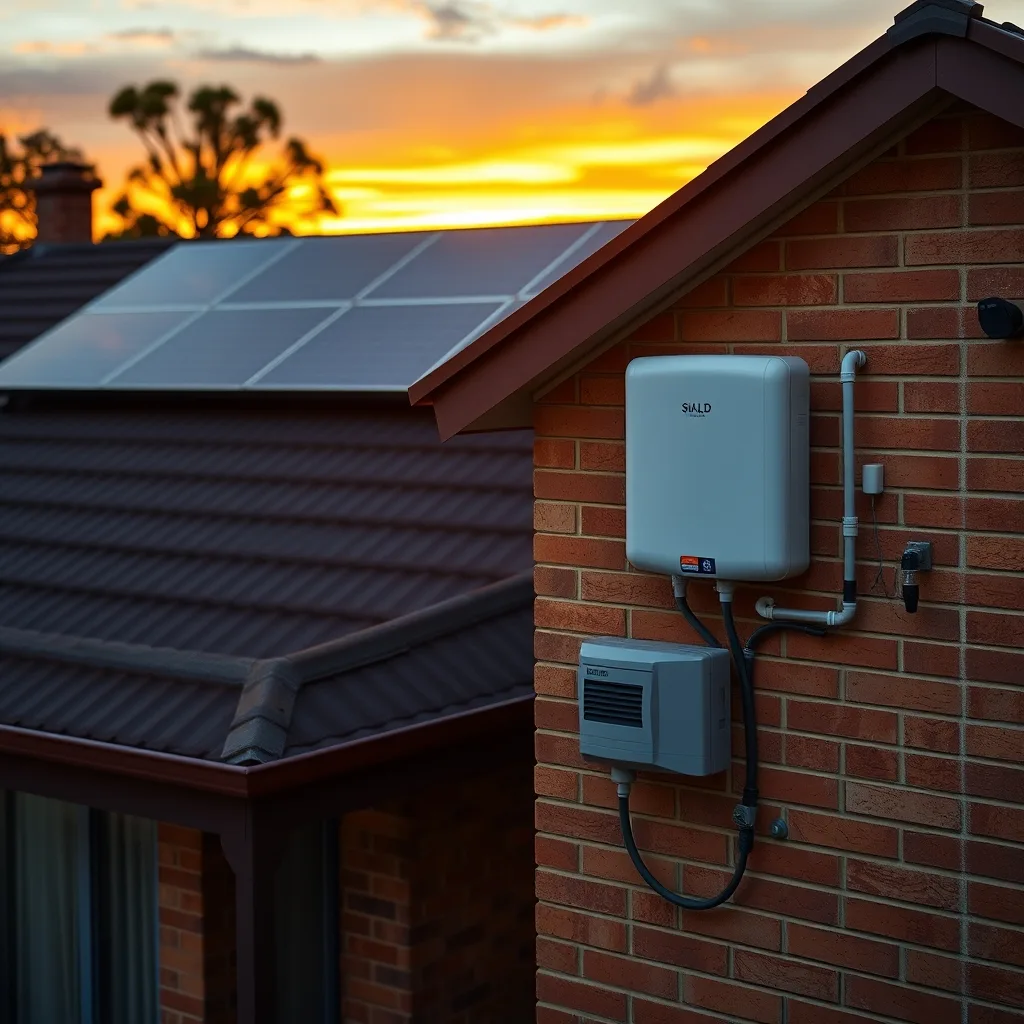

Most Australian households with a solar battery are leaving money on the table. The competition watchdog has found fewer than a quarter of people installing batteries under the federal government’s $7.2 billion subsidy scheme are signing up to virtual power plants (VPPs), despite the schemes delivering better savings.
The Australian Competition and Consumer Commission reported the finding as part of its scrutiny of the battery rollout, according to ABC News. ACCC deputy commissioner Anna Brakey said battery owners who join a VPP save roughly 60 per cent on power costs compared with regular customers. Those running a battery purely for their own use still save 20 to 50 per cent depending on their state. The gap is real, but households aren’t biting.
The core problem is trust. In a VPP arrangement, a household hands partial control of its battery to an energy company, which then trades that stored power on the grid. Yolande Strengers from the Monash Energy Institute said many people go solar and battery specifically to gain energy independence, so handing that control back to a corporate middleman cuts against the whole point. “For many people it’s also about wanting greater independence and resilience in the energy system and wanting to take back control,” Professor Strengers said.
The stakes extend well beyond individual bills. Australia now has more than four million homes with rooftop solar and almost half a million with a battery attached. Professor Strengers said that storage capacity, if properly coordinated, could reduce the need for billions of dollars in grid upgrades and help flatten demand spikes that push up costs for households that can’t afford solar at all. Without coordination, that potential just sits idle.
A newer option is emerging for households willing to go further. Simon Hackett, who runs Energy Autopilot, said his platform will let customers sell directly into the wholesale electricity market rather than through a VPP operator, cutting out the middleman entirely. He argued that as battery technology improves and costs fall, households have the tools to trade like a small power station. Dynamic retail plans that pass through spot prices already exist, though they carry real risk: wholesale prices can swing sharply, and a household on the wrong side of that volatility could pay more, not less. Choosing the right battery hardware matters too; our Tesla Powerwall vs Sungrow vs Enphase guide breaks down which systems support VPP and direct-trading arrangements.
For smart-home installers, the low VPP take-up rate shapes every customer conversation. The ACCC’s 60 per cent savings figure gives clients a concrete reason to consider signing up rather than running an isolated home battery. The bigger question is whether governments or regulators will step in to lift participation if the voluntary approach keeps stalling.
Frequently asked questions
How much can I save by joining a virtual power plant?
The ACCC found VPP participants save roughly 60 per cent on power costs compared with regular customers. Battery owners who don’t join a VPP still save 20 to 50 per cent depending on their state.
What does joining a VPP actually involve?
You hand partial control of your home battery to an energy company, which trades your stored power on the grid on your behalf. You still use the battery, but the operator can draw on it during peak demand periods.
Is there an alternative to VPPs for selling battery power?
Yes. Platforms such as Energy Autopilot aim to let households sell power directly into the wholesale electricity market without going through a VPP operator. Wholesale prices can swing sharply though, so there’s more risk involved.
Sourced from ABC News, ACCC, Monash Energy Institute. Original article.