
Fastener supplier Hobson Engineering has detailed a bolt range built for steel connections where a crew can only get to one face of the member, fixing into square, rectangular and circular hollow sections without anyone having to reach a nut on the blind side. The company’s lead engineer, Gavin McPherson, says the HBS-Bolt is installed from the accessible face, with an internal cone expanding a sleeve inside the steel to clamp the plies together.
The product was outlined in Inside Construction. Every claim about performance in this article comes from Hobson Engineering’s own engineer as reported by that outlet, so treat it as the supplier’s position rather than independent testing.
“Its primary application is for connections where access may only be permissible from one side of the connection or for fixing into hollow members,” McPherson says.
Why the blind side costs money on site
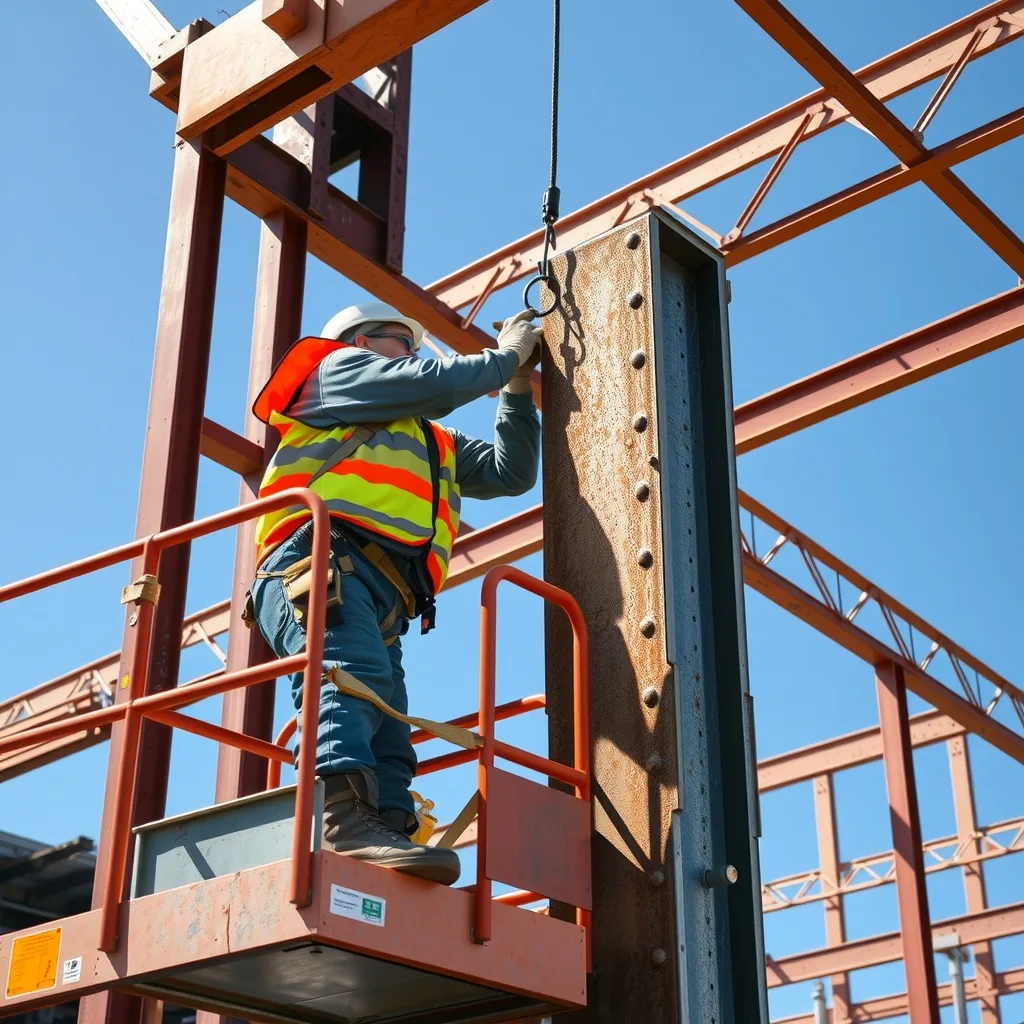
Anyone who’s fixed a bracket to an SHS column knows the problem. The member is closed, so there’s nowhere to hold or restrain a nut behind the plate. Surrounding steelwork can do the same thing to an open section, boxing in the reverse face so a spanner won’t fit.
The usual ways around it all carry a cost. Through-bolting means getting a second set of hands to the back of the connection, which can mean more access gear and more time. Welding brings in a specialist, the gear that goes with them, hot-work controls, and then touch-up of the coating burnt off around the weld. Cutting an access hole into the member changes how it looks and, as the source notes, may affect its capacity.
Hot work is also the first thing to get pulled on a live site. Where a permit can’t be issued, welding stops being an option at all, and Safe Work Australia material on hot work controls is the baseline every principal contractor builds its permit system on.
McPherson puts the mechanism in plain terms.
“Think of it as an expanding anchor for steelwork,” he says. “Once the HBS-Bolt is inserted into the steel and tightened, an internal cone piece expands the HBS sleeve within the steelwork, clamping the plies together to provide sufficient restraint.”
What it changes for the crew
The labour argument is the one that matters for a steel erector pricing work. Hobson Engineering’s pitch is that a one-sided fix takes the welder and the reverse-side access out of the job.
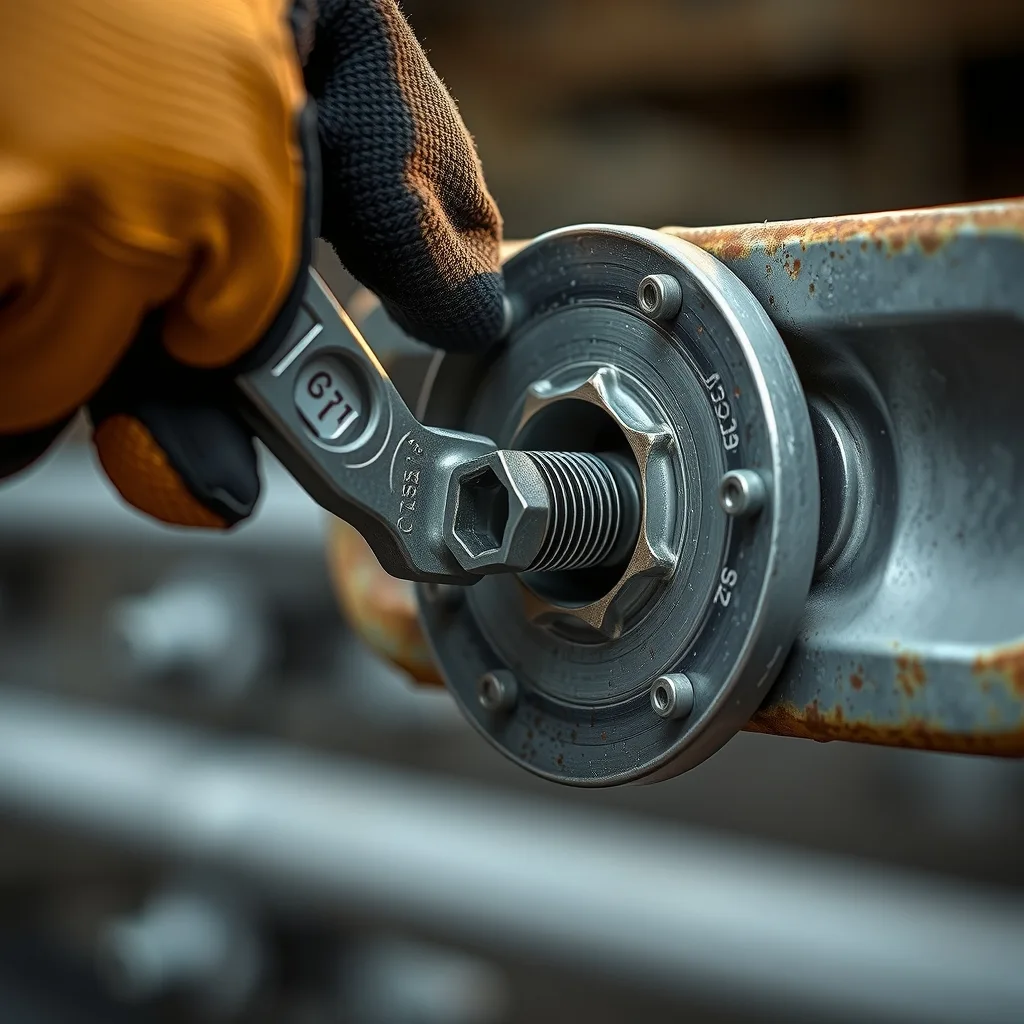
“The use of HBS-Bolts is much quicker and safer than welding on site,” McPherson says.
“Installation can be performed by a competent labourer, which means specialist trades such as welders are not required. It can also remove costly access requirements where the other side of the steel would need to be reached for through-bolted connections,” he adds.
The range comes in three or five-part assemblies across a spread of lengths and diameters, with hex, countersunk and flush heads. Hex is the structural default. The flatter heads are there for the jobs where the connection is going to be looked at, think architectural steel, balustrade framing and exposed gantry work, and stainless can be specified where corrosion is in play.
Hobson Engineering lists hollow sections, gantries, bridges, stadiums and transmission towers as target applications, and says the cone’s interlocking grooves are designed to stop the bolt loosening under vibration and fatigue.
The limits the engineer has to sign off
This isn’t a drop-in replacement for every bolt on the job, and the supplier says so itself. McPherson warns the product is not suitable as a substitute for 8.8/TB or TF connections, which need high tensile or clamp loads. Suitability has to be assessed and approved by an appropriate engineer for each project, looking at the whole connection rather than whether the fastener physically fits the gap.
“Correct hole size in the steelwork is critical to the performance of these products. Minimum ply thicknesses and grip range are also important factors to consider when designing the connection,” McPherson says.
He also flags the trap of reading a capacity table and stopping there.
“Engineers should be mindful that the capacity data provided for HBS-Bolts relates to the product itself, and that the local strength of the steelwork should be considered when designing the connection.”
Then there’s the torque. “Ensuring the correct installation torque is used is most important,” McPherson says. “This ensures the product is set correctly without overstressing the components.”
A competent labourer can wind it up, in other words, but only against a number somebody has specified and somebody is checking.
Paperwork to ask for
Hobson Engineering says it designed and tested the HBS-Bolt range to the requirements of European Assessment Document EAD330001-00-0602 and verifies each batch in its own fastener testing laboratory, which is accredited by the National Association of Testing Authorities, Inside Construction reported. The company’s quality management system is ISO 9001-certified.
European equivalents may carry a European Technical Assessment, but the article notes ETA approval isn’t required for steel connections in Australia.
If you’re the one fixing it, the practical ask is the trace number on the product label, which Hobson Engineering says pulls up the certificates and documentation through its website. Batch test reports are available free of charge.
For a foreman, the useful question before the steel goes up is whether the blind connections were designed as blind connections, or whether the detail assumes someone will find a way to the back face on the day. Sorting that at shop drawing stage is cheaper than sorting it from an EWP with a hot work permit that nobody can get signed.
Frequently asked questions
Can the HBS-Bolt replace all structural bolts?
No. Lead engineer Gavin McPherson says it’s not a substitute for 8.8/TB or TF connections that need high tensile or clamp loads, and an appropriate engineer has to approve its use on each connection.
Who can install an HBS-Bolt?
Hobson Engineering says a competent labourer can install it rather than a specialist welder, though correct hole size and installation torque still have to be set and checked.
Is the HBS-Bolt independently tested?
The performance claims in this article all come from Hobson Engineering’s own engineer via Inside Construction. The company says it designed and tested the range to European Assessment Document EAD330001-00-0602 and verifies batches in its own NATA-accredited lab, but no independent testing is cited.
Sourced from Inside Construction. Original article.