
Homeowners in Ingham, in north Queensland’s Hinchinbrook Shire, are being quoted as much as $28,000 a year for house insurance or dropped by their insurer altogether. It’s nearly two years after the February 2025 floods that the Insurance Council of Australia says generated $327 million in insured losses.
The ABC North Qld report found policy holders who claimed after the flood have since received non-renewal notices, while others who stayed insured have copped premium rises of more than 70 per cent in a single year. Another wet season is already bearing down on the region.
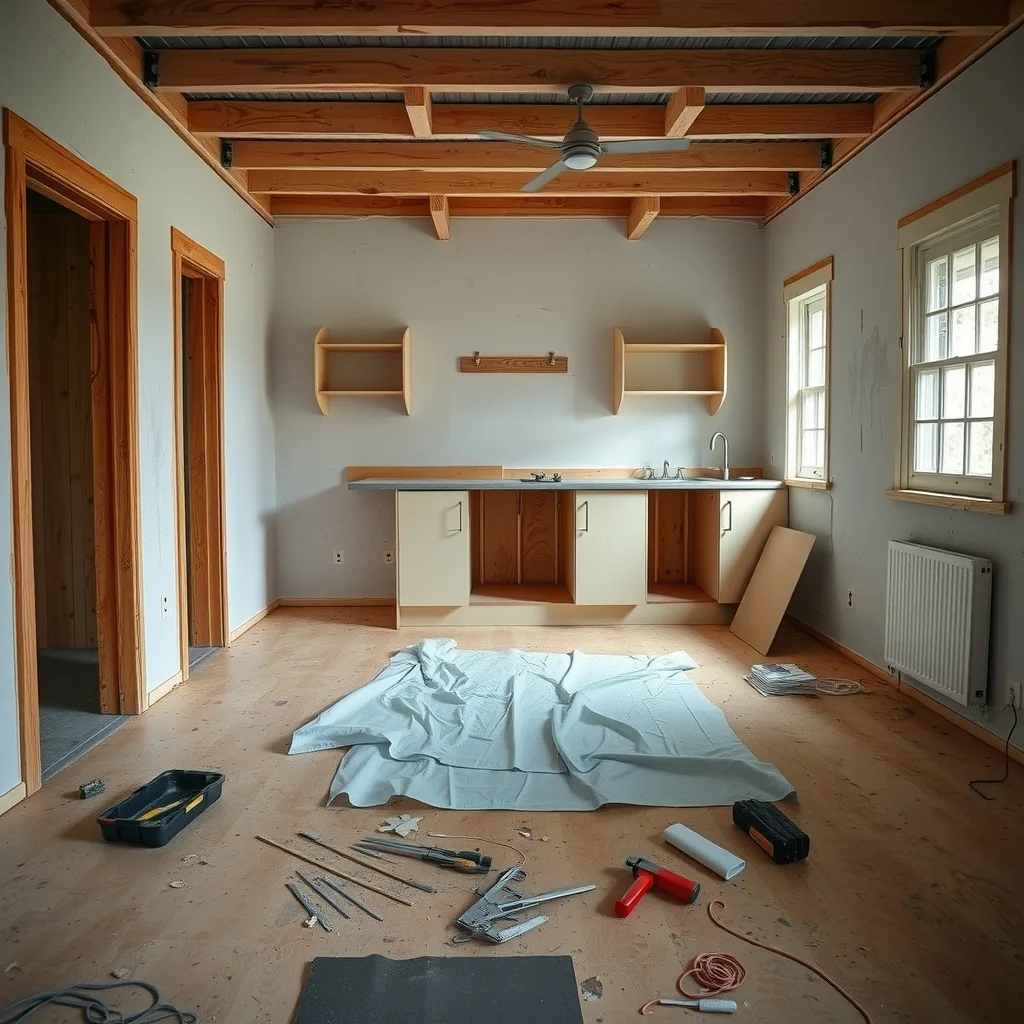
Michelle Yates, who owns a farmhouse on acreage near Ingham, still hasn’t finished rebuilding her kitchen or replaced the water-damaged floors. A 15-month payout negotiation with her insurer and a shortage of trades in the shire both dragged the job out.
“We have no insurance,” Ms Yates said.
“Sure Insurance cancelled our policy altogether because we were flooded.”
She’s still hunting for something affordable.
“We’ve looked into insurance and one company want $28,000 for the year and I don’t know how that is possible,” she said.
The non-renewal letters landing in flood-claim letterboxes
Ms Yates isn’t alone. The ABC viewed 2026 non-renewal notices sent by Sure Insurance to policy holders flooded in the 2025 event, stating the insurer had changed its underwriting guidelines and would not offer cover where a property had made a flood claim in the past five years or faced damage in a one-in-20-year flood.
A spokesperson for Sure Insurance told the ABC it provided cover to one in four insured Ingham properties and reviewed its underwriting guidelines regularly, “To determine our ability to provide ongoing cover at a price that is fair,” they said.
Ingham-based insurance broker Kieran Volpe said some providers had stopped offering cover on high-risk properties while others had simply “priced themselves out”.
“We are seeing, quite commonly, quotes coming in at $10,000, $15,000 or even $20,000 in those high-risk flood areas,” Mr Volpe said.
“People just can’t afford it, so people are going without.”
A 72 per cent rise that was “at the cheaper end”
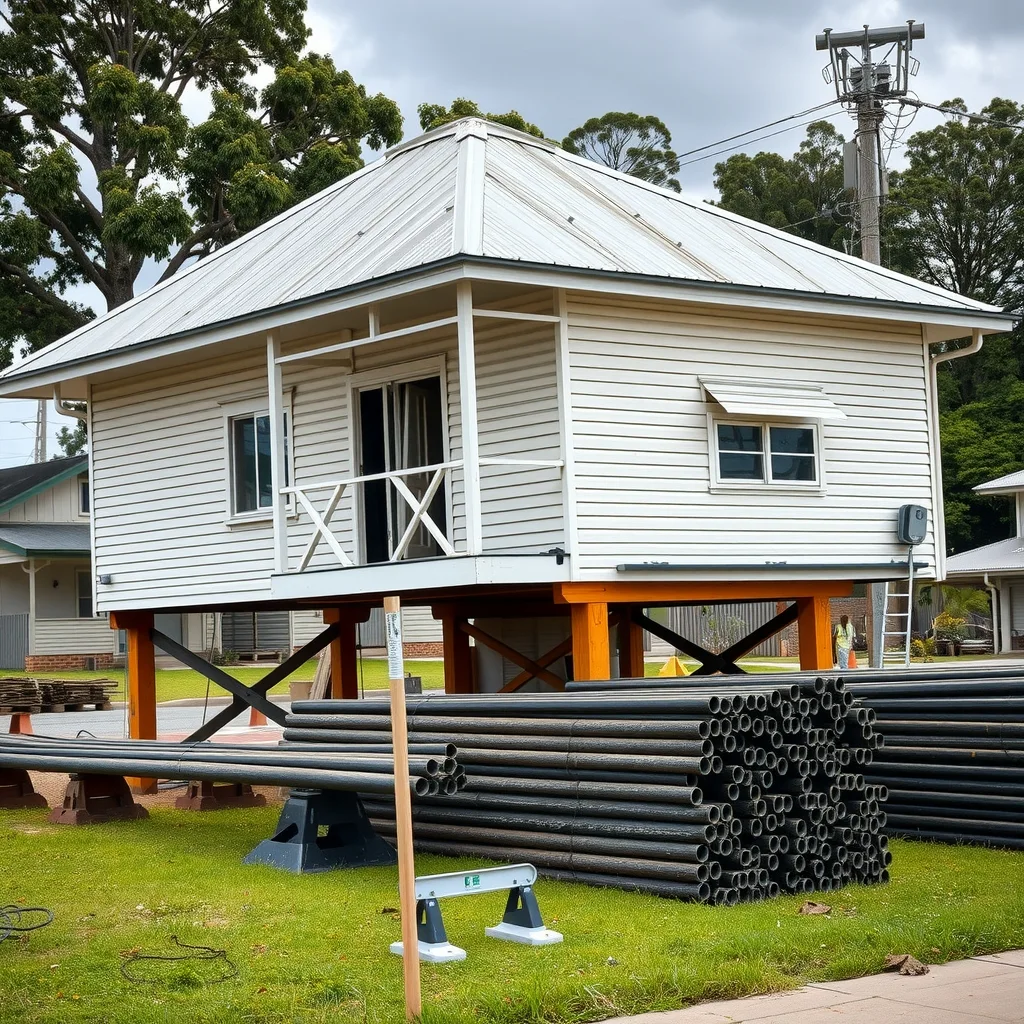
Matthew Porter bought in Ingham after the 2025 floods, knowing the lower, unoccupied level of the house had taken superficial flood damage. When his Allianz policy came up for renewal this year, the premium rose 72 per cent.
“We thought that was quite expensive and there would be something cheaper,” Mr Porter said.
“To our shock it was at the cheaper end.”
He stayed with the policy, but called the increase ridiculous.
A spokesperson for Allianz told the ABC the frequency and severity of weather events in Ingham had increased in recent years, and so had the cost of claims.
“Premiums must reflect the genuine cost of insuring a property against these risks to ensure we can continue to pay claims when customers need us most,” they said.
The Insurance Council of Australia said people hit with a non-renewal or a big hike should ask for an explanation, shop around or talk to a broker.
“Insurance remains available in Ingham, but in areas exposed to repeated, severe flooding premiums will reflect that risk,” a council spokesperson said.
“The most effective way to bring them down is to reduce the underlying risk, that requires greater investment in flood defences, house raising and more resilient homes.”
Why this shows up on a builder’s order book
Flood repair work runs on claim money. The assessor settles a scope, the money lands, and only then does a builder strip out wet plasterboard and insulation, pull up saturated flooring and skirting, dry the frame, and start putting cabinetry, sheeting and floor coverings back in. Any damaged fixed wiring has to go back in under a licensed electrician, a job that’s never DIY anywhere in Australia.
When the policy disappears, that sequence doesn’t just stall, it shrinks. An uninsured owner pays for the lot themselves, so the job gets staged over years and cut back to what’s affordable this quarter. Ms Yates’ unfinished kitchen and unreplaced floors are what that looks like on site, nearly two years on.
The long claim negotiations hurt from the other direction. A 15-month argument over a payout is 15 months where a chippy can’t lock a start date, can’t order cabinetry, and watches a quote go stale. The Insurance Council itself says trades shortages and steep cost increases have delayed the recovery, and that it remains involved in individual claims discussions from the 2025 event.
There’s work in the council’s own prescription, too. House raising and resilient rebuilds mean jacking, new stumps or posts, rebuilt stairs and landings, and services reconnected afterwards. That’s structural building work for licensed contractors, and in Queensland the QBCC is where homeowners check a builder’s licence before they sign. None of it happens without someone funding it.
Council says the market has failed
Hinchinbrook Shire Council has released results from a community insurance survey of 305 respondents. Most households in the shire still hold some form of cover, the council said, but underinsurance is a local problem: 77 per cent of respondents reported struggling to afford their premiums.
“We are concerned about the high cost of premiums,” Mayor Ramon Jayo said.
“It is something that we are asking governments to look at closely.
“There obviously has been market failure.”
“There obviously has been market failure.”
For anyone holding a tool in Hinchinbrook, the number to watch this wet season isn’t the rainfall total. It’s how many damaged houses come with a claim behind them. A funded scope means a full strip-out and refit and a run of work through the dry. A street full of uninsured owners means cash jobs, partial repairs, and a rebuild that stretches out past the next flood.
Frequently asked questions
Why are insurance premiums rising so much in Ingham?
Insurers including Allianz say the frequency and severity of weather events in Ingham has increased, driving up the cost of claims, which premiums are set to reflect. Some insurers, like Sure Insurance, have also stopped offering cover to properties that made a flood claim in the past five years or that sit in a one-in-20-year flood zone.
What should Ingham homeowners do if their insurance is non-renewed or hiked?
The Insurance Council of Australia recommends asking the insurer for an explanation, shopping around for other cover, or talking to a broker. It says insurance remains available in Ingham but premiums will reflect flood risk in repeatedly affected areas.
How many Ingham households are struggling with insurance costs?
A Hinchinbrook Shire Council survey of 305 respondents found 77 per cent reported struggling to afford their premiums, though most households still hold some form of cover.
Sourced from ABC News. Original article.