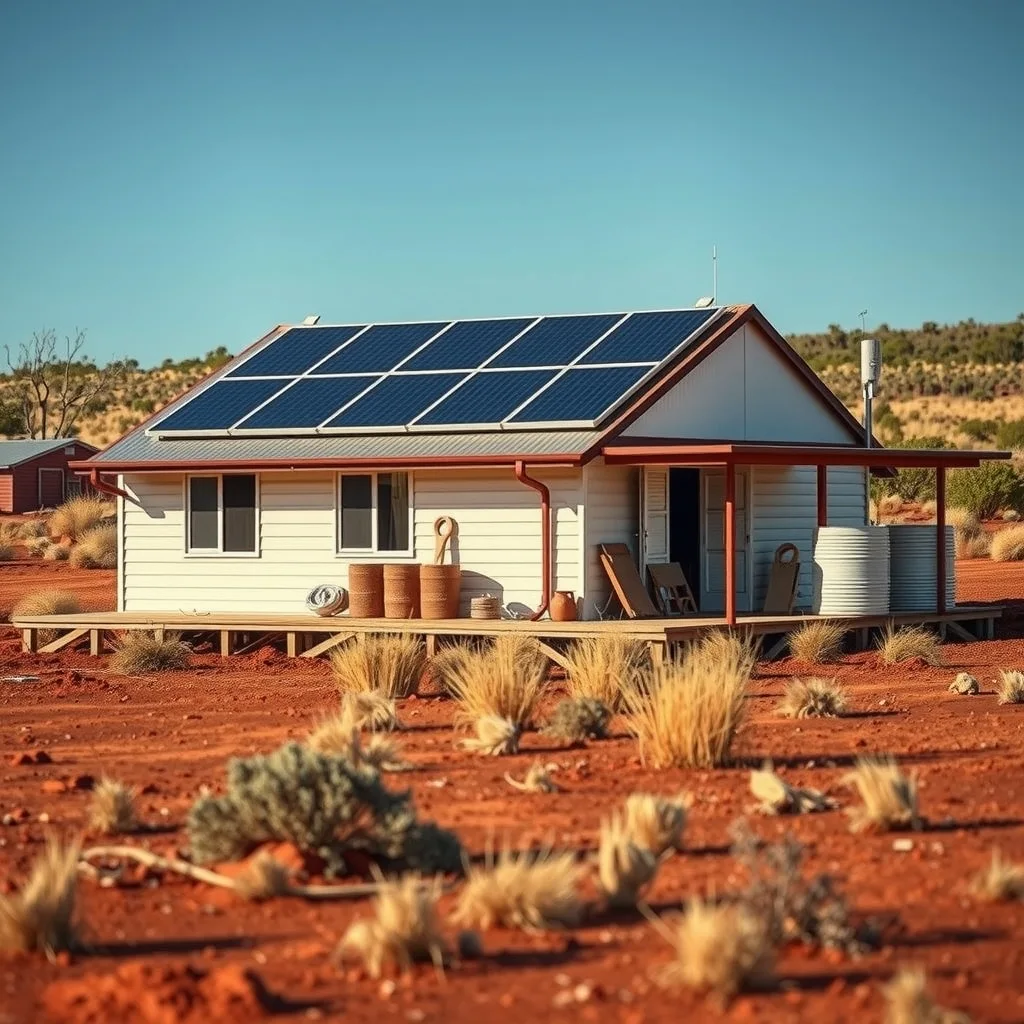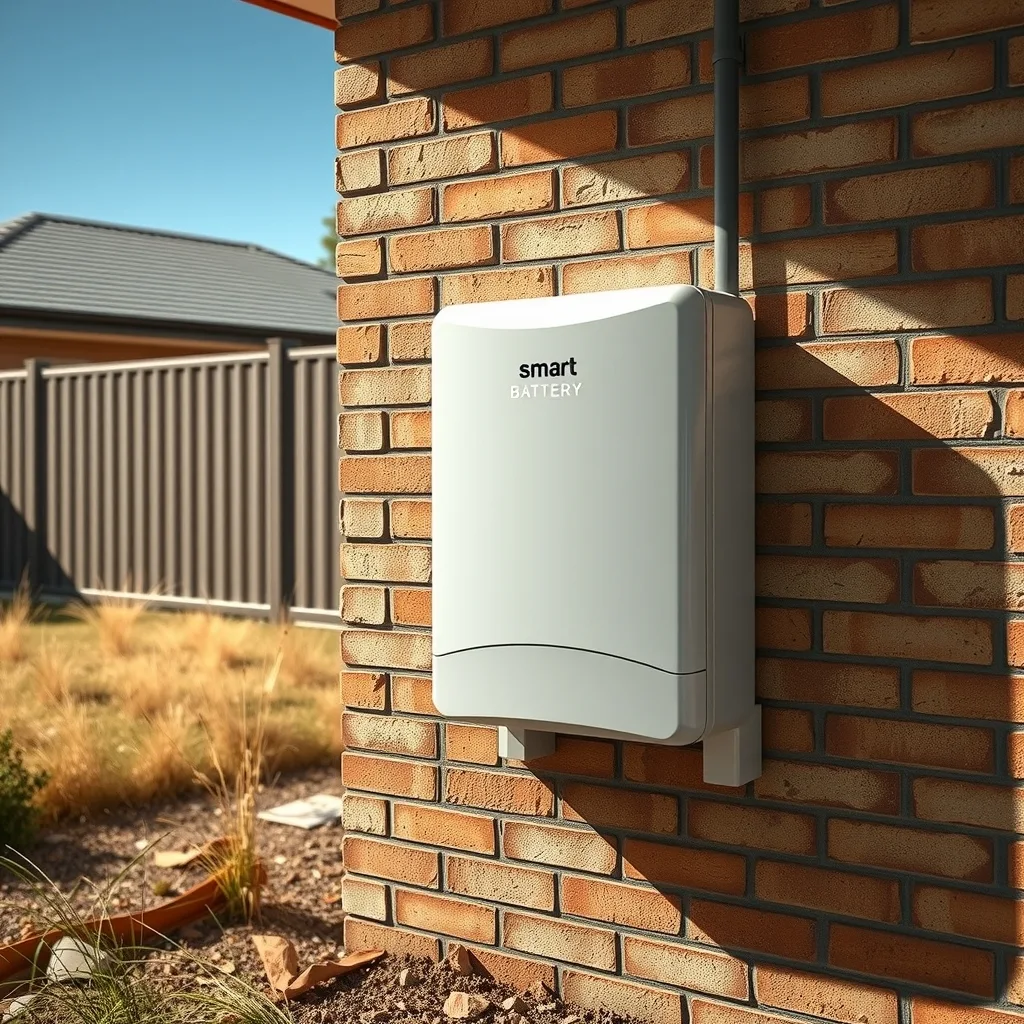

Home battery datasheets, and most of the warranty assumptions behind them, are built on tests run at or near 25°C. Plenty of Australian batteries never see 25°C in summer. Bolted to a garage wall in Brisbane, Darwin, Perth or western Sydney, the air around a battery can push past 40°C on a hot afternoon, and the cells run hotter again while they work. Heat speeds up the chemistry that quietly eats capacity, which means two identical units sold under identical warranties will not age the same way.
That’s the argument in an analysis published by Energy Magazine, written by Anis ur Rehman, a PhD researcher at Griffith University working on a RACE for 2030 industrial project under the Cooperative Research Centres program. His point isn’t that hot batteries are dangerous. It’s that the slow damage happens well inside the range everybody treats as safe.
Full battery, hot garage, worst case
The ageing problem comes down to temperature plus state of charge together, not temperature alone.
“A battery sitting at 100 per cent in a hot garage, waiting for evening, is close to the worst case for calendar ageing,” Rehman wrote. That’s exactly how a lot of home systems spend summer: rooftop solar fills the battery by late morning, and it waits at full charge right through the hottest part of the day.
As a rough guide, he notes a common rule of thumb that calendar ageing “roughly doubles for every 10°C rise, though the true figure depends on the chemistry”. The exact multiplier matters less than the direction of travel.
The battery management system isn’t the backstop people assume, either. It will cut power or stop charging if things get genuinely hot, Rehman wrote, but “it is not designed to prevent the slow damage that accumulates inside the safe operating range”.
Free power, delivered at the hottest hour
This summer adds a wrinkle. Since 1 July, Energy Magazine reports, retailers in NSW, south-east Queensland and South Australia have been required under the Solar Sharer Offer to give participating households three hours of free grid electricity in the middle of the day.
The window runs 11am to 2pm. Households are being told, reasonably enough, to fill the battery while the power is free. That means a fast charge to 100 per cent, finishing right as the afternoon peaks.
Rehman’s suggested fix is a software one: charge to a sensible level in the free window and top up from solar later in the afternoon, instead of reaching full by 2pm and sitting idle. “The household would forgo a little free energy and gain battery life in return,” he wrote.
For an installer, that’s a handover conversation, not a hardware change. If the product lets the owner set a charge ceiling in the app, that setting is now worth five minutes of explanation at commissioning.
Same brochure in Hobart and Townsville
The warranty side is where this gets expensive for whoever gets the callback.
“A buyer in Hobart and a buyer in Townsville can purchase the same battery, with the same warranty and the same expected life printed on the brochure.”
Rehman wrote that, and the point behind it is simple: their batteries won’t age the same way.
Some warranties specify an operating temperature range, which means “a battery installed in a hot spot may be outside cover without the owner knowing”. It’s a detail buyers comparing options like those in our Tesla Powerwall vs Sungrow vs Enphase guide rarely see on a spec sheet.

Others apply the same terms everywhere, and in that case, Rehman argues, the manufacturer is quietly carrying extra risk in hot regions, “a cost that sooner or later surfaces in prices or in claim disputes”.
Guess who’s standing in the kitchen when a claim gets knocked back in year six. It won’t be the manufacturer.
What it changes on the install
None of this requires new gear. It changes where the thing goes and what you write down.
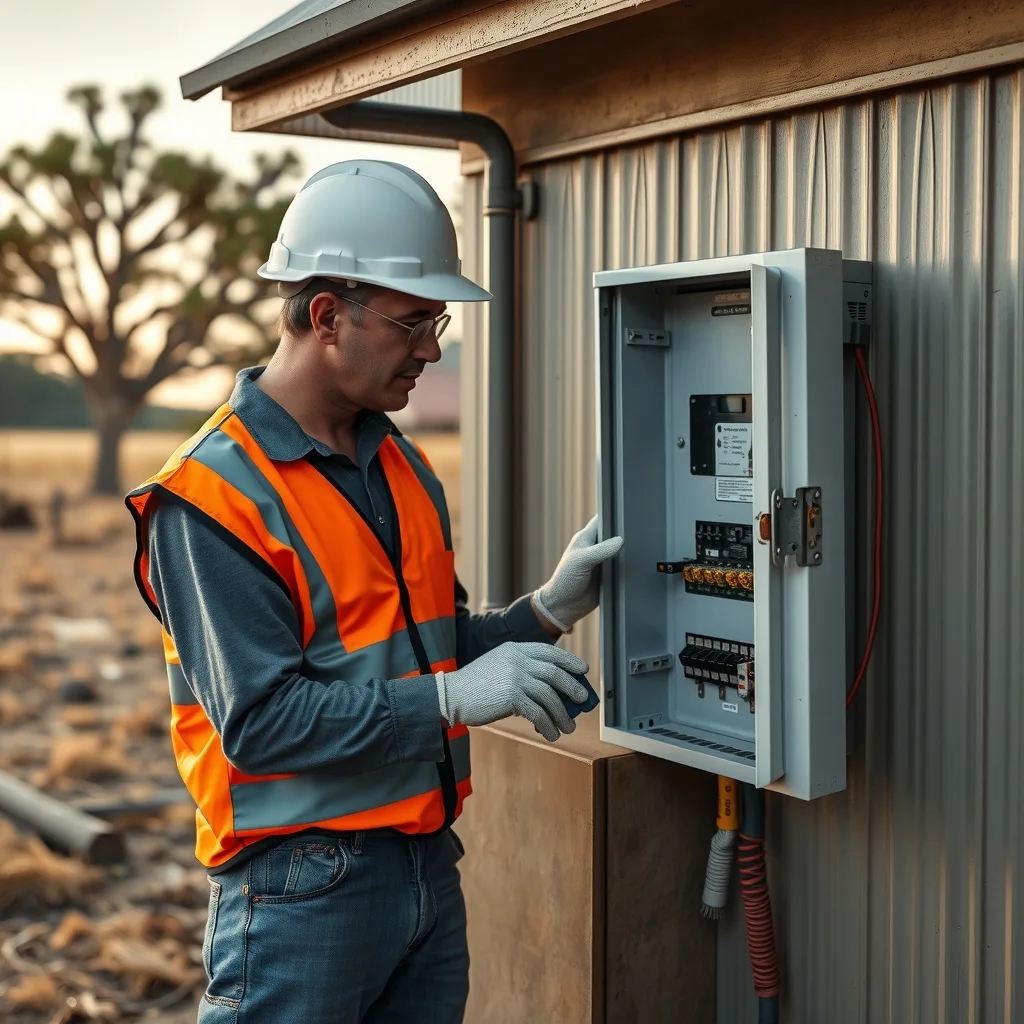
Siting is the cheap lever. “Shade, airflow and distance from other heat sources cost very little at installation and can add years of useful life,” Rehman wrote. A west-facing wall that takes full afternoon sun, an unventilated colorbond garage, or a spot tucked in beside a hard-working inverter are all decisions made in about thirty seconds on a site visit and then locked in for a decade. Homeowners sourcing a new system can get quotes from local electricians and ask directly about siting before the unit goes on the wall.
The gap he points to is in the process itself: “Installation checks currently focus on safety limits and stop there.” Compliance asks whether the install is safe. It doesn’t ask whether the battery will still be holding its rated capacity when the owner expects it to.
There’s a volume argument underneath all of this. More than half a million batteries have been installed under the Cheaper Home Batteries Program since July 2025, Energy Magazine reported in November 2026. Every one of those is a future service visit, a future app login, and in some cases a future warranty argument about where the unit was mounted. Installers who photograph the location, note the shading and record the manufacturer’s stated operating temperature range in the handover pack are the ones with a file to point at.
Worth remembering the licensing side too: solar PV and battery installations have to be done by an accredited installer for the owner to claim federal small-scale certificates, administered through the Clean Energy Regulator. Accreditation is what puts your name on that install for its whole life.
What to watch
Rehman wants the testing changed at the source: “Datasheets should report ageing results at 35°C and 45°C as well as 25°C.” Until a manufacturer actually publishes those curves, nobody quoting a battery into a Townsville carport is comparing products on numbers that mean anything locally.
The practical thing for this summer is smaller. Ask the customer where they want it, then tell them where it should go, and explain why the app’s charge limit exists. That conversation costs nothing on the day and saves the callback in 2032.
Frequently asked questions
Does heat void a home battery’s warranty?
Not automatically, but researcher Anis ur Rehman says batteries with a specified operating temperature range can fall outside cover in hot locations without the owner knowing. Manufacturers that apply the same warranty everywhere are, in effect, carrying extra risk in hot regions.
Is it bad to charge a home battery to 100% during the Solar Sharer Offer’s free hours?
Rehman says a battery sitting at full charge in a hot garage through the afternoon is close to the worst case for calendar ageing. He suggests charging to a sensible level in the free window and topping up from solar later instead.
Where should a home battery be installed to limit heat damage?
Rehman recommends prioritising shade, airflow and distance from other heat sources, avoiding west-facing walls, unventilated garages, or spots next to a hard-working inverter.
Do battery datasheets show how a battery performs in Australian heat?
Most are rated only at 25°C. Rehman argues datasheets should also report ageing results at 35°C and 45°C so buyers in hot regions can compare products meaningfully.
Sourced from Energy Magazine. Original article.