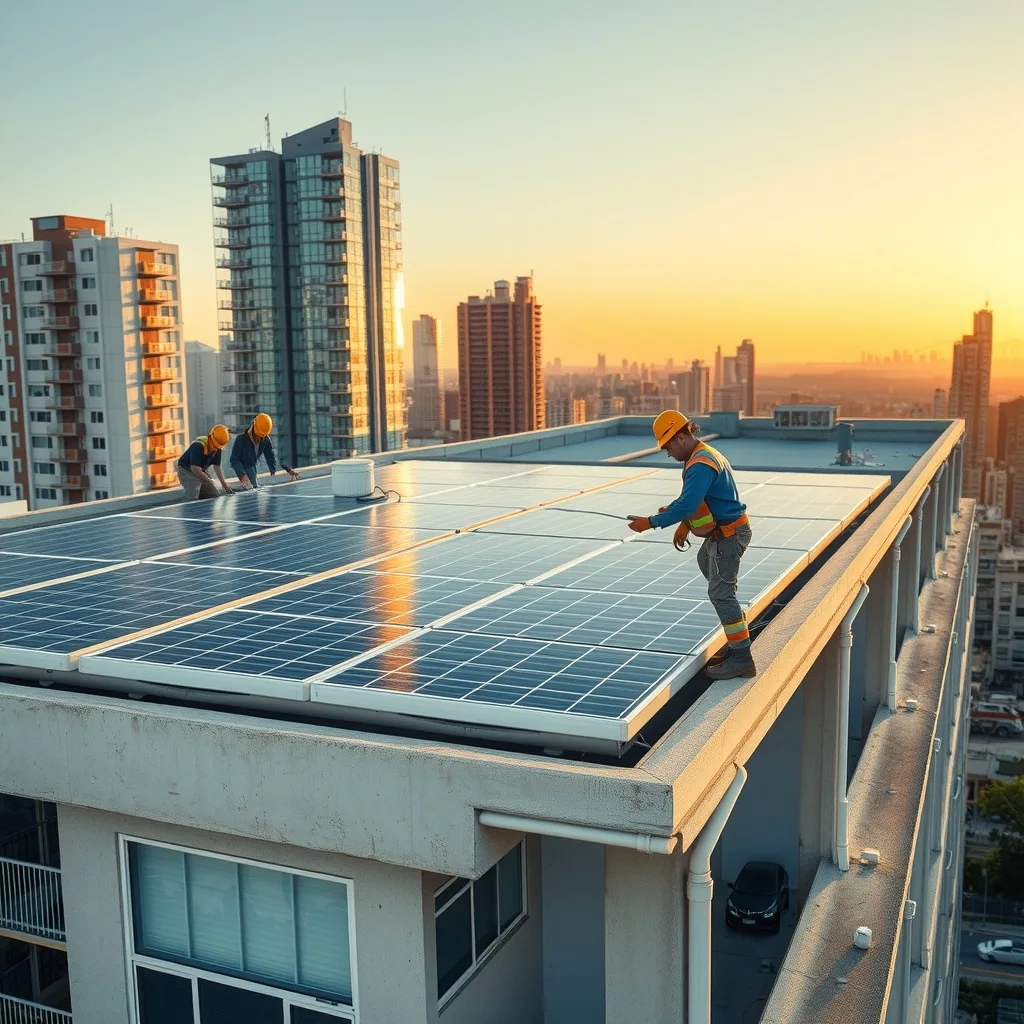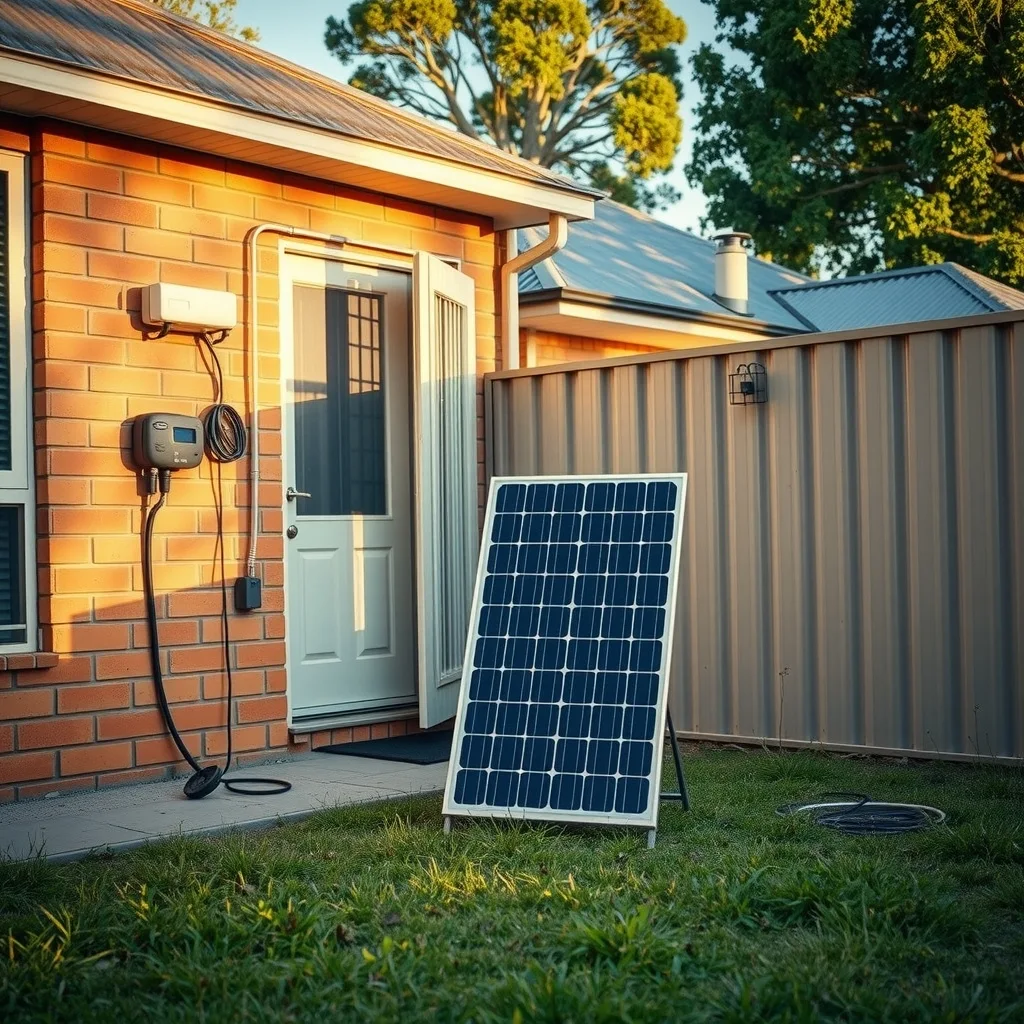

Australia’s energy ministers agreed on 11 September to explore the safe use of plug-in solar, the portable panels that run off a standard power point and can be paired with a plug-in battery, and two RMIT University researchers say the rollout has to be designed around renters, apartment residents and low-income households or it will miss the people it is meant to help.
Associate Professor Nicola Willand and senior industry fellow Alan Pears set out the argument in The Fifth Estate’s Spinifex opinion column. They write that the Energy and Climate Change Ministerial Council decision has pushed plug-in devices onto the national consumer energy resource agenda, “raising hopes for a rapid and consistent approach across all states and territories”.
That is the pitch: solar and storage for households that can’t put anything on a roof, either because they don’t own it or because they can’t fund a full system.
Most of the upside isn’t on balconies
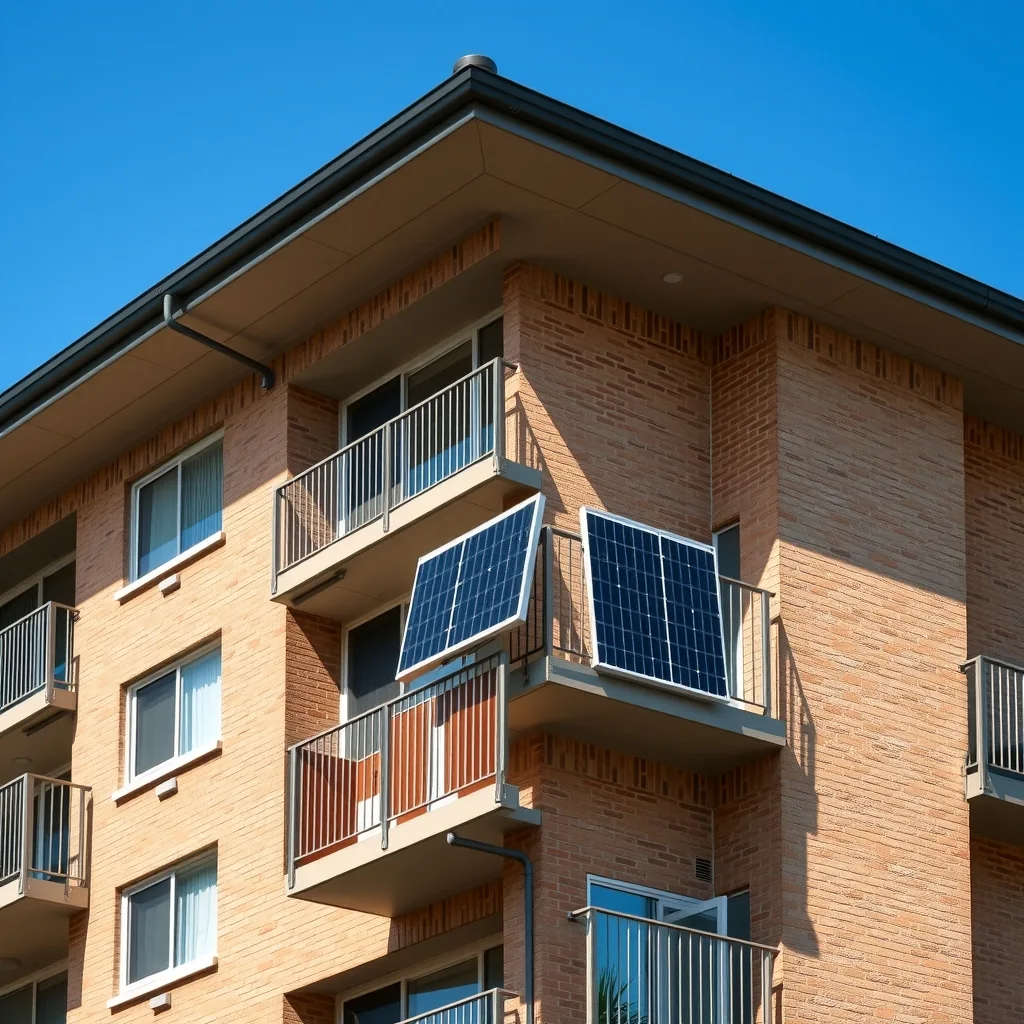
The term balcony solar undersells the market, the two authors argue. About two-thirds of the Australian households that stand to benefit most from plug-in solar live in detached or semi-detached homes rather than apartments, according to scoping work by RMIT’s Nicola Willand and Alan Pears published by The Fifth Estate on 24 September 2026.
Australia may therefore see more “backyard and front yard solar” than balcony solar, they write.
On the money side they’re careful, and deliberately so. “Our scoping work suggested energy cost savings, but these are estimates, not promises,” the pair write, pointing out that returns swing on daytime consumption, orientation, shading, location, system size, tariff and whether the power gets used on the spot or stored.
They also say Australia still lacks the tools to predict how these systems will perform financially in different locations and on different tariffs. For anyone who sells or installs energy gear, that’s the gap: there’s no settled way yet to tell a customer what a kit will actually save them.
Germany’s “Right to Solar” doesn’t transplant cleanly
Policy makers keep pointing to Germany, where well over a million homes have balcony solar and a “Right to Solar” means “landlords and owners corporations cannot unreasonably refuse safe and compliant systems”.
Willand and Pears say the housing context is nothing like ours. Germany’s rental share sits at 53 per cent against 31 per cent in Australia, with a national pro-tenant regulatory framework, a federal retrofit incentive program carrying renter protections, and landlords used to accommodating modifications.
Here, rental law, strata law and solar incentives for renters are all state by state. The column notes that interviews with federal Energy Minister Chris Bowen suggest tenancy and strata law reforms are anticipated.
Model clauses for plug-in solar can be drafted, the authors write, but every state and territory would have to enact them. Then someone has to be willing to use them. “In the current tight rental market, even renters with relatively secure jobs and good incomes may be reluctant to attract their landlord’s attention,” they write.
“In the current tight rental market, even renters with relatively secure jobs and good incomes may be reluctant to attract their landlord’s attention.”
And if it goes bad: “Rental tribunals would need to be adequately resourced and willing to back renters in disputes against their landlords and owners’ corporation committees.”
Where the licensed work sits
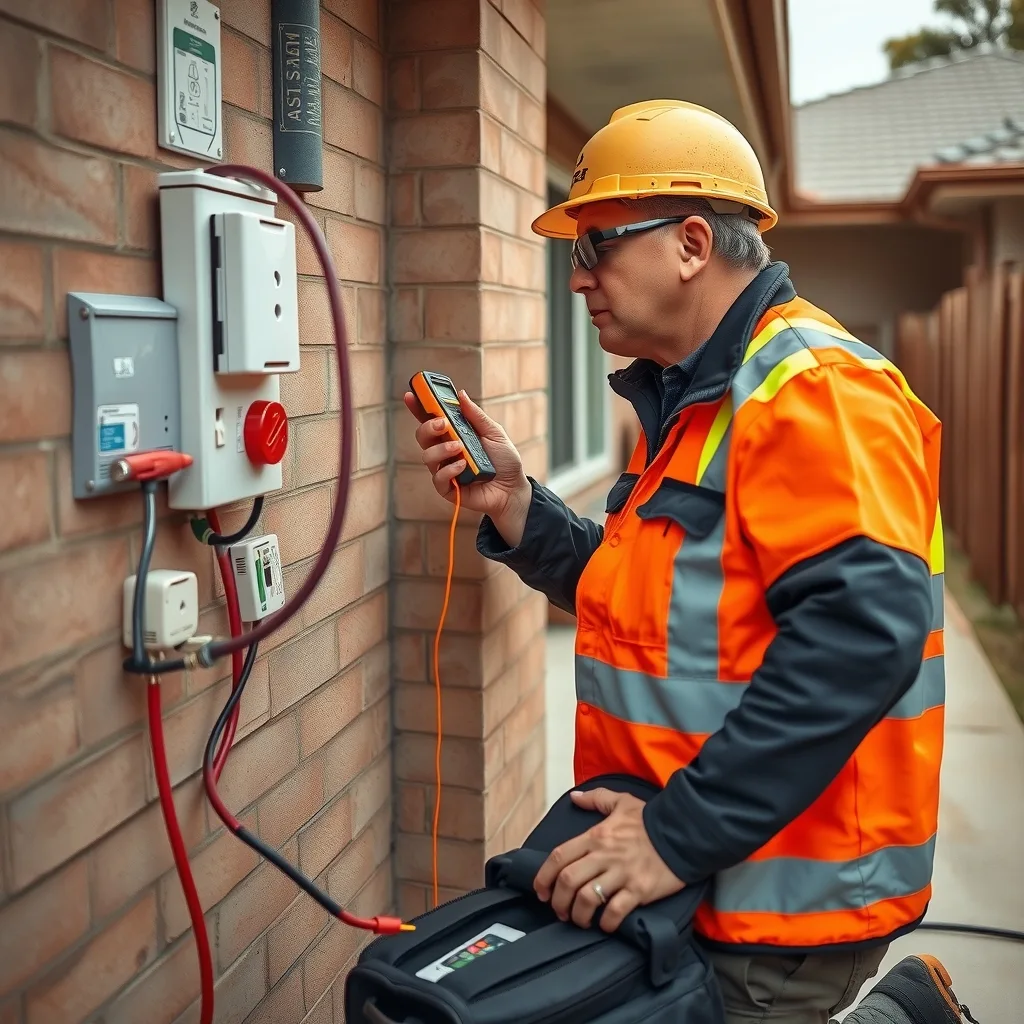
This is a product category that lives right on the line sparkies work to every day. Fixed electrical wiring work requires a licensed electrician in every Australian state and territory, with no exceptions and no DIY carve-out. Plug-in devices sit outside that by design, which is exactly why ministers have gone looking at whether these things can be used safely and what rules should apply.
Nothing has been settled. The council agreed to explore safe use, not to wave the category through, so nobody should be telling a customer a plug-in kit is compliant until the standards and state rules land.
There’s a second commercial wrinkle. Under the federal small-scale scheme, a solar PV or battery system has to go in through an accredited installer for the owner to claim small-scale certificates. An off-the-shelf plug-in unit is a very different transaction from a roof job quoted with certificates knocked off the front end.
The column does flag paid work for the trade, though, and it isn’t installation. “Practical guidance, paid safety checks and hands on workshops could help households use the technology safely and with confidence,” Willand and Pears write, adding that “support should not be limited to people who are already confident using electrical equipment”.
Call-out safety checks on tenant-owned gear, switchboard and socket condition reports, and community workshops are the kind of jobs an electrical contractor can price. They also happen to be the jobs that keep dodgy setups from turning into a call-out of a different kind.
What to watch
Three things will tell you whether this becomes real work or stays a talking point: whether a national standard for plug-in devices actually gets drafted, whether individual states enact model tenancy and strata clauses, and whether anyone funds pilot programs of the sort the authors want to see across balconies, backyards and social housing.
Willand and Pears are blunt that the technology is not a substitute for the basics. “Plug-in systems will not replace the need for energy-efficient housing, strong renter protections or broader investment in renewable energy,” they write, and their guiding principle is that “legislation must be accompanied by measures that make access safe, affordable and fair, and educate potential users”.
For electrical contractors, the practical move for now is to know what your own state regulator says about these devices before a customer turns up with one in a box, because the rules will land jurisdiction by jurisdiction rather than all at once.
Frequently asked questions
Is plug-in solar legal in Australia right now?
It’s not settled. Energy ministers agreed on 11 September only to explore safe use of plug-in devices, and no state has signed off on the category yet, so nobody should treat a plug-in kit as compliant.
Do I need a licensed electrician for plug-in solar?
Fixed electrical wiring work requires a licensed electrician in every Australian state and territory, with no DIY carve-out. Plug-in devices sit outside that fixed-wiring definition by design, which is why regulators are still working out what rules should apply to them.
Can I claim rebates on a plug-in solar unit?
Under the federal small-scale scheme, a solar PV or battery system must go in through an accredited installer for the owner to claim small-scale certificates, a different process from buying an off-the-shelf plug-in kit.
Why do the RMIT researchers say the term ‘balcony solar’ undersells the opportunity?
Their scoping work found about two-thirds of the households that stand to benefit most from plug-in solar live in detached or semi-detached homes, not apartments, so they expect more backyard and front yard solar than balcony installations.
Sourced from The Fifth Estate. Original article.