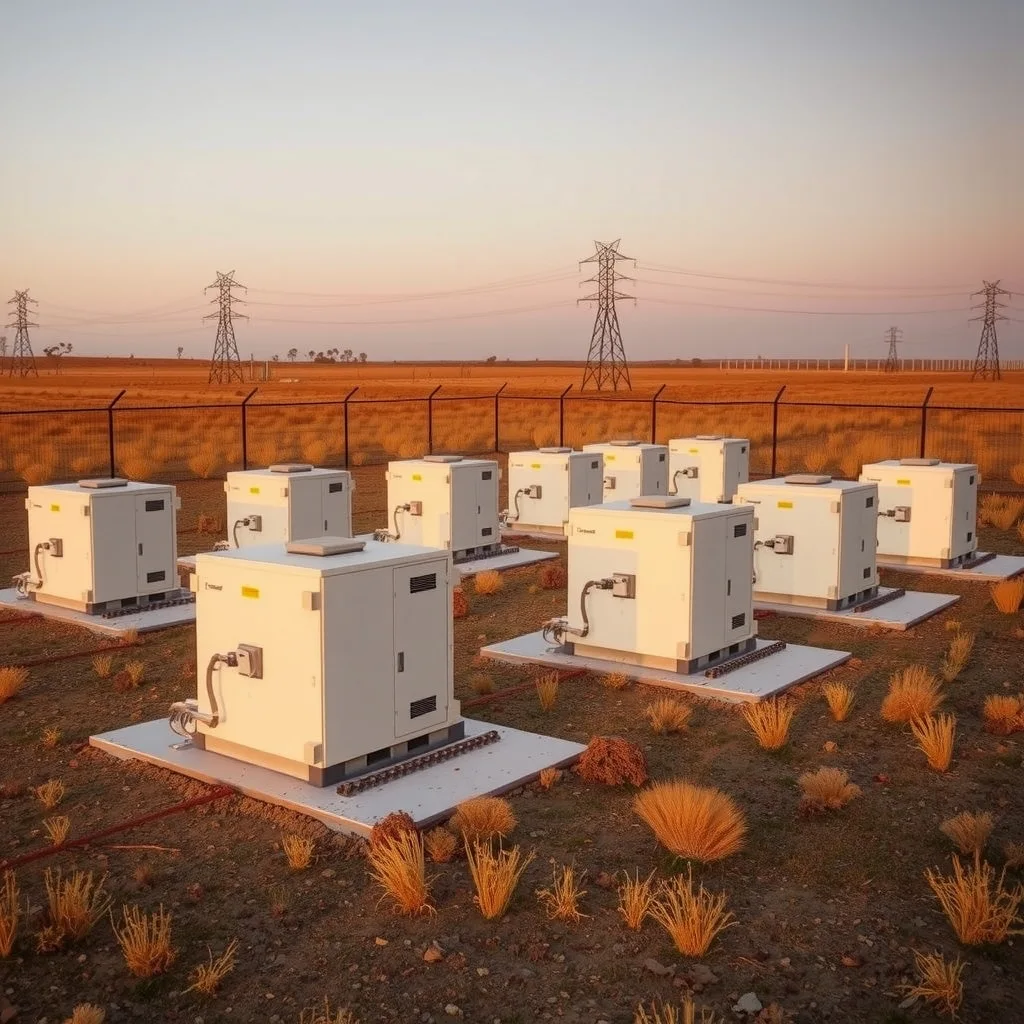

Canberra’s largest battery storage system is now running at Williamsdale, south of Tuggeranong, with 136 Tesla Megapack 2 units laid out across 12 collector grids, 250 megawatts of capacity and 500 megawatt hours of storage. Private firm Eku Energy designed, built and owns the site, and the ACT government says the batteries can cover about a third of the territory’s electricity needs for two hours during peak demand.
The switch-on was reported by ABC News, which also noted the project landed a year behind schedule. Delivery was first projected for 2025, then pushed to early 2026, and neither date was met. The ABC’s report doesn’t give a reason for the slippage.
What the $368 million actually buys
ACT Chief Minister Andrew Barr said the government will pay Eku Energy a support charge of $368 million in instalments over 15 years, and in return takes 50 per cent of the battery’s net revenue when stored energy is sold back into the grid.
Barr said he expects the arrangement to end up in the black for the territory. “So, the territory makes a contribution, then receives more in its share of the revenue,” he said.
He framed the asset as underwriting the whole load profile of the city, not just homes.
“We are building this technology for households, small business, for our hospitals, for our schools, for our universities, for all of the industrial output that occurs in Canberra … data centres are part of that,” Mr Barr said. “That’s why this is such a good project for the ACT.”
How it works on the network
Eku Energy policy director Rachel Rundle said the system sits directly on Evoenergy’s infrastructure.
“Essentially they’re plugged into the electricity network,” she said.
“They are always on … [and] because they’re always on, they soak up all of the excess energy that is in the network.”

That surplus mostly comes off wind and solar generation. “It stores and holds onto that energy for a number of hours,” Rundle said.
“And then when that demand picks up … say, on a hot evening night or when there’s a lot of industrial processing, the battery discharges that energy back into the grid, helping meet that peak demand and reducing the strain on the network.”
Rundle said the system can store up to 500 megawatt hours and discharge that amount each day.
What a Megapack farm looks like from the tools
Grid-scale batteries don’t look like a job site in the way a tower does, but the work sequence is familiar to anyone who’s done a repeat-unit build. A site like Williamsdale is civil first: earthworks, hardstand, slabs or piled plinths set out to a grid, then a buried earthing mat under the lot of it. After that it’s the same package 136 times over, craning units onto pads, bolting down, landing cable, torquing and testing terminations, labelling, and moving to the next row.
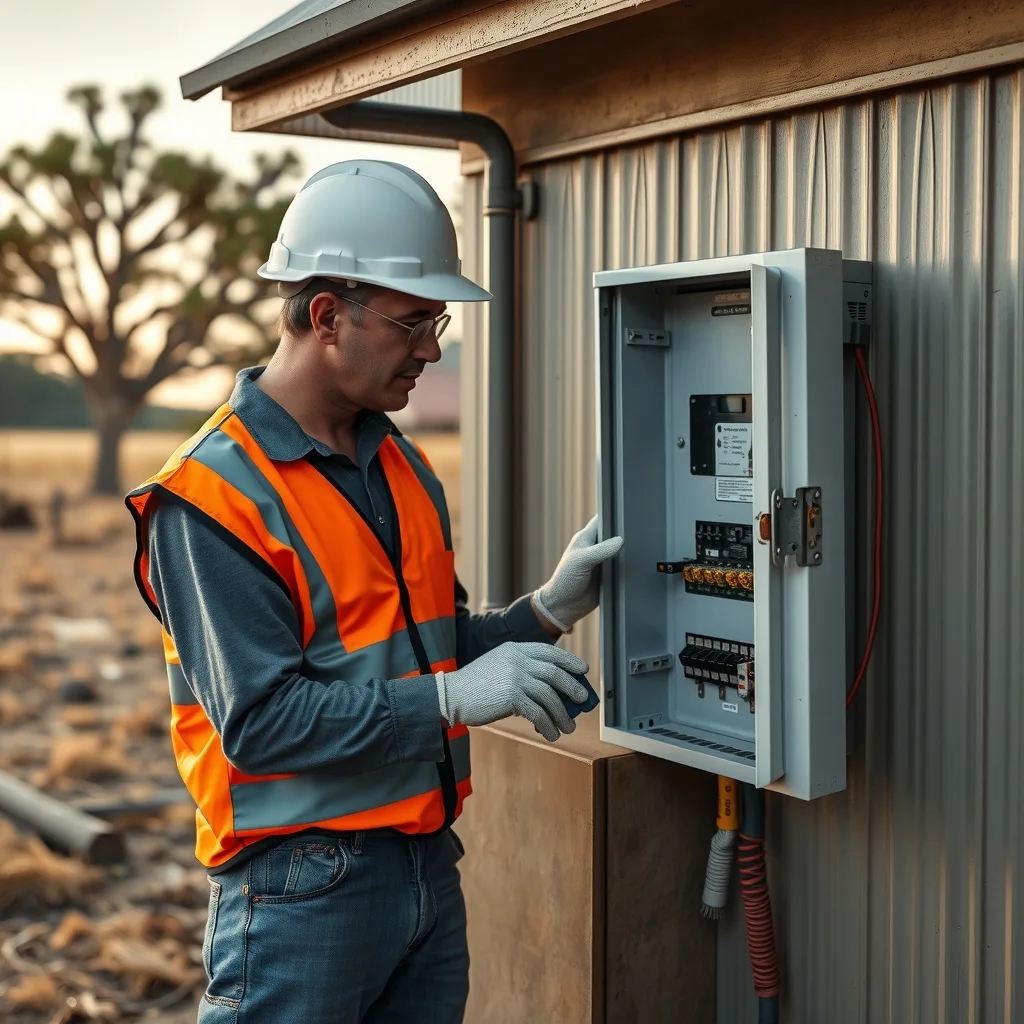
The electrical scope stacks up at the collector grids. Each of the 12 groupings has to be tied together, run back through transformers and switchgear, and then connected into the distribution network, which is where network-operator hold points, protection settings and commissioning tests sit. That’s the end of the job most likely to move a program, because it depends on the network’s testing window as much as on the contractor’s crew.
And it doesn’t finish at energisation. A 15-year operating agreement means a decade and a half of planned maintenance on an asset that cycles daily: thermal management and cooling, inverter and protection servicing, periodic testing, and the fire and electrical safety systems that go with a lithium-ion site of this scale. For a Canberra-based electrical contractor, that’s recurring work on a known site rather than a single mobilisation.
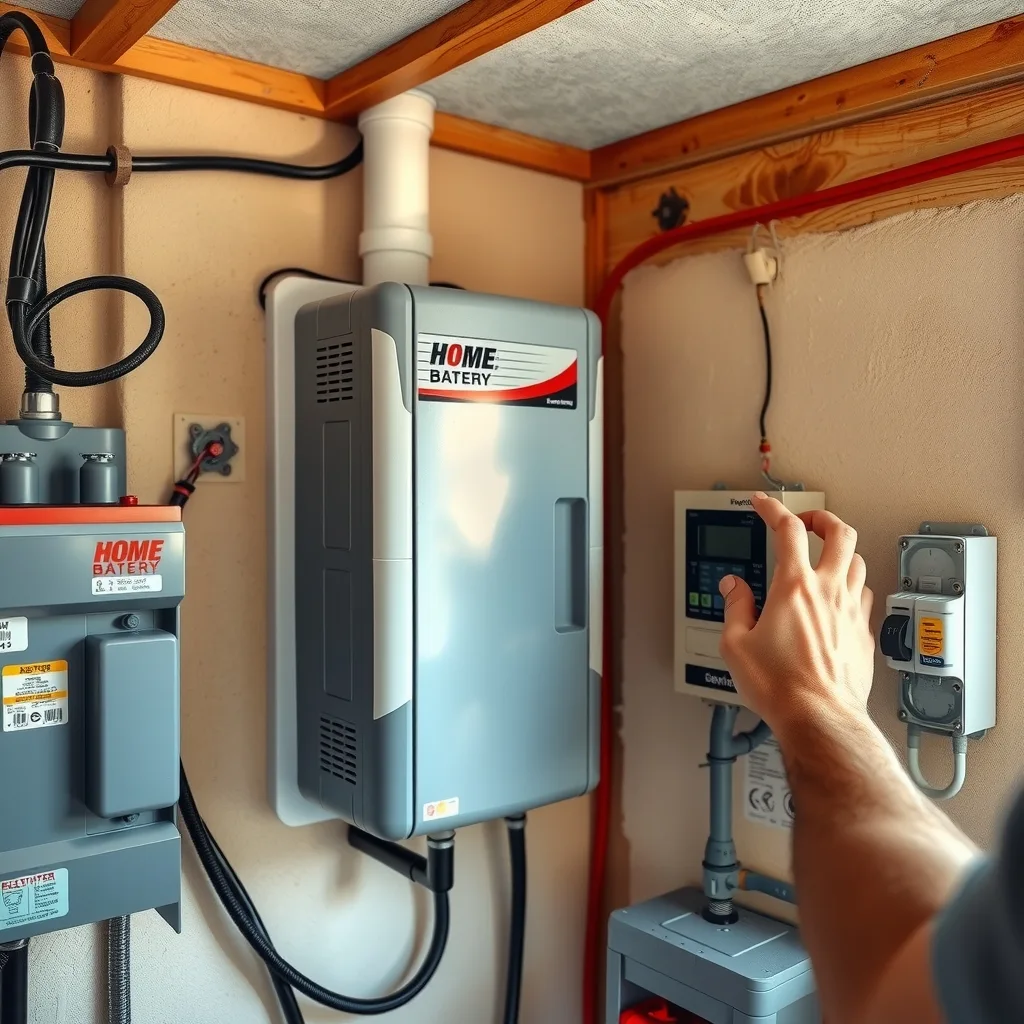
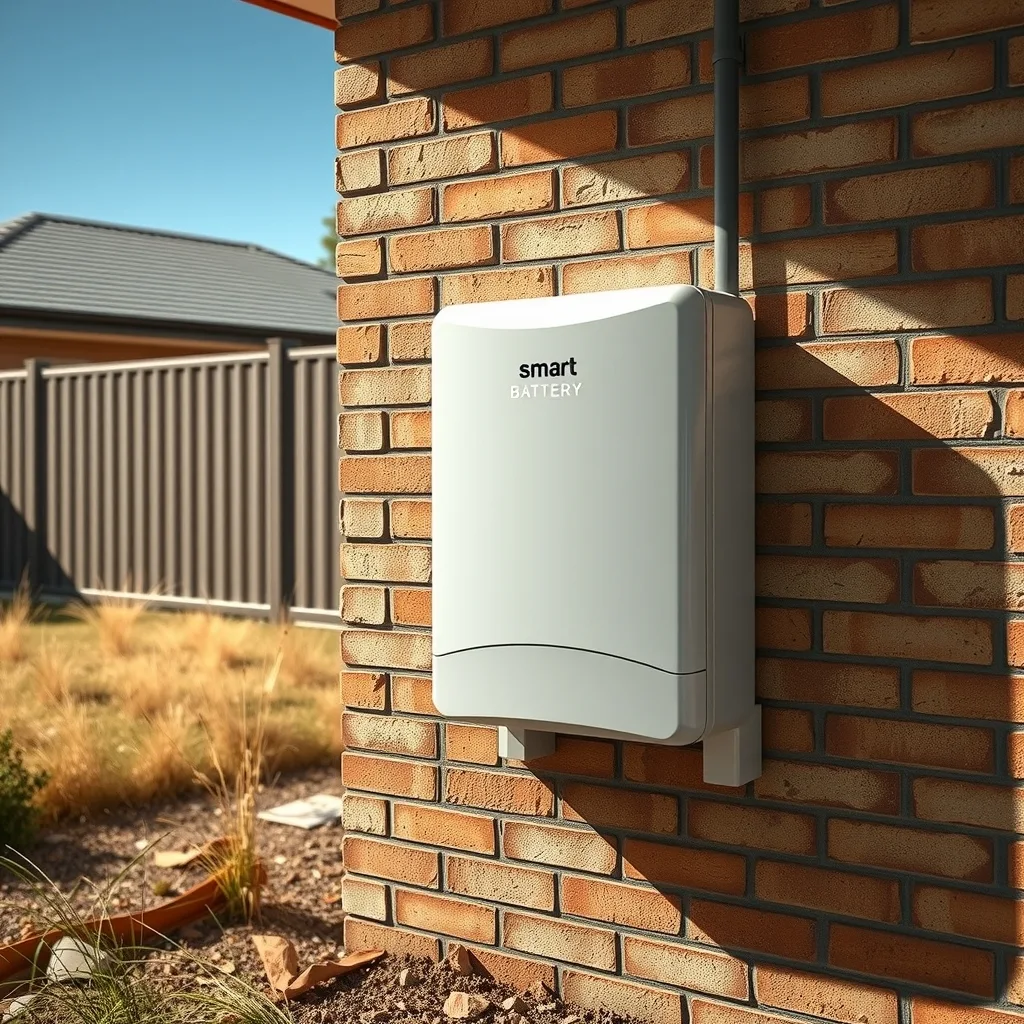
For sparkies in the residential and smart-home end, it’s the same chemistry at a very different scale. A household battery, like the Tesla Powerwall, Sungrow and Enphase systems sold here, is a wall-mounted box installed under the accredited-installer rules that apply if the owner wants to claim federal small-scale certificates. Homeowners weighing one up can check what a home battery installation costs before committing. Williamsdale is high-voltage network infrastructure, and all fixed electrical work on it, like everywhere in Australia, has to be done by licensed electrical workers. ACT licensing sits with the territory government at act.gov.au.
No promises on your power bill
Eku Energy chief operating officer Tom Best was blunt about what the battery will and won’t do to retail prices.
“It’s an open market, so we can’t influence the market outcomes, but by bidding the capacity during those periods of high demand, we may have an impact on pricing, but it’s not something we can guarantee,”
That’s the honest version of the pitch. The battery earns by buying cheap and selling into peaks, which can take the top off wholesale price spikes, but nothing in the operating agreement hands a discount to a Canberra household or a small workshop running three-phase gear.
The number worth keeping in your head: the Williamsdale system stores 500 megawatt hours and can supply roughly a third of Canberra’s electricity demand for two hours at peak, with the ACT government paying owner Eku Energy a $368 million support charge over 15 years, according to ABC News reporting published 5 November 2026.
Watch two things from here. First, whether the ACT government publishes its share of net revenue, because that’s the only way anyone will know if Barr’s cost-positive claim holds up. Second, whether the territory tenders further storage off the back of this one. Grid-scale battery projects are becoming a steady line of work for electrical and civil contractors, and the maintenance tail on a 15-year deal is the part worth chasing if you’re weighing up another apprentice.
Frequently asked questions
Will the Williamsdale battery lower power bills in Canberra?
Not guaranteed. Eku Energy chief operating officer Tom Best said bidding the battery’s capacity into high-demand periods “may have an impact on pricing” but it can’t be guaranteed in an open market.
Who owns and operates the Williamsdale battery?
Private firm Eku Energy designed, built and owns the site. The ACT government pays Eku Energy a $368 million support charge over 15 years and takes 50 per cent of the battery’s net revenue.
How much electricity can the battery store?
It can store up to 500 megawatt hours and, according to the ACT government, cover about a third of the territory’s electricity demand for two hours during peak demand.
Why was the project delayed?
ABC News reported the project was a year behind schedule after being pushed from an original 2025 target to early 2026. The report gave no reason for the delay.
Sourced from ABC News. Original article.