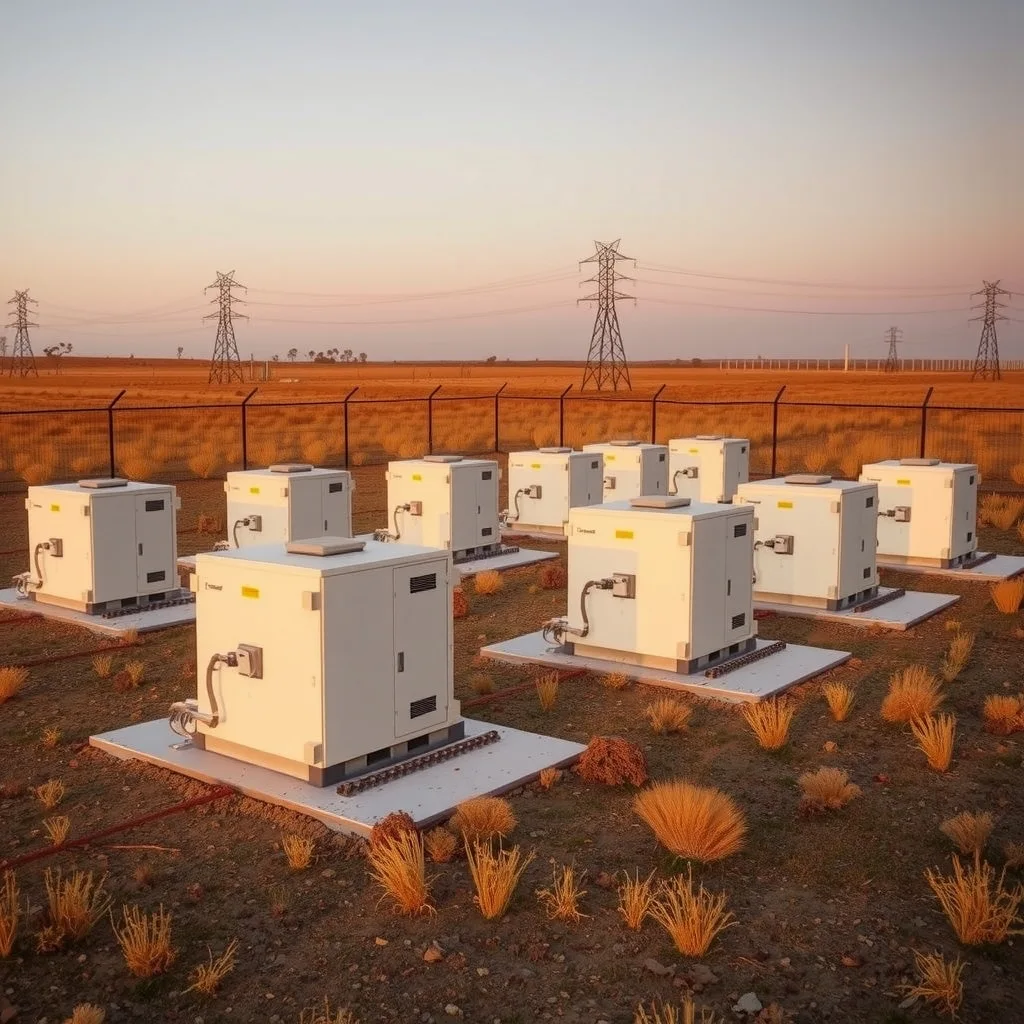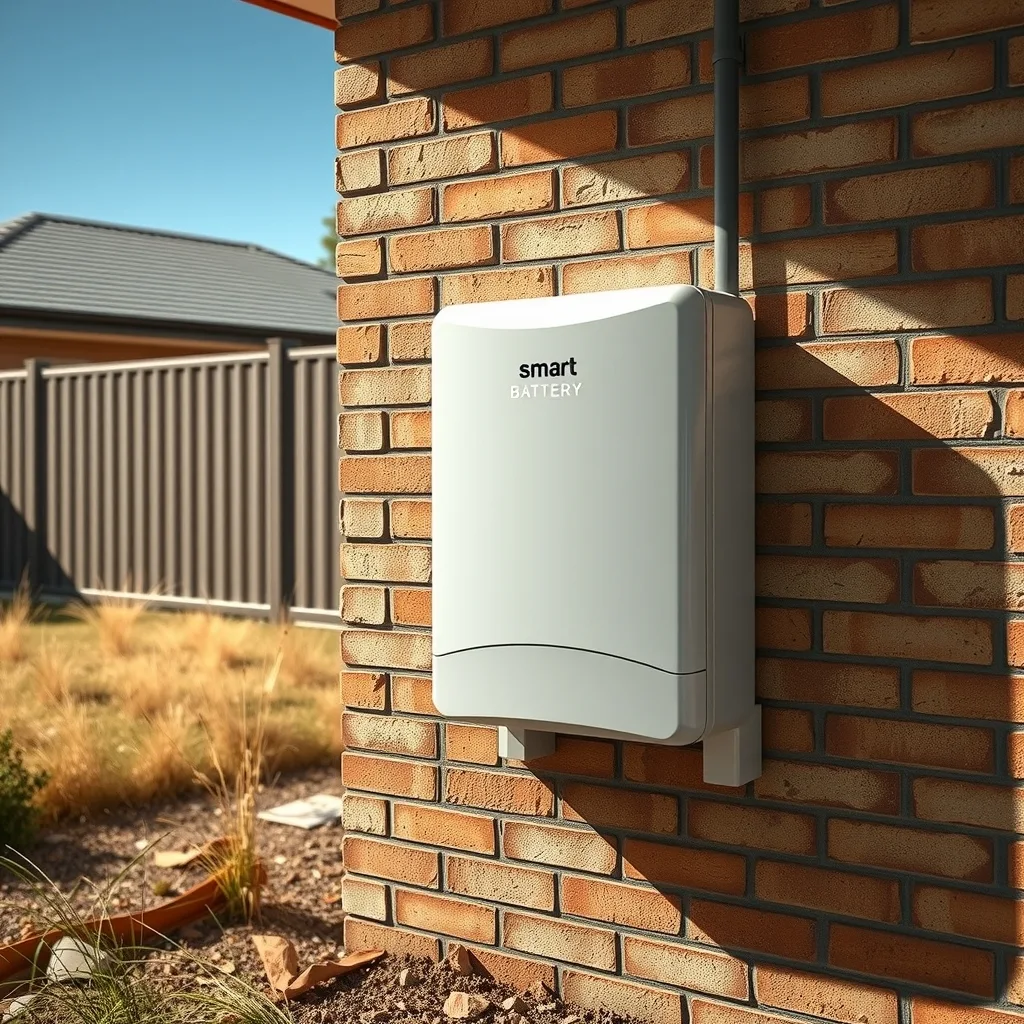

Large energy customers in the National Electricity Market can now split flexible assets such as batteries, EV chargers and solar systems off a site’s main electricity supply and have them managed and settled on their own, under Flexible Trading Arrangements that took effect on 1 November 2026. The mechanism is a secondary settlement point sitting behind the site’s main connection point, with Type 8 metering installations measuring the energy flowing through it.
The change was reported by trade title Electrical Connection, which notes that until now a site’s consumption and generation were generally settled through a single connection point. A battery or a bank of chargers was accounted for alongside everything else in the building, including lighting, lifts and air conditioning.
Flexible Trading Arrangements follows Type 9 metering for minor energy flows, which began five months earlier on 31 May 2026, Electrical Connection reports.
One geographic note before anyone gets excited. The NEM covers Queensland, New South Wales, the ACT, Victoria, South Australia and Tasmania. Contractors working in Western Australia or the Northern Territory sit outside it, so none of this lands on their jobs.
One site, more than one energy deal
The practical effect is that a large customer can engage multiple energy service providers at the same premises, with different assets contracted and settled according to their individual requirements.
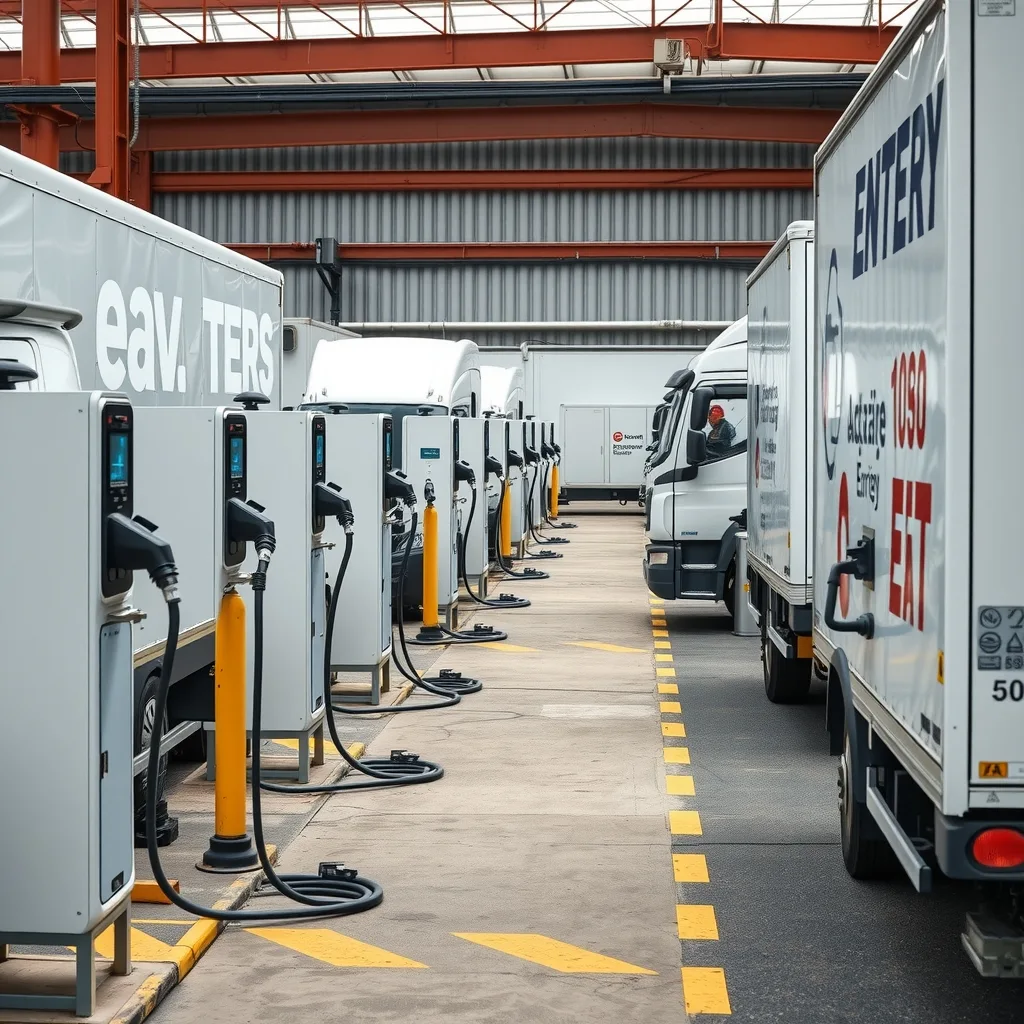
Take a logistics distribution centre as an example. Base building load, the lights and the dock gear, stays with the incumbent retailer. The battery out the back gets contracted to whoever values it most for charging and discharging on command. The fleet charger bank goes to a third party who does nothing but chargers. Same street address, three separate commercial arrangements.
Under the old single connection point model, that wasn’t really on offer. Everything washed through one number at the end of the billing period, which made it hard to put a value on what the flexible kit was doing by itself.
The metering is the whole framework
Accurate measurement is central to how this works. Type 8 metering installations are the ones used at secondary settlement points, and without that measurement there’s no commercial arrangement sitting behind it.
Type 9 metering, live since 31 May 2026, handles the small end: minor energy flows from applications such as smart streetlights and kerbside EV chargers. Between the two meter types, a lot of gear that was previously invisible to the market now has a way of being counted.
Metering technology provider Expertpower says its NMI-approved EM133-XM and BFM136 meters can provide measurement at secondary settlement points, with its platform bringing the resulting data together to help customers monitor individual asset performance, according to Electrical Connection. BCN does no product testing and makes no judgement on the hardware; that’s the vendor’s own claim, carried here as a marker of where the metering market is heading.
The National Electricity Rules that sit underneath all of this are maintained by the Australian Energy Market Commission.
What it changes on the tools
If you install commercial batteries, chargers or rooftop solar, the scoping conversation on a big site has an extra question in it now. EV chargers already need their own dedicated circuit, and now there’s a second question sitting alongside it: whether the asset is going to be settled separately from the rest of the building, because that decides whether it needs its own point of measurement.
That pushes a design decision upstream. An asset with its own settlement point needs metering at that point, which means switchboard layout, CT positions and the space set aside for metering gear all need to suit it from the start, rather than getting cut into a board eighteen months later when the client signs a separate deal for the battery.
Worth being clear about who does what. Procurement and ownership of a metering installation in the NEM is a matter for the customer, their retailer and the metering coordinator. That’s not a call to make on site, and it’s the sort of thing worth pinning down in writing before the switchboard is ordered.
The near-term signal to watch is demand. Flexible Trading Arrangements only pay off for a customer with assets worth contracting separately, so the first movers will be the big ones: logistics sheds with fleet charging, shopping centres with batteries, industrial sites with serious rooftop solar. If those clients start asking for separate settlement, the metering and switchboard work rides along with it, and the smart money is on asking the question at quoting stage rather than finding out at commissioning.
Frequently asked questions
Does this apply in Western Australia or the Northern Territory?
No. The National Electricity Market covers Queensland, NSW, the ACT, Victoria, South Australia and Tasmania. WA and the NT sit outside it.
What is Type 8 metering?
Type 8 metering installations measure the energy flowing through a secondary settlement point, the mechanism that lets a flexible asset like a battery or EV charger be settled separately from the rest of a site.
When did Flexible Trading Arrangements start?
They took effect on 1 November 2026, five months after Type 9 metering for minor energy flows began on 31 May 2026.
Who decides on the metering installation for a secondary settlement point?
Procurement and ownership of a metering installation in the NEM is a matter for the customer, their retailer and the metering coordinator, not something decided on site.
Sourced from Electrical Connection. Original article.