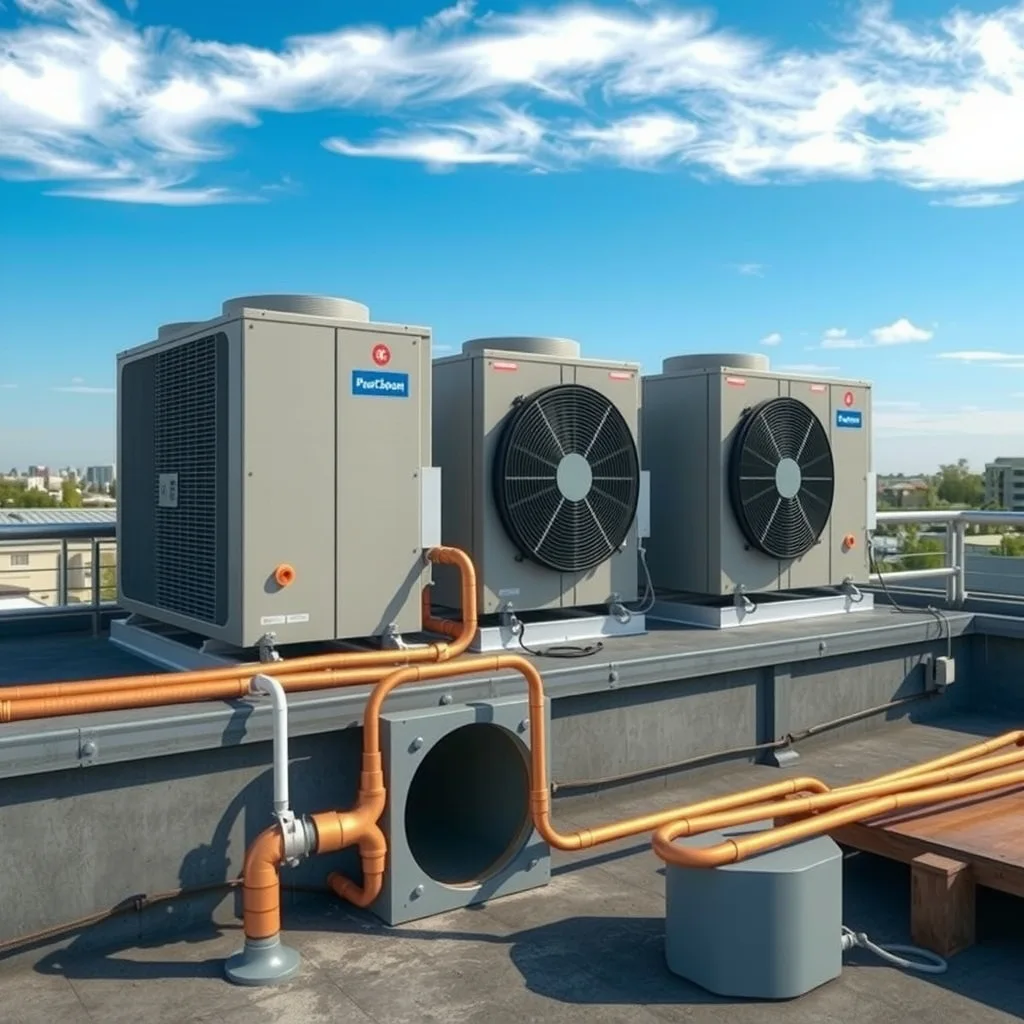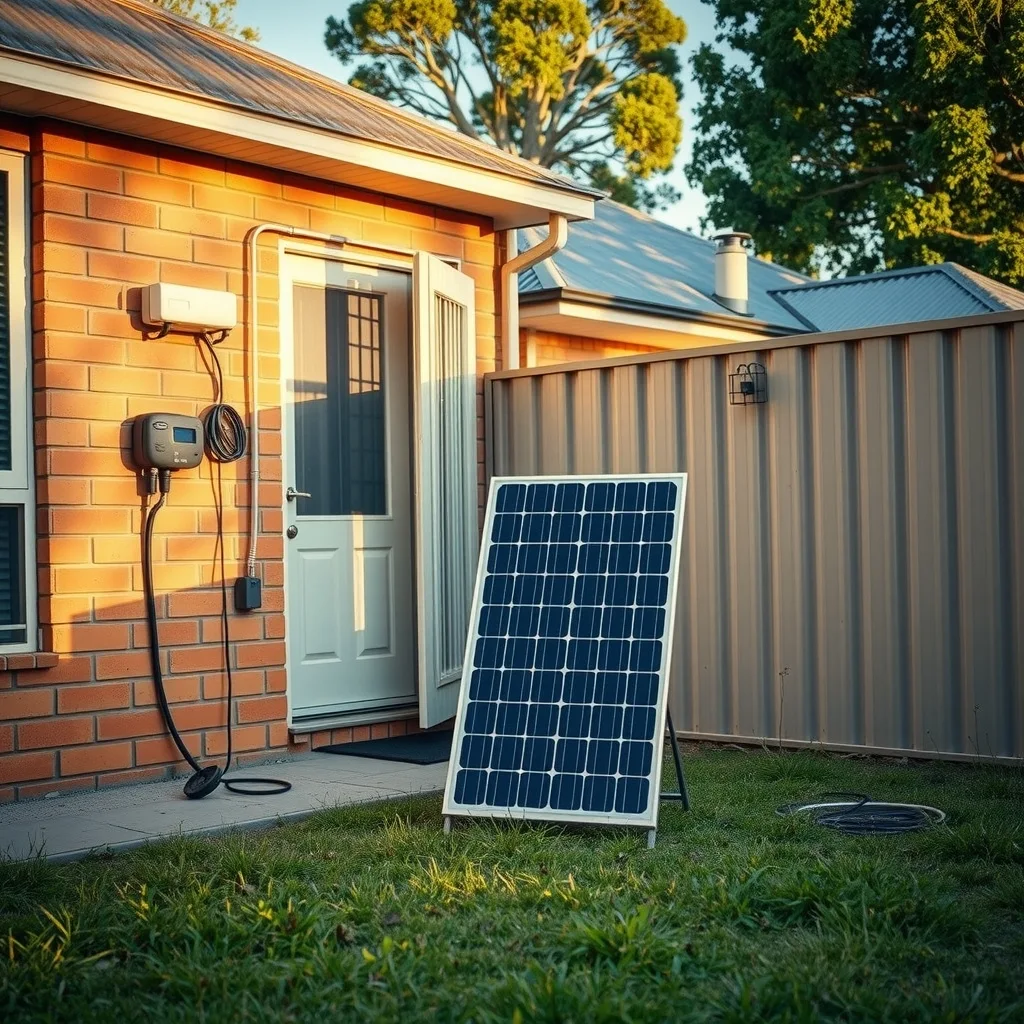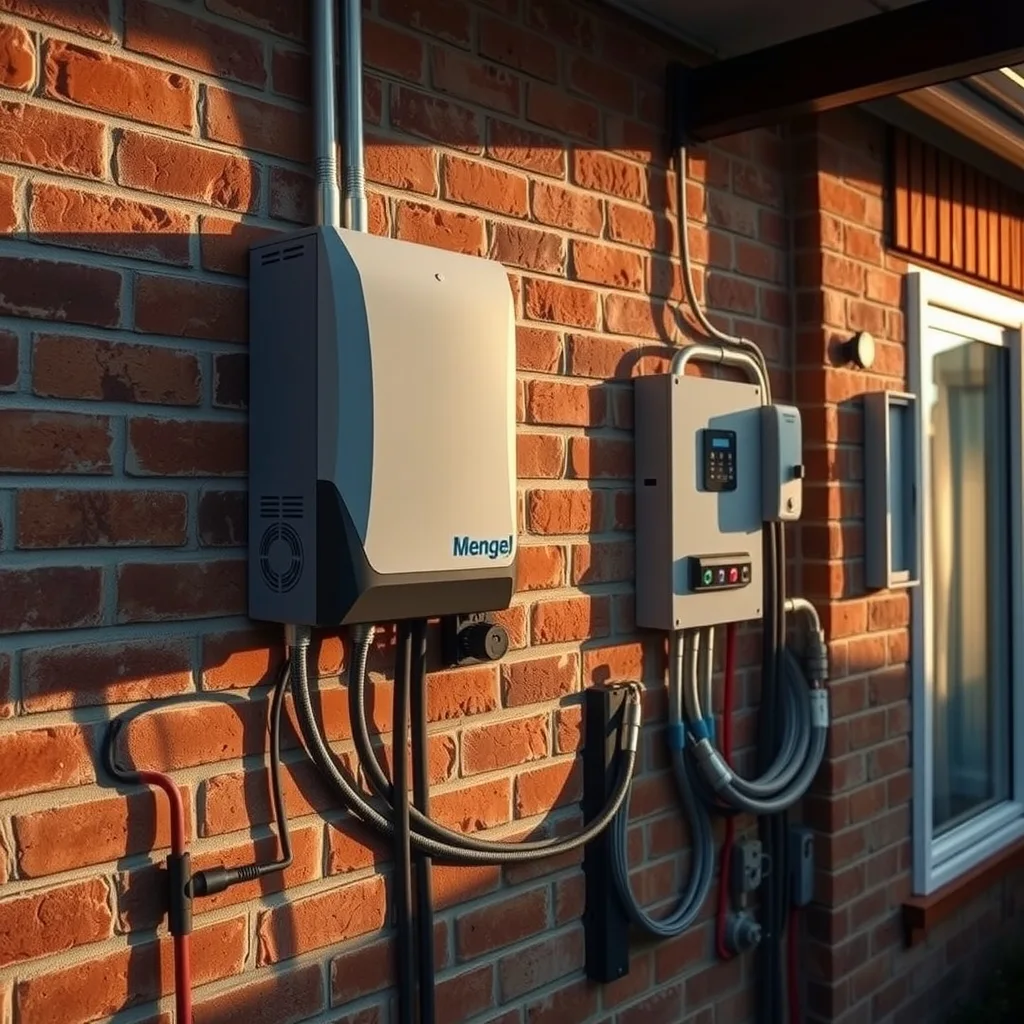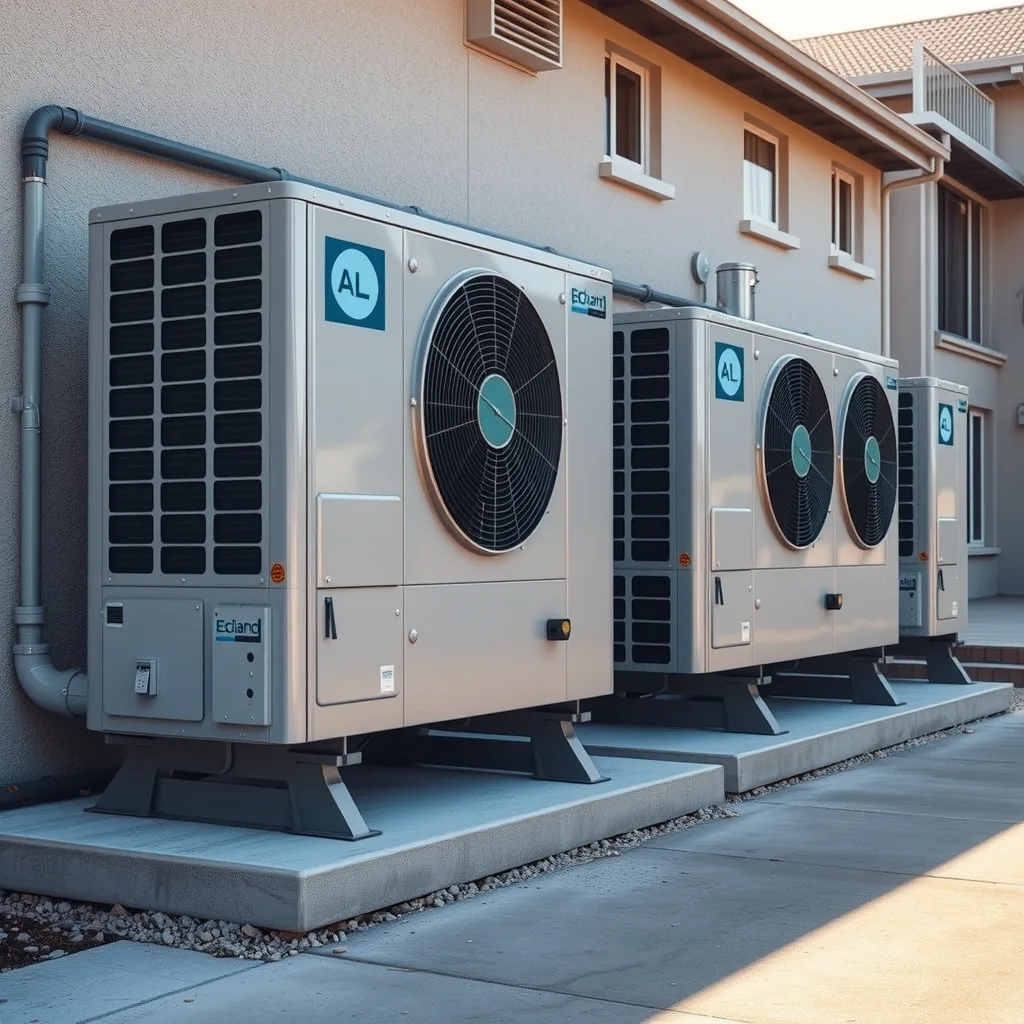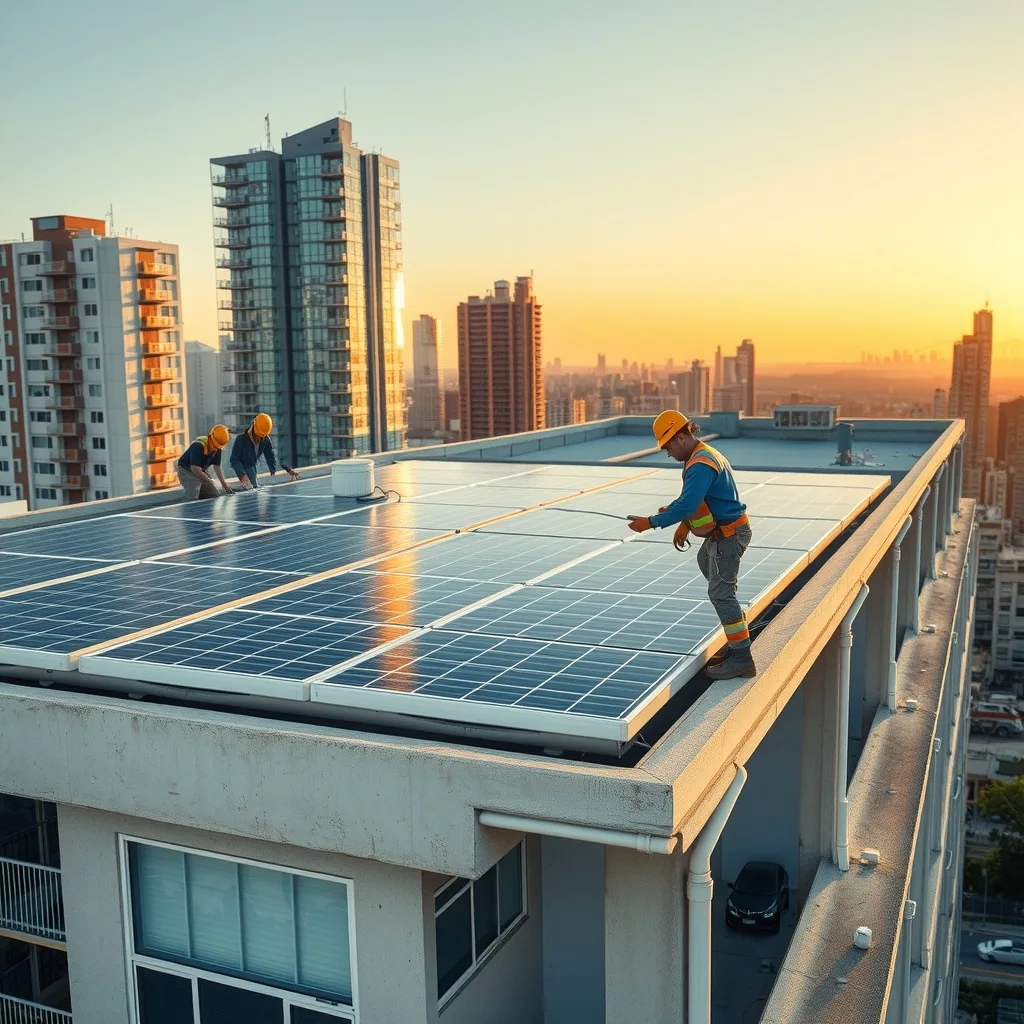

A Melbourne-made device that splits a single rooftop solar array between individual apartments has won the 2026 Australian Good Design Award of the Year. Allume Energy’s SolShare took the top prize at the ICC Sydney on 9 October, and also picked up the Good Design Award for Sustainability.
The win was reported by The West Australian through AAP, and confirmed in coverage of the awards by ChannelLife Australia, which also has the unit taking Best in Discipline for Product Design. Good Design Australia, chaired by Dr Brandon Gien, has run the program since 1958 and judged this year’s entries across 13 disciplines and more than 30 categories, from healthcare to public policy.
One roof, one array, a dozen meters
Strata solar has always had the same bottleneck, and it isn’t the panels. A shared rooftop array normally feeds common property: lifts, stairwell lights, the carpark, the pumps. Getting that generation down into individual lots, metered and billed fairly, is where most apartment solar jobs die on the drawing board.
SolShare sits between the array and the apartment meters and moves the output around, directing solar to whichever dwellings are actually drawing power at that moment. Guardian coverage of the award described it as a traffic controller for solar, which is about right.
Allume Energy’s SolShare is connected to more than 10,000 apartments across three continents and has delivered 23GWh of solar energy, according to figures published in coverage of the October 2026 award by ESD News. Residents on the system have saved an average of 30 to 40 per cent on their electricity bills.
Why apartments sat out the solar boom
Australia has well over 4 million solar installations, and the overwhelming bulk of them sit on stand-alone houses, as SolarQuotes has documented. Renters and apartment owners have been the missing cohort for a decade, not because the roof space isn’t there, but because nobody had a clean answer to the metering question.
That’s the market an award like this points at. Mid-rise stock in every capital has unused roof, a body corporate that meets four times a year, and a dozen or more separately metered lots underneath.
What it means on the tools
This is hardwired gear between an array and a meter board, so it’s licensed work. Fixed electrical wiring requires a licensed electrician in every state and territory, with no exceptions, and for the owner to claim federal small-scale technology certificates on a PV system the install has to be done by an accredited installer. Accreditation is the ticket to the job, not a nice-to-have.

Allume pitches the product at developers, architects and electrical contractors fitting out new builds, which tells you where the volume is expected to come from: apartments designed with shared solar from day one, rather than retrofits negotiated through a strata committee. For contractors pricing comparable jobs, BCN’s guide to the cost to install solar panels in Australia gives a sense of what a standalone system runs, before shared-array economics change the sum.
The labour side is the constraint. Electrician is still listed as a national skills shortage occupation in Australia in 2026, with the electrification rollout pulling harder than the training pipeline can fill. Solar installation has its own version of the squeeze, where smaller firms struggle to get enough subbies to chase rebate-driven demand while the bigger outfits with established subcontractor networks hoover up the work.
Australian-made is part of the pitch
Allume isn’t new to government backing. In 2024 the company landed a $3.8 million grant through the federal Industry Growth Program to scale manufacturing of the unit in Melbourne, pv magazine Australia reported, after earlier taking a $1.5 million bridge investment to deploy into the southeast United States.
For a contractor, locally built hardware matters for the unglamorous reason: lead times and warranty support sit in the same time zone as the job.
The thing to watch over the next year is whether design-award recognition converts into actual purchase orders from developers and strata managers, and whether apartment solar starts showing up as a line item in the tender packs sparkies are pricing. If it does, the firms holding current accreditation and a bit of metering nous will be the ones quoting on it.
Frequently asked questions
What does Allume Energy’s SolShare do?
It sits between a shared rooftop solar array and individual apartment meters, directing solar generation to whichever apartments are drawing power at that moment so each lot can be billed fairly.
How widely is SolShare used?
It’s connected to more than 10,000 apartments across three continents and has delivered 23GWh of solar energy, with residents saving an average of 30 to 40 per cent on their electricity bills.
Can apartment owners install shared solar themselves?
No. Connecting shared solar to a meter board is fixed electrical wiring, which requires a licensed electrician in every Australian state and territory, and claiming federal small-scale technology certificates requires an accredited installer.
Where is SolShare manufactured?
Allume Energy builds SolShare in Melbourne, backed by a $3.8 million federal Industry Growth Program grant awarded in 2024 to scale local production.
Sourced from The West Australian, AAP, ChannelLife Australia, pv magazine Australia, ESD News, SolarQuotes. Original article.