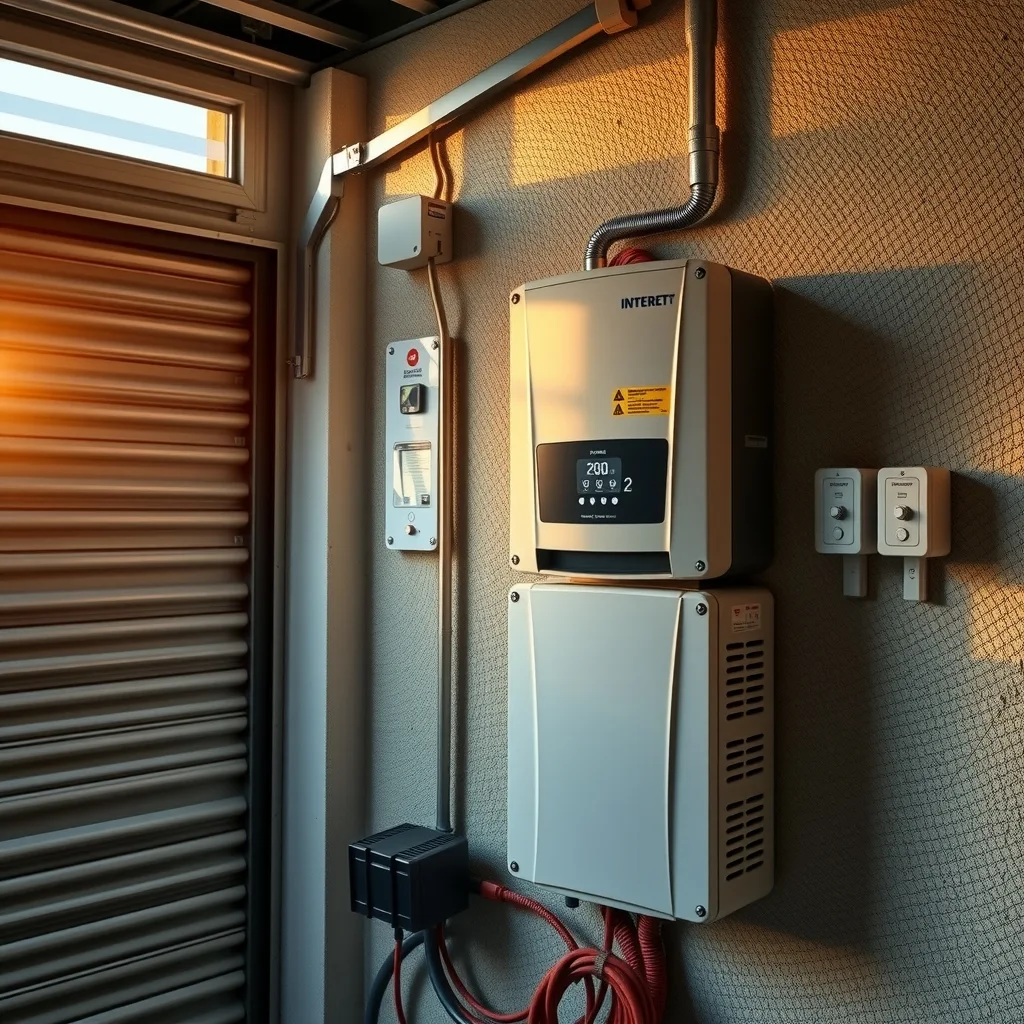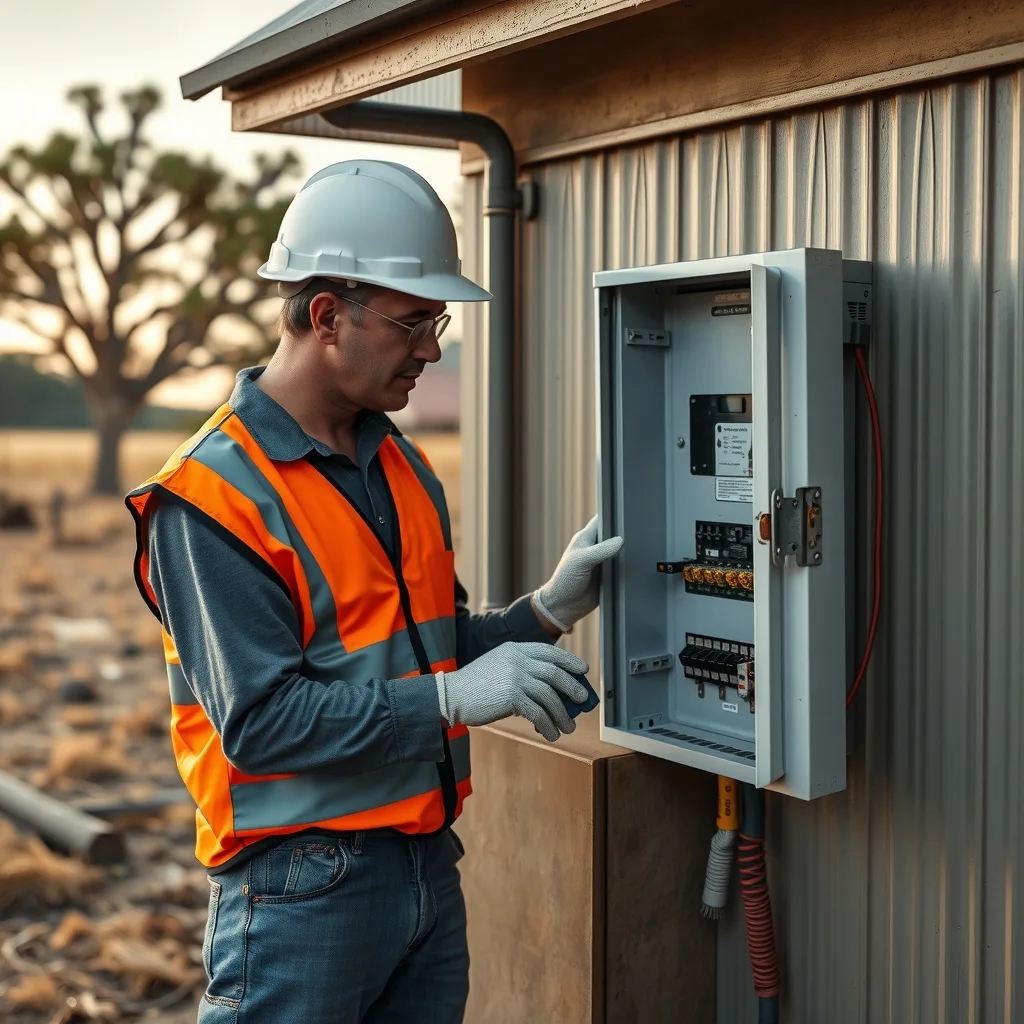

The Australian Energy Market Commission has opened consultation on scrapping the exemption that electricity metering coordinators currently need before installing a manually read smart meter at a property with no telecommunications coverage. The consultation was initiated on 22 October 2026 and stakeholder submissions close on 17 December 2026.
Trade publication Electrical Connection reported the proposal follows a rule change request from the Australian Energy Market Operator, which argues the existing exemption process is outdated and creates unnecessary administrative work.
AEMO wants that exemption replaced with a record-keeping obligation on metering coordinators. The coordinator would still have to stand behind the installation decision. It would just hold the record itself rather than get sign-off before the meter goes in.
Type 4 versus type 4A, and why the difference matters
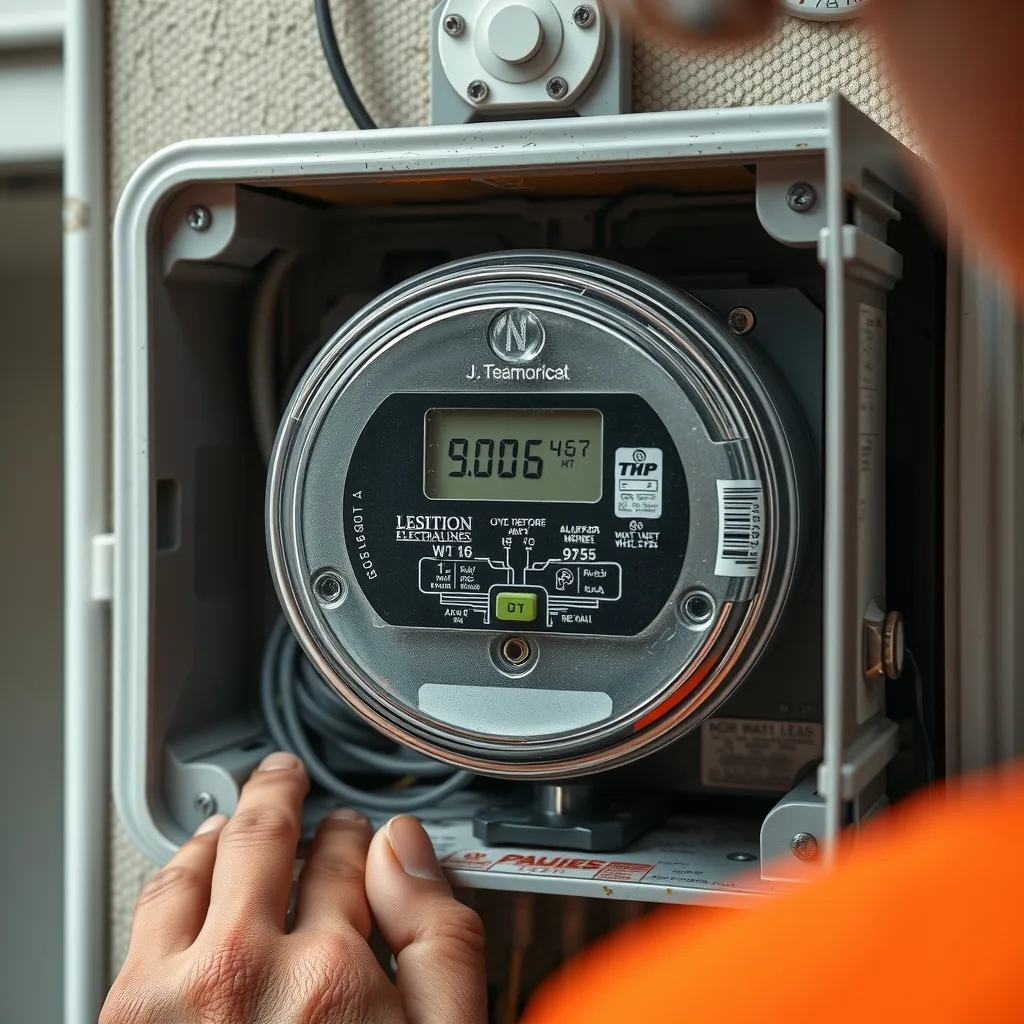
A standard type 4 smart meter records electricity usage and sends the data back wirelessly over a telecommunications network. Where there’s no coverage at the meter box, the customer can instead get a type 4A: the same smart meter with remote communications switched off, read manually.
Under the arrangements in place now, a metering coordinator has to obtain an exemption from AEMO before installing a type 4A for a customer without telco access. That gate exists so the manually read meters only go in where they’re needed or where the customer asks for one, and so the customer can move to full smart metering later if coverage turns up.
Where the hold-up actually lands
For the person doing the swap, nothing about the physical job changes. Work at the switchboard remains licensed electrical work in every state and territory, the meter panel still has to be made ready, and the isolation and test sequence doesn’t care whether the meter talks to a network or not.
What the proposal goes after is the queue in front of the job. Blackspot properties are, almost by definition, the ones furthest out, where getting a crew and a vehicle to the site is the expensive part of the exercise. An admin step that has to clear before a 4A can be fitted is an admin step that can push the install out past the week the crew was already going to be in that area.
It’s also the kind of job that rarely stands alone. A meter exchange on a rural property tends to get bundled with other work on the same trip, so a change to the paperwork timeline matters more to scheduling than it does to the hour or two at the board.
The 2030 clock behind the change
Under the AEMC’s Accelerating smart meter deployment final rule, smart meters are scheduled to be rolled out to all customers by 2030. That deadline is what turns a paperwork bottleneck into something worth a rule change, because every property without telecommunications coverage still has to end up with a meter by then.
The AEMC frames the proposal against the growth in consumer energy resources, the batteries, solar and flexible-load gear that lets households and businesses push and pull from the grid rather than just draw off it. Smart meters are the measurement layer under all of that, and a 4A customer sits outside most of it until coverage arrives.
What to watch
Submissions on the consultation paper are open until 17 December 2026 through the AEMC.
The rule change request was lodged alongside a separate proposal to remove the consultation requirement under National Electricity Rules clause 7.16.3(b) for the Metrology Procedures. That one was folded into the consolidated Improving the metering and metrology arrangements rule change, which AEMO and the Commission worked through to a final determination on 30 April 2026.
If you install or coordinate metering outside the coverage footprint, the submission window is the point at which real numbers on exemption turnaround times carry weight. The detail of what a record-keeping obligation looks like in practice will decide whether the paperwork genuinely shrinks or just shifts desks.
Frequently asked questions
What is a type 4A smart meter?
It’s a standard type 4 smart meter with the remote communications switched off, read manually at properties with no telecommunications coverage at the meter box.
Why is the AEMC proposing to scrap the exemption?
AEMO, which lodged the rule change request, argues the current exemption process is outdated and creates unnecessary administrative work before a type 4A meter can be installed.
What would replace the exemption process?
A record-keeping obligation. Metering coordinators would hold their own records justifying the installation decision instead of getting AEMO sign-off beforehand.
When do submissions on the proposal close?
Submissions on the consultation paper close 17 December 2026, through the AEMC.
Sourced from Electrical Connection, AEMC, AEMO. Original article.