
Only 4 to 10 per cent of Australian households with a home battery take part in a virtual power plant, a new Energy Consumers Australia report has found, and the most common reason given was straightforward: 36 per cent of people surveyed said they didn’t know enough about how a VPP works.
The research was reported by The Fifth Estate in its round-up of energy and built environment news, which also covered a push to electrify nine pilot hospitals, an RMIT report on cost-rent housing, and new First Nations engagement guidance for architects.
The trust gap sitting next to the switchboard
After the knowledge gap, the next biggest barriers were control and payoff. Energy Consumers Australia found 29 per cent of those surveyed were concerned about losing control of their batteries and how they are used, and 28 per cent didn’t know what the benefits of joining a VPP were.
The money on the table isn’t small. The report cites an Australian Competition and Consumer Commission estimate that households could save up to $1000 a year by participating in a VPP, but says consumers were either unaware of it or didn’t trust the technology. The ACCC has been running the ruler over retail energy offers for years.
Energy Consumers Australia’s fix is aimed squarely at the retailers and the ministers: energy companies need to build genuine consumer trust, and energy ministers need to make sure the outcomes for consumers are fairer.
It isn’t the first warning. Distributed energy resources expert Dr Gabrielle Kuiper told The Fifth Estate for its building and energy tech special report that VPPs represent a run of missed opportunities.
Why a retailer’s trust problem lands on the installer
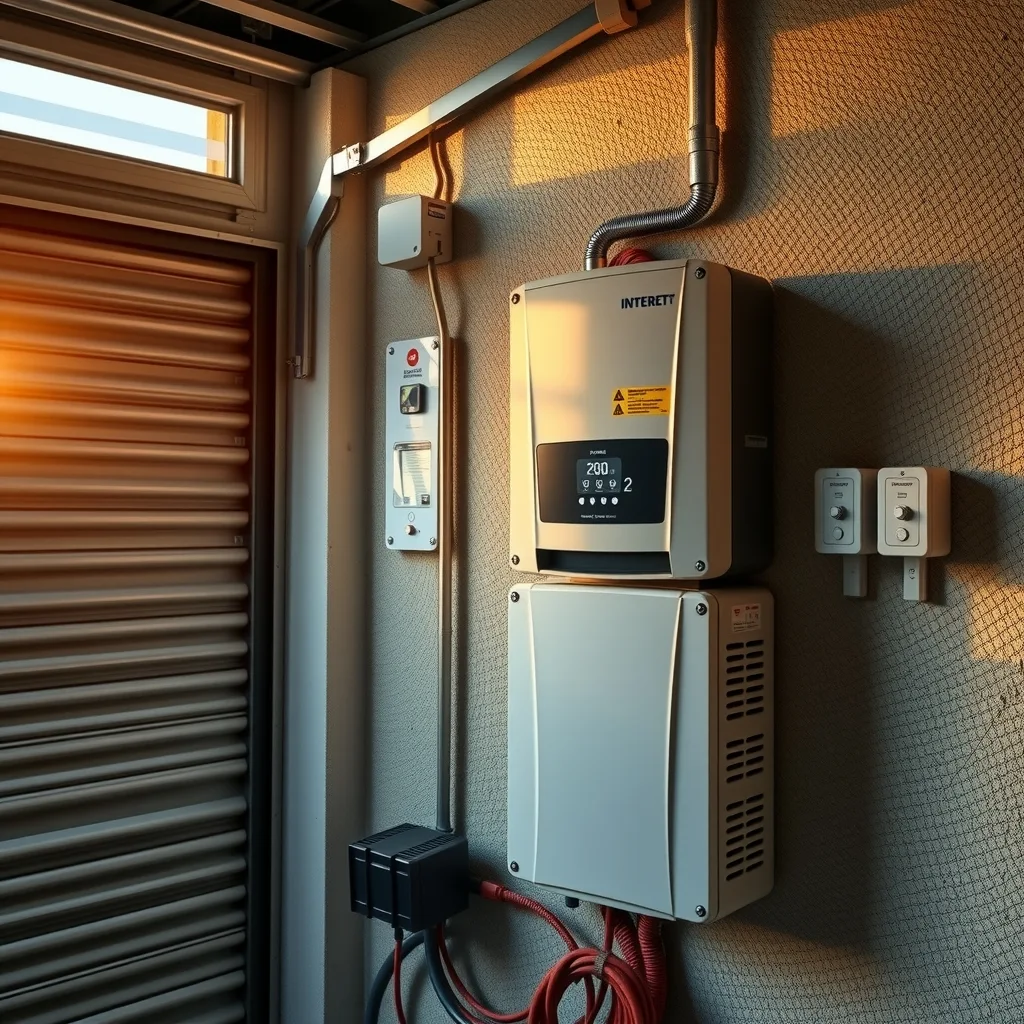
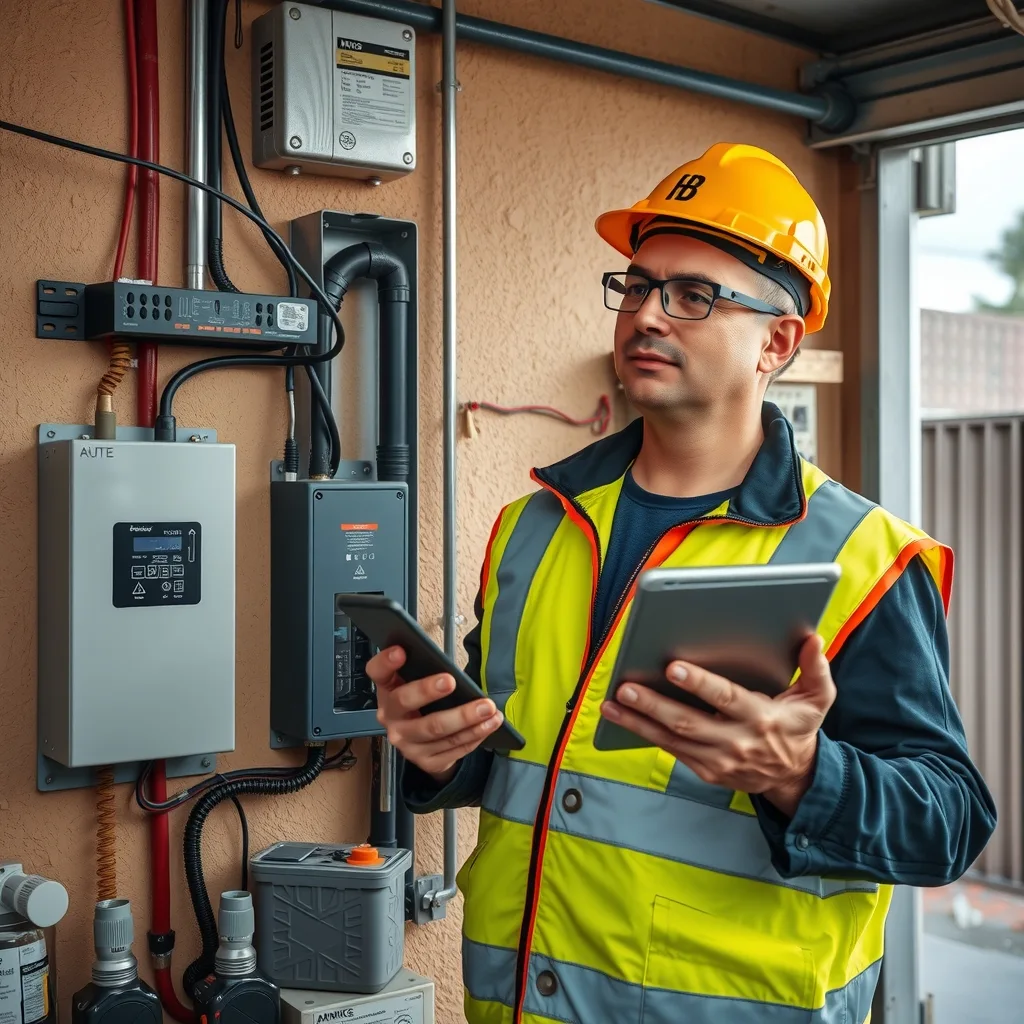
Here’s the bit the report doesn’t spell out. The person a battery customer actually trusts is usually the one who bolted the thing to the wall, commissioned it, and set up the app on their phone.
Solar and battery installs already have to be done by an accredited installer for the owner to claim federal small-scale certificates, so the accredited installer is the last technical voice in the house before the customer is left with a monitoring app and a retailer’s marketing email. If nearly a third of battery owners don’t understand what a VPP does with their stored kilowatt hours, that confusion is arriving at handover and staying there.
Worth being clear with customers about what a VPP actually is: a commercial arrangement with an energy company that lets it dispatch some of the battery’s charge, not a feature that comes with the hardware. Sign-up terms, how much of the battery is reserved for the house, and how the payment works all sit with the retailer. Pointing the customer at those terms costs nothing and heads off the phone call later.
Nine hospitals, and a feasibility study before anyone lifts a tool
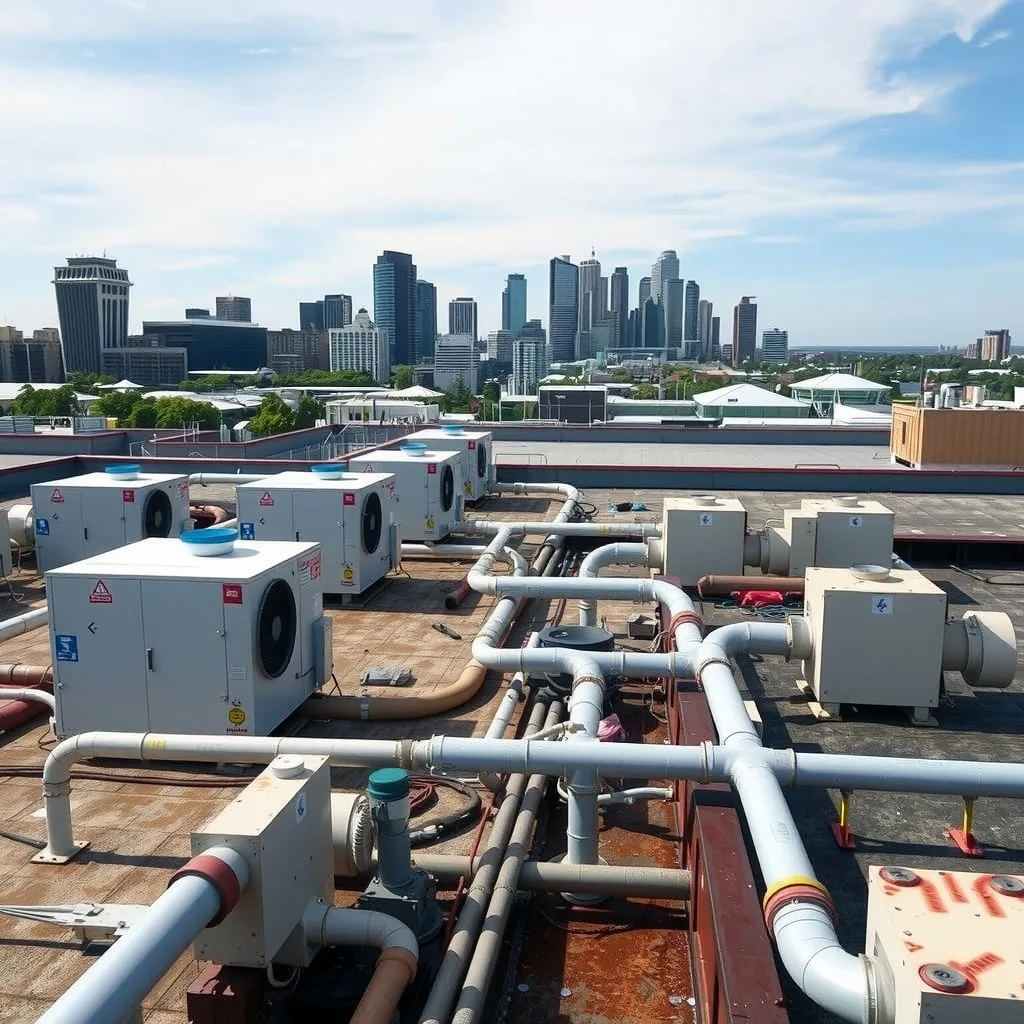
More than 10 health organisations are asking the federal government to fund feasibility studies to electrify nine pilot hospitals across the states and territories.
They’ve backed a report, All-Electric Healthy Hospitals: a Cost-Benefit Analysis, which finds that electrifying 10 per cent of Australia’s public hospitals each year from 2027 to 2036 would save $59 million a year in energy bills, with a greenhouse gas cut equivalent to taking almost 150,000 petrol cars off the road.
The launch at Parliament House in Canberra last Thursday drew independent MPs Dr Monique Ryan and Dr Sophie Scamps, along with Lucid Consulting, the Royal Australasian College of Physicians, the Australasian College of Emergency Medicine, the Australian Federation of Medical Women, Doctors for the Environment Australia and the Climate and Health Alliance. The Australian Medical Association, the Royal Australasian College of Surgeons, the Royal Australian and New Zealand College of Psychiatrists, the Australian Nursing and Midwifery Federation and Lung Foundation Australia also sent representatives.
Read the ask carefully though: it’s for feasibility studies, not construction. That’s the front end of a long pipeline, so nobody should be pricing hospital plant rooms off the back of it this year.
When that work does come, it’s not a domestic job scaled up. Getting gas out of a hospital means incoming supply and switchboard capacity, heat pump plant where the boilers used to sit, commercial kitchens changed over, and every bit of it staged around wards, theatres and a building that never closes. Decommissioning the gas side is licensed gasfitting work in every state and territory, so it’s a two-licence job on the same drawing.
Cost-rent housing and design protocols
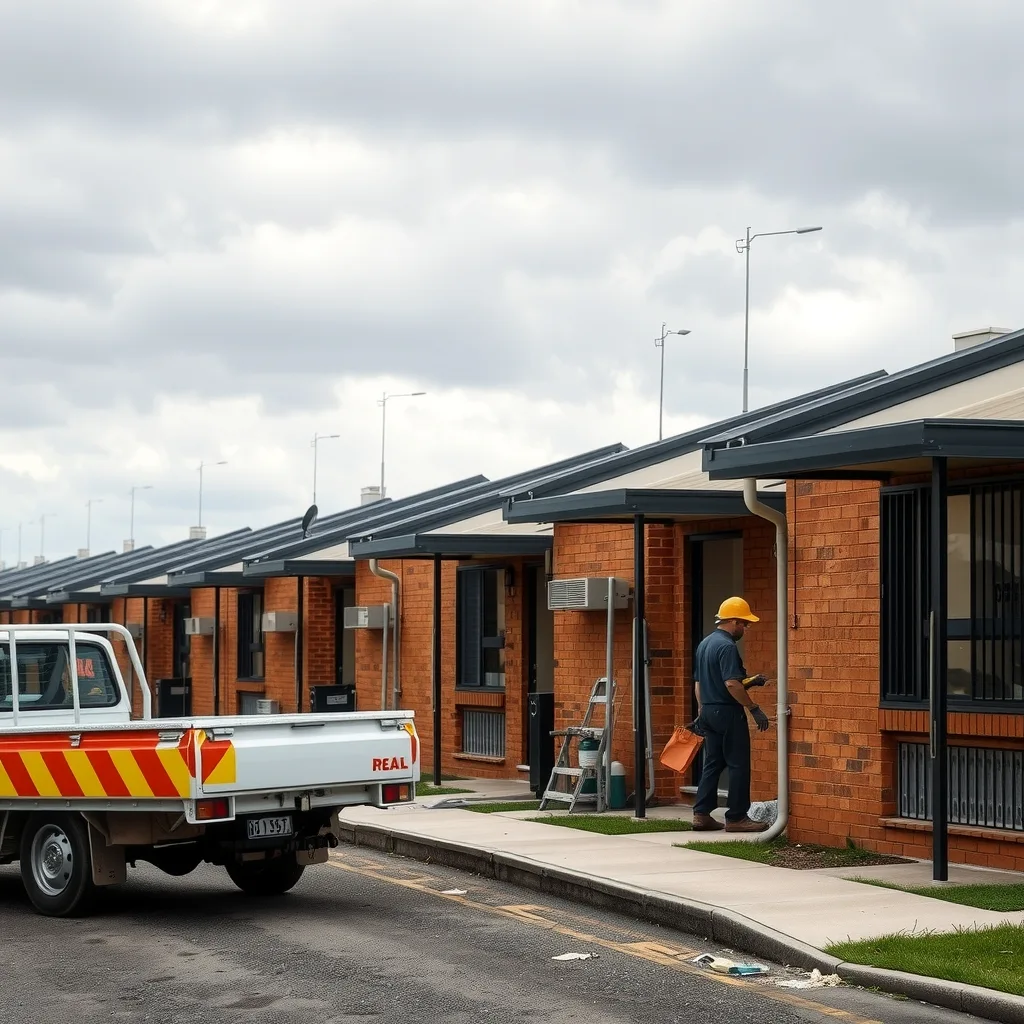
RMIT’s new housing report says another funding round won’t cut it, noting social housing has fallen from 5.2 per cent of stock in 1997 to 3.9 per cent today. It argues for a cost-rental system where rents are set on efficient, verified lifecycle costs of financing, operating, maintaining and renewing homes, backed by sustained public capital investment, land policy, low-cost finance and help for households that can’t meet the costs.
Report author Julie Lawson said it also looks at international debates, including how cost-rental principles can be adapted to federal, multi-provider housing systems in Europe. Co-authors include Jago Dodson, Liam Davies, Mike Berry, Laurence Troy, Ryan van den Nouwelant and Greta Werner.
For anyone who maintains social housing stock, that model is the interesting part: if renewal and maintenance are priced into the rent from day one rather than fought over later, the work becomes a standing line item instead of a grant-cycle scramble.
Separately, the Australian Institute of Architects’ First Nations Advisory Committee and Cultural Reference Panel has released guidance for built environment professionals on engaging with First Nations Peoples and Country, covering communication protocols, relationship-building, Indigenous cultural and intellectual property, funding models and procurement pathways. Subcontractors chasing work on those projects should note the procurement pathways section, because that’s where the tender rules get set.
The next generation of customers is already practising
The last item in the round-up might be the most telling. G.L.O.W. House, a 3D-printed model home that shrinks a Home Energy Management System down to dollhouse size, is now in 500 libraries and community locations. It shows real-time kilowatt readings, runs on mini solar panels and batteries that react to artificial sun and weather, and sets kids challenges from beginner to expert: survive the night, survive intense weather, save money on solar and battery alone.
Those kids will grow up knowing what a battery does with a cloudy afternoon. Their parents, on the current numbers, mostly don’t. Watch what energy ministers do with the Energy Consumers Australia asks, because until the retail side earns some trust, the explaining keeps falling to whoever is standing at the switchboard.
Frequently asked questions
What is a virtual power plant (VPP)?
A VPP is a commercial arrangement with an energy retailer that lets it dispatch some of a home battery’s stored charge. It’s not a feature built into the battery hardware itself; sign-up terms and payment sit with the retailer.
How much can I save by joining a VPP?
The ACCC estimates households could save up to $1000 a year by participating in a VPP, according to Energy Consumers Australia’s report, though it says many consumers are unaware of this or don’t trust the technology.
Why do so few battery owners join a VPP?
Energy Consumers Australia found only 4 to 10 per cent of battery owners take part. Reasons include 36 per cent not understanding how VPPs work, 29 per cent worried about losing control of their battery, and 28 per cent unsure of the benefits.
Is hospital electrification happening now?
Not yet. More than 10 health organisations are asking the federal government to fund feasibility studies for nine pilot hospitals, which is the front end of a long pipeline rather than construction starting this year.
Sourced from The Fifth Estate. Original article.