
Standards Australia has released a free national glossary for prefabricated building, SA HB 268, so governments, regulators and off-site manufacturers stop using the same words to mean different things. The handbook was developed by Standards Australia’s technical committee BD-111 on prefabricated building, covers terms used for 3D volumetric modules, 2D panelised systems and kit-of-parts construction, and is available online at no charge.
Writing in Electrical Connection, Nayan Das said the handbook provides “clear, consistent and unambiguous definitions for terms used in the design and construction of prefabricated and modular buildings in Australia”, giving everyone from architects to off-site manufacturers “a shared vocabulary”.
The reason anyone bothered is the build rate. Around 172,000 new homes were built in Australia in 2025, well below the 240,000 a year needed to meet the National Housing Accord target of 1.2 million new homes by June 2029, Electrical Connection reported. Over the past decade, average construction times have gone up by more than 50%, with restrictive land-use and zoning rules, rising costs and labour shortages all in the mix.
When a “module” means something different in every state
Australia doesn’t have one agreed vocabulary for off-site work. Governments, regulators and industry have each landed on their own definitions, and Das wrote that “this inconsistency creates unnecessary complexity, making it harder to develop policy, compare data, establish certification pathways and implement nationally consistent standards”.
“this inconsistency creates unnecessary complexity, making it harder to develop policy, compare data, establish certification pathways and implement nationally consistent standards”
That sounds like a paperwork problem until you’re the one pricing the job. A 2D panelised system and a 3D volumetric module are both “prefab”, but they’re two very different scopes of work. Flat panels turn up on a truck and get stood, braced and fixed, with the services rough-in still ahead of you. A volumetric module turns up as a finished box, and how much wiring, pipework and lining is already inside it decides whether your crew has a fortnight on site or an afternoon of connections and make-good.
If a builder in one state and a manufacturer in another are using the same word for those two things, somebody’s quote is wrong.
A certification scheme built for a factory floor, not a footing inspection
The glossary isn’t a standalone document. The Australian Building Codes Board is drawing on the same definitions as it develops its Treasury-funded National Voluntary Certification Scheme for Manufacturers of Prefabricated Construction.
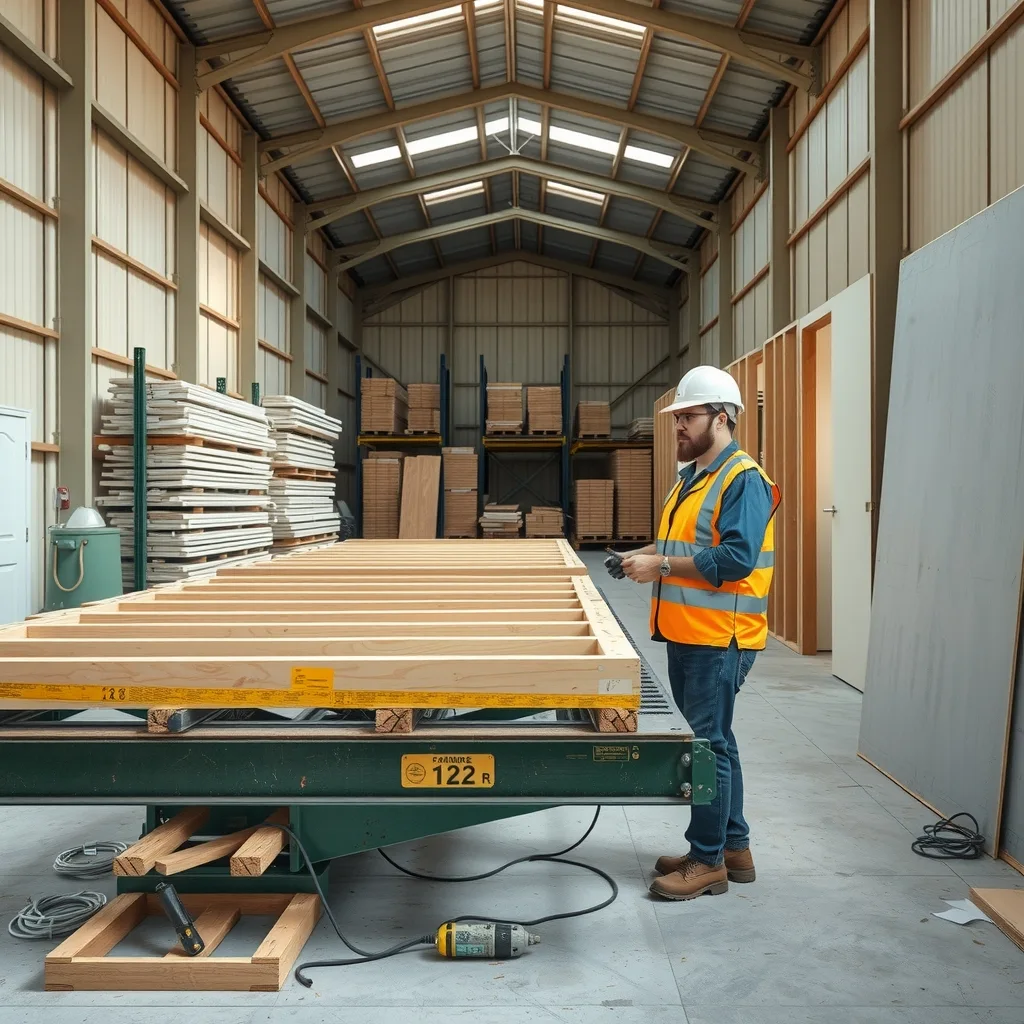
Any chippy who’s waited on an inspector will recognise the problem the scheme is trying to solve. Traditional building approval was designed around a house going up on site, with work checked at stages from footings through to framing. “That approach does not translate neatly to factory-built components, where much of the work is completed before products arrive on site,” Das wrote.
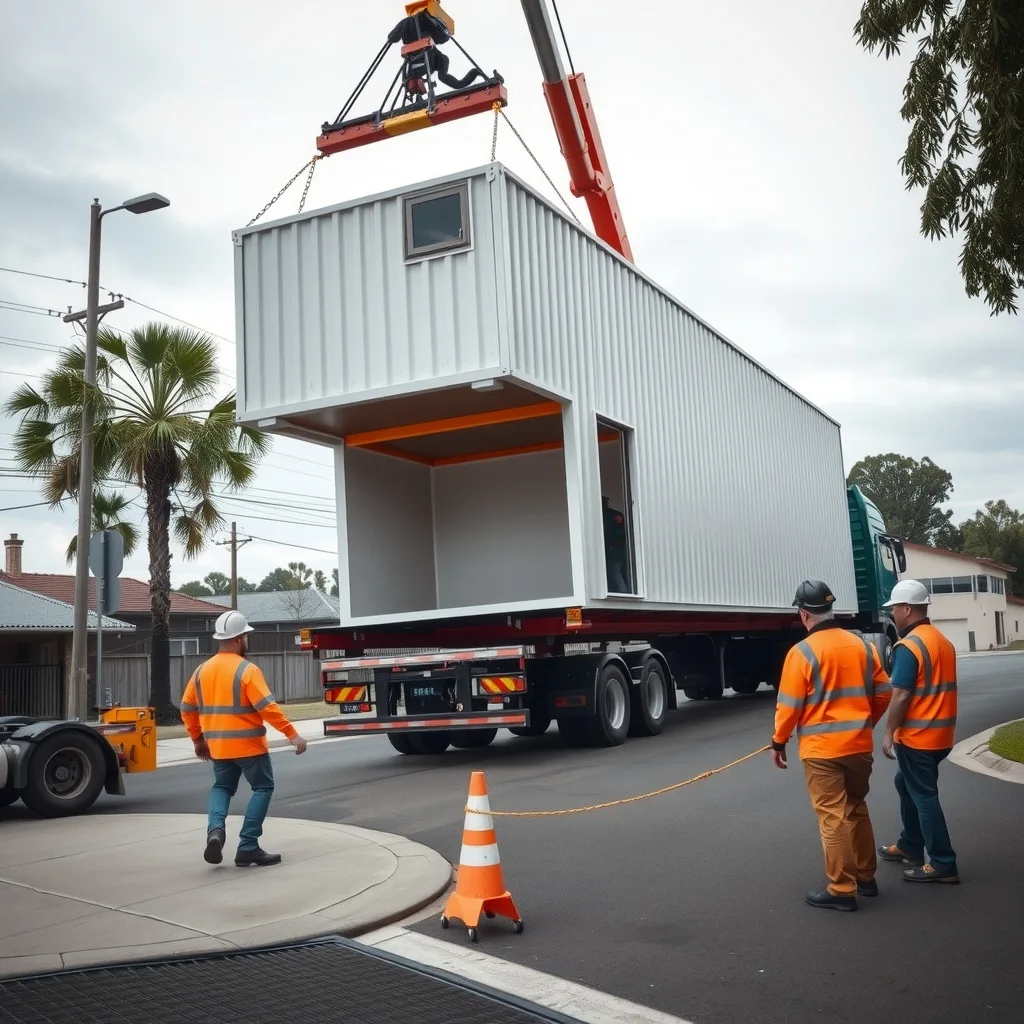
Put plainly, by the time the module is craned onto the slab, the frame is closed up, the linings are on and nobody’s opening a wall so a certifier can look at it. The scheme’s answer is to assess the manufacturer and its production processes instead, using one national framework rather than a different set of hoops in each jurisdiction, cutting duplication while holding the line on quality, safety and compliance.
What it changes on the tools, and what it doesn’t
Nothing here rewrites your licence. Fixed electrical wiring work requires a licensed electrician in every Australian state and territory, gasfitting requires a licensed gasfitter everywhere, and a glossary doesn’t touch any of that. Check your state regulator before you assume a factory setting changes who can do what.
What a shared vocabulary does change is the boring stuff that eats margin. Tender documents that describe the same product three ways. Data that can’t be compared between states. Certification pathways that have to be argued from scratch on every job because nobody agrees what’s being certified.
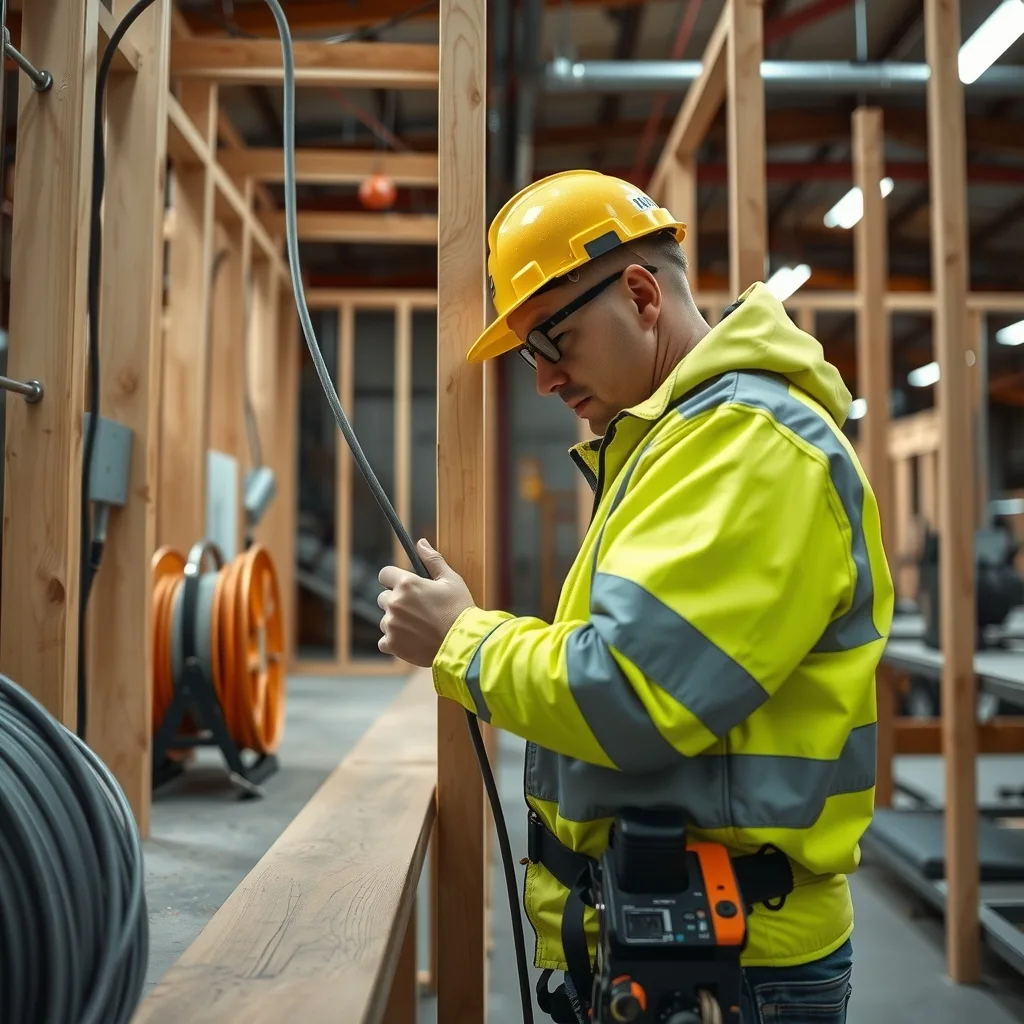
For anyone weighing up whether to chase off-site work, the useful signal is where the sector’s heading. The certification scheme is voluntary and still in development, so it isn’t a gate you need to pass through this year. But manufacturers getting assessed as manufacturers, rather than having each module treated as a one-off building, is the setup that makes factory production worth the capital in the first place.
What to watch next
The next phase is the one with teeth: a national standard for prefabricated buildings covering structural integrity, performance verification and how prefab work sits alongside the National Construction Code. That’s the document that will decide how a factory-built home gets signed off, and it’s worth reading when it lands.
Until then, the handbook’s free. If you’re quoting panelised or volumetric work and the scope keeps shifting under you, it’s a short download that tells you what the other side is supposed to mean.
Frequently asked questions
What is SA HB 268?
It’s a free handbook from Standards Australia that sets one national set of definitions for prefabricated building terms, covering 3D volumetric modules, 2D panelised systems and kit-of-parts construction.
Does the new glossary change licensing rules for electricians or gasfitters?
No. Fixed electrical wiring still requires a licensed electrician and gasfitting still requires a licensed gasfitter in every state and territory. The handbook only standardises terminology, not who can do the work.
Is the National Voluntary Certification Scheme for prefab manufacturers compulsory?
No. It’s voluntary and still in development. It assesses a manufacturer and its production processes rather than inspecting each building at site stages like footings and framing.
Where can I get the handbook?
SA HB 268 is available free online from Standards Australia.
Sourced from Electrical Connection. Original article.