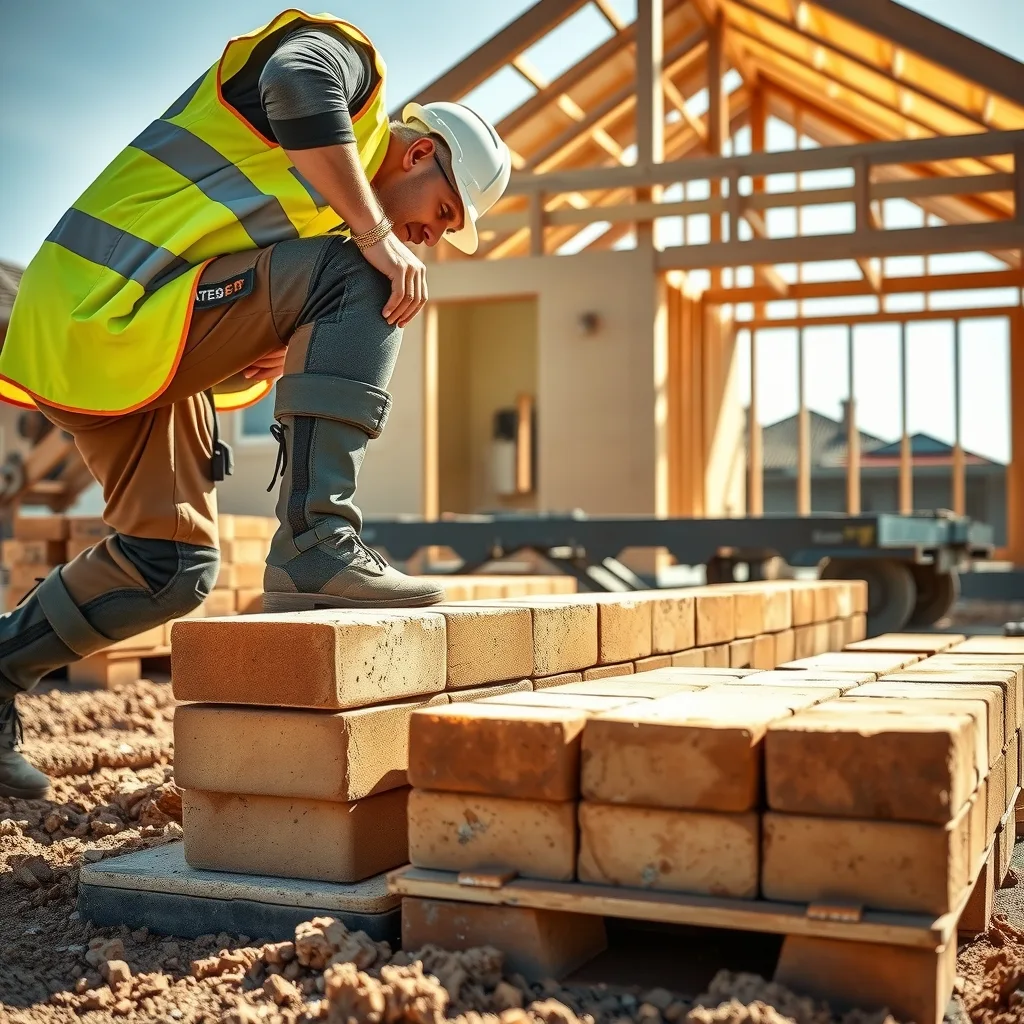

Western Australian builders have been offered a $7.5 million freight subsidy to get bricks to site, the Cook Government’s second intervention in six weeks as rationing by the state’s main brick producer bites into residential build programs. The money is aimed at covering the cost of carting bricks to WA jobs while local supply stays tight.
The package was reported on 10 November 2026 by The West Australian, and independently confirmed by Business News, which reported the Government had committed a further $7.5 million to tackle the state’s brick supply problem.
Freight is the obvious lever. Bricks are heavy and cheap per unit, which is why they’ve always been made close to where they get laid. The moment a Perth builder has to source outside the local kilns, the cartage line on the job starts doing damage that the brick price alone doesn’t explain.
Rationing started on 1 October
The trigger for all of this was allocation. WA’s main brick producer, Midland Brick, began rationing supply on 1 October 2026, telling builders they’d be given a set volume each year, The Urban Developer reported.
Allocation is a different animal to a price rise. A builder can price around a dearer brick. A builder can’t price around not being allowed to buy any more of them this year.
That’s what turns a materials story into a scheduling story. Bricklaying gangs work off a run of jobs booked weeks ahead, and a slab that can’t get its pallets on site doesn’t just sit idle, it shunts the roof carpenter, the roof plumber, the sparkie’s rough-in and every trade behind them down the program.
The squeeze has fallen hardest on the small and medium end of the market. Because WA runs on fixed-price building contracts, a new material delay lands on the builder’s balance sheet before it lands on the client’s, and the outfits with the thinnest margin and the shortest order book wear it first.
The $4 million Cardup restart came first
This freight subsidy follows the Government’s earlier move. On 29 September 2026, it committed up to $4 million to recommission Austral’s mothballed Cardup brickworks, according to the WA Government’s media statement.
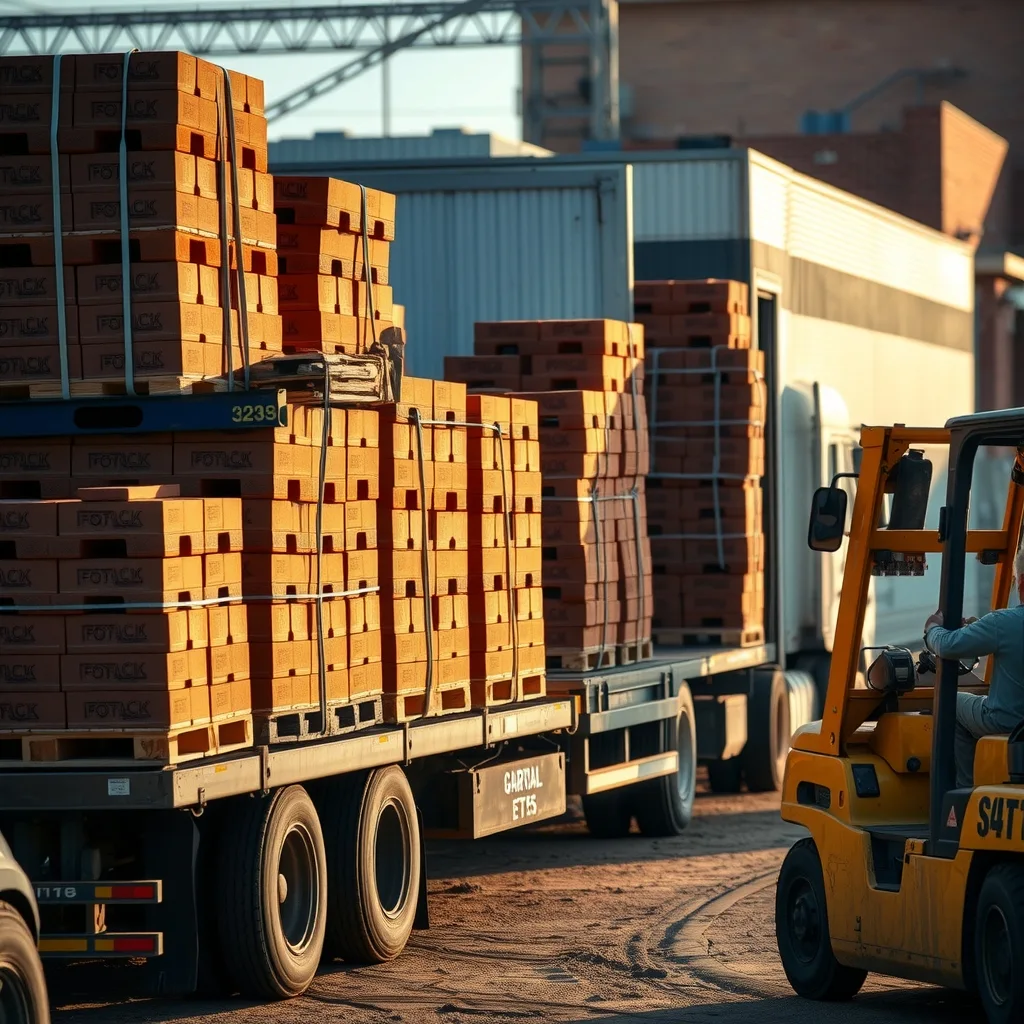
The Cardup plant is expected to produce around 17 million Maxibricks and lift Western Australia’s brick supply by 10 to 15 per cent once it’s operating, the WA Government said in that 29 September 2026 statement. That’s the number worth carrying: a one-plant restart moves the whole state’s brick supply by about a tenth.
That package included a $500,000 incentive payment for Austral to resume production by March 2027, plus a separate $500,000 tied to delivering 17 million Maxibricks within 12 months of the kilns firing up, The Urban Developer reported.
Add the new money and the running total climbs. The Housing Industry Association has framed the combined measures as an investment of up to $12.8 million in WA brick supply, so the $7.5 million freight subsidy sits on top of the Cardup package rather than replacing it.
That’s the number worth carrying: a one-plant restart moves the whole state’s brick supply by about a tenth.
HIA WA has also made the point that the benefit isn’t confined to project home builders. A broad cross-section of the construction industry uses the same bricks, and Master Builders WA has framed the shortage as stacking on top of cost and supply pressures that builders were already carrying.
The quiet shift from full brick to frame
The more interesting change for anyone holding a trowel is what builders do while they wait.
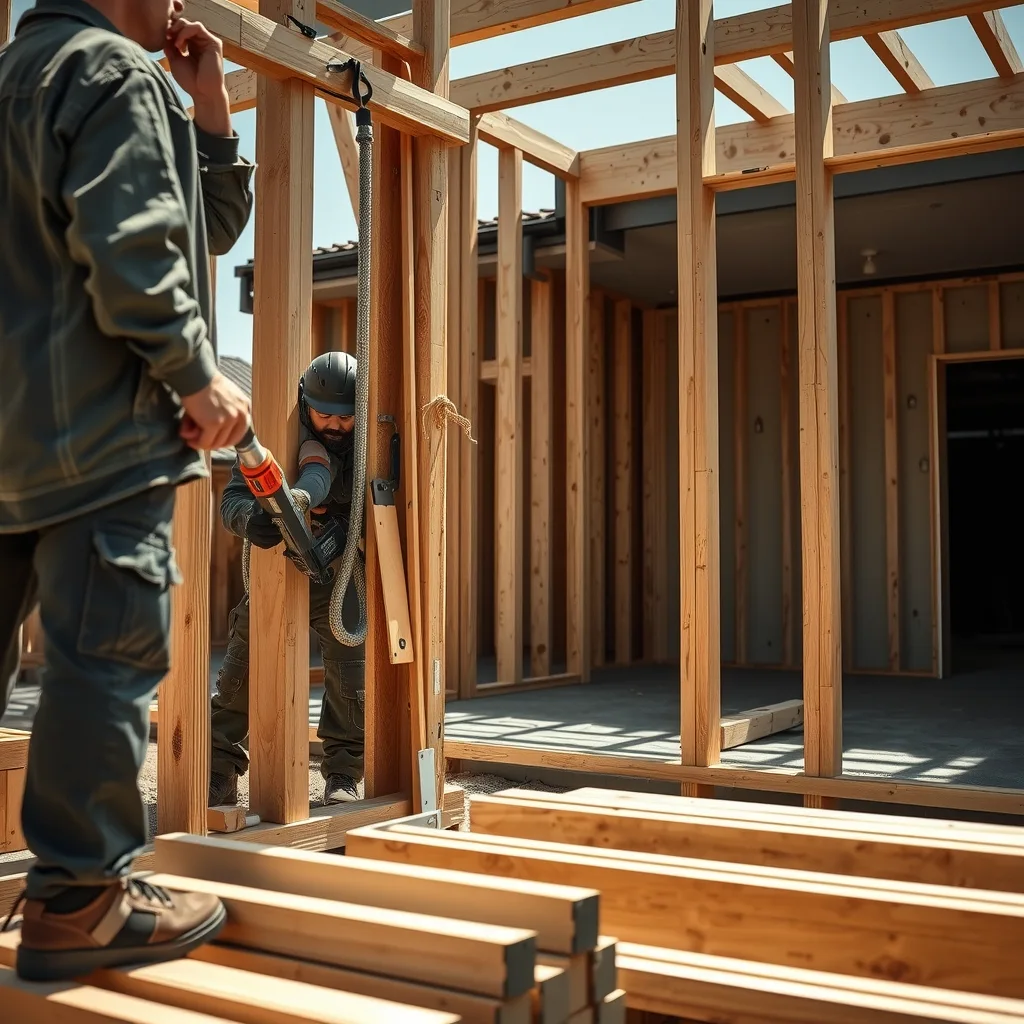
An Armadale-based builder, IQ Construction, expects the shortage to run for at least another 12 months and has been advising clients to look at brick veneer or fully framed construction rather than sit in a queue, according to The Good Builder.
That matters because WA is double-brick country in a way the eastern states aren’t. Swapping a double-brick house for brick veneer takes out an entire skin of brickwork. Swap it for a fully framed home and the brickwork largely disappears, replaced by framing, cladding and the carpentry labour that goes with it.
So the demand doesn’t vanish, it moves. Brickies in Perth should be watching allocation volumes and their builders’ specs closely over the next year. Chippies and framers should be watching the same thing for the opposite reason.
What to watch
March 2027 is the date on the calendar. That’s the deadline attached to Austral’s $500,000 incentive to restart Cardup, and the 17 million Maxibricks run the Government is paying for starts counting 12 months from the kilns lighting up.
Before then, the thing that tells a WA builder whether any of this is working isn’t the press release total. It’s whether next year’s allocation letter from the brickyard carries a bigger number than this year’s.
Frequently asked questions
Why is WA facing a brick shortage?
WA’s main brick producer, Midland Brick, began rationing supply to builders on 1 October 2026, capping each builder’s annual allocation and straining build programs that rely on double-brick construction.
How much has the WA government committed to fixing the brick shortage?
The Cook Government has committed up to $12.8 million in total, according to the Housing Industry Association, combining a $4 million package to restart Austral’s Cardup brickworks with a new $7.5 million freight subsidy.
When will the Cardup brickworks be back in production?
Austral has a $500,000 incentive to resume production by March 2027, with a further $500,000 tied to producing 17 million Maxibricks within 12 months of the kilns firing up.
Are builders switching away from brick because of the shortage?
Some builders, including Armadale-based IQ Construction, are already advising clients to consider brick veneer or fully framed construction rather than wait in the allocation queue, with the shortage expected to run at least another 12 months.
Sourced from The West Australian, Business News (WA), WA Government, Housing Industry Association, The Urban Developer, The Good Builder. Original article.