
Signify has released a batch of Philips Hue software and hardware updates covering AI-written lighting automations, two new ways to sync lights to a television, support for Nanoleaf panels inside the Hue app, and fresh indoor and outdoor luminaires. The headline software feature, Custom AI Behaviours, works only on the Hue Bridge Pro.
The announcement was reported by Electrical Connection, which detailed the full product list. No Australian pricing or availability dates were included.
The AI feature is a Bridge Pro upsell
Custom AI Behaviours lets a user describe what they want in plain language, and the Hue AI assistant turns the request into a behaviour built from triggers, conditions and lighting actions.
The examples given are the sort of thing installers currently build by hand: different switch and sensor behaviour on weekends, a scene that fires when it gets dark rather than at a set time, or a scene that kicks in when an entertainment setup starts syncing.
Signify is also previewing Back-up and Restore, which will let Bridge and Bridge Pro owners push settings to the Hue cloud, including lights, accessories, rooms, zones, scenes and automations. Restore, at launch, is Bridge Pro only.
That matters more than it sounds on a handover. A dead bridge on a house with a couple of dozen fittings, half a dozen scenes and a stack of automations is currently a rebuild by hand, and the person doing the rebuilding is usually whoever did the original install.
Two different ways to light up behind the telly
The Philips Hue Play Screen Sync is the plug-and-play option. It uses a fisheye lens and automatic calibration to read the television picture in real time and push those colours into the room, and Signify says it works with native smart-TV apps, broadcast television and HDMI-connected devices no matter where the content comes from.
Because it reads the screen optically, it has to sit somewhere with a clear view of the display. That’s a mounting conversation to have on site, not after the client has hung the TV.
For HDMI-based rigs there’s the Philips Hue Play HDMI sync box 4K, described as a single-HDMI solution for 4K content. Worth checking against a client’s AV gear before you quote it, because a lounge room running a console, a set-top box and a streaming stick is a different job to one running a single source.
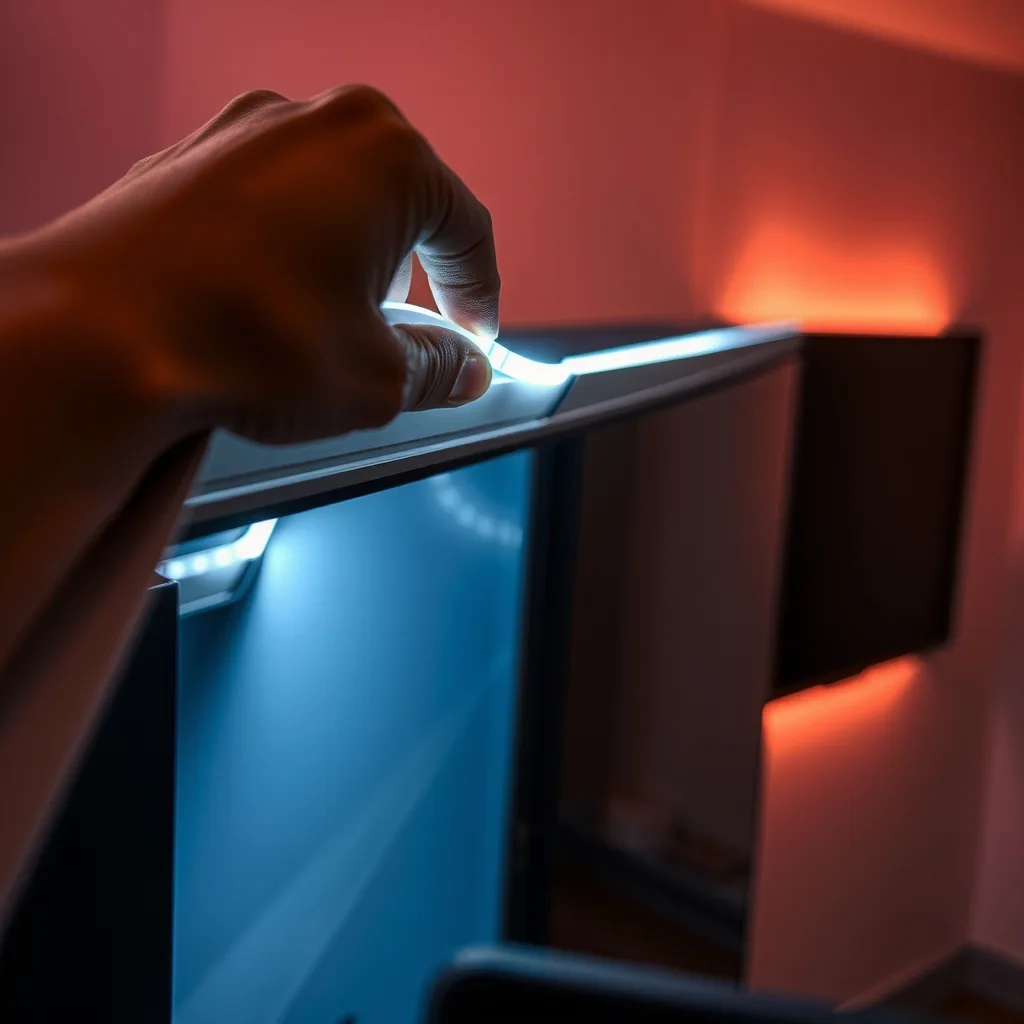
The Play gradient strip range is also growing. Standard and pro versions are cuttable to suit different television sizes, and a new model covers televisions up to 100 inches. One gradient TV strip will sync with either the HDMI Sync Box 4K or Screen Sync over Bluetooth with no bridge at all, while adding a Hue Bridge or Bridge Pro opens up surround lighting across as many as 10 lights, according to Signify’s September 2026 announcement.
Cuttable is the useful word there for anyone carrying stock. One part number stretching across screen sizes beats three sitting in the back of the ute waiting for the right job.
Nanoleaf panels and Sonos buttons come inside the app
Hue is adding support for compatible Nanoleaf Shapes, including Hexagons, Triangles and Mini Triangles, through the Philips Hue Wall Light Module. Once connected, those panels can join Hue scenes, automations and entertainment experiences.
A forthcoming Sonos integration will let selected Hue switches, including the Tap Dial Switch, drive Sonos: Favourites assigned to buttons, play and pause, volume, and track skipping.
Both are ecosystem plays, the kind of interoperability question we cover in our guide to Matter vs Zigbee vs Z-Wave for Australian smart homes, and both cut down the number of apps a client has to be walked through at handover. That’s the part of a smart-home job that generates the callbacks.
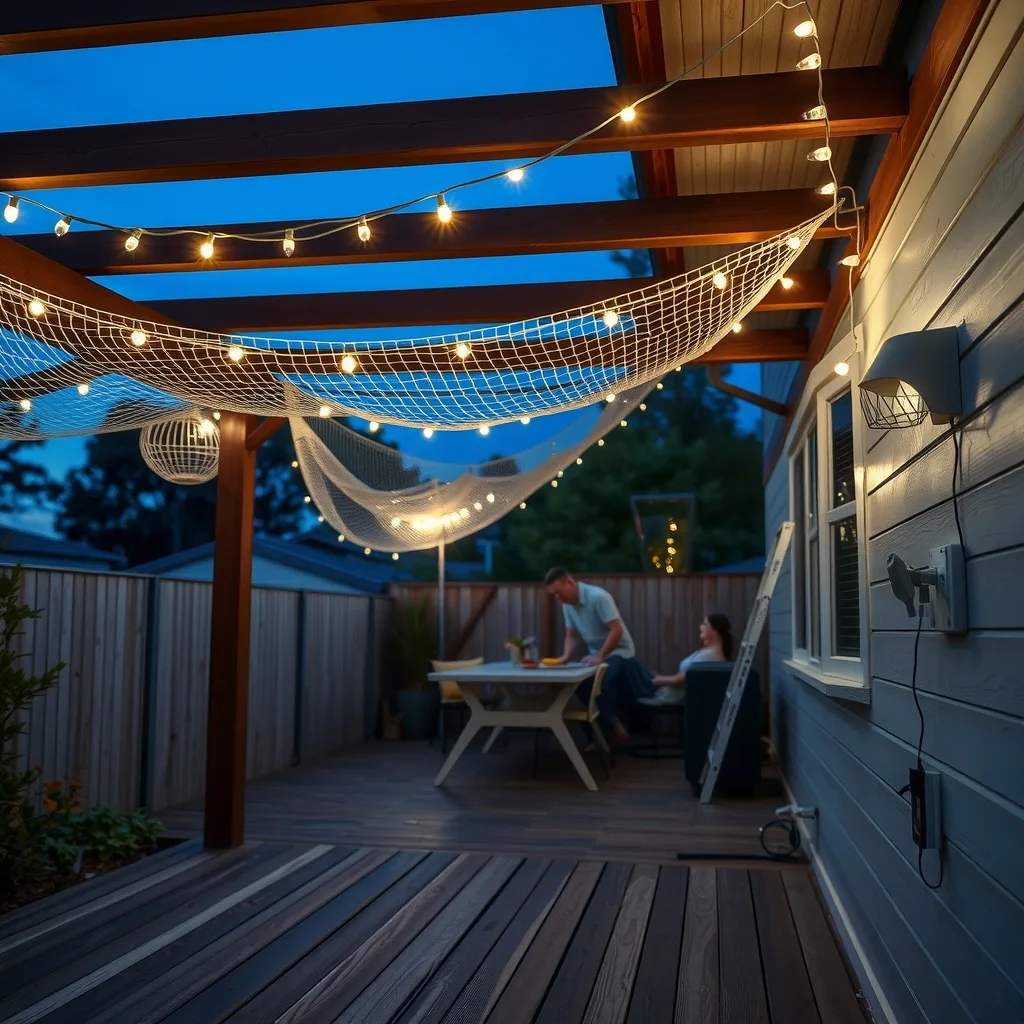
On the hardware side, the Liane 360-degree rope light uses optics designed to throw light around its full circumference and is flexible enough to wrap walls, furniture and architectural features. The Signe range picks up a pendant, a pendulum and a pole. Outdoors, the Festavia range now runs to curtain, net and icicle lights, with new outdoor wall lights and spotlights joining the range as well.
Signify business leader consumer connected lighting Marco Merolla framed the release around personalisation.
“People want their homes to feel personal, to reflect their routines, tastes and the way they live,” Merolla said.
“Our latest innovations give them more freedom to create those experiences through intelligent software, new ways to bring entertainment and lighting together, and thoughtfully designed products. By making smart lighting more intuitive and seamlessly integrated into everyday life, we are helping people shape spaces that feel uniquely their own.”
Where the licensed work sits
Plenty of this range is plug-in gear a homeowner can set up themselves, and that’s fine. The line doesn’t move: any fixed wiring work, including hardwiring a luminaire or a driver into mains, requires a licensed electrician in every Australian state and territory, and that applies to outdoor fittings and any supply point you have to put in to feed them.
The billable end of a job like this is rarely the strip light. It’s the supply for the outdoor runs, the mounting and cable management behind a wall-hung TV, commissioning the bridge, and then sitting with the client while they learn what the scenes do.
Watch two things before you spec any of it. First, whether a client actually needs a Bridge Pro, because the AI automations and the restore function both hang off it. Second, Australian pricing and stock dates, which this announcement didn’t carry.
Frequently asked questions
Do I need a Hue Bridge Pro to use the new AI automations?
Yes. Custom AI Behaviours, and the launch version of Back-up and Restore, work only on the Hue Bridge Pro, not the standard Hue Bridge.
Do I need an electrician to install Philips Hue lighting?
Plug-in Hue gear like strips and lamps is DIY, but any fixed wiring work, including hardwiring a luminaire or driver into mains, requires a licensed electrician in every Australian state and territory.
Is there Australian pricing for the new Hue range yet?
No. The announcement, reported by Electrical Connection, did not include Australian pricing or availability dates.
What’s the difference between the two Hue TV sync options?
The Philips Hue Play Screen Sync is a plug-and-play optical unit that reads the screen with a fisheye lens, while the Philips Hue Play HDMI sync box 4K is a single-HDMI wired option built for 4K content.
Sourced from Electrical Connection. Original article.