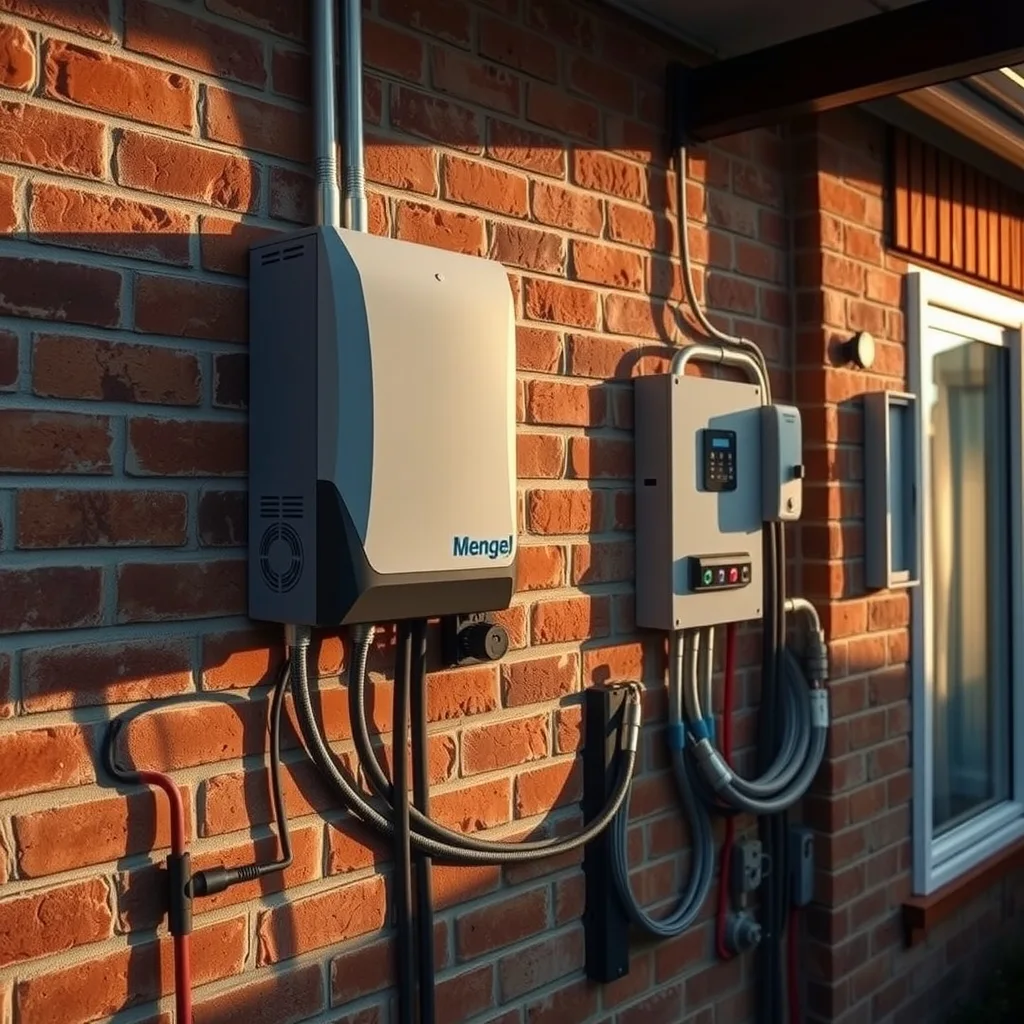

The Clean Energy Regulator received 95 tip-offs between March and June alleging fraud and misconduct under the federal Cheaper Home Batteries Program, including claims that operators staged photos of battery installs to claim rebates, forged signatures and paid unlicensed workers cash to do the work. The scheme covers up to 30 per cent of the cost of a home battery system and is now estimated to cost more than $7.2 billion over four years, roughly $5 billion above the original figure.
The tip-offs run to hundreds of pages and were obtained by the ABC under Freedom of Information. None of the claims has been tested. Names of installers, retailers and individuals were redacted, no responses from accused parties were included, and the release did not detail any regulatory action that may be under way.
Solar and consumer advocates labelled the accusations “absolutely shocking”, the ABC reported.
The deadline rush that drew the “battery cowboys”
Finn Peacock, founder of comparison site Solar Quotes and a supporter of the program, said its original design paid companies through tradeable small-scale technology certificates, which created strong incentives for bigger and bigger battery systems and drew in what he called “battery cowboys”.
Subsidy levels were cut from 1 May, under changes announced in December aimed at reining in over-selling. That gave the industry a hard cliff to run at.
“There was a massive temptation to get as many of those jobs installed as possible before the deadline,” Peacock said.
Anyone who’s worked a job with a rebate cut-off knows the shape of that fortnight. Bookings stacked, paperwork done in the ute at the next address, sign-offs chasing the trucks. Most of it above board. Some of it, according to the tip-offs, not.
Photos “staged in front of a roller door”
The regulator requires installers to submit photos of the finished job, time-stamped with the location. Whistleblowers alleged that requirement was gamed.
One tipster claimed a Queensland solar installer was lodging claims for battery installations that were “staged”, and said the behaviour appeared to be “systematic”. Extra batteries were positioned temporarily, the tip alleged, “then removed after [STC] claims have been submitted”, with the customers unaware. In one instance the gear was “staged in front of a roller door without visible cable connections”.
Another installer described the same trick, allegedly done by “unpacking the battery boxes … stacking the batteries and just taking enough photos to show on their STC Trading Application”.
“This is illegal and whoever is behind this must be held accountable,” they wrote.
In the most extreme case in the documents, a customer alleged an installer turned up at night, two months after the install, to remove batteries the household had already paid for in full. The man and his wife felt threatened and called police.
Peacock said the allegations of “outright theft” from staged jobs floored him.
“That blew me away…the brazenness of that,” he said.
Stephanie Tonkin, chief executive of the Consumer Action Law Centre, said that if the claims of rorting were proven, they would undermine the “policy goals and the trust in that system”.
Where this lands on legitimate installers
Battery work under the federal scheme carries two locks. The installer has to be accredited by Solar Accreditation Australia for the householder to claim the certificates, and the fixed electrical side of the job, the switchboard connection, the isolation, the commissioning, requires a licensed electrician in every state and territory. There’s no version of a battery tie-in a handy bloke can legally do.
Industry tip-offs alleged some operators worked around both locks. One whistleblower said they were offered cash to sign off on jobs completed by unlicensed foreign workers, and raised concerns about manipulated site photos. Another described “systematic” non-compliance at a company.
Peacock said unscrupulous operators could cut worker costs by using unlicensed crews instead of paying qualified solar electricians, but they risked getting caught, with consequences including battery fires, injuries or poor system performance.
For an accredited installer quoting honestly, that’s the commercial problem in one line. You’re pricing a licensed sparky onto the job and a site visit to commission it properly. The bloke you lost the quote to may not have been.
The inspection numbers, and the inquiry push
The Clean Energy Regulator has inspected more than 3,600 batteries out of the more than 530,000 installed since July 2025, the ABC’s FOI reporting shows, with results shared to state and territory regulators and Solar Accreditation Australia.
The regulator declined an interview. In a statement, a spokesperson said it had “an active compliance program” and confirmed allegations were under investigation. It can suspend companies from the scheme or pursue civil or criminal action, and said matters involving sales practices, contracts, refunds or consumer guarantees sit primarily with state and territory consumer protection agencies and the ACCC.
In 2025 to 2026 the regulator received 315 formal referrals about the Small-scale Renewable Energy Scheme, which takes in installer conduct under the battery program. Of those, 17 were referred for formal investigation and 106 were passed to external agencies.
The Smart Energy Council said anyone flouting electrical licensing and battery accreditation laws “should be named, shamed and punished”, but pointed out the regulator’s own statistics show only 17 formal investigations against more than half a million installs.
Shadow Energy Minister Dan Tehan said the opposition would seek support across the parliament for a Senate inquiry.
“Given the seriousness of the revelations as a result of the unearthing of these FOI documents, we need an independent inquiry,” Tehan said.
Prime Minister Anthony Albanese, asked on ABC News Breakfast whether he’d back an inquiry, wouldn’t commit. “This has been a fantastically successful program,” Albanese said.
Minister for Climate Change and Energy Chris Bowen was unavailable for an interview. In a statement, a spokesperson said: “The government has zero tolerance for poor behaviour from installers.” Bowen also said a new National Technical Regulator would be created to check household solar and batteries were properly installed and commissioned.
What to watch
Two things matter for anyone doing this work. First, whether the Senate inquiry gets up, because a public hearing process tends to produce the audit trail that FOI redactions don’t. Second, the National Technical Regulator: if it lands with real inspection numbers behind it, the ratio of 3,600 checks to 530,000 installs is the figure it will be judged against. Keep your commissioning records, your licensed-electrician sign-offs and your site photos clean and dated. On current form, the people knocking on doors won’t just be the Clean Energy Regulator.
Frequently asked questions
Is DIY home battery installation legal in Australia?
No. The fixed electrical side of a battery installation, including the switchboard connection, isolation and commissioning, requires a licensed electrician in every state and territory, and the installer must be accredited by Solar Accreditation Australia for the household to claim the federal rebate certificates.
How much does the Cheaper Home Batteries Program rebate cover?
The scheme covers up to 30 per cent of the cost of a home battery system and is now estimated to cost more than $7.2 billion over four years, roughly $5 billion above the original figure.
How many home batteries has the regulator actually inspected?
The Clean Energy Regulator has inspected more than 3,600 batteries out of the more than 530,000 installed since July 2025, according to the ABC’s FOI reporting.
Sourced from ABC News. Original article.