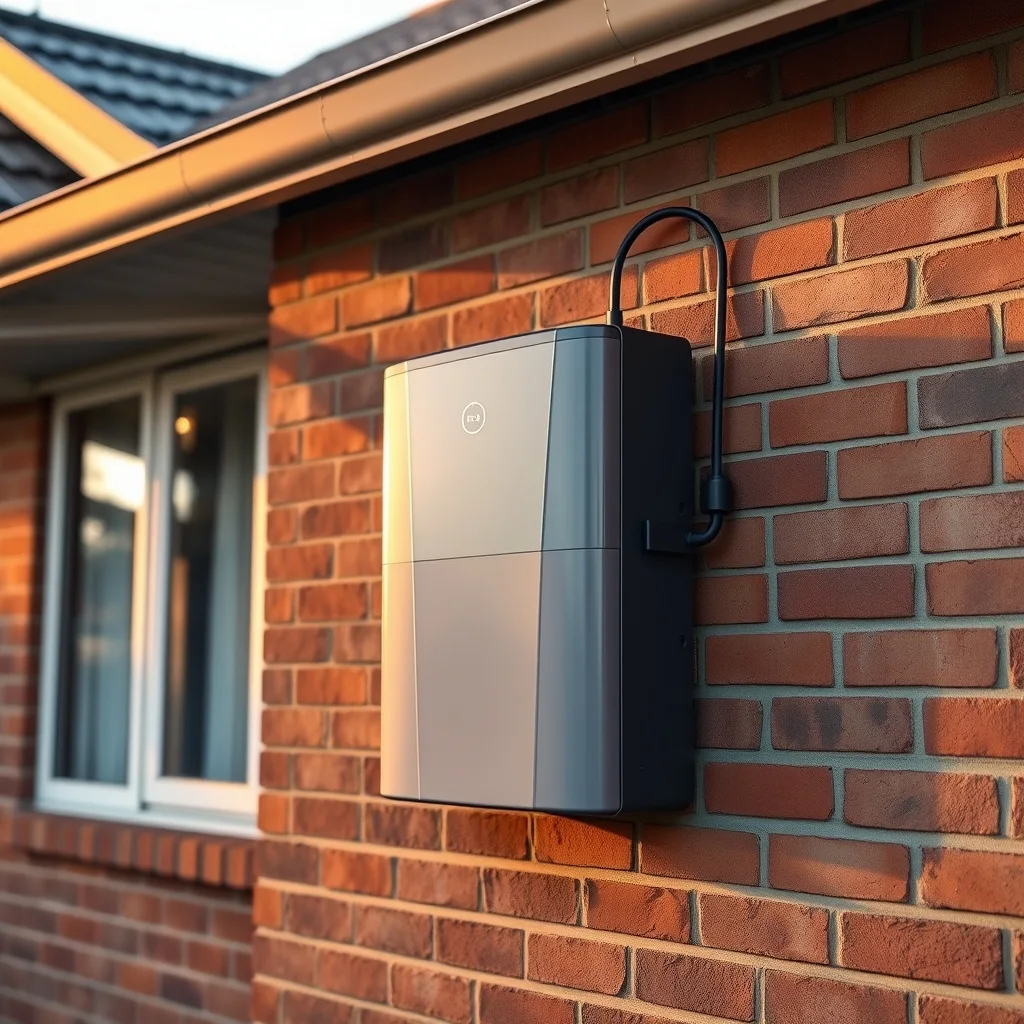

Household battery installations fell by more than 70 per cent in May after the federal government tightened its subsidy rules, with Clean Energy Regulator figures showing about 20,000 systems installed that month compared to more than 80,000 in April.
The drop wasn’t a surprise. April was the final month of the original, more generous terms under the Cheaper Home Batteries Program, so demand was pulled forward sharply as households rushed to lock in bigger rebates before the deadline. June came in at a similar level to May.
Warwick Johnston, managing director of solar consultancy SunWiz, said the pre-deadline surge was artificial demand that would otherwise have been spread over months. “That’s why it’s called a solar-coaster,” he told ABC News. The pattern mirrors what’s happened repeatedly in the solar PV market when incentives shift.
The rule change targeted oversized systems. Under the original design, a 50-kilowatt-hour battery attracted around $18,000 in taxpayer subsidies, well above what a typical household needs. The Australian Energy Regulator puts average home consumption at 15 to 20 kilowatt hours a day, making a 10-kilowatt-hour battery the standard benchmark. From May, the full subsidy applies only up to the first 14 kilowatt hours of storage, then tapers to a cap at 50 kilowatt hours. The government also added $5 billion to the program, bringing the total to $7.2 billion and extending incentives to 2030.
Close to 450,000 batteries have been installed nationally since the scheme launched, against a federal target of two million by 2030. Finn Peacock, founder of comparison site SolarQuotes, said the scheme has shifted consumer expectations. “Before the battery rebate, batteries were seen as too expensive a luxury, but now it’s almost like the norm,” he said. There are now more than four million small-scale solar installations across Australian rooftops, for context on what that rooftop solar base looks like, see BCN’s cost to install solar panels in Australia guide.
For solar and battery installers, the six-monthly subsidy step-downs baked into the program mean boom-bust isn’t going away. Peacock said those declining incentives will keep driving last-minute rushes. “You’re still going to get this kind of boom and bust every six months,” he said. Installers who plan around those windows, and help customers understand the real deadline, are likely in a stronger position than those who don’t.
Frequently asked questions
How much is the home battery rebate in Australia now?
Under the revised rules from May, the full subsidy applies to the first 14 kilowatt hours of storage, then tapers to a cap at 50 kilowatt hours. Under the original design, a 50-kilowatt-hour battery attracted around $18,000 in subsidies.
When does the Cheaper Home Batteries Program end?
The government extended the program to 2030 when it added $5 billion in extra funding, bringing the scheme’s total cost to $7.2 billion.
How many home batteries have been installed under the scheme?
Close to 450,000 batteries have been installed nationally since the scheme launched. The federal government’s target is two million by 2030.
Why do battery installs spike before subsidy changes?
Six-monthly subsidy step-downs are built into the program, which means demand gets pulled forward each time a deadline approaches. Solar consultancy SunWiz managing director Warwick Johnston describes the pattern as the “solar-coaster.”
Sourced from ABC News, Clean Energy Regulator, Australian Energy Regulator. Original article.