
Australia has passed 500,000 home battery installations, about a quarter of the Cheaper Home Batteries Program’s target of more than two million systems by 2030. Federal funding for the scheme has been lifted from its original $2.3 billion allocation to $7.2 billion over four years.
The milestone was reported by Electrical Connection, which put the national tally at roughly 500,000 installs midway through 2026. Details of the program sit with the federal energy department at energy.gov.au.
Minister for Climate Change and Energy Chris Bowen put the rollout in global terms and gave the daily install rate.
“This is a story of global significance! Australian households have delivered 14GW hours of storage. We’re installing around 2,000 batteries every single working day across the country. And for many households, that has brought their power bills down to zero,” he says.
“We’re installing around 2,000 batteries every single working day across the country.”
Prime Minister Anthony Albanese said the subsidy was doing more than shaving bills.
“This has been an extraordinarily successful scheme. It’s creating jobs and generating economic activity, while also reducing power bills,” he says.
“It’s making a genuine difference to climate change by cutting our emissions. Overall, this is a complete win-win.”
Every one of those 500,000 jobs is licensed work
Batteries don’t self-install. Fixed electrical wiring is licensed work in every state and territory in Australia, with no DIY exemption anywhere, and battery jobs run to the national Wiring Rules (AS/NZS 3000) like any other fixed installation.
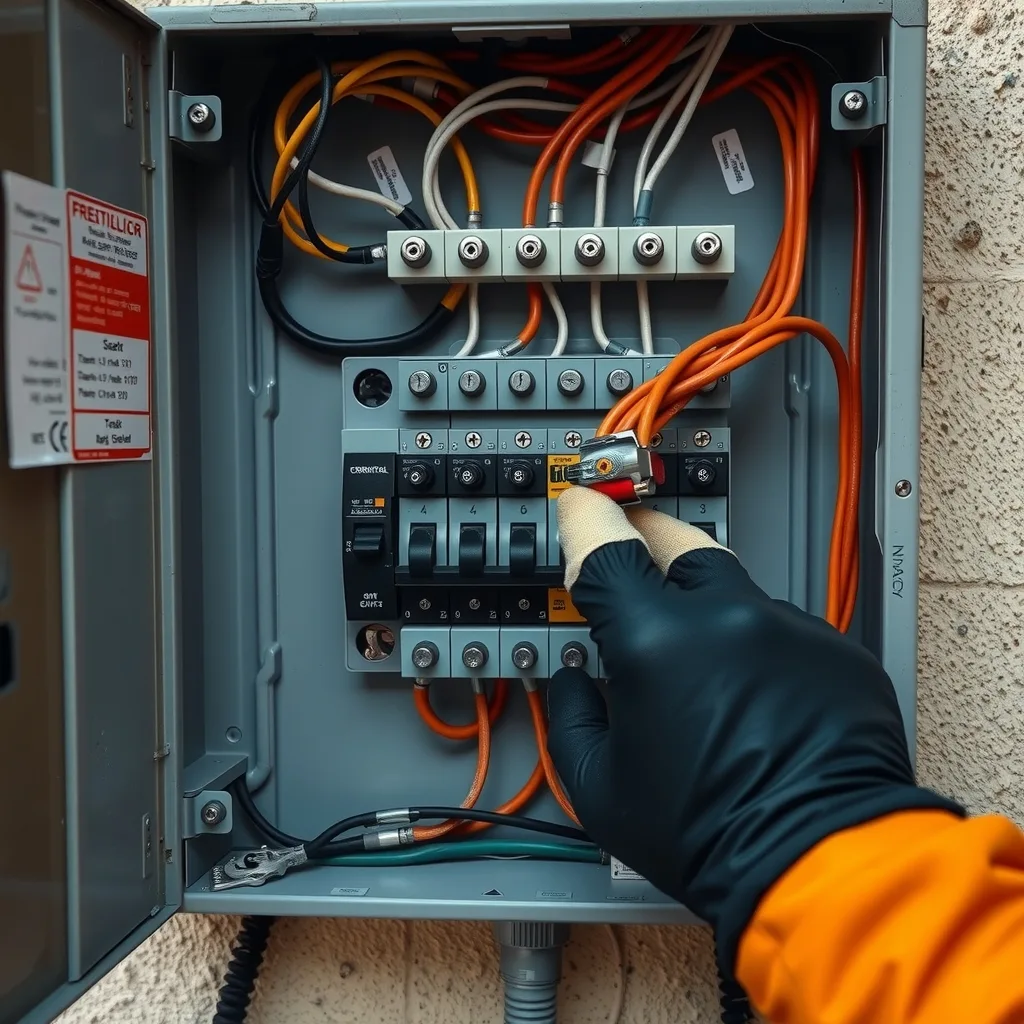
There’s a second gate on top of the licence. For the household to claim the federal small-scale certificates that knock money off the upfront price, the work has to be done by an accredited installer, not simply a licensed sparkie. That accreditation is the difference between watching this rollout go past the ute and being in it.
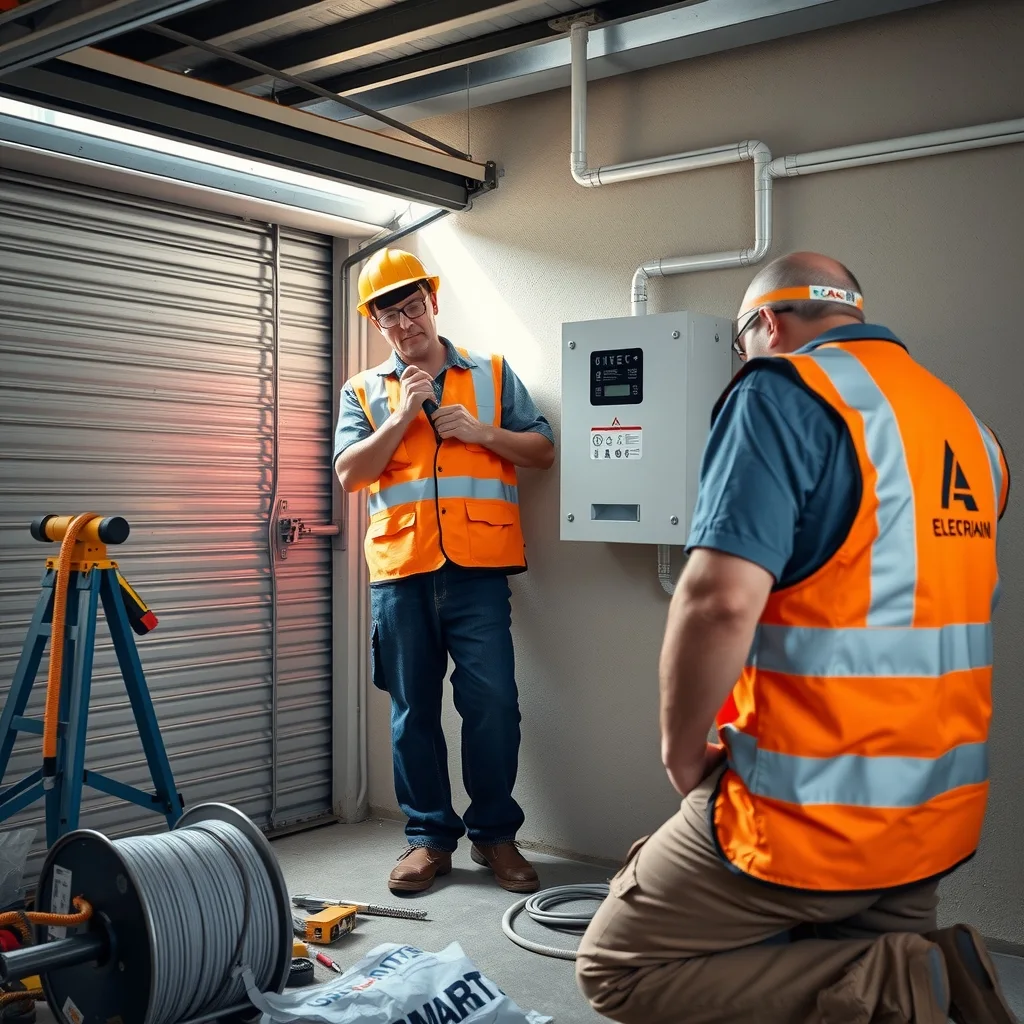
The scope on a typical retrofit isn’t just hanging a box on a garage wall either. There’s the site assessment, the switchboard and isolation work, mounting and cabling on both the DC and AC sides, protection, commissioning, and then the connection application with the local network distributor before the thing can legally export.
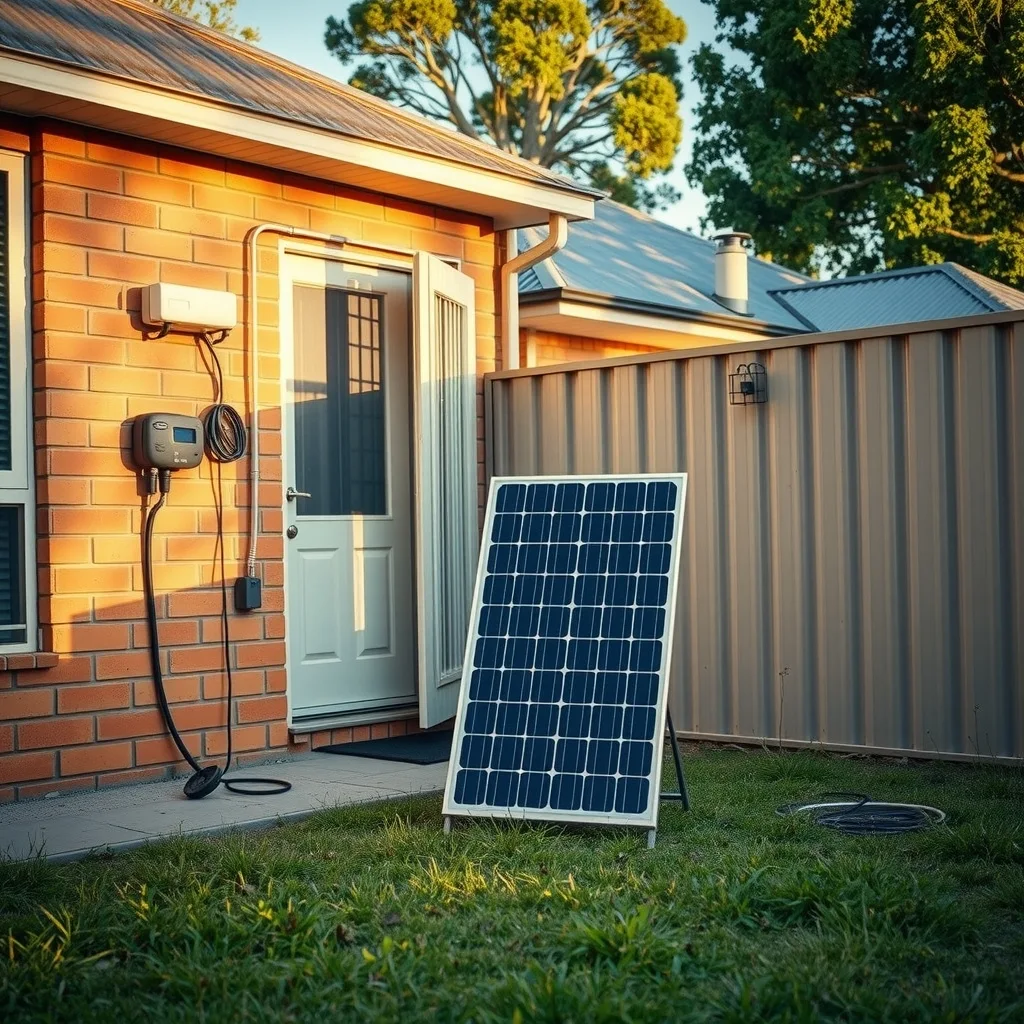
Retrofitting onto an existing rooftop solar system splits two ways: swap the existing inverter for a hybrid unit, or bolt on an AC-coupled battery and leave the original inverter where it is, a choice worth weighing against the options compared in Tesla Powerwall vs Sungrow vs Enphase. Those are different parts lists, different labour, and different quotes. Homeowners ringing around for prices often don’t know that, which is why the first site visit does the selling.
The number worth writing down
Australia had recorded about 500,000 home battery installations by the middle of 2026, roughly a quarter of the Cheaper Home Batteries Program’s stated target of more than two million systems by 2030, Electrical Connection reported in August 2026.
That’s the figure that matters for anyone deciding whether to put on another apprentice. A four-year funding envelope of $7.2 billion is a longer runway than most trade work gets, and it’s attached to a target with 1.5 million installs still to go. It’s also a political commitment rather than a contract, and targets get revised. Homeowners costing out a retrofit can check a home battery installation cost guide before ringing around. Plan the hiring on the work in front of you, not the 2030 number.
Commercial is the next front
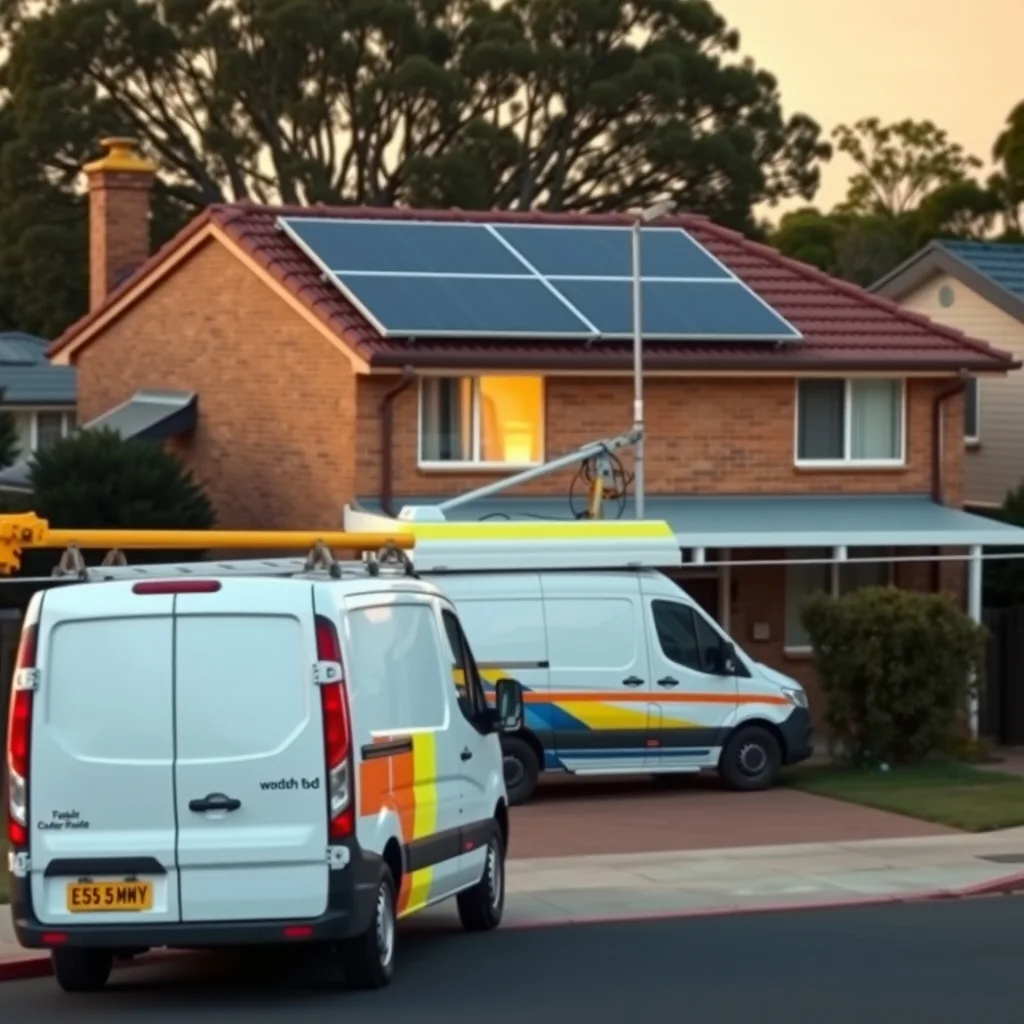
The government’s attention is now shifting to what it calls the “missing middle”: commercial and industrial energy users who are too big for a household system and too small for a utility-scale project. Further regulatory work and state-based incentives are expected to push solar-plus-storage into that bracket.
For contractors, that’s a different job again. Commercial sites generally mean three-phase supply, bigger boards, longer lead times on gear, and a connection process that involves more than a form and a fortnight. The firms already doing residential volume will be the ones best placed to bid it, but the skills and the paperwork don’t transfer one for one.
What to watch
Three things will decide how much of this lands in your diary. Whether the funding expansion holds through the next budget cycle. Whether the states layer their own incentives on top, because that’s what has driven the peaks in uptake so far. And whether the accredited installer pool grows fast enough to absorb 2,000 jobs a working day without the price of the work falling through the floor.
If you’re not accredited and you’re watching battery jobs walk past your business, that’s the piece of paper to chase before the commercial wave starts.
Frequently asked questions
Do I need a licensed electrician to install a home battery in Australia?
Yes. Fixed electrical wiring is licensed work in every state and territory with no DIY exemption anywhere, and battery installs must follow the national Wiring Rules, AS/NZS 3000.
Does the electrician need extra accreditation to claim the battery rebate?
Yes. To claim the federal small-scale certificates that reduce the upfront cost, the work must be done by an accredited installer, not just a licensed electrician.
How much government funding is behind the Cheaper Home Batteries Program?
Federal funding for the scheme has grown from an original $2.3 billion allocation to $7.2 billion over four years.
How many home batteries has Australia installed so far?
Australia had recorded about 500,000 home battery installations by the middle of 2026, roughly a quarter of the program’s target of more than two million systems by 2030.
Sourced from Electrical Connection. Original article.