
The consumer watchdog wants a major shake-up of unsolicited selling rules, with solar installers and home improvement contractors among the businesses most exposed.
The Australian Competition and Consumer Commission launched a formal review into door-to-door sales, cold calling, and social media-driven lead generation on 17 June 2025, following Australia’s first-ever designated “super complaint” lodged by the Consumer Action Law Centre (CALC) on 20 March 2025. The ACCC’s published report recommends increased penalties for breaches of consumer safeguards, a new opt-in model for consumers targeted by unsolicited sales, and clarification that existing rules cover sales originating from lead generation services.
CALC CEO Stephanie Tonkin put it plainly: “We see the harms that door-to-door sales and high-pressure sales tactics can have on unsuspecting Victorians.” A January 2025 survey by the Consumer Policy Research Centre for CALC found 82 per cent of people in regional Australia had directly experienced unsolicited selling, whether door-to-door or by phone.
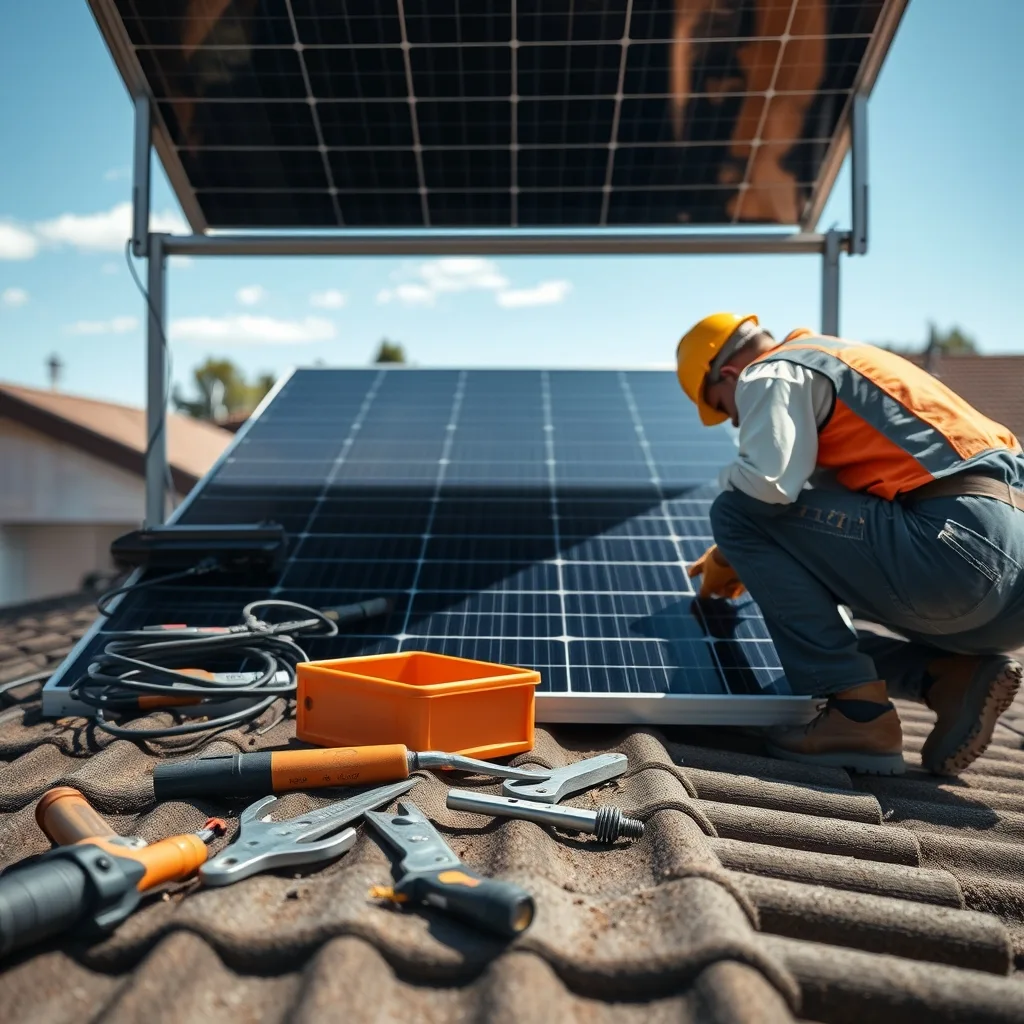
Solar is front and centre. CALC argued in its complaint that unsolicited rooftop solar sales are damaging consumer trust in solar and government rebate schemes, a concern that puts legitimate solar installers in an awkward spot. If you’re quoting customers on solar, the solar rebates by state guide shows which programs carry the strictest sales-conduct conditions. Victoria already banned unsolicited door-to-door energy sales under its Victorian Energy Upgrades program from August 2024, and cold-call telemarketing for those products from 1 May 2024. That state-level move signals where federal rules could head next.
Under the existing Australian Consumer Law, rules around unsolicited consumer agreements have been in force since 2011. They apply to sales over $100 made away from the supplier’s premises. Salespeople can’t knock on doors on Sundays or public holidays; weekday visits are limited to 9am, 6pm, and Saturdays to 9am, 5pm. Consumers get a 10-business-day cooling-off period after signing, and if a salesperson is asked to leave, the business can’t make contact again for 30 days. Breaches extend cancellation rights to up to six months.
For tradies running solar, insulation, or energy upgrade businesses, the practical risk is real. Many in regional WA and elsewhere rely on door-knocker or cold-caller pipelines to generate residential leads. The ACCC’s proposed opt-in model would require consumers to actively consent before being approached, cutting off that channel unless businesses restructure how they source work.
The ACCC consultation closed 31 July 2025, so the recommendations are live. Checking your sales compliance against the existing ACL rules now, before tougher federal rules land, is the sensible move.
Frequently asked questions
What are the current Australian Consumer Law rules for door-to-door salespeople?
Under the ACL, unsolicited sales rules apply to any transaction over $100 made away from the supplier’s premises. Salespeople can’t visit on Sundays or public holidays, are limited to 9am, 6pm on weekdays and 9am, 5pm on Saturdays, and must stop contact for 30 days if asked to leave. Consumers have a 10-business-day cooling-off period after signing.
How would the ACCC’s proposed opt-in model affect solar businesses?
Under the proposed model, consumers would need to actively consent before being approached by an unsolicited seller. For solar installers relying on door-knocker or cold-caller pipelines, that would effectively cut off that lead source unless they restructure how they find residential customers.
Has Victoria already changed its rules on unsolicited solar sales?
Yes. Victoria banned unsolicited door-to-door energy product sales under its Victorian Energy Upgrades program from August 2024, and prohibited cold-call telemarketing for those products from 1 May 2024.
When did the ACCC consultation on these changes close?
The ACCC consultation closed on 31 July 2025. The recommendations are now live and could inform federal legislative changes.
Sourced from ACCC, Consumer Action Law Centre (CALC), Mirage News (ACCC media release), Consumer Policy Research Centre (CPRC). Original article.