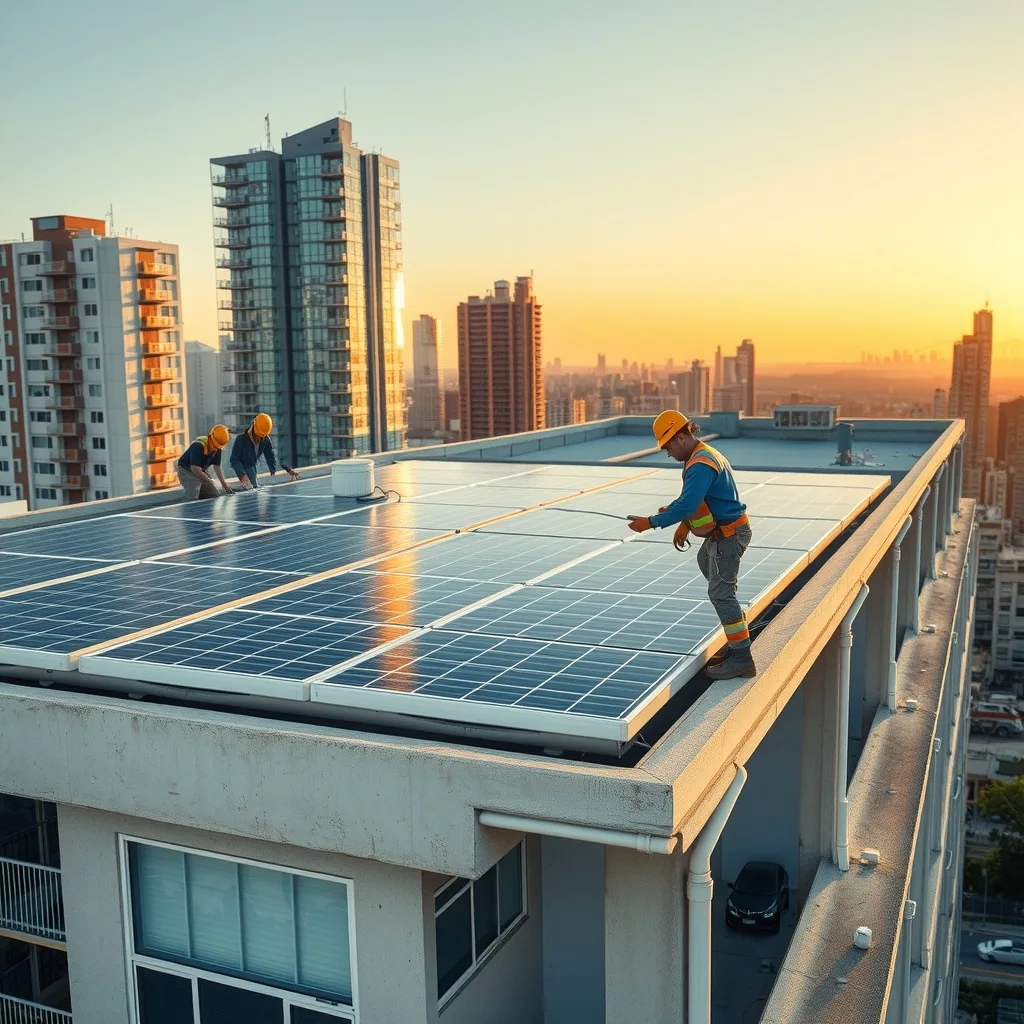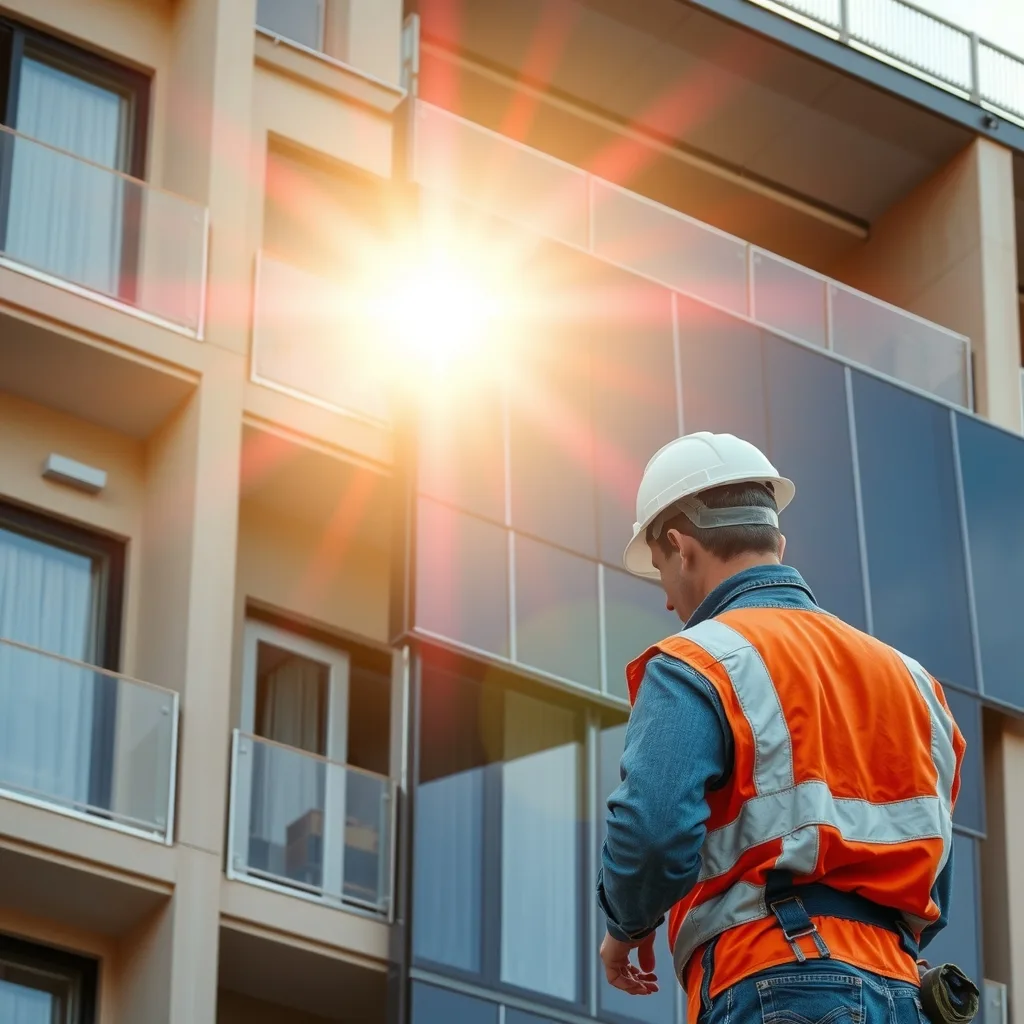

Victoria’s Legislative Assembly Environment and Planning Committee has tabled a major report backing solar glass and other building-integrated photovoltaic (BIPV) technology as a pathway to getting renewable energy into apartments, according to the Sydney Morning Herald.
The report, tabled in August 2026, contains 52 findings and 25 recommendations. About 12 per cent of Victoria’s 2.5 million households live in apartments, and roughly 63 per cent of those residents are renters. Committee chair Juliana Addison said those residents are far less likely to access renewable energy than people in freestanding homes. “Expanding access to rooftop solar for renters and social housing will ease the pressure of high electricity prices for vulnerable Victorians,” she said.
Perth-based ClearVue Technologies (ASX: CPV) gave evidence at the hearings through Chief Strategy Officer Serjana Sadeq. The company makes two key products: Solar Vision Glass, a glazing product that generates up to 30 watts per square metre while keeping 70 per cent visible light transmission, and ClearVue-Helios rooftop panels rated at up to 600 W per panel and 220 W per square metre. The timing matters: ClearVue-Helios panels received Clean Energy Council approved products listing in August 2026, clearing them for grid connection and government subsidies in Australia. CEO Doug Hunt called it “an important milestone for both our customers and our shareholders.”
A governance problem has slowed apartment solar adoption for years. Decisions about shared energy infrastructure sit with volunteer-run owners corporations, and the 75 per cent approval threshold for special resolutions hasn’t been lowered. Dr Janette Corcoran from the Owners Corporation Network put it plainly: “Energy infrastructure is shared, decisions are collective and responsibility sits with volunteer-governed owners corporations.” The report recommends creating an online strata hub as a central resource for owners corporations and residents. Inside State Government confirmed the 25 recommendations include both the strata hub and BIPV as priority pathways. The existing Victorian Solar for Apartments program offers up to $2,800 per household or $140,000 per building in support, for a full breakdown of what’s available by state, see BCN’s solar rebates by state guide.
For glaziers, façade installers, electricians, and solar installers, the report points toward a workstream that barely existed a year ago. If even a portion of the recommendations are adopted, BIPV retrofits and new-build façade work in Victorian apartment towers could ramp up quickly, and the pool of tradespeople qualified to install building-integrated solar systems is still thin. With ClearVue’s Helios panels now subsidy-eligible, apartment developers and owners corporations can include them in government-funded projects immediately.
Frequently asked questions
Are ClearVue’s solar glass panels eligible for government subsidies in Australia?
Yes. ClearVue-Helios panels received Clean Energy Council approved products listing in August 2026, which clears them for grid connection and government subsidies across Australia.
What does Victoria’s Solar for Apartments program pay?
The existing Victorian Solar for Apartments program offers up to $2,800 per household or $140,000 per building in support.
Why is it hard to install solar in apartment buildings?
Shared energy infrastructure decisions sit with volunteer-run owners corporations, and a 75 per cent approval threshold for special resolutions applies. The Victorian report recommends an online strata hub to help owners corporations navigate this.
What trades are likely to benefit from BIPV apartment work?
The report points to glaziers, façade installers, electricians, and solar installers as the primary trades for BIPV retrofits and new-build façade work in Victorian apartment towers.
Sourced from Sydney Morning Herald, Inside State Government, Clean Energy Council, pv magazine Australia. Original article.