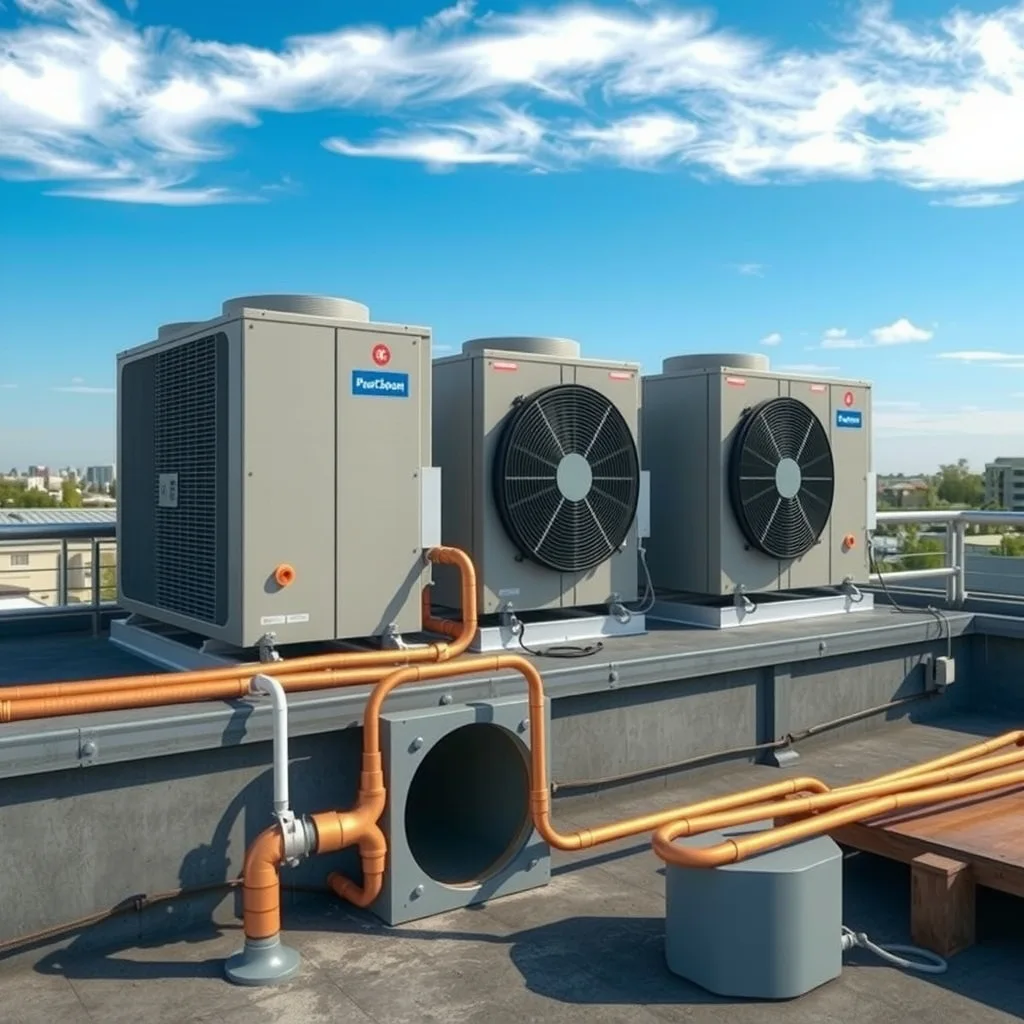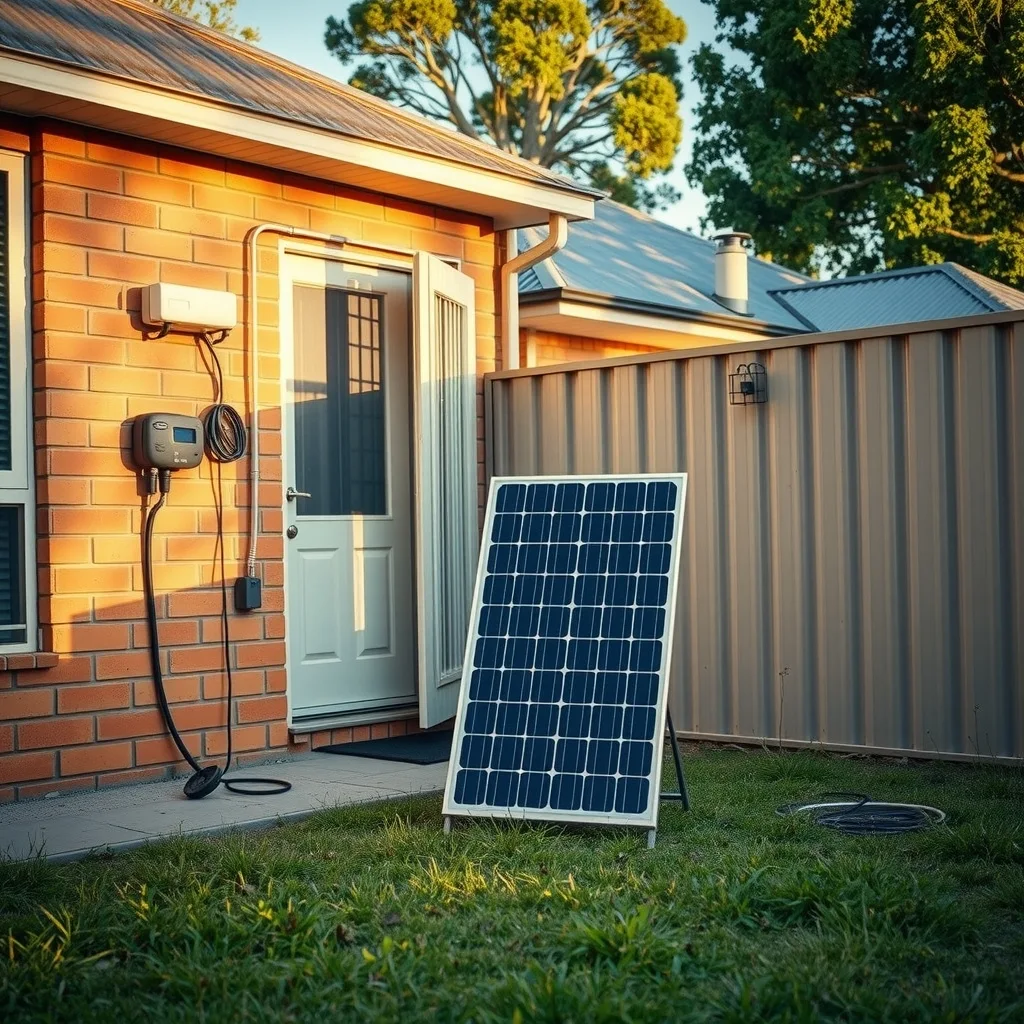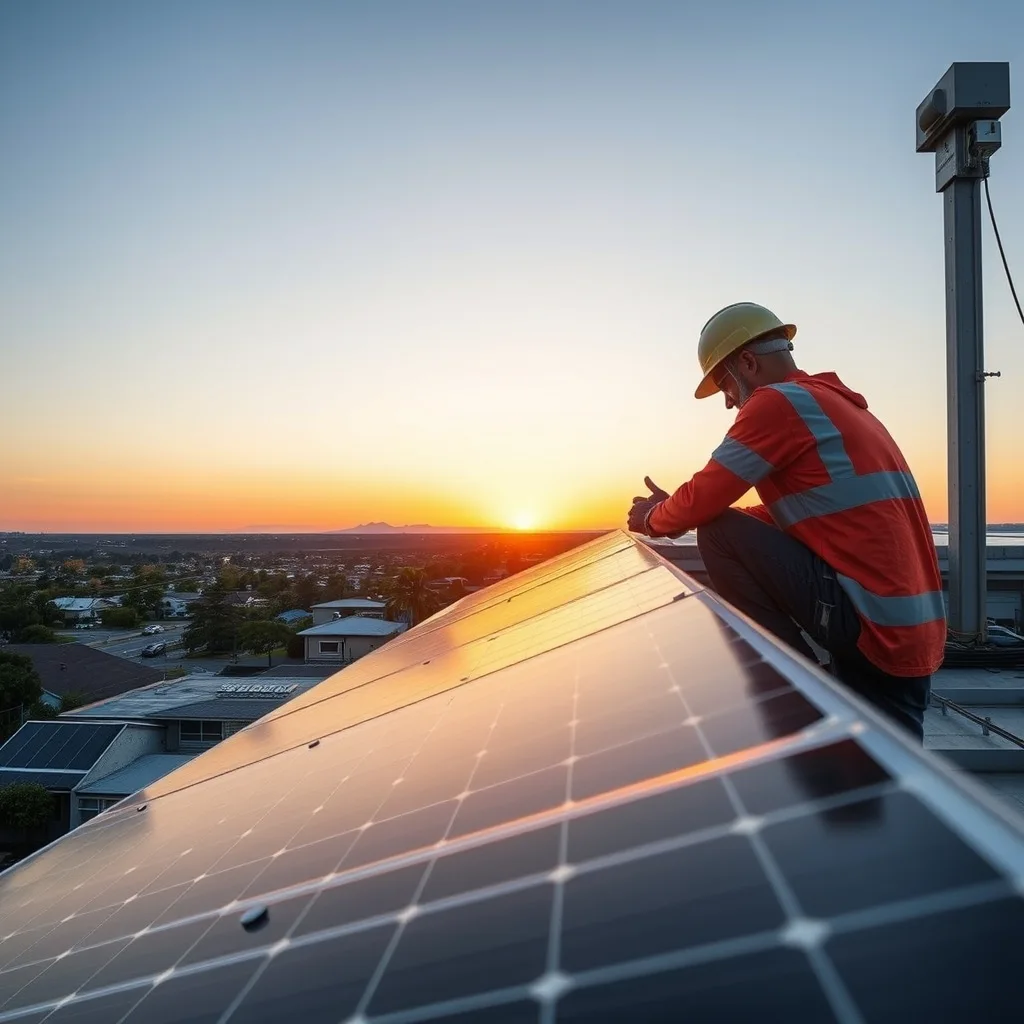

Australian businesses are set to access solar rebates that have until now been reserved for homes and small installations, after the federal government announced it will expand the Small-Scale Renewable Energy Scheme to cover commercial systems up to one megawatt.
Federal Climate and Energy Minister Chris Bowen made the announcement at the National Press Club, saying the change would cut installation costs by roughly 20 per cent for businesses previously locked out of the scheme. Warehouses, supermarkets, factories, and apartment complexes are among the buildings expected to benefit.
“Lower energy costs will improve productivity and competitiveness across manufacturing, agriculture, retail, transport and logistics, with benefits flowing through to households using those goods and services,” Bowen said.
The scheme works by issuing Small-scale Technology Certificates based on a system’s expected electricity output. Most owners assign those certificates to their installer in return for an upfront discount. Previously, only systems up to 100 kW qualified. The expansion lifts that cap to one megawatt, a tenfold increase that brings much larger commercial rooftops into play. The scheme runs until 31 December 2030, giving businesses a defined window to act. Our solar installation rebates guide covers the state-by-state picture alongside this federal scheme.
Bowen has also asked the Australian Energy Market Commission to look at rule changes that would let commercial and industrial solar connect to the grid faster than currently possible. Slow grid approvals have stalled commercial projects even where finance is in place, so a faster connection pathway would accelerate the pipeline of work for electrical contractors and solar installers.
For tradies, the opportunity is real. Solar installers, electricians, and roofers working commercial jobs stand to see demand grow if larger sites can now access rebates that make the numbers work. Regional and remote businesses, which pay some of the highest power costs in the country, are named as explicit targets. The expansion is framed as budget-neutral, with the government arguing that adding more renewable supply puts downward pressure on wholesale prices.
Businesses weighing up system sizing and costs can also check our guide to the cost to install solar panels in Australia for current benchmarks.
Frequently asked questions
What is the Small-Scale Renewable Energy Scheme and how does it work?
The scheme issues Small-scale Technology Certificates based on a solar system’s expected electricity output. Most owners assign those certificates to their installer in return for an upfront discount on installation costs.
Which businesses can now access the expanded solar rebate?
Commercial properties with solar systems up to one megawatt can now qualify, up from the previous 100 kW cap. Warehouses, supermarkets, factories, and apartment complexes are among the buildings expected to benefit.
When does the Small-Scale Renewable Energy Scheme end?
The scheme is legislated to run until 31 December 2030, so businesses have a defined window to install and take advantage of the certificates.
How much could businesses save under the expanded scheme?
Installation costs are expected to fall by roughly 20 per cent for previously ineligible businesses. Independent retailers are estimated to save around $50,000 a year on power bills once a commercial solar system is running.
Sourced from Mandurah Mail (AAP), Wikipedia — Small-scale Renewable Energy Scheme. Original article.