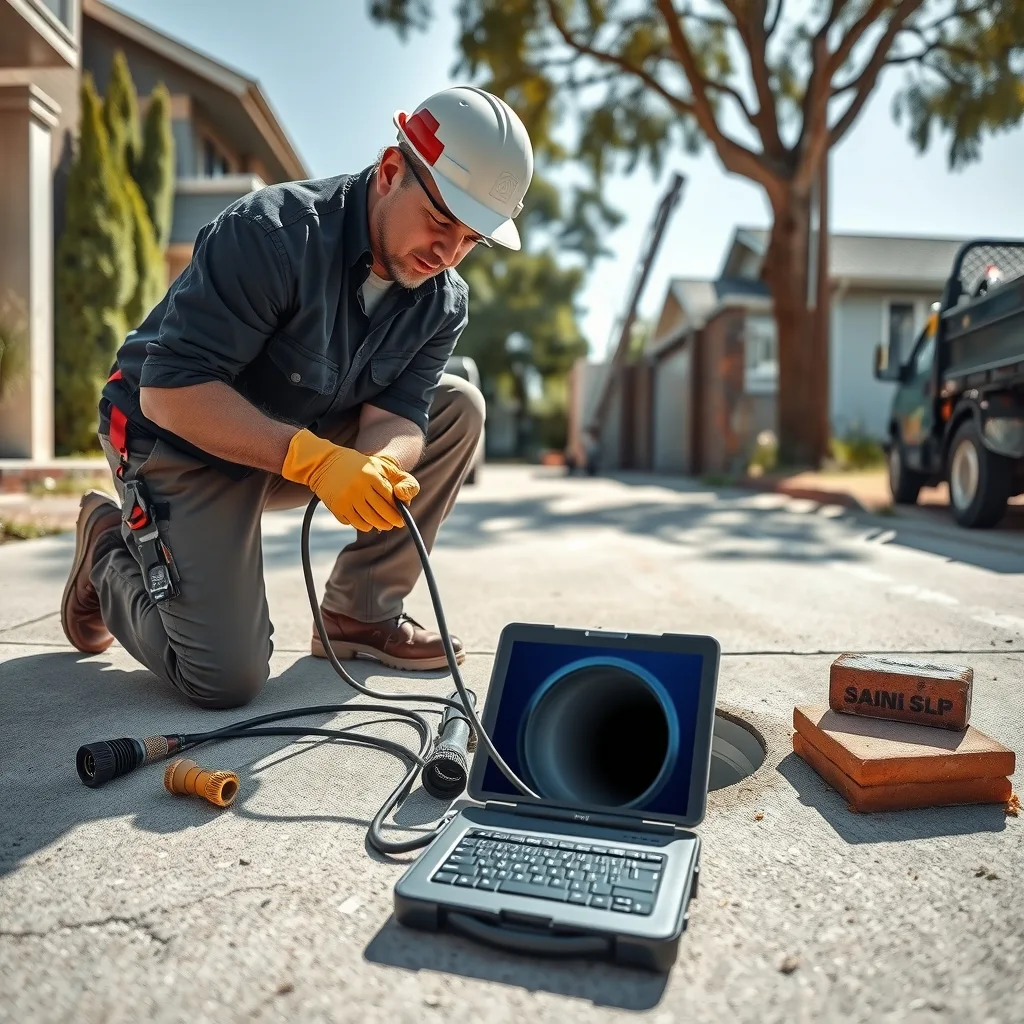

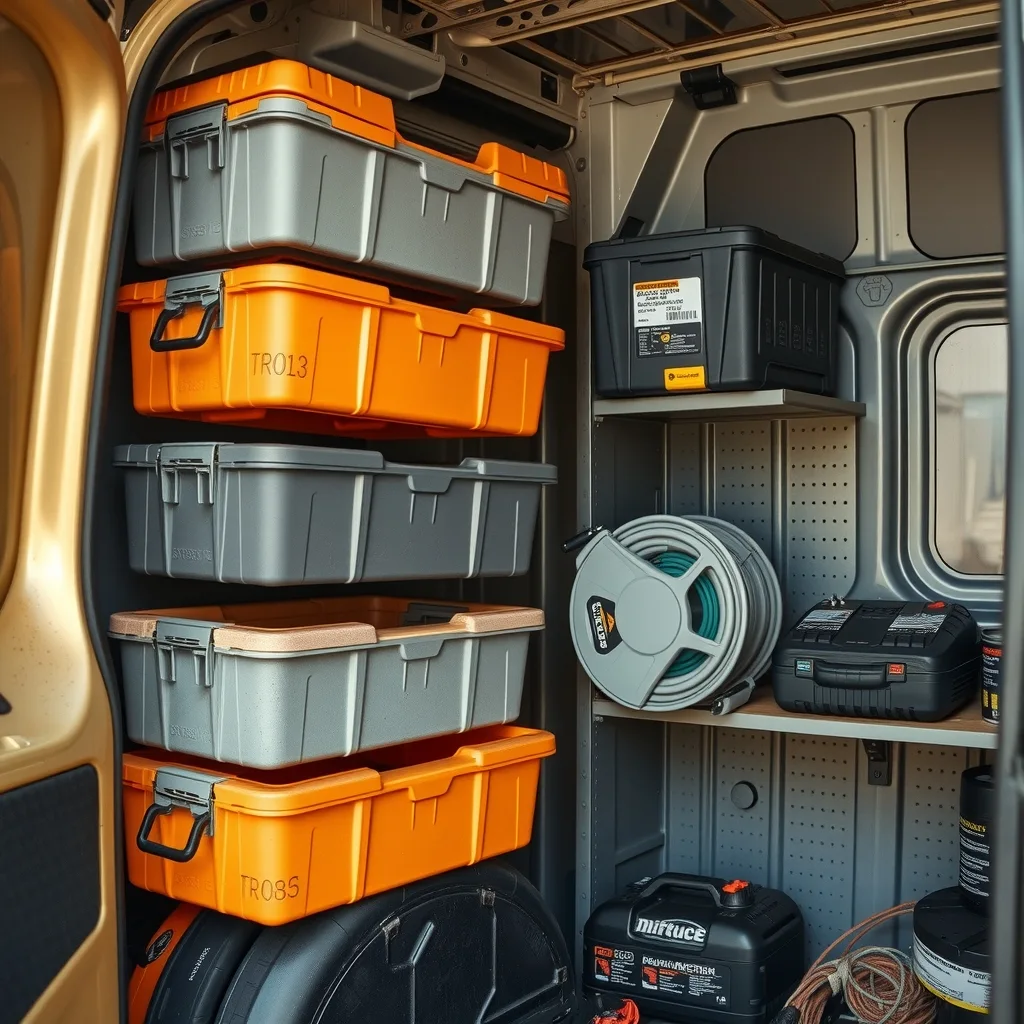
Milwaukee Tool has launched the M12 PACKOUT Pipeline Inspection Camera in Australia. It’s a cordless drain inspection system with 23m of flexible cable, an 18mm HD camera head and a 7-inch daylight-readable touchscreen, rated to inspect lines from 38mm to 102mm. The unit weighs 4.6kg tool-only, measures 406 x 254 x 152mm, and stacks into Milwaukee’s PACKOUT modular storage range.
The launch was reported by trade title Plumbing Connection, and the same specifications appear on Milwaukee Tool Australia’s own news release.
What the spec sheet says
The screen runs at 1280x720p with zoom and pan, 360-degree image rotation and adjustable LED lighting. That combination is what decides whether you’re looking at a hairline crack or a grey smear, particularly when you’re squinting at a screen in full sun on a driveway. Milwaukee rates the display as impact, debris and water-resistant.
“Pipeline inspections demand equipment that is easy to transport, fast to set up and clear enough to support confident decisions on site,” Milwaukee Tool product manager Brian Atkinson said.
It runs on the M12 battery platform, which matters mostly if your van already carries those packs. Milwaukee’s M12 cordless system is made up of more than 150 solutions, according to the company’s Australian launch release published in 2026.
The lines it reaches, and the ones it won’t
The 38 to 102mm band covers the working end of most residential drain callouts: basin and sink wastes, shower and floor wastes, and branch lines up to 100mm. Go bigger than that and you’re back to a reel-fed mains camera.
Cable length is the other boundary. The 23-metre cable reaches from an inspection opening to a boundary trap on a standard suburban block, but it’s short for a long rural run or a commercial stack chased up through a building.
Then there’s the head. An 18mm tip is the whole reason the system is rated down to 38mm lines, because the narrower the head, the better the odds of getting around a bend in a small waste without balling the cable up behind it. Milwaukee’s release says the system is engineered to navigate tight bends.
“The combination of a flexible 23m cable, clear HD imaging, onboard capture and PACKOUT transport gives users the visibility and workflow they need to diagnose issues faster and communicate findings more professionally,”
“The combination of a flexible 23m cable, clear HD imaging, onboard capture and PACKOUT transport gives users the visibility and workflow they need to diagnose issues faster and communicate findings more professionally,” Atkinson said.
Footage is half the job now
The part worth paying attention to isn’t the lens, it’s the export. Photos and video save onboard and come off by Micro SD card or USB-A, which Milwaukee pitches for reporting, customer communication and job documentation.
Think about what that changes on a blocked drain callout. A verbal diagnosis is an argument with a homeowner who doesn’t want to pay for a dig. Thirty seconds of video attached to the quote, showing the break or the intrusion, is a decision the customer can make on the spot.
Same goes for a strata manager sitting three suburbs away, or a job where the cause of the damage is going to be argued over later. Neither the Plumbing Connection writeup nor Milwaukee’s release mentions a cloud upload or a phone app, so the workflow as described is card out, card into the laptop, file attached to the job.
Cordless also takes the extension lead out of the picture. That sounds minor until you’ve dragged 20m of lead across a wet driveway to look down a pit for four minutes.
“This product is about making inspections more efficient from start to finish,” Atkinson said.
What’s still missing from the page
No Australian recommended retail price appears in either the trade report or the manufacturer’s release. There’s no local stock date and no kit-versus-tool-only breakdown either, so the number that actually decides whether this goes in the van isn’t public yet.
Interest isn’t confined to plumbers. The Air Conditioning and Mechanical Contractors’ Association flagged the camera as coming soon on its Australian social channels, which puts it on the radar of mechanical contractors chasing condensate and small-bore lines as well as drain crews.
“The M12 PACKOUT Pipeline Inspection Camera gives trade professionals a purpose-built inspection solution that fits into the way they already work, from the van to the jobsite and back again,” Atkinson said.
If you’re already running M12 batteries, the sum to do when pricing lands is the tool-only cost against what you currently charge for a camera inspection, and how many of those you knock over in a month. If you’re not on the platform, add the packs and charger to that number before you compare it to anything else on the shelf.
Frequently asked questions
What size drain lines can the Milwaukee M12 PACKOUT camera inspect?
It’s rated for lines from 38mm to 102mm, covering basin and sink wastes, shower and floor wastes, and branch lines up to 100mm.
How much does the Milwaukee M12 PACKOUT drain camera cost in Australia?
No Australian price has been published. Neither Milwaukee’s release nor the trade coverage lists an RRP, stock date or a kit-versus-tool-only breakdown.
How do you get footage off the M12 PACKOUT camera?
Photos and video save onboard and come off via Micro SD card or USB-A. There’s no mention of a cloud upload or phone app in the current release.
How long is the inspection cable?
The cable is 23 metres, long enough to reach from an inspection opening to a boundary trap on a standard suburban block, but short of a long rural run or a multi-storey commercial stack.
Sourced from Plumbing Connection, Milwaukee Tool Australia, AMCA Australia. Original article.