
Wesfarmers chairman Michael Chaney says artificial intelligence isn’t shrinking the workforce across the group that owns Bunnings, Kmart and Officeworks, and that the bigger issue in front of boards is cyber security. Chaney hands over the chair after the company’s annual meeting on Thursday, closing out a run that covers most of Wesfarmers’ 42 years as a listed company.
He set out his thinking in an interview with The Sydney Morning Herald published ahead of the meeting. Chaney was chief executive, took a decade out, then came back as chairman in 2015. He also chairs gold miner Northern Star, which is fending off a takeover from South African-based Gold Fields, and has said he’ll leave that board at its annual meeting next month.
AI is “changing the way people work”, not cutting the payroll
Data centres have been the investment obsession of the year. Inside Wesfarmers, according to Chaney, the read on AI is more modest: a productivity facilitator, at this stage.
“We don’t currently see a big decrease in employment in the group … rather, AI is changing the way people work. For example, moving people out of back-office to customer-facing roles,” Chaney said.
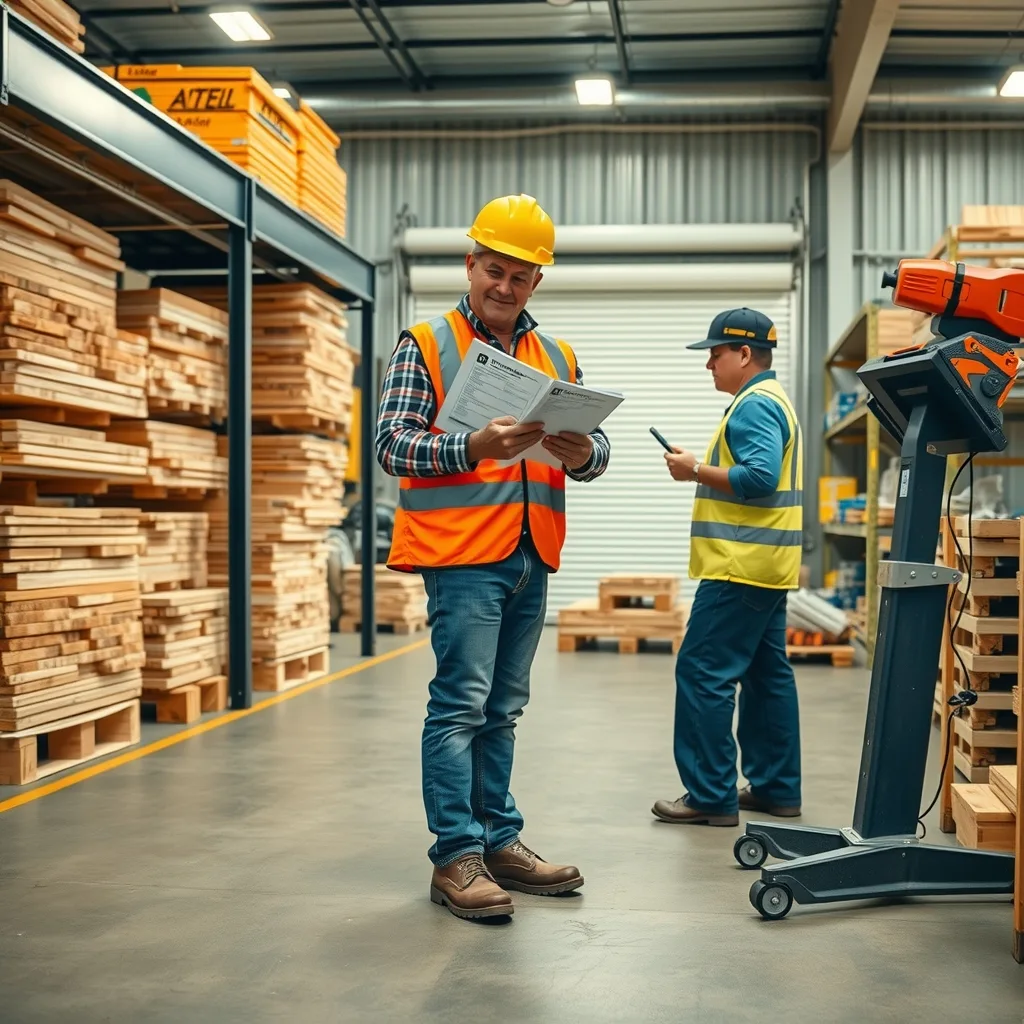
For anyone who fronts a hardware shed at 6.30am with a timber list, that sentence is worth a second read. Back-office to customer-facing means the ordering, reconciliation and admin work gets automated first, and staff get pushed to where the questions are asked. Whether that turns into a shorter wait at the trade desk, or someone who can actually tell you if the frame pack landed, is the test that matters on a Tuesday morning.
The cost question: do the tokens pay for themselves?
Chaney isn’t sold that the sums work yet. Large language models bill by the token, the metered chunks of text a model reads and writes, and the meter runs with every query a business pushes through it.
“Costs of tokens, for example, can get out of control. Are you really getting revenue benefits that make it worthwhile?”
Chaney asked. His answer is to look down the range rather than up.
“There are issues like whether you should be using large language models or smaller models internally that don’t cost as much, don’t have all the bells and whistles, but still do the job,” Chaney said.
That’s familiar logic to any subbie who’s stood in an aisle comparing kits. The mid-range unit that does nine jobs out of ten beats the flagship that spends its life charging in the back of the ute. Same call, bigger invoice.
Cyber risk: “there’ll be surprises”
The threats land harder with Chaney than the upside. He pointed to recent cases of AI agents unexpectedly breaching IT systems while carrying out user commands.
“The whole question of cyber risk is one that’s not only increased pretty dramatically in the last couple of years, but will increase even more … And I think it’s a real challenge keeping abreast of it because one thing about AI is that we really don’t know where it’s going to lead us, and there’ll be surprises,” he said.
He went further on what that looks like in practice. “It’s a real surprise when agents are talking to each other, and there are things that are going to happen that make doing business a lot harder. I think boards and management need to be really diligent about the security of their systems and making sure that they have plans in place if problems arise.”
That’s a boardroom worry with a very ordinary site-level version. When a big supplier’s systems go down, trade accounts can’t be processed, pricing can’t be pulled, and the delivery slot goes with it. The chippy waiting on material is still on the clock.
Builders and contractors carry the same exposure a rung down, because the quoting software, the accounting package, the supplier portal and the job-management app all sit in the cloud, and plenty of sole traders have one password sitting between their business and the lot of it. The federal government’s advice for small business is at cyber.gov.au.
Bought tiny, now “a few billion dollars of profit”
The reason Chaney’s caution is interesting is that Wesfarmers made its name backing unglamorous bets and waiting. He calls it logical incrementalism: spread money across promising areas, then pour it into the ones that work, instead of chasing a growth target for its own sake.
“You end up making investments simply because they give you top-line growth, even though they may give you hopeless returns. And there are plenty of examples of that,” Chaney said.
Wesfarmers has been listed on the ASX for 42 years, and Chaney told the Herald in October 2026 that the hardware arm it picked up almost as an afterthought in a 1990s timber and forestry deal now produces “a few billion dollars of profit”. The group sold most of the forestry business and kept the small hardware operation. “[Hardware] was tiny when we bought it, and is now producing a few billion dollars of profit,” he said.
That’s the shed every tradie in the country buys from, and it got there by accident rather than by plan. Chaney is equally blunt that nobody can tell you what comes next: “If you said to me or [chief executive] Rob Scott, ‘What will the company look like in 10 years’ time?’ none of us would give you an answer because it’ll be opportunity-driven.”
What to watch
Thursday’s annual meeting hands the chair to someone else, and the AI spending decisions that follow will be made by a board without Chaney’s scepticism in the room. For trade customers, the thing to watch isn’t the announcement, it’s the counter: whether staff shifted out of the back office end up where you can actually find one, and whether the ordering systems behind your trade account hold up on a busy Monday. Keep a phone number for your rep that doesn’t route through an app.
Frequently asked questions
Is Wesfarmers cutting jobs because of AI?
No. Outgoing chairman Michael Chaney says the group doesn’t currently see a big decrease in employment from AI; instead, staff are shifting from back-office roles into customer-facing ones.
What does Michael Chaney see as the bigger AI risk for boards?
Cyber security. Chaney says cyber risk has increased dramatically in the past couple of years and will keep rising, with AI agents creating unpredictable threats to IT systems.
When does Michael Chaney step down as Wesfarmers chairman?
He hands over the chair after the company’s annual general meeting on Thursday, ending a tenure spanning most of Wesfarmers’ 42 years as a listed company.
Where can small businesses get cyber security guidance?
The federal government’s cyber security advice for small business is available at cyber.gov.au.
Sourced from The Sydney Morning Herald. Original article.