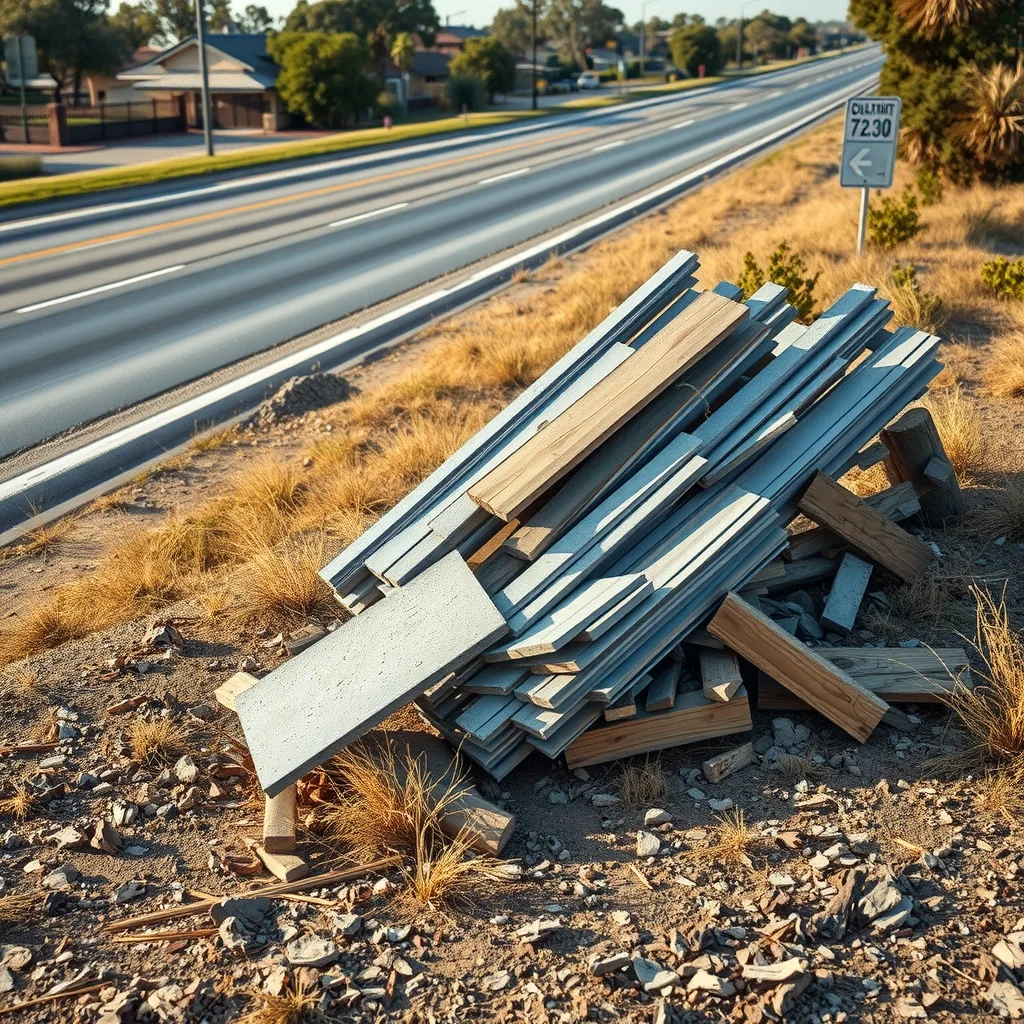

Main Roads WA removed more than 600 tonnes of litter and dumped material from the Perth metropolitan road network across the 2024/25 and 2025/26 financial years, the department says, and a pile of old fencing sheets is currently sitting on the southern verge of Reid Highway between Camboon Road and Alexander Drive.
The dumping was reported by ABC Perth, which spoke to the Dianella resident who found the pile and took a statement from Main Roads. A Main Roads spokesperson said the department was aware of the fencing material and that “The material has been programmed for removal and will be cleared by a maintenance crew within the coming week.”
That tonnage figure covers highways and main roads only. “Across the 2024/25 and 2025/26 financial years, Main Roads removed more than 600 tonnes of litter and dumped material from the metropolitan road network alone,” the spokesperson said. Whatever councils scrape off nature strips, laneways and bush reserves sits on top of it.
The resident who found it blames tip knock-backs
Dianella resident Robert Parker told 102.5 ABC Perth he came across what looked like 10 tonnes of material beside Reid Highway while he was out walking.
“There’s what appeared to be a bit of asbestos or fencing being dumped in the scrub down there,” he said.
He drove past the same spot later. “Later on, I was driving and [it appeared] a commercial contractor has chosen to use the verge on Reid Highway as his yard and dumped asbestos material and other products that should go to landfill or the appropriate recycling facility.”
Mr Parker reported it to Main Roads. He also reckons councils have made lawful disposal hard enough that people give up on it, telling the station: “You go to the tips, and they say, ‘Oh no, we don’t accept super six fencing here anymore, we don’t take hardy fence’, or it’s only so many sheets per time.”
“And people just go and dump it in the bush.”
Listeners split on price versus laziness
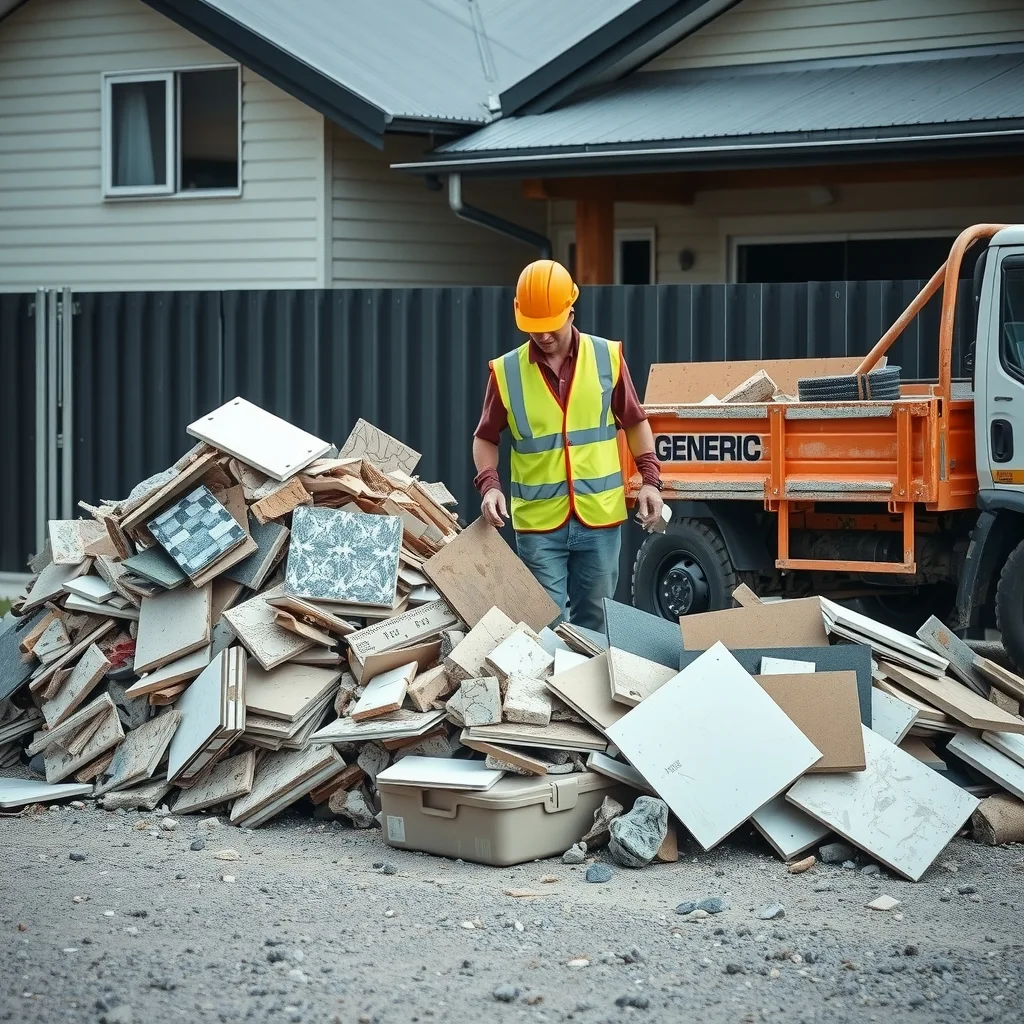
ABC Perth listeners didn’t agree on the cause. One, named only as Matt, said the gate had turned him away over a renovation load: “It’s very expensive to take waste to the recycling centre. Last week they would not accept some bathroom tiles. They said it was construction waste, and won’t be accepted. No wonder people do illegal dumping.”
Another listener, posting anonymously, described a knock-back of a different kind: “I took a broken office chair to the local tip. The guy on the gate said it would cost me $45 to dump it. I guess that’s why people dump stuff illegally.”
A listener identified as Sivwarr said the problem runs well past the metro boundary: “I drive up to Gidgegannup quite regularly on Toodyay road the illegal dumping starts at the bottom of the hills and just doesn’t stop.”
Not everybody bought the cost argument. Listener Rick put it in one line:
“The reason for illegal dumping is laziness, selfishness and a sense of self-entitlement.”
Both readings can hold at once on a job. The operator who prices a skip, a weighbridge run and a second trailer load into a strip-out quote is the one being undercut by somebody whose disposal line is a quiet stop on a highway verge after knock-off.
Why a sorted load matters more than it used to
The part tradies will recognise in Matt’s story is the sorting, not the fee. Tip gates treat mixed construction and demolition waste differently to household hard rubbish, and a trailer with tiles, plasterboard offcuts and old sheeting thrown in together is the one that gets turned around at the scales. Separating the load before you leave site, and knowing which facility takes which stream, is the difference between one trip and two.
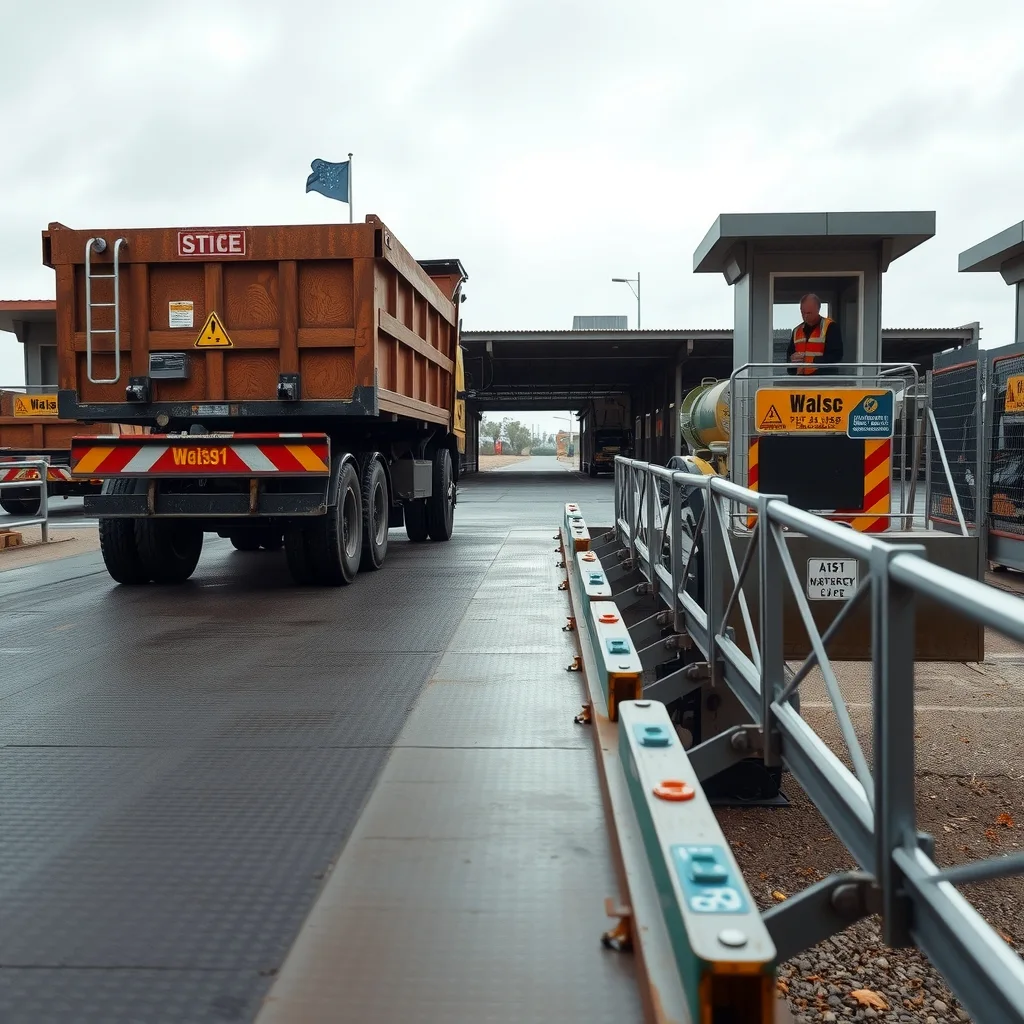
Keep the docket, too. A weighbridge receipt or a tipping ticket is the only evidence you have that the material left your site legally, and on a demolition or strip-out job it belongs in the file with the rest of the paperwork. If a verge full of fencing sheets turns up near where you worked, the paper trail is what sorts you from the bloke who didn’t bother.
For anyone pricing a renovation strip-out, the point is to quote disposal as a real line item rather than a rounding error. The gate fees, the stream separation and the extra run are hours and dollars, and leaving them out of the number is how a job goes backwards after the demo crew leaves.
Old fencing sheets are where this stops being a litter story
Nobody has tested the Reid Highway material, and Mr Parker was careful to say it only appeared to be asbestos. But fibro fencing of that era is exactly the material that turns a cheap disposal shortcut into a serious problem for whoever picks it up.
The rules on it don’t bend. Friable asbestos removal requires a licensed removalist in every Australian state and territory. What an unlicensed person may do with bonded sheeting varies by jurisdiction, so check with the WA regulator before you touch a sheet, and have suspect material tested before you disturb it. Structures built before 1990 are the risk cohort. If you’re not sure what you’re looking at, here’s how to identify asbestos in Australian homes before you disturb anything. Safe Work Australia carries the national guidance.
Main Roads says it keeps watch on known dumping hotspots and uses “targeted measures” to deter offending. The fencing on Reid Highway is due to be cleared by a maintenance crew within the coming week, according to the department. Whether the next load lands in the same stretch of scrub is the thing to watch, and whether anyone at Main Roads can trace a load back to the job it came off.
Frequently asked questions
Who removes illegally dumped waste from WA roads?
Main Roads WA says it uses maintenance crews to clear dumped material from the metro road network. The fencing sheets found on Reid Highway are scheduled to be cleared within the coming week.
Is it legal to remove asbestos fencing yourself in WA?
Friable asbestos removal requires a licensed removalist in every Australian state and territory. Rules for unlicensed removal of bonded sheeting vary by jurisdiction, so check with the WA regulator before touching suspect material.
How much waste has Main Roads WA cleared from Perth’s roads?
More than 600 tonnes of litter and dumped material was removed from the Perth metropolitan road network across the 2024/25 and 2025/26 financial years, according to Main Roads.
Sourced from ABC News, 102.5 ABC Perth. Original article.