
NSW Anti-slavery Commissioner James Cockayne says he has seen no sign of proactive, intelligence-led policing of labour hire syndicates accused of exploiting migrant workers in regional New South Wales. His formal response to the state’s modern slavery inquiry, tabled in parliament on 16 November, includes allegations that syndicates operating in the Riverina and on the Mid North Coast underpaid workers and were involved in identity theft, money laundering and tax fraud. Those cases have been referred to state and federal police.
The response was reported by ABC Coffs Coast. It lands a week after the NSW government answered the 31 recommendations of the Parliamentary Inquiry into Modern Slavery, which handed down its final report in August and called for urgent reform of the labour hire industry.
“Dodgy labour hire syndicates are exploiting workers and undercutting honest businesses. Some appear to be forging ties with organised crime. And they operate with little fear of consequence.”
That’s Dr Cockayne, in a statement accompanying the report.
Workers moved off farms before the inspectors arrive
Dr Cockayne said multiple sources told him workers were moved off farms just before surprise inspections. He also reported unverified allegations that some had been moved out of the region involuntarily, for weeks or longer. The report does not identify the operators involved.
His central complaint is about enforcement, not awareness. Policing of labour hire exploitation remains reactive, the report says, which is where the numbers get ugly.
Fewer than 10 per cent of trafficking and modern slavery reports made to the Australian Federal Police reach prosecution, and only about 1 to 4 per cent end in a trial, guilty plea or conviction, according to Australian Institute of Criminology figures cited in the NSW anti-slavery commissioner’s November 2026 report.
In a statement, NSW Police directed the ABC to the Australian Federal Police, the broadcaster reported.
Dr Cockayne has asked police to step up proactive investigations into labour hire syndicates and to publish their national protocol for combating human trafficking and slavery. He also wants a plan to shift high-risk industries away from exploitative labour hire, including support for worker-run cooperatives.
”Responsibility falls squarely on business”
With no licensing scheme in NSW, the commissioner put the obligation on the companies buying the labour, and particularly the big ones at the top of the chain.
“Until licensing is in place, responsibility falls squarely on business,” Dr Cockayne said.
He said major buyers needed to do due diligence on their supply chains to make sure they weren’t contributing to modern slavery, and warned that big business may soon face criminal penalties for failing to prevent it.
“This is not only about doing the right thing. Responsible businesses are being undercut by operators who cheat workers and dodge tax. Acting now protects workers, and fair competition too.”
That’s the line worth sitting with. It’s not framed as charity. It’s framed as a pricing problem.
A licensing scheme that won’t bite until 2028
The NSW government says it’s developing labour hire licensing legislation and will introduce it to parliament next year. Dr Cockayne’s assessment is that effective enforcement won’t be running until 2028, leaving a gap syndicates will keep working.
“The public has made its view clear. Three in four people in NSW want labour hire licensing. Many will weigh this issue when they vote come March,” he said in a statement.
The government’s 9 November response said it was working with state and federal agencies on a range of measures and had improved information sharing. Agencies have run joint surprise inspections on farms, and unions and migrant support groups have lifted their presence in the affected regions.
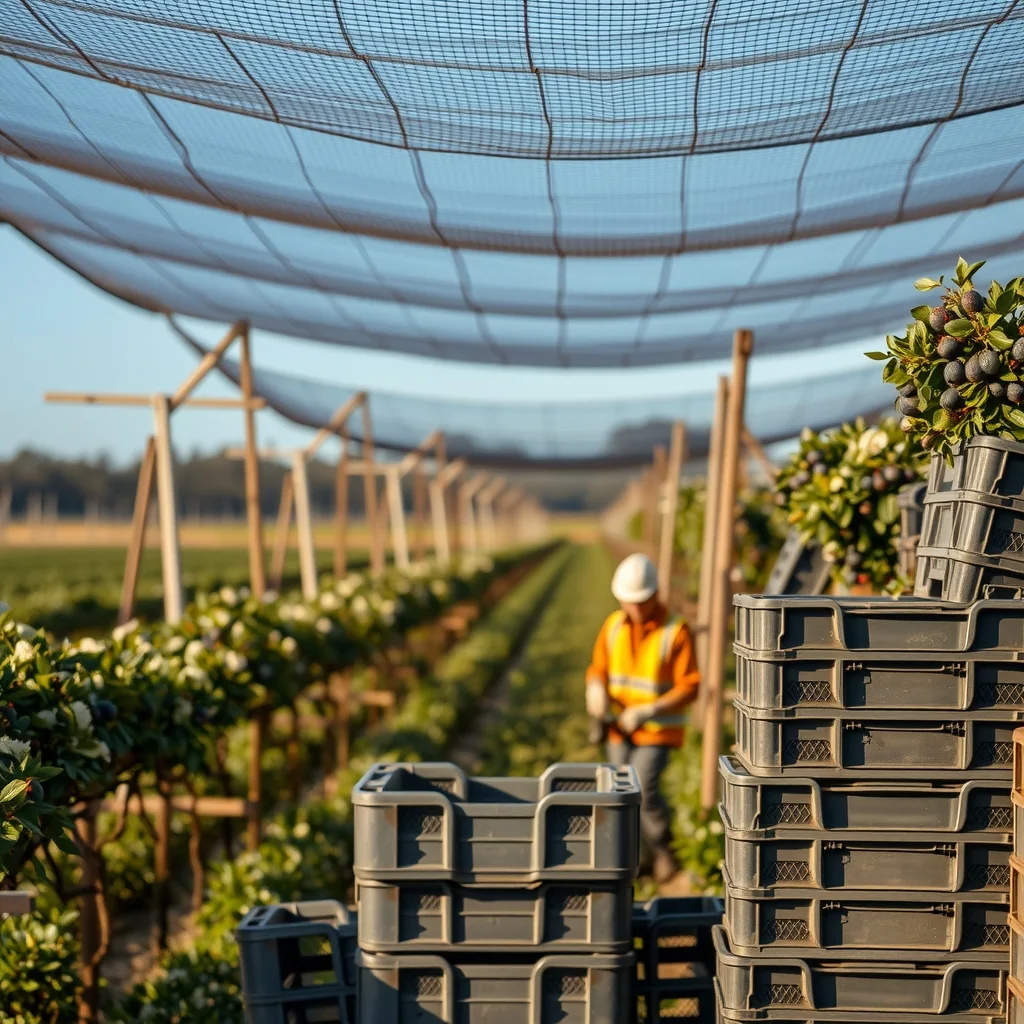
In August, a Four Corners investigation showed how migrant workers had been exploited by labour hire firms, with some fruit pickers saying they were treated like “animals”. The inquiry’s final report singled out the Coffs Harbour and Nambucca Valley areas, on the Mid North Coast, and asked for an investigation into allegations of systemic labour exploitation. The Coffs Coast is Australia’s largest blueberry-growing region.
Why a bloke on the tools should read a blueberry story
Nobody in this report is framing a house. But the mechanism Dr Cockayne describes is one every subcontractor recognises: a price you cannot match, because the crew underneath it isn’t being paid what yours is, and the tax isn’t being paid either. You lose the job and never find out why the number was so low.
Labour hire sits between the business paying for the work and the people doing it, and that gap is exactly where the commissioner says accountability currently disappears. His position, until a licence sits on the wall, is that the buyer wears it.
So if you’re bringing on a crew through an intermediary rather than putting people on your own books, the practical version of that is knowing who the legal employer actually is, what rate the workers are on, and whether super and entitlements are being paid by someone. Keep the agreement in writing. The Fair Work Ombudsman publishes the award rates and the rules on sham contracting, and it’s the right place to check rather than taking a labour hire broker’s word for it.
The things to watch now are the bill itself when it hits parliament next year, which industries end up inside the licensing net, and whether police publish the trafficking protocol Dr Cockayne has asked for. Until then, the only enforcement in the system is whoever signs the cheque.
Frequently asked questions
When will NSW’s labour hire licensing scheme take effect?
The NSW government plans to introduce labour hire licensing legislation to parliament next year, but anti-slavery commissioner James Cockayne says effective enforcement isn’t expected to be running until 2028.
Who is responsible for underpayment and exploitation at labour hire firms until licensing starts?
Cockayne says responsibility falls squarely on the businesses buying labour hire services, particularly larger firms at the top of supply chains, who should do due diligence on their suppliers.
Which areas of NSW were flagged in the labour hire exploitation allegations?
The commissioner’s report cites syndicates operating in the Riverina and on the Mid North Coast, including the Coffs Harbour and Nambucca Valley blueberry-growing region.
What happened to the underpayment, identity theft and money laundering allegations?
Those cases have been referred to state and federal police, though Cockayne says he’s seen no proactive, intelligence-led policing of the syndicates involved.
Sourced from ABC News. Original article.