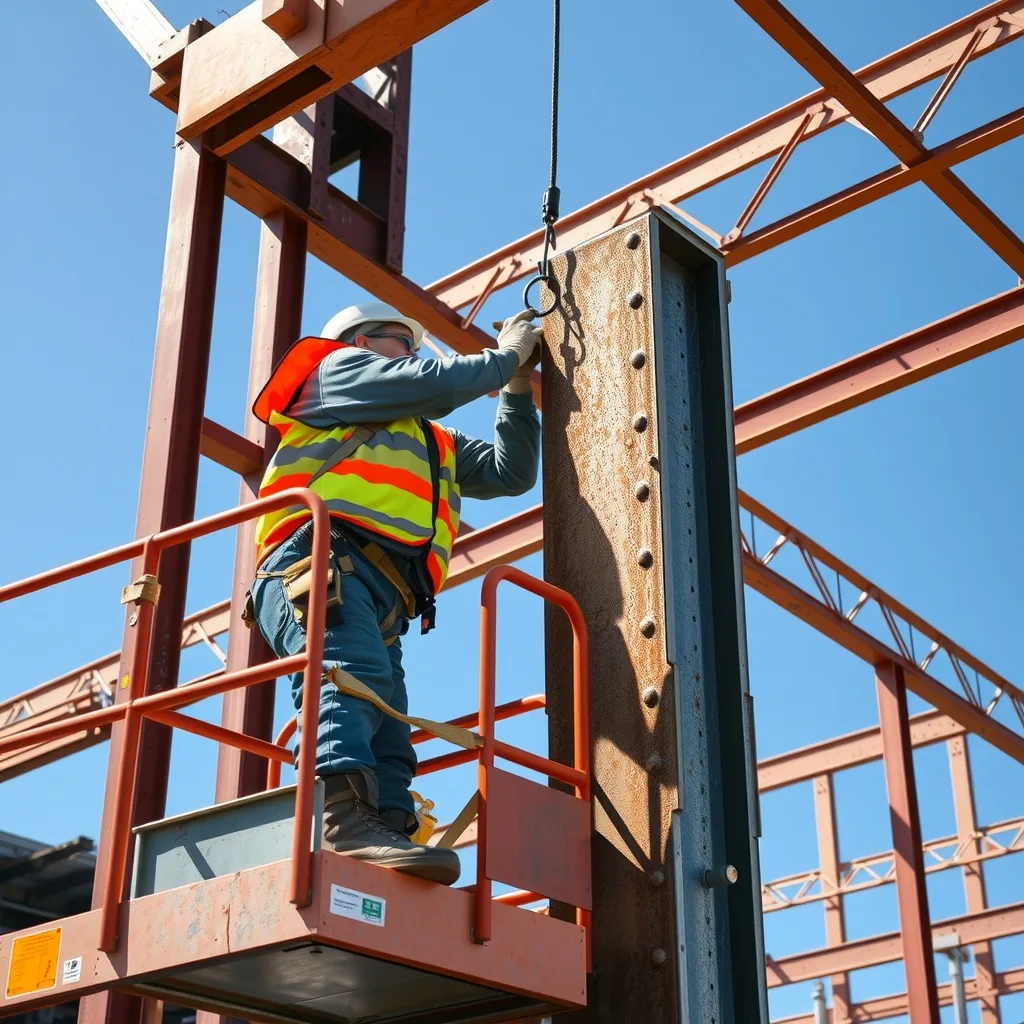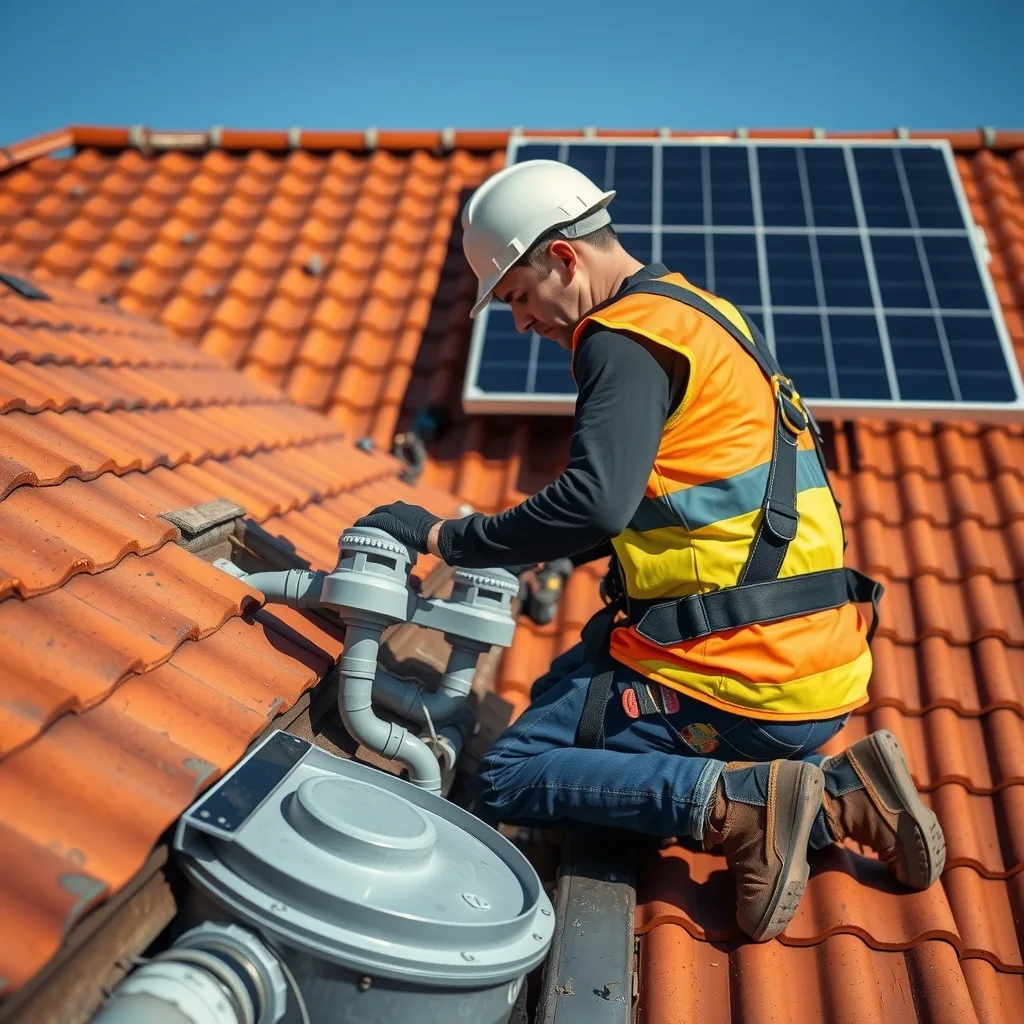

Every cable and conduit that passes through a tile or steel roof on a solar job has to run through a fit-for-purpose collar flashing, and the gear used at that penetration has to be designed to last the life of the system. That’s what Solar Accreditation Australia’s Technical Requirements set out, not a supplier’s preference. With more than 4.24 million rooftop systems now sitting on Australian houses and average system sizes climbing to 11kW, the number of holes going into roofs is growing faster than the panel count.
Trade title Electrical Connection reports that industry inspection data puts flashing faults among the leading causes of roof leaks in Australian homes, with repair costs typically running $150 to $900. Those failures often stay hidden until a serious rain event, which is usually well after the invoice has been paid.
The fleet is enormous, and it sits on other people’s waterproofing
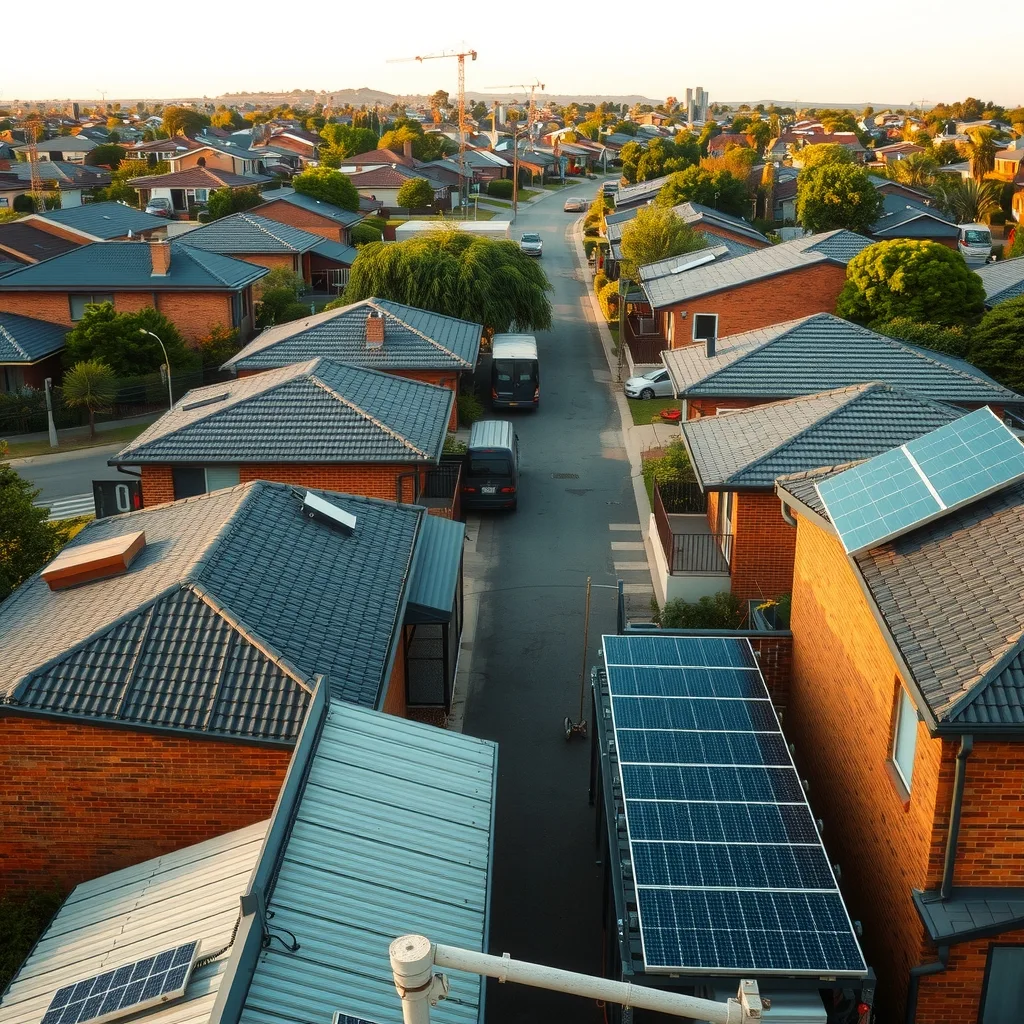
Australia’s rooftop solar fleet reached 27.57GW in 2025. Household penetration sits around 43%, the highest rate in the world, and South Australia runs at 57% to 60% of homes.
Storage is stacking on top of it. Australian households bought 183,245 home batteries in the second half of 2025, according to Clean Energy Council figures cited by Electrical Connection, with the council also reporting continued growth in average system sizes.
Evo Building Products director Peter Byrne says that scale changes what a solar job actually is.
“Australia’s roofs have effectively become part of the national energy grid,” he says.
“Every solar installation modifies a roof’s waterproofing system, and those penetrations need to be managed with the same care and long‑term thinking as the panels and inverters themselves."
"Electrical specialists” being asked to modify roofs
Byrne puts the skills gap plainly:
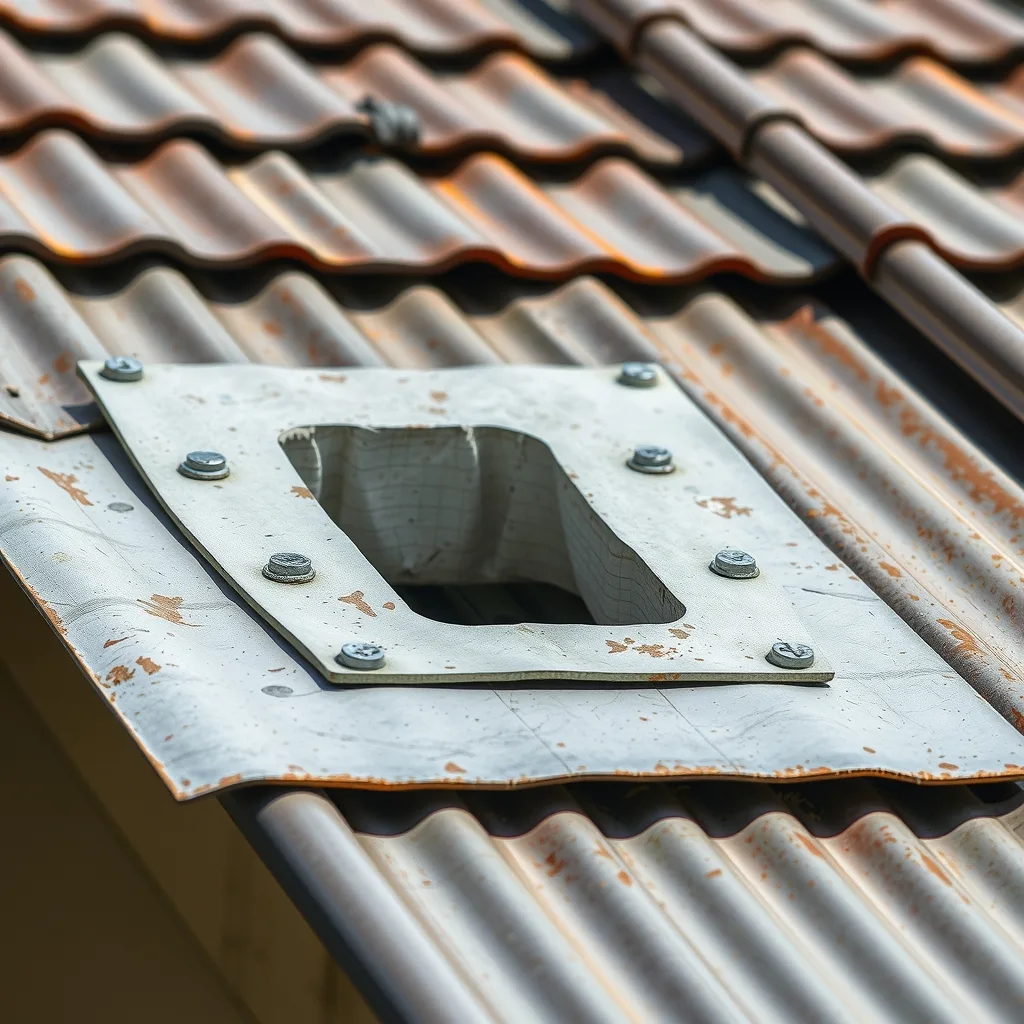
“Solar installers are electrical specialists, but they’re being asked to modify roofs at scale.”
He’s describing the daily reality of the job. A bigger array means more rail mounts lifting or fixing through tiles and sheeting, plus the DC cable entry, the conduit run and any junction box. Each one is a spot where water can track back under the covering, and none of them are electrical faults when they fail.
The climate does the rest of the work. The source article points to intense UV, short bursts of heavy rain and roof surface temperatures that can exceed 60 to 70 degrees. That combination is brutal on anything relying on a bead of sealant to do a flashing’s job.
Roof work carries the fall risk too, and the rules for working at height come from your state WHS regulator, coordinated nationally through Safe Work Australia. Worth a look before anyone new on the crew heads up a ladder with a coil of conduit.
The $150 repair isn’t the real cost
A flashing fault priced at $150 to $900 sounds like small change until you count the rest of it. There’s the return trip, the ceiling lining, the insulation, and the conversation with a homeowner who wants to know why a stain appeared above the hallway two winters after the panels went on.
Then there’s the argument about ownership. The sparkie made the hole, the roofer didn’t touch it, and the customer only has one number in their phone.
Byrne argues the fix is treating the penetration as part of the asset rather than a fitting: “Fit‑for‑purpose flashing and penetration products reduce workmanship variability and help ensure the roof remains watertight for the life of the system. We need to treat flashing as critical infrastructure, not a minor accessory.”
Worth noting he’s a director of a company that makes flashing products, so the pitch and the point arrive together. Evo’s Fix-It-Fast Flashtites are described by the company as a lead-free flashing built on a Wakaflex base for cabling, conduit and other services through tiled roofs. BCN hasn’t tested them, and we don’t rate products in news copy.
Second trips are where this bites
The retrofit wave is the part to watch. Households that put 5kW or 6kW on the roof years ago are now adding a battery, adding a string, or replacing an inverter, and every one of those jobs means going back onto a roof someone else flashed, sometimes with the original installer long gone, leaving homeowners searching for how to choose an electrician they can trust with someone else’s roof work.
Byrne expects that pattern to continue as systems grow with the household.
For anyone quoting solar work this summer, the practical read is short. Check whether every cable and conduit penetration on tile or steel is going through a proper collar flashing, check the components at those penetrations are rated to outlast the system rather than the warranty, and photograph the finished penetration before the tiles go back down. When the first big storm arrives, the photo is the only thing that settles who owns the leak.
Frequently asked questions
What causes most solar-related roof leaks in Australia?
Industry inspection data cited by Electrical Connection puts flashing faults, where cable and conduit penetrations aren’t sealed with a fit-for-purpose collar flashing, among the leading causes of roof leaks on Australian homes.
How much does it cost to fix a solar flashing leak?
Repair costs typically run $150 to $900, though that doesn’t cover follow-on costs like ceiling lining, insulation replacement and the return trip once the leak is found.
Who is responsible if a solar installation causes a roof leak?
Ownership is often disputed: the solar installer made the penetration, the roofer didn’t touch it, and the homeowner only has one number to call, which is why photographing the finished penetration matters.
Sourced from Electrical Connection, Clean Energy Council. Original article.