
The NSW Government has put out a draft regulation and issues paper for what would be Australia’s first mandatory solar panel recycling scheme, making panel brand owners responsible for the end-of-life management of their products and for helping fund collection, recycling and resource recovery across the state. Submissions are now open through the NSW Government’s consultation website.
The proposal was reported by Manufacturers’ Monthly, which says the scheme is designed to recover materials from ageing rooftop systems and to seed local recycling and remanufacturing capacity.
The pile of panels is only getting bigger
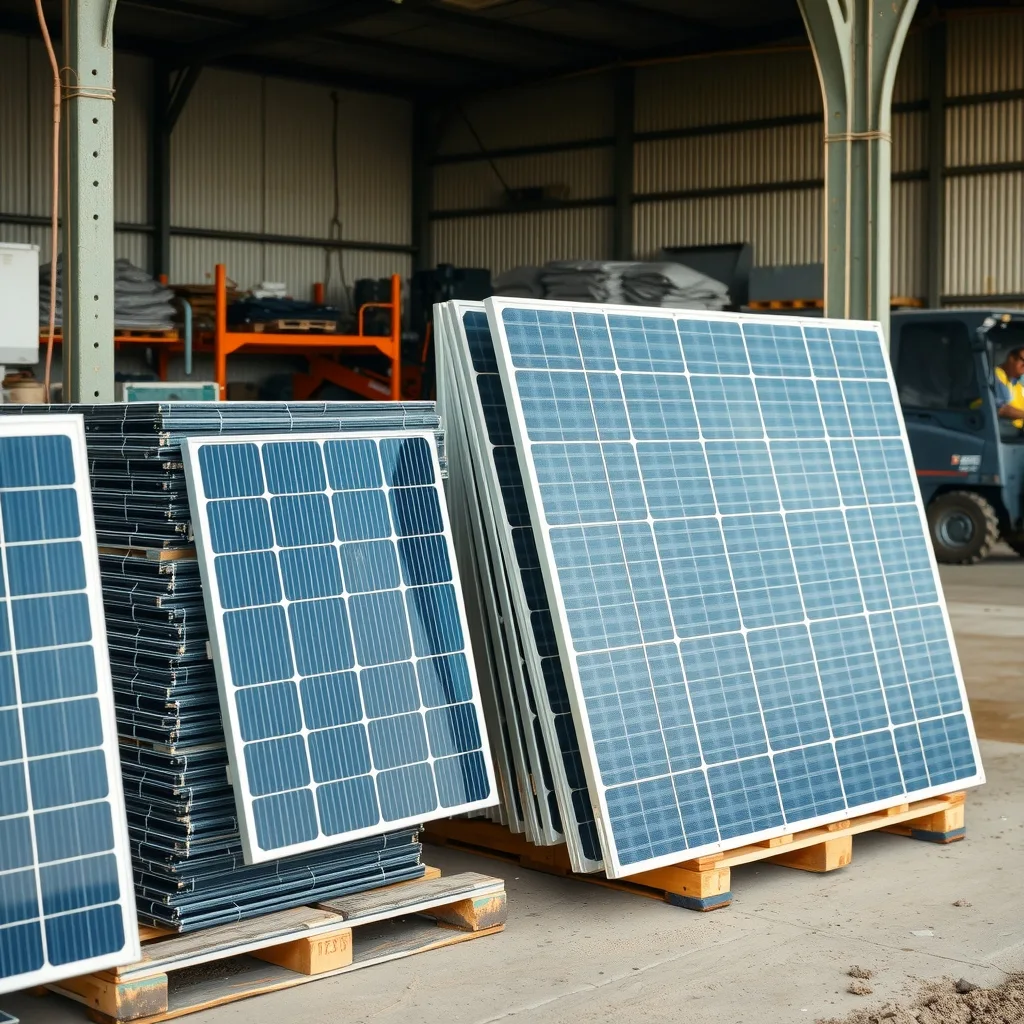
NSW generates around 14,000 tonnes of solar panel waste each year, a figure the state government forecasts will reach 89,000 tonnes by 2045, according to the draft regulation and issues paper.
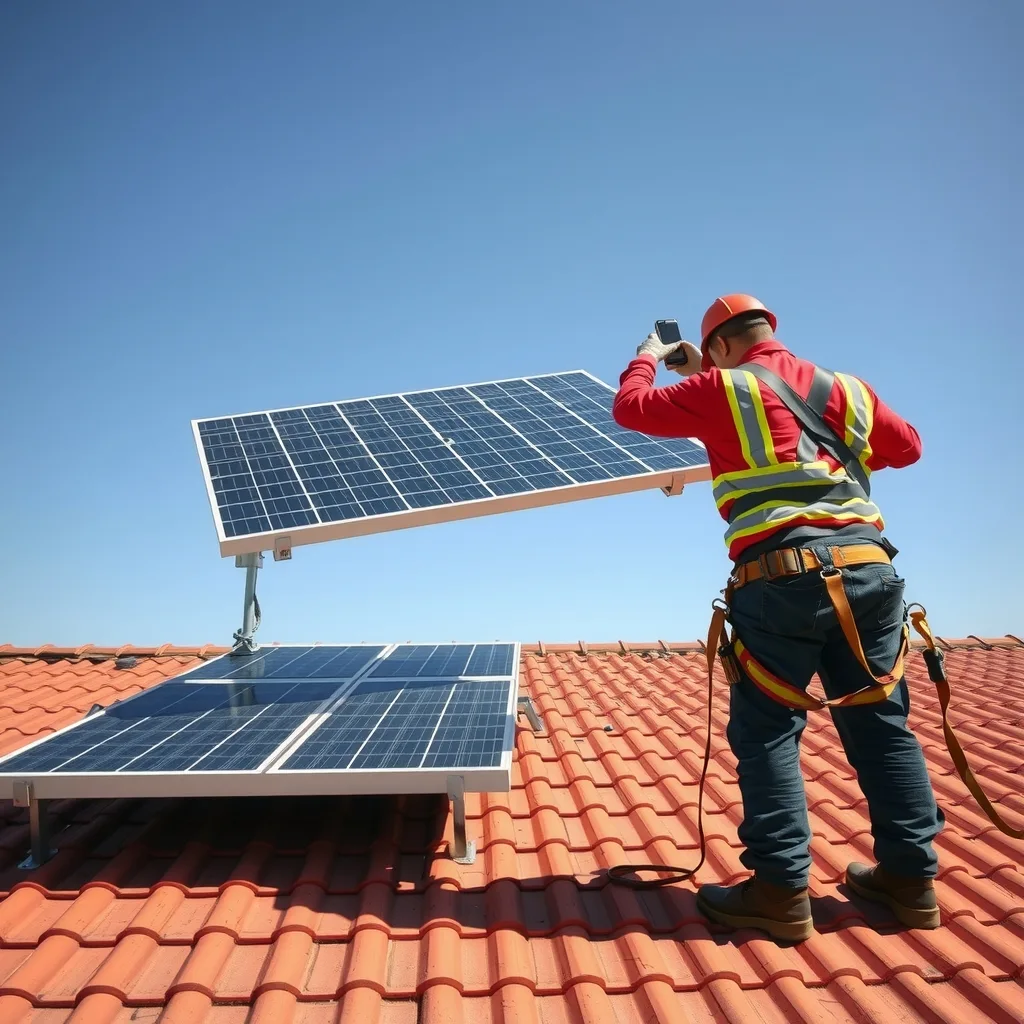
That’s driven by sheer volume on roofs. NSW has more than 1.18 million rooftop solar systems installed across homes, businesses, schools and community facilities, which the government says makes it the nation’s leader for solar uptake.
Every one of those systems was a job for somebody. Taking them down eventually becomes a different job, because panels come down as well as up, and right now there’s no state-wide rule about where they go once they’re off the rails.
Minister for the Environment Penny Sharpe said the state had to deal with what happens at the end of a panel’s life.
“NSW has embraced rooftop solar, and now we’re making sure those panels don’t become tomorrow’s landfill problem. Solar panels contain valuable materials that can be recovered and put back to work.”
What’s actually in a panel
Aluminium, glass, silicon, copper and silver can all be recovered from solar panels and put back into new products and manufacturing, the government said. Frames and glass make up most of the mass; the copper and silver are the small-volume, higher-value bits.
The pitch is that bigger, more reliable volumes of recovered material would give NSW local supply chains to work with, along with recycling and remanufacturing plants that need feedstock to be viable.
“A mandatory product stewardship scheme can help build a circular economy for solar panels, while supporting new recycling and manufacturing opportunities,” Sharpe said.
Product stewardship is the same principle behind tyre and battery schemes: the business that put the product on the market carries the cost of getting it back off, rather than the last person holding it.
What it means for the sparkies doing the work
For installers, the consultation matters less for the recycling science and more for the logistics. Panel swaps, storm damage replacements and system upgrades all generate a stack of glass and aluminium that has to be shifted somewhere, and the draft regulation is where the question of who pays for that leg gets settled.
The electrical side of a decommission doesn’t change. Fixed electrical wiring work, including isolating and disconnecting a rooftop array and its inverter, requires a licensed electrician in every Australian state and territory, and accredited installation remains the condition for claiming federal small-scale certificates on the system that replaces it. If you’re unsure where your licence sits for this kind of work in NSW, check with NSW Fair Trading rather than taking a supplier’s word for it.
What’s unsettled is everything after the panels hit the ground: whether installers become collection points, who covers transport from a job site in the regions, and how a brand owner’s obligation flows down to the contractor doing the physical removal. None of that is locked in. That’s exactly what the issues paper is asking about.
Who the government wants to hear from
The NSW Government says it’s seeking feedback from unions, industry, recyclers, manufacturers, researchers, local government, workers and the wider community on the opportunities, challenges and investment required to make the scheme work.
“Workers” is doing real work in that list. Solar contractors and their apprentices are the people who’ll handle the panels first, and a scheme designed without them tends to arrive as an unfunded chore on the invoice.
Submissions are open through the consultation portal on nsw.gov.au. If you run a solar crew in NSW, the lines worth reading closely are the ones covering collection obligations and who bears the cost of getting panels from the ground to a recycler, because that’s the part that lands on your day rate.
Frequently asked questions
Is NSW’s solar panel recycling scheme already law?
No. It’s currently a draft regulation and issues paper open for public submissions through the NSW Government’s consultation website.
Who would pay for recycling old solar panels under the scheme?
The draft scheme would make panel brand owners responsible for funding collection, recycling and resource recovery, following the same product stewardship model used for tyres and batteries.
Do I need a licensed electrician to remove solar panels?
Yes. Isolating and disconnecting a rooftop solar array and its inverter is fixed electrical wiring work, which requires a licensed electrician in every Australian state and territory.
How much solar panel waste does NSW produce each year?
NSW generates around 14,000 tonnes of solar panel waste a year, a figure the government forecasts will reach 89,000 tonnes by 2045.
Sourced from Manufacturers’ Monthly. Original article.