
MSI EVSE has launched its Eco Series wall-mounted EV chargers in Australia, a four-model range covering houses, strata buildings, fleet depots and commercial car parks, with every unit supporting both single-phase 7kW and three-phase 22kW charging from the same box.
The launch was reported by Electrical Connection, which lists the residential pair as the Eco Life and the Eco Premium (Home), and the commercial pair as the Eco Premium (Commercial) and Eco Premium Socket (Commercial).
MSI Australia general manager Jerry Lu said the brand was building from the installer base up. “We came to Australia knowing that trust in a new EV brand has to be earned at the grassroots level,” Lu says.
What separates the four units
Both home models run through MSI’s aConnect app and carry AutoCharge, which the company says recognises the vehicle and starts the session as soon as the cable is plugged in, with no card tap or app tap needed. The Eco Premium (Home) adds a 5-inch LCD showing voltage, amperage, session duration and energy delivered in kWh.
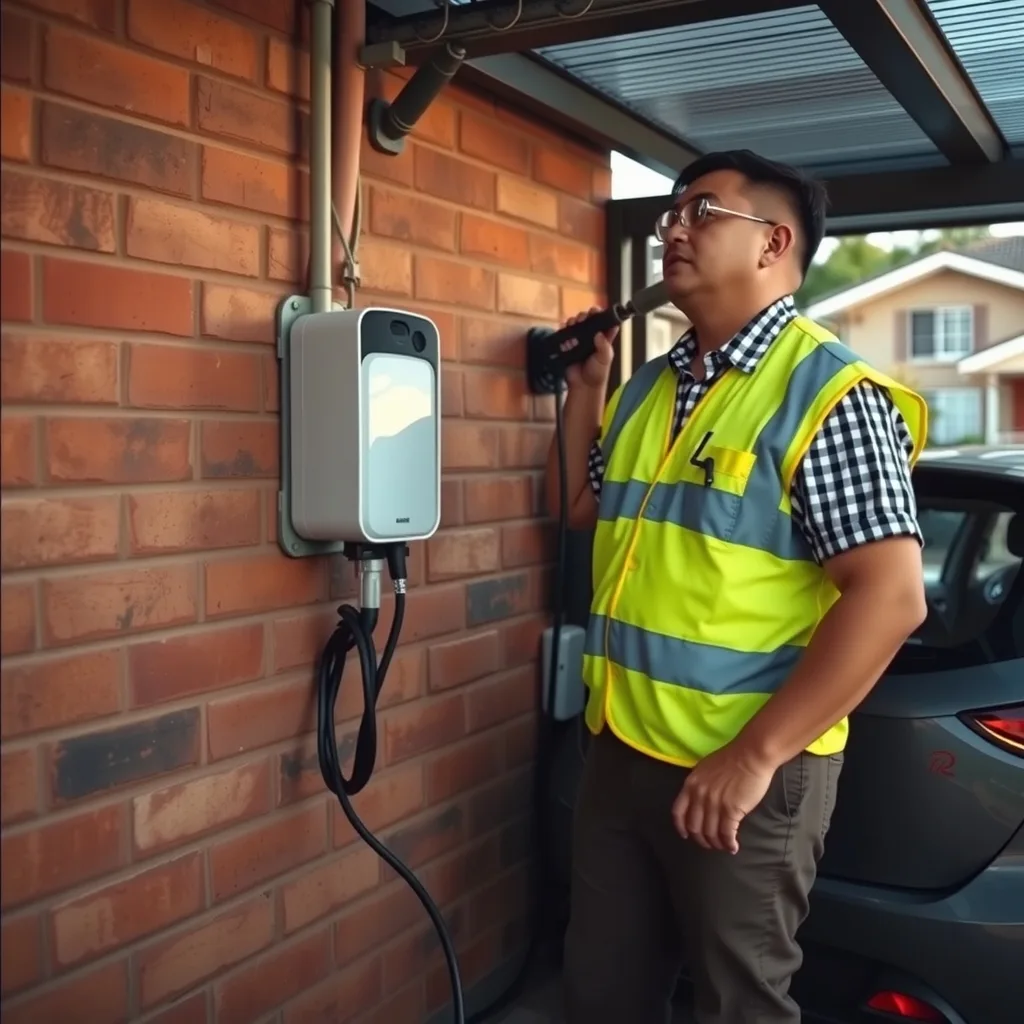
Home units ship with a 7.5m tethered Type 2 lead. That length dictates where the unit goes on the wall relative to the bay, and it’s the number worth checking against the driveway before you pick a mounting spot.
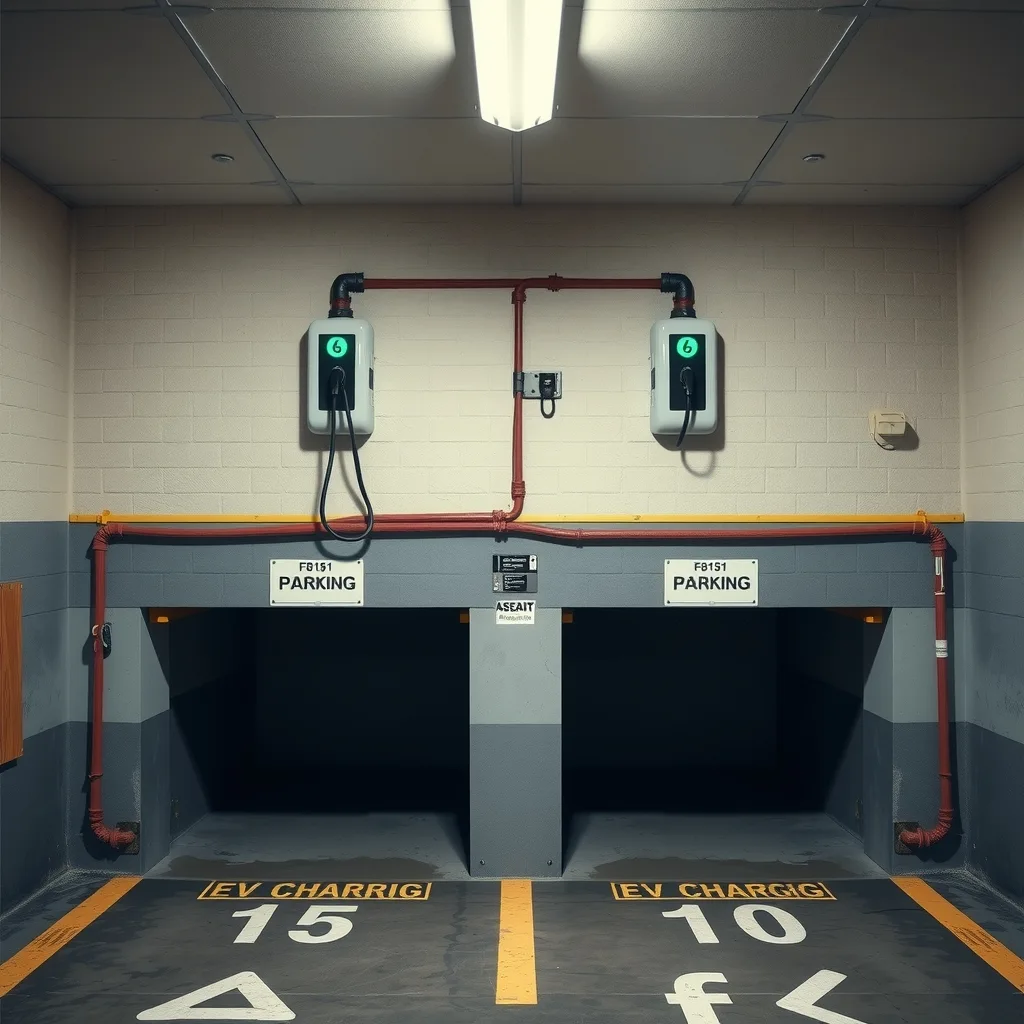
The two commercial models add OCPP 1.6J networking, Modbus solar integration, optional 4G and multi-user authentication, which is the feature set that makes them viable for apartment basements, strata common property and fleet yards where sessions have to be tied back to a user.
The Socket variant, as the name says, is an outlet rather than a tethered cable, so the driver brings their own lead. In shared car parks that removes the cable that otherwise hangs on the wall getting run over and yanked.
The dual-phase spec is the on-site story
All four Eco Series models support both single-phase 7kW and three-phase 22kW power, MSI said at its September 2026 Australian launch, meaning one part number covers either supply arrangement.
For a contractor carrying stock, that’s the practical bit. A single-phase weatherboard in the suburbs and a three-phase light industrial unit take the same charger off the ute, and the difference lives in the switchboard work, not the product selection. MSI says the intent is flexibility for properties that later go through a switchboard upgrade, renovation or other electrical changes.
Through the aConnect app, MSI says users can schedule charging into off-peak or daytime windows and watch sessions as they run. The commercial models can pull from rooftop solar through a Modbus link to the inverter side, which is where the quoting conversation with a homeowner who already has panels usually ends up.
Certification, and the part that isn’t optional
MSI lists the Eco Series as EESS certified and RCM registered, with IP65 and IK08 ratings and UL94 V-0 flame-retardant housings. The company says the built-in RDC-DD leakage detection is designed to cut power automatically when leakage current goes past safe thresholds.
Those are the manufacturer’s figures. BCN hasn’t tested the units, and the paperwork you actually need on the job is the certification and compliance trail for the installation itself, not the brochure.
Worth saying plainly, because homeowners keep asking: hardwiring an EV charger is fixed electrical work, and it needs a licensed electrician in every Australian state and territory. There’s no DIY version of it, no matter how tidy the wall looks. Installations sit under AS/NZS 3000, and the detail of what’s required on a given board, in a given state, comes from your state electrical regulator or your local NECA branch, not from a spec sheet.
What to watch
Lu framed the launch around three things landing at once.
“The Eco Series is the next chapter. Australia is at an inflection point where rooftop solar, EV adoption and building regulation are converging, and we’ve built a product range that sits right at that intersection.”
That convergence is where the work sits for sparkies. A single-phase home charger is a board check, a circuit, a cable run and a mount. A strata basement is a different animal: supply capacity, metering, who pays for what, and a body corporate that wants sessions billed per resident, which is exactly what OCPP-networked units are for.
The near-term question for anyone quoting this gear is availability and local support, since MSI is a newer name on Australian boards. Ask what the warranty process looks like when a unit drops off the network at month 14, and who picks up the truck roll. That answer will decide whether the range sticks on quote sheets or gets swapped out for a brand the supplier already backs.
Frequently asked questions
Can I install an EV charger myself?
No. Hardwiring an EV charger is fixed electrical work and needs a licensed electrician in every Australian state and territory, with installations sitting under AS/NZS 3000.
What’s the difference between the Eco Premium and Eco Premium Socket models?
The Eco Premium is a tethered charger with its own cable. The Eco Premium Socket is an outlet only, so the driver brings their own lead, which avoids a cable hanging in a shared car park.
Do MSI’s Eco Series chargers work with home solar?
The two commercial models can pull from rooftop solar through a Modbus link to the inverter. MSI hasn’t specified Modbus solar integration on the two home models.
What cable length comes with the home chargers?
The home models ship with a 7.5m tethered Type 2 lead, which determines where the unit needs to be mounted relative to the parking bay.
Sourced from Electrical Connection. Original article.