
Australia’s home building recovery has stalled. New home sales fell 3.7 per cent in July, their third straight monthly drop, and seasonally adjusted dwelling approvals fell 3.6 per cent to 17,687 for the month, according to figures from the Housing Industry Association and the Australian Bureau of Statistics.
The slowdown was reported by Sourceable, which pulled together the HIA New Home Sales report released on 21 August and the ABS building approvals data released this week. Both point the same way: fewer jobs entering the pipeline than three months ago.
Over the three months to July, new home sales came in 13.5 per cent lower than the previous quarter, the three months to April.
The detached numbers are the ones to watch
If you swing a hammer for a living, the detached house line is the one that matters, and it’s the one that went backwards hardest.
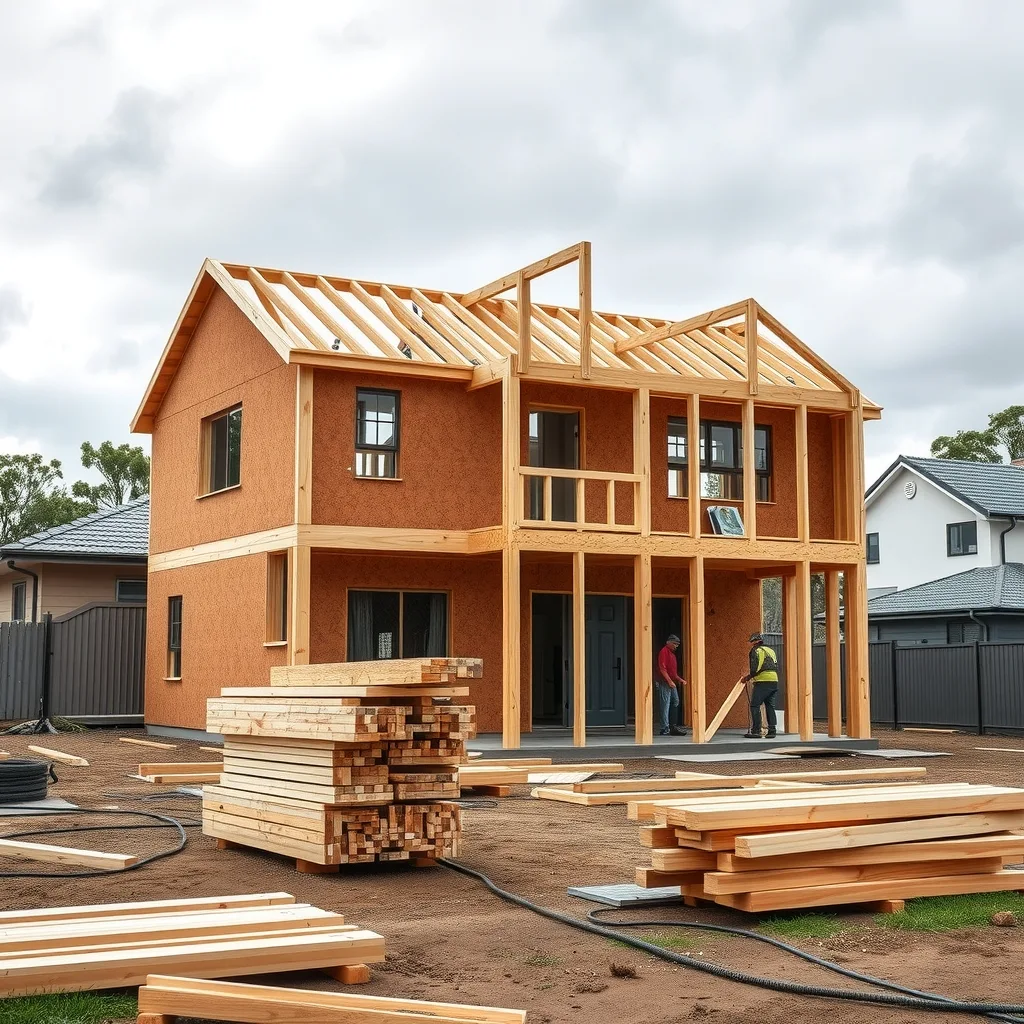
The 3.6 per cent fall in approvals was led by a 4.2 per cent drop in detached houses. That segment is the statistically stable part of the series, the part that doesn’t lurch around every month the way apartment approvals do when one big tower lands or doesn’t. A wobble in the unit numbers is noise. A drop in detached is a signal.
The HIA sales figure is drawn from a monthly survey of the country’s largest home builders across the five biggest states, and it’s a leading indicator for exactly that detached segment. It moves before approvals do, and approvals move before anyone pours a slab.
None of this means the industry has fallen off a cliff. The flow of new work is still running above the past few years. New home sales over the three months to July were 17.1 per cent higher than the same period in 2025, and approvals over that stretch are up 8.3 per cent.
What’s gone is the momentum. After roughly two and a half years of recovery, the line has flattened.
”Long lags” between the paperwork and the tools
Housing Industry Association senior economist Tom Devitt put the fall down to a collapse in confidence, and warned it takes a while to show up on site.
“There are long lags between changes in market conditions, building approvals and construction activity,” Devitt said.
He said the market had been travelling well until this year.
“New home building activity had good momentum heading into 2026 on the back of strong population growth, low unemployment and ongoing shortages of housing across the country.”
Devitt pointed to federal tax settings as part of the turn. “This year, the Australian government has increased taxes on housing investors, while restricting the ability of SMSFs to invest in housing.”
“Combined with rising interest rates, global conflict and surging fuel costs, this has interrupted an expansion in home building that was already underway,” he said.

The money side has already moved. “Lending in the established housing market has tumbled, with loans to investors, in particular, dropping almost 20 per cent in the first half the year. Dwelling prices are declining across the country, especially in Melbourne and Sydney,” Devitt said.
National house prices have fallen 3.6 per cent since their peak in March, on the figures cited in the Sourceable report, after three interest rate rises, geopolitical uncertainty and tax changes in the Federal Budget knocked buyer confidence.
Devitt said the sales slide was the first place it showed. “This is predictably filtering into the new construction pipeline, with new home sales declining for the three consecutive months to July.”
His warning for the months ahead is blunt.
“This adverse shock to new housing supply is yet to emerge in building approvals data.”
What it means for the order book
Here’s the practical translation of Devitt’s lag. A frame going up this month came out of a contract signed a fair while back, when sales were still climbing. The bloke doing the fitout behind it is working off something signed earlier again. So the slabs, frames, roofs, lock-up and fitout crews on a detached estate don’t all feel the same month’s downturn at the same time. They feel it in order, one trade at a time, as the gap works its way down the line.
That’s why the sales number is worth more to a carpentry business than the approvals number. Approvals tell you what’s already been signed off. Sales tell you what’s coming, and right now they’ve fallen three months running.
For anyone weighing up a second ute, a new apprentice, or a bigger crew on the strength of a full diary, the diary is the wrong thing to be reading. The diary reflects work already won. The leading indicator says less is walking in behind it.
Devitt’s ask of governments is a cost one. “Increasing the supply of housing and sustainably improving affordability requires the cost of construction to be reduced.”
The next test is the ABS approvals release for August. Devitt has already flagged that the hit hasn’t landed in the approvals series yet, so if detached approvals fall again, the sales slide has started converting into fewer jobs actually cleared to build. Watch the detached line, not the headline total. That’s the one that turns into framing work.
Note: this story rests on a single published report and its two data releases, and BCN has not independently verified the figures against the original HIA and ABS documents.
Frequently asked questions
Why does the new home sales figure matter more to tradies than building approvals?
New home sales are a leading indicator, they show what’s coming before it’s signed off. Approvals tell you what’s already been approved to build, but sales show whether new jobs are still entering the pipeline. HIA figures show sales have now fallen for three consecutive months to July.
What caused the slowdown in new home building, according to HIA?
HIA senior economist Tom Devitt pointed to increased taxes on housing investors, restrictions on SMSFs investing in housing, rising interest rates, global conflict and surging fuel costs, saying these combined to interrupt an expansion in home building that was already underway.
Have building approvals actually fallen yet?
Yes. ABS seasonally adjusted dwelling approvals fell 3.6 per cent to 17,687 in the month, led by a 4.2 per cent drop in detached houses. Devitt said the full shock to housing supply has not yet fully emerged in the approvals data.
Sourced from Sourceable, Housing Industry Association, Australian Bureau of Statistics. Original article.