

A billboard and TV campaign running around Canberra Airport is taking aim at the Reserve Bank’s ban on card surcharges, with small business operators arguing they still pay the bank on every card payment but can no longer show it on the bill. Mortgage broker and tax critic Joseph Dauod is behind the ads, which target the RBA changes that scrapped extra checkout fees on retail purchases including coffees, clothes and groceries.
Scrapping those checkout surcharges will save Australian consumers $1.6 billion a year, the Reserve Bank says, as reported by The West Australian. Businesses already dealing with higher input costs say they can’t absorb the fees the banks still charge them, and are putting the cost into their prices instead.
A Labor frontbencher says the RBA stopped one step short
Labor frontbencher Kristy McBain told Seven’s Sunrise the central bank got the call right but didn’t finish the job.
“I think the RBA made the right decision to ban card surcharging,” Ms McBain said.
“It costs customers about $1.6 billion every year, but they should have taken the next step and banned charging at the point of sale for small businesses.”
She put the blame squarely on the banks. “These banks are making billions of dollars in profits every year and small businesses are already paying account keeping fees and a range of other fees directly to their banks,” she said.
“We know the RBA has reduced the fees that banks can charge, but they should have taken that next step and said, if you can’t on-charge it to the customer, then the bank shouldn’t be charging their small business who is already paying a range of account-keeping fees directly to that bank.”
That’s the nub of the complaint coming out of the small business end of town. The customer-facing fee is gone. The merchant-facing fee isn’t.
The surcharge line disappears, the cost doesn’t
Plenty of trade businesses now take a tap at the door. The portable terminal in the glovebox, the phone that reads a card, the payment link at the bottom of an emailed invoice. For anyone running that setup, the surcharge was the one cost on the job that was itemised in front of the customer, sitting there under the labour and the materials.
Take it off the invoice and it doesn’t vanish. It moves into overhead, in with insurance, fuel, phone and tool replacement, and it comes out at settlement rather than at quote time. A sole operator doing a few thousand dollars of card work a month won’t feel it on any single job. They’ll feel it when the BAS gets done and the merchant statement doesn’t match what they thought they were earning.
Exactly which transactions the ban captures is a question for the Reserve Bank rather than for us. The West’s report describes the change in retail terms, coffees, clothes and groceries, so a builder or sparkie who currently adds a percentage to card payments should be checking the detail at rba.gov.au or with their payments provider before the next invoice run, not after.
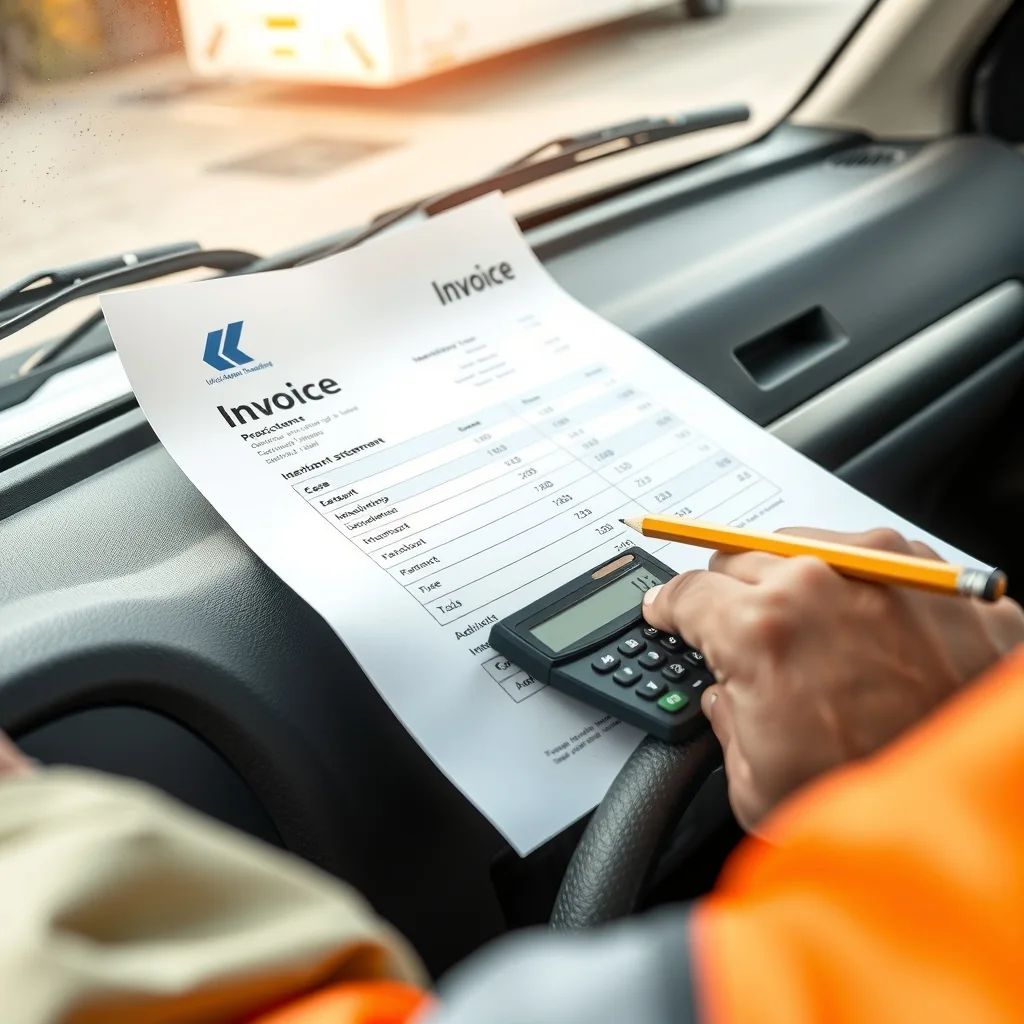
The practical move is repricing rather than arguing. If you’ve been running a 1 per cent to 2 per cent card line on invoices, that number has to go somewhere in the hourly rate or the materials margin, and it’s easier to adjust once, deliberately, than to discover the gap at the end of the quarter. Check the actual rate on your own merchant statement before you do it, because the figure on the statement is the one that matters, not the one you remember signing up to.
Tax bills on plastic get a reprieve to mid-2027
The other half of this mess landed on the tax side. The Australian Taxation Office planned to stop accepting credit card payments for tax bills from December, which would have closed off a cash-flow tool a lot of small operators lean on when a BAS or an income tax instalment lands in a quiet month.
After backlash, the Federal Government announced on Friday it would cover the cost for the tax office to keep accepting credit card payments from small businesses until mid-2027.
For a trade business, that’s the difference between finding the full amount on the due date and buying yourself a short float on the card until the next progress claim clears. It’s a reprieve with an expiry date on it, so it’s worth knowing what your payment options at ato.gov.au look like well before mid-2027 rather than in the week the bill falls due.
What to watch
Two things. Whether the RBA takes up the point-of-sale argument Ms McBain is making and moves on what banks can charge merchants directly, and whether the ATO’s credit card arrangement gets extended past mid-2027 or quietly lapses.
In the meantime, the job for anyone running card payments on site is unglamorous: pull the last three merchant statements, work out what the fees actually cost per month, and build that into the rate before the next quote goes out.
Frequently asked questions
Does the RBA’s surcharge ban stop tradies charging a card fee on invoices?
The ban as reported covers retail purchases like coffees, clothes and groceries. It isn’t confirmed whether it extends to trade invoicing, so tradies should check the detail directly with the RBA or their payments provider.
Why are small businesses still paying card fees if surcharges are banned?
Banks still charge merchants a fee on every card transaction. It’s just no longer itemised on the customer’s bill, so businesses are folding it into overheads or their hourly rate instead.
Can small businesses still pay tax bills by credit card?
Yes. After backlash over the ATO’s plan to stop accepting credit card payments for tax bills from December, the Federal Government said on Friday it would cover the cost of keeping that option open until mid-2027.
Sourced from The West Australian, AAP. Original article.