
Approvals for new private sector houses fell 4.2% in July and total dwelling approvals dropped 3.6%, Australian Bureau of Statistics figures released on Tuesday show, landing in the same week data firm Cotality put the median Australian dwelling at $912,885 after a fifth straight month of price falls.
The numbers were reported by The West Australian. Approvals for all other private dwellings, the apartments and townhouses bucket, barely moved, down 0.4% for the month. The ABS publishes the dwelling approvals series monthly, and it’s the earliest reliable read anyone on the tools gets on next year’s workload.
One soft month off the strongest June since 2021
ABS head of construction statistics Daniel Rossi said the fall needs to be read against what came before it.
“While private sector houses were down 4.2 per cent, this came off June, which had the most approved since September 2021,” he said.
“In year-on-year terms, the result is 6.0 per cent higher than July 2025.”
That’s the line worth keeping. One month down off a near four-year high isn’t the same thing as a pipeline going backwards, and the annual comparison is still pointing up.
The federal government’s target of 1.2 million new homes built by June 2029 is a different story. It was already behind schedule, and a month of falling approvals doesn’t help.
93% of suburbs went backwards in August
Cotality’s home value index fell 0.9% in August, with 93% of suburbs across Australia recording a decline for the month. The report noted about $40,000 has come off the average house value over winter.
Sydney led the capitals down with a 1.4% fall, taking its median to $1.2 million. Canberra and Melbourne both dropped 1.1%, Brisbane 1%. Darwin was the only capital to rise, up 0.6%, and it remains the cheapest median in the country at $647,000.
The West Australian reported that the Middle East conflict, interest rate hikes and federal changes to capital gains tax and negative gearing have taken some sting out of the market for buyers.
Cotality head of research Gerard Berg said the slide started at the top end and has been working its way out.
“The downturn commenced among the highest value suburbs initially. We have seen a slower spread across the other parts of cities,” Mr Berg said.
For first home buyers hunting in cheaper areas, that spread means the wait could run several months before values reach a level they can afford. Berg’s advice to buyers who can afford to move but lack the nerve was blunt.
“Being such a high value purchase, you need to be confident you are making the right decision,” he said.
“But if you are looking to hold the property for an extended period of time, you don’t want to try and pick the bottom of the cycle. You almost certainly won’t find that exact point.”
Shadow treasurer Tim Wilson blamed inflation and the budget’s changes to property concessions.
“The Albanese active inflation agenda that is forcing the hand of the RBA is killing home values,” he said.
“Australian families already struggling to pay their bills are now sitting at the kitchen table watching the value of their biggest asset, their family home, fall through the floor.”
“Australian families already struggling to pay their bills are now sitting at the kitchen table watching the value of their biggest asset, their family home, fall through the floor.”
Detached approvals are the number that pays chippies
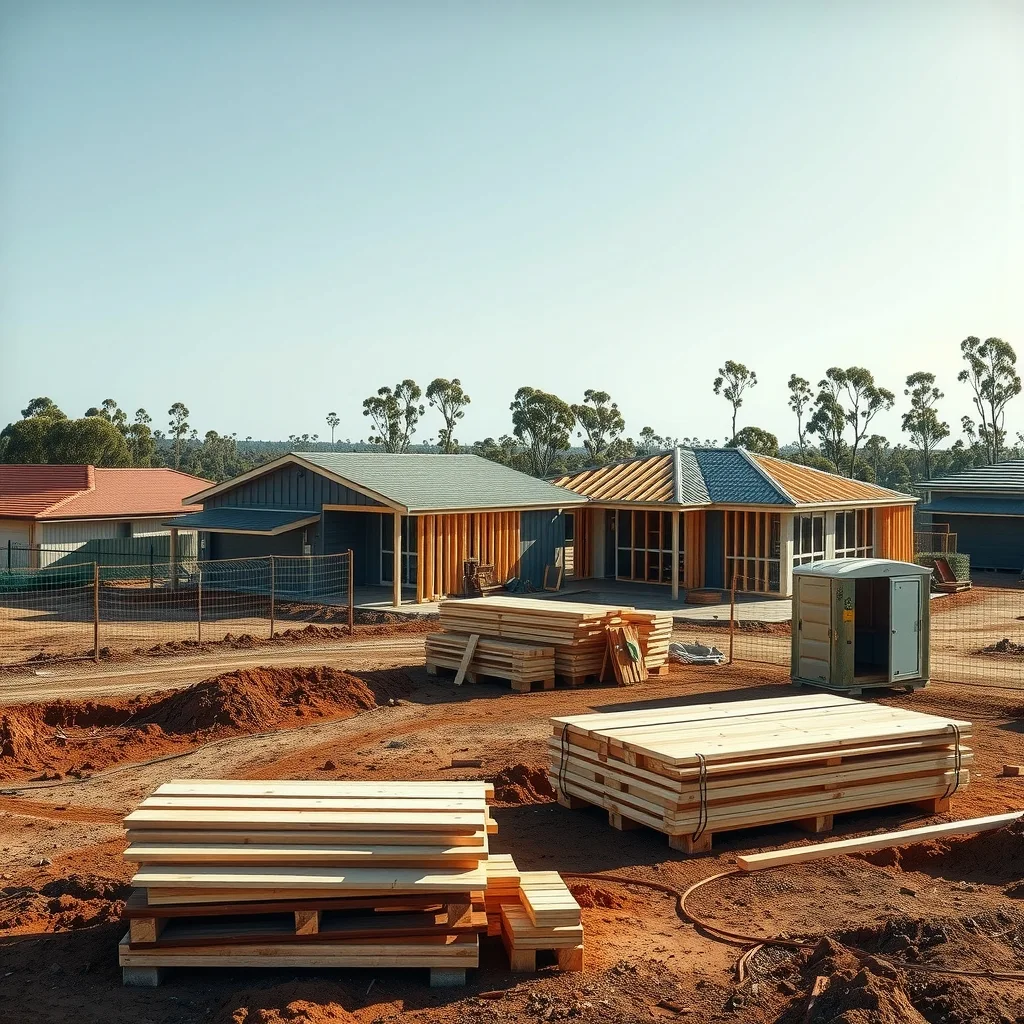
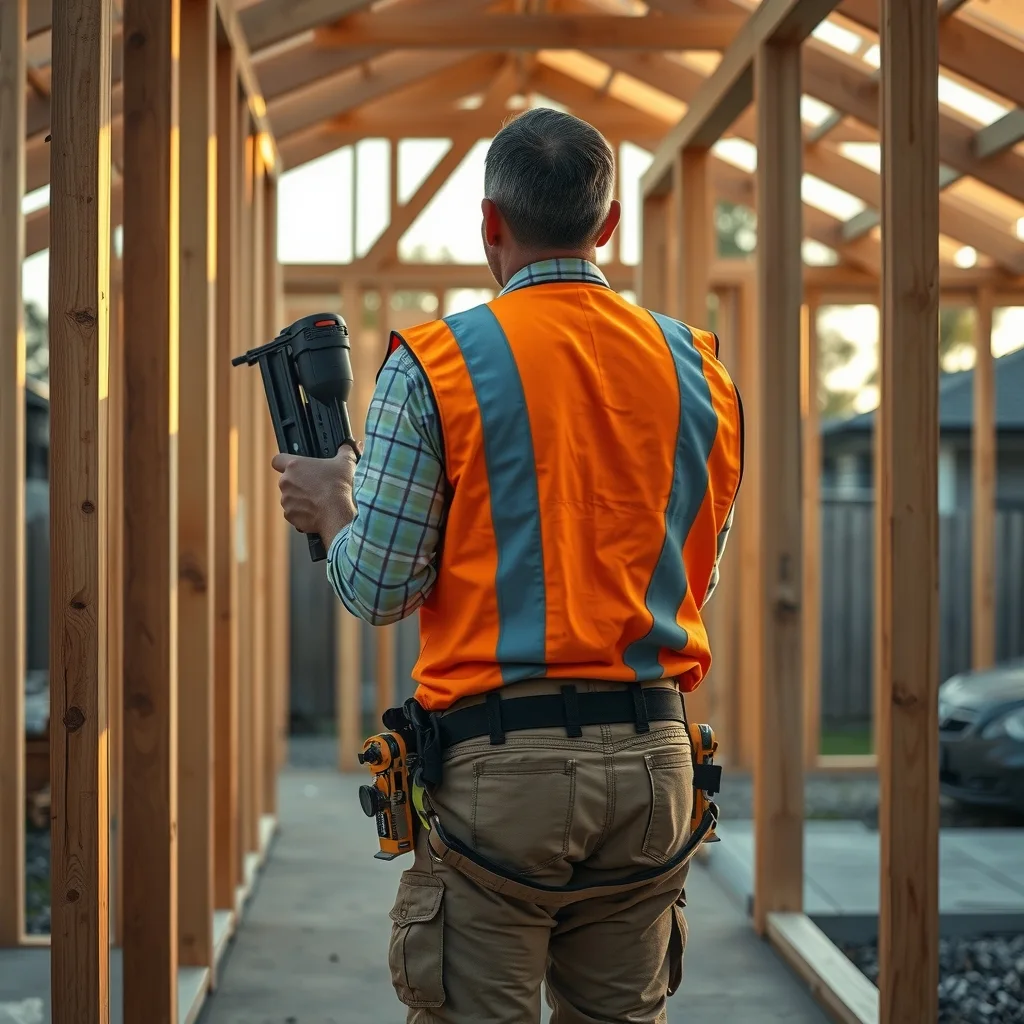
The split inside the July figure matters more than the headline. Detached house approvals, down 4.2%, are the segment that puts carpenters on site: wall frames, roof trusses, first fix, then fitout behind the trades that follow. Apartments and townhouses, which fell only 0.4%, run a longer and very different sequence, with formwork and steel fixing carrying the early months before a chippy sees the job at all.
So a bad month in houses lands harder on framing crews and smaller residential builders than the 3.6% top line suggests, and it lands later. An approval isn’t a job until finance closes, the site’s cleared and the slab goes down, which is why the June record and the July dip will show up in frame-up bookings well after the news cycle has moved on.
There’s a second channel that hits renovation work rather than new builds. When values fall across 93% of suburbs, the equity homeowners draw on to fund an extension, a new kitchen or a deck shrinks with them. Sydney owners looking at a median back at $1.2 million and Melbourne owners down 1.1% in a single month are the households that put off discretionary work first.
Darwin is the outlier in both datasets, the only capital where values rose in August, off the lowest median in the country at $647,000.
What to watch
The August approvals release is the one that tells you whether July was a blip off a record June or the start of a trend. Watch the house line specifically, not the total, because apartments can mask a fall in the work that keeps residential carpenters, brickies and roof plumbers going.
If you’re weighing up an apprentice or a second ute on the strength of your current book, the 6.0% year-on-year figure is a better guide than the monthly wobble. One month never made a cycle, and picking the bottom of one, as Berg pointed out about house prices, is a mug’s game in either direction.
Frequently asked questions
Why did house approvals fall in July?
ABS head of construction statistics Daniel Rossi said the 4.2% fall in private sector house approvals came off June, which had the most approvals since September 2021. Year-on-year, approvals were still 6.0% higher than July 2025.
Which capital city had the biggest home value drop in August?
Sydney led the falls with a 1.4% drop, taking its median dwelling value to $1.2 million, according to Cotality. Darwin was the only capital to rise, up 0.6%, and remains the cheapest median at $647,000.
Is the property downturn only affecting expensive suburbs?
Cotality head of research Gerard Berg said the downturn started among the highest-value suburbs and has been spreading more slowly into other parts of cities, with 93% of suburbs nationally recording a decline in August.
Sourced from The West Australian, Australian Bureau of Statistics, Cotality. Original article.