
Four of the country’s biggest housing and property bodies have released updated independent modelling that estimates the Federal Budget’s housing package will cut 10,700 new dwelling starts and more than 4,700 construction jobs between 2026-27 and 2029-30, while pushing rents up by around $10 a week.
The figures come from a joint statement issued by Master Builders Australia, the Housing Industry Association, the Property Council of Australia and the Real Estate Institute of Australia, dated 11 September. The modelling was done by Qaive and Tulipwood Economics.
What the modelling actually counts
The analysis looks at the cumulative effect of the Budget’s main housing tax reforms, including changes to negative gearing and capital gains tax concession arrangements, alongside the $2 billion Housing Support Program.
It also folds in a measure the industry groups say was agreed by Labor and the Greens during negotiations to get the broader package through Parliament. That measure prohibits self-managed super funds from using limited recourse borrowing arrangements to buy ordinary residential investment property, which is the mechanism a lot of SMSFs have used to hold a rental house.
Over the four years from 2026-27 to 2029-30, the modelling estimates the combined measures will reduce new dwelling starts by 10,700, lift rents by approximately $10 per week, cut cumulative GDP by approximately $1.05 billion, and see construction jobs fall by more than 4,700.
Those numbers are worse than the first round of modelling the same groups put out straight after the Budget, which had already found the package would reduce housing construction, weaken economic activity and add pressure on renters.
”Housing policy must place supply first”
The four bodies used the statement to make a blunt argument about direction.
“Australia cannot resolve its housing shortage through policies that make it harder to finance, build, and supply rental homes,” the joint statement said.
It tied the result back to the national 1.2 million-home target, which it described as already under significant pressure, arguing “policy settings that are estimated to remove 10,700 new homes from the market move Australia further away from its housing objectives”.
On what they want instead, the groups wrote: “Housing policy must place supply first. This means accelerating planning and approvals, delivering enabling infrastructure, supporting construction capacity and skills, and maintaining the investment needed to provide homes for Australia’s growing population.”
The Government’s own numbers tell a different story
The statement sets its findings directly against what the Government has said the package will do, and the gap is wide.
According to the figures the industry groups quote, the Government has claimed the measures will deliver around 75,000 additional owner-occupiers over the next decade, a rent increase of less than $2 per week for a household paying the current median rent, house-price growth around 2 per cent lower over several years than it would otherwise have been, and up to 30,000 additional homes over the decade when combined with other supply measures.
So one side has rents up $10 a week and 10,700 homes gone. The other has rents up under $2 a week and up to 30,000 homes added. Same policy, opposite sign.
“The housing industry remains concerned about the difference between the Government’s stated expectations and the findings of the independent modelling,” the joint statement said.
The four groups say they’ll keep watching the data. “The industry will continue to monitor market data and assess the effects of the reforms against the Government’s stated claims,” the statement said, adding that they intend to “hold the Government to account for the impacts of these changes”.
What a dwelling start means on the tools
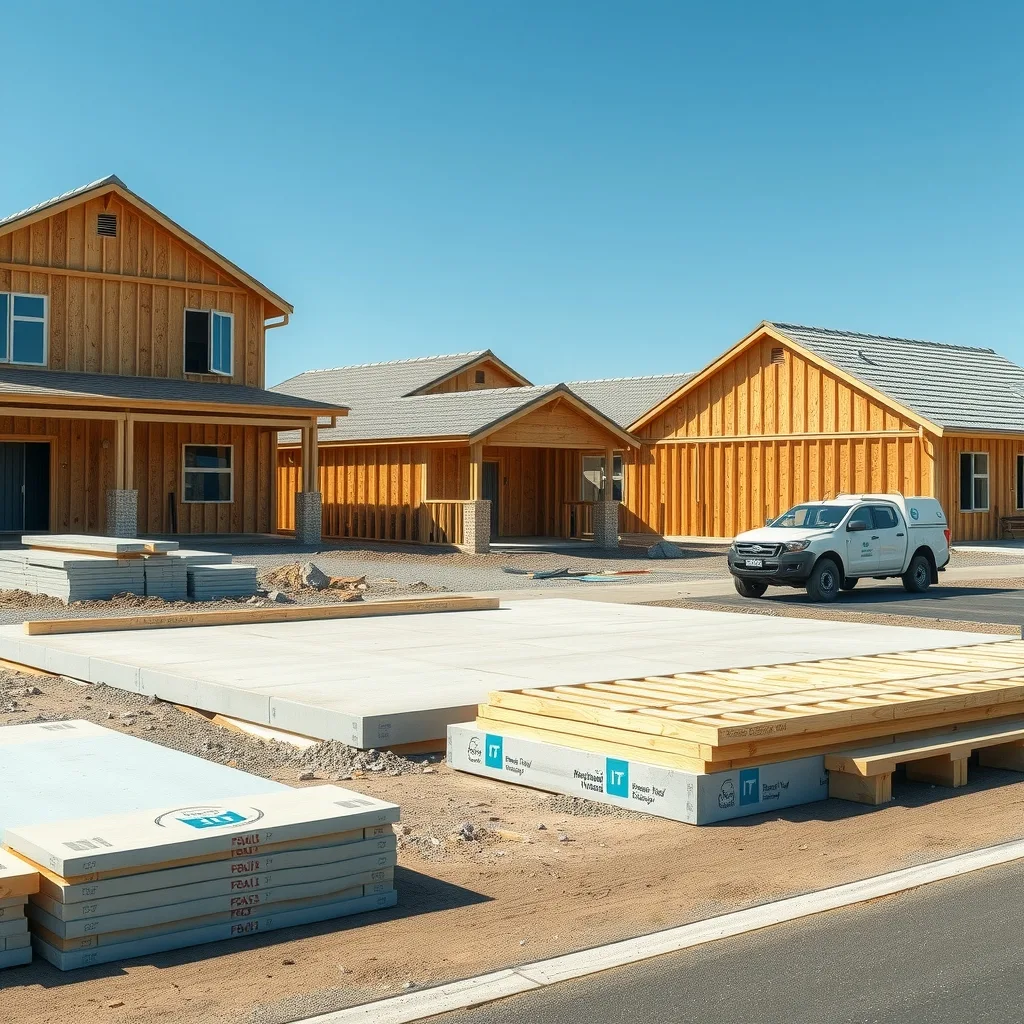
A “start” isn’t an abstraction if you swing a hammer for a living. It’s the point where a slab gets booked, a frame gets ordered, and the whole sequence behind it locks in: excavation and footings, slab pour, frame and truss, roof, lock-up, then the trades that follow through the house for the fitout, wet areas, wiring and finishing. Nothing downstream happens until that start happens.
So 10,700 fewer starts spread over four years isn’t just a housing number. It’s four years of missing footing sets, missing frames and missing fitout runs, which is the reason the modelling also lands on construction jobs. The 4,700 job figure is the same four-year window, not a single-year hit.
Worth keeping the source in view. This is modelling commissioned and released by four industry bodies with a clear position on the tax changes, and the Government’s published estimates point the other way. Nobody has actual post-reform starts data yet.
For anyone weighing up a second ute or a first-year apprentice off the back of detached residential work, the thing to track is real approvals and commencements in your own patch over the next few quarters, not the competing forecasts. Approvals move first, starts follow, and the trades feel it a good stretch after that.
Both Master Builders Australia and HIA publish their own regular housing forecasts and member surveys, and the four bodies say they’ll report on whether the Government’s claims hold up as evidence comes in. The supplementary modelling is linked from the joint statement. Watch the next round of commencements figures, because that’s the first place the argument gets settled with numbers instead of forecasts.
Frequently asked questions
What does the industry modelling say the Budget housing package will do?
Modelling commissioned by Master Builders Australia, HIA, the Property Council and REIA estimates it will cut 10,700 new dwelling starts and more than 4,700 construction jobs between 2026-27 and 2029-30, while lifting rents by about $10 a week.
What does the Government say the package will achieve instead?
According to figures quoted in the industry statement, the Government expects around 75,000 additional owner-occupiers over the next decade, a rent rise of under $2 a week, house prices about 2 per cent lower than otherwise, and up to 30,000 additional homes when combined with other supply measures.
Who produced the modelling behind these figures?
It was commissioned by Master Builders Australia, the Housing Industry Association, the Property Council of Australia and the Real Estate Institute of Australia, and carried out by Qaive and Tulipwood Economics.
What counts as a dwelling ‘start’ in this modelling?
A start is the point construction begins, when the slab is booked and the frame ordered, triggering the sequence of trades, excavation, slab, frame, roof, lock-up and fitout, that follows through to completion.
Sourced from Master Builders Australia. Original article.