
The federal government is not currently considering an import ban on smart glasses, Attorney-General Michelle Rowland said on 31 August 2026, as she released draft legislation for a second tranche of privacy reforms. The draft carries a “right to erasure” covering large social media platforms and search engines, a “fair and reasonable” test on what companies can collect, and a new myGov service called IDLock that lets people switch their identity documents on and off for online verification.
ABC News reported that the Greens and independents have been pushing for a 12-month halt on smart glasses imports until privacy laws are strengthened. Rowland didn’t take that up.
“We are not specifically, in this consultation, consulting on an import ban,” she told reporters.
“The Privacy Act consultation does not go to issues of import restrictions; however, we are not ruling anything out in terms of other measures we can take.”
The consultation paper released with the draft says the laws are written to be technology-neutral, so they catch privacy breaches from emerging tech rather than naming a device.
Why this has landed now: the price
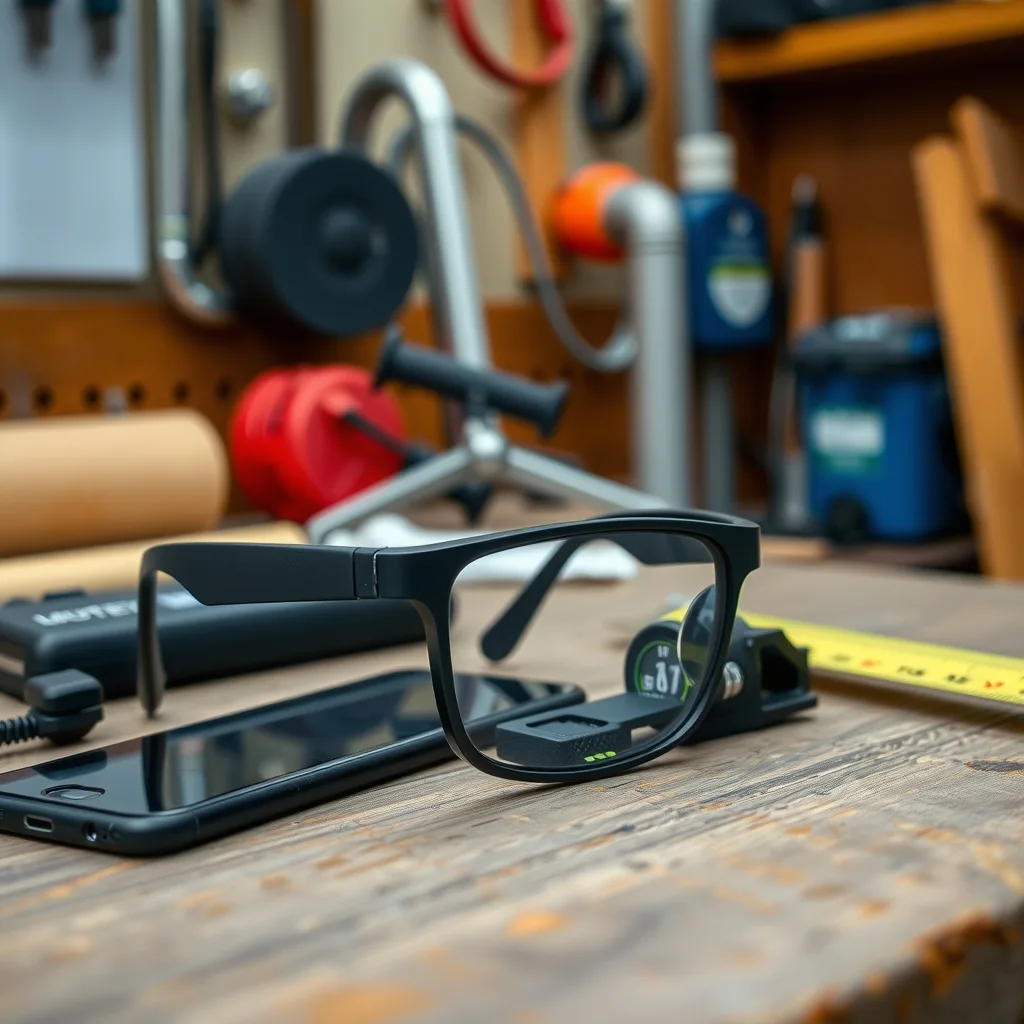
Earlier versions of smart glasses cost about $500, while newer versions are available for under $100, ABC News reported on 31 August 2026. That’s the number that changes the picture. At a hundred bucks, recording eyewear stops being a gadget-blog curiosity and starts turning up in glove boxes, toolbags and shopping centres.
The hardware looks like ordinary eyewear with a small computer built into the frame, and it can record and live stream without anyone nearby knowing. Critics have labelled the devices “pervert glasses”, the ABC reported.
The eSafety Commissioner has put the other side of the ledger, noting the same gear can run live speech-to-text for deaf users or describe surroundings for people with low vision. In an industry report circulated the same day, the commissioner urged companies to automatically blur people’s faces, delay live streaming, and build in clear visual indicators when audio or video is being recorded.
Councils and site owners get the job instead
Rather than customs, Rowland pointed at whoever controls the space. Brisbane City Council last week banned people from secretly filming with AI smart glasses and other wearable recording devices at public pools.
“I would like other councils to consider what kind of public areas they have in their sphere of influence where this could apply,” Rowland said, citing council-run childcare centres as an example.
Education Minister Jason Clare’s office told the ABC that smart glasses are already covered by the ban already in place, because any personal device capable of taking, storing or transmitting an image is not allowed in childcare centres.
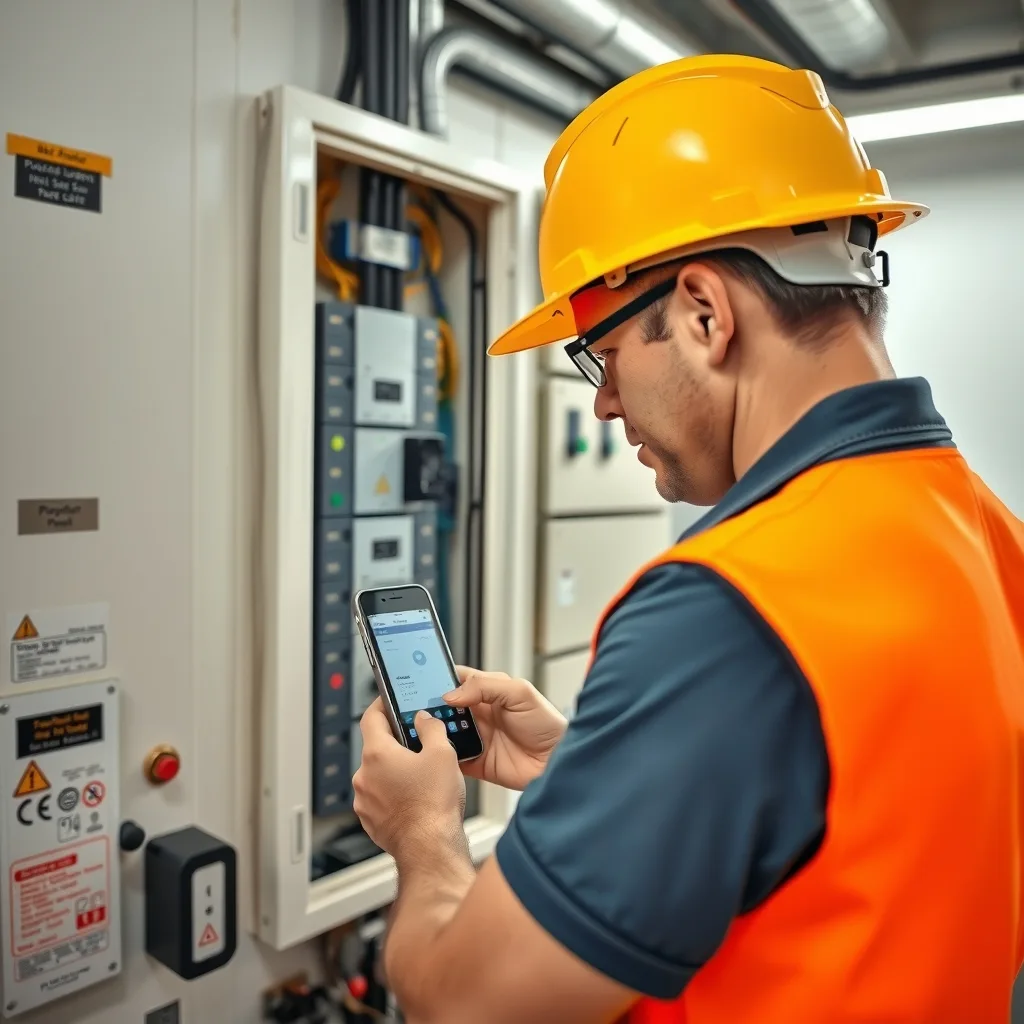
That one is worth reading twice if you do maintenance work. The rule as described by the minister’s office isn’t about camera glasses specifically, it’s about any image-capable personal device, which is the same phone a sparkie uses to shoot a switchboard before-and-after for the compliance file, or a plumber uses to photograph a repaired waste for the invoice. If photo evidence is part of how you get signed off and paid, sort out with the centre manager at quoting stage what you’re allowed to carry past the gate, not while you’re standing in the plant room.
Rowland also said councils and businesses, such as retail shops with change rooms, could restrict the use of smart glasses as they saw fit. Shopfitters, gym and aquatic centre fitout crews and anyone working around change areas should expect wearables to start appearing in site inductions next to the existing phone rules, decided client by client rather than by one national standard.
“This is not the final piece of wearable information processing technology that will be developed,” Rowland said.
“I acknowledge there are deep concerns about this, but the notion that this is somehow a quick and uncomplex mechanism to impose an import ban is not correct.”
The Greens want a light and a sound on the frame
Greens senator David Shoebridge called the draft laws a modest step forward, but said they need to be extended to cover the use of smart glasses, and he repeated the call for an import ban.
“There is still no requirement for a prominent light, a recognisable sound, or any outward sign that a pair of glasses is recording or searching online about people the wearer is seeing.”
He also took aim at where the erasure right stops.
“A right to erasure that is limited only to platforms with $500 million or more in revenue, or 2.5 million monthly users, leaves out every small app and every emerging glasses startup building exactly this kind of surveillance product,” Shoebridge said.
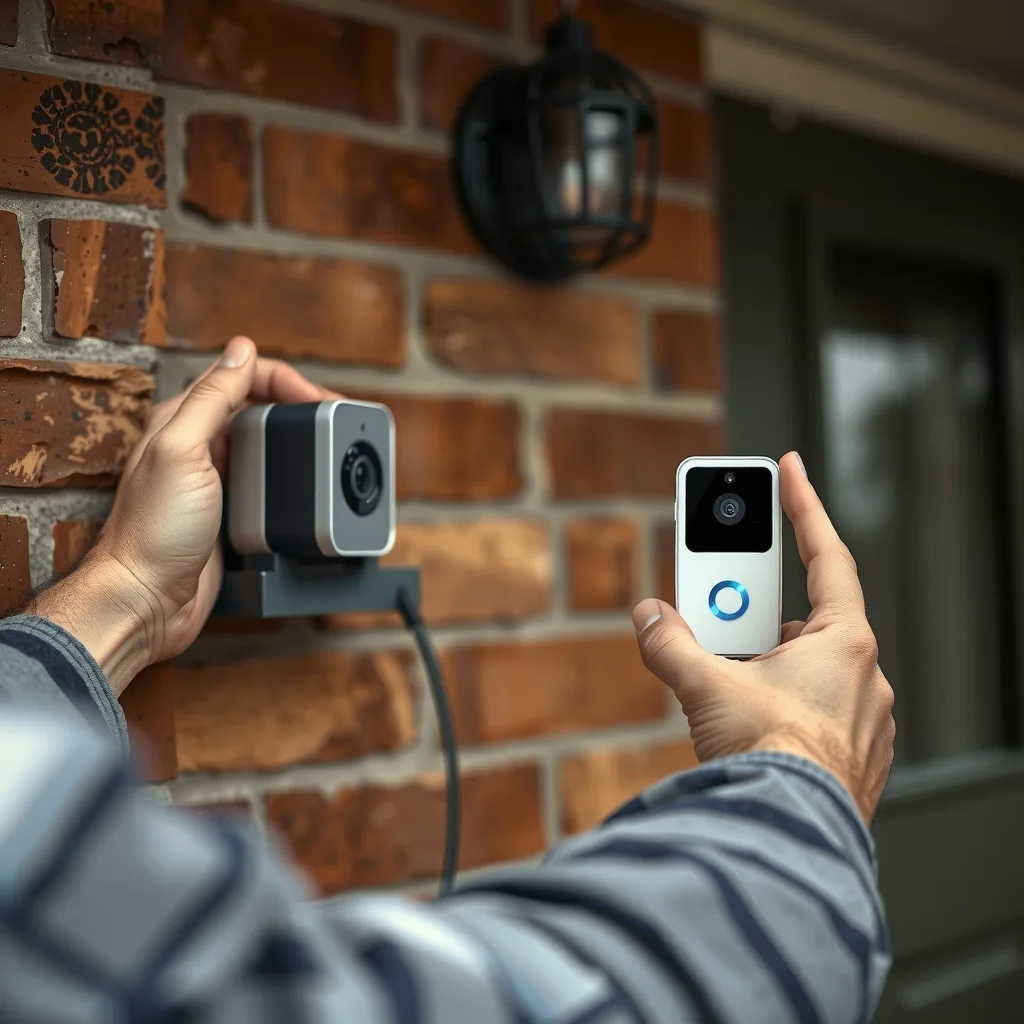
That threshold matters for the smart-home end of the trade. Plenty of the doorbell cameras, sensor hubs and site-security apps installers put in for clients are run by outfits well under those numbers, so a customer asking you to wipe their footage history may be asking about a service the erasure right, as drafted, doesn’t reach.
Erasure, consent and the data trade
Rowland said the erasure right would let people request their personal information be removed and destroyed from social media platforms and search engines, as large platforms are already required to do in the European Union. She signalled the penalties would bite.
“We are not shy in terms of having high penalties, because what we are talking about here is damage to people,” she said.
The draft also sets a “fair and reasonable” test on collection, plus consent rules and measures aimed at stopping businesses trading personal information without permission, “so shopping habits, online interests or location data cannot be bought and sold behind Australians’ backs”, Rowland said.
University of Sydney digital cultures and technological harms researcher Milica Stilinovic told ABC News the proposal was a good step forward, but wasn’t sold on how it lands in practice.
“Is big tech actually going to come to the table and allow this type of erasure to occur, and on a permanent basis? I think the jury is still out on one,” Dr Stilinovic said.
IDLock, and what to watch
The other announcement is IDLock, a service running through myGov from next year, with a small group of test users later this year. It lets people block, unblock and monitor how documents like a passport or driver’s licence are used through the government’s document verification service. Block them by default against scams, then unblock for a short window when a bank needs to verify you for a credit card.
“What this does is essentially take the power back to individuals to provide certain agency to remove that very sensitive data from third parties,” Dr Stilinovic said.
For a sole trader whose licence and passport get handed over every time an account is opened or a supplier does a credit check, that’s a switch worth knowing about once it’s live.
The draft legislation is out for consultation now, so the practical question for anyone on the tools is what your clients do in the meantime. Watch which councils follow Brisbane’s lead on pools and council-run facilities, and read the wearables line in your next site induction properly, because right now that induction is doing the work an import ban isn’t.
Frequently asked questions
Will smart glasses be banned in Australia?
No. Attorney-General Michelle Rowland says the government isn’t considering an import ban as part of its draft privacy law reforms, though she hasn’t ruled out other measures.
Can a business or council ban smart glasses?
Yes. Rowland says councils and businesses, such as pools, childcare centres and retail shops with change rooms, can restrict smart glasses in areas they control. Brisbane City Council has already banned secret filming with smart glasses at public pools.
What is IDLock?
IDLock is a new myGov service, with a small group of test users starting later this year and a wider rollout from next year, that lets people switch identity documents like a passport or driver’s licence on and off for online verification checks.
Does the new right to erasure cover every app?
No. As drafted, it only applies to platforms with $500 million or more in revenue or 2.5 million monthly users, which Greens senator David Shoebridge says leaves out smaller apps and emerging smart glasses startups.
Sourced from ABC News. Original article.