
A bio reactor measuring about 57 metres square and seven metres deep has been built at the Warrnambool Sewage Treatment Plant using more than 3,000 tonnes of precast concrete and 350 tonnes of reinforcement, as part of Wannon Water’s $85 million upgrade of the regional Victorian plant. Lead contractor CCP delivered the job, with all precast panels and associated structural elements manufactured and installed by Otway Precast.
The project was reported by Inside Construction, which described the finished structure as having an 18 megalitre treatment capacity and forming part of Wannon Water’s long-term push to lift treatment capacity for population growth and industrial demand across the south-west.
Wannon Water has described the broader sewage treatment plant upgrade as its largest ever single infrastructure investment.
Why a factory floor beat a formwork deck
Wastewater structures cop it harder than almost anything else in civil work. Constant moisture, chemical exposure and round-the-clock operation all sit on the same concrete for decades, which is why material selection on a job like this gets argued over long before anyone turns a sod.
Casting the structural elements in a controlled factory environment let Otway Precast hold the dimensional accuracy needed across a large multi-cell tank while keeping production quality consistent, according to the Inside Construction report.
Otway Precast managing director Tim Reinen said the job showed what off-site manufacturing brings to major civil infrastructure.
“Projects like this highlight the value of controlled off-site manufacturing, particularly where durability, accuracy and installation sequencing are all critical to delivery,” said Reinen.
That last word, sequencing, is doing a lot of work in a sentence like that. Big wastewater jobs usually mean staged construction around plant that can’t be switched off, multiple contractors sharing a compound, and a program where one late pour drags everything behind it.
What it changes on the tools
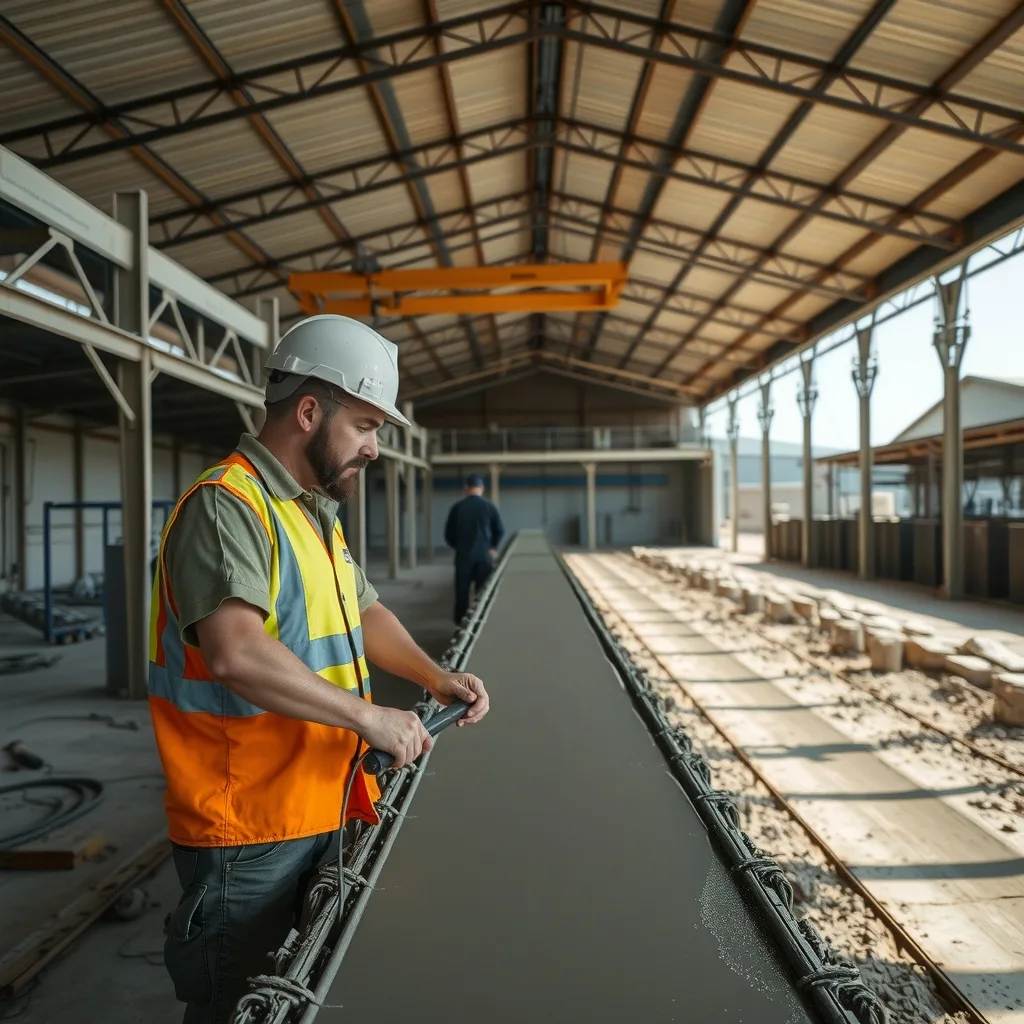
Swapping in-situ concrete for precast doesn’t remove the work, it relocates it. The formwork, the reo cages and the pour all still happen, they just happen under a roof in a casting yard with fixed hours, a hard stand and a gantry, instead of down a seven-metre-deep excavation in a Warrnambool winter.
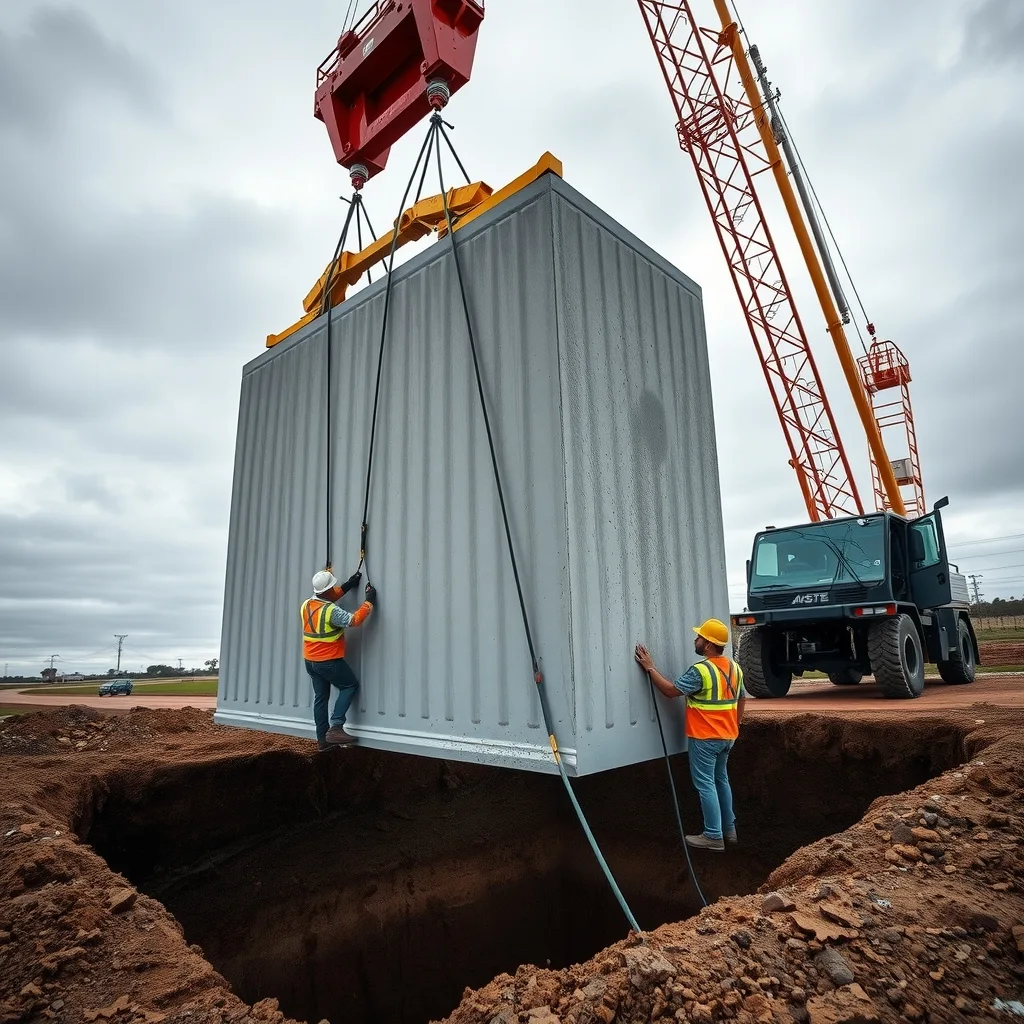
What’s left on site is a different trade mix. Crane and rigging hours go up, because every element arrives as a finished piece that has to be flown in and landed on a prepared level. Grouting, stitch pours, joint sealing and the mechanical fixings between panels become the critical path items rather than stripping and re-setting wall forms cell by cell.
For the subbies downstream, the payoff is date certainty. When the concrete is already cast and cured before it hits the truck, the pipe fitters, mechanical installers and electricians chasing the structure can plan a start off an installation program rather than off the weather forecast and a slump test.
It also cuts the amount of in-situ work happening inside a live treatment plant, which is its own kind of win. Anything done inside an operating wastewater facility in Victoria sits under WorkSafe Victoria duties, and every hour you’re not standing in the hole with a vibrator and a form is an hour of exposure you’ve designed out rather than managed.
Regional yards, regional jobs
The part worth noticing for anyone running a business outside a capital city is where the manufacturing happened. Otway Precast, a National Precast member, made and installed the elements, which means a big slice of the $85 million spend on this structure went through a regional supply chain rather than being trucked down from Melbourne.
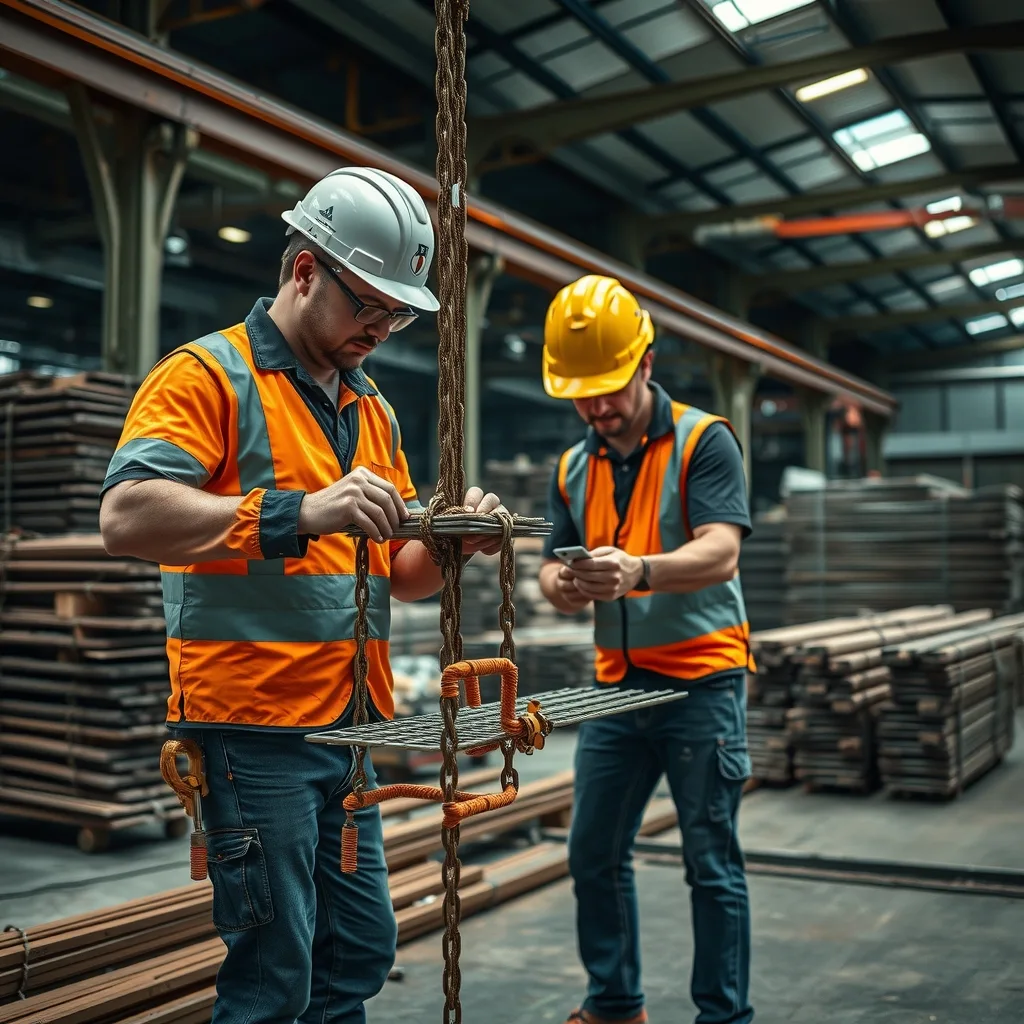
That matters when you’re deciding whether to put on an apprentice. A precast yard with a steady book of civil work offers something a site crew chasing the next tender can’t: indoor work, repeatable tasks, and a training environment where a first-year steel fixer can learn cage tying without also learning how to work at depth in the wet.
The flip side is honest enough to say out loud. Every tonne cast in a shed is a tonne of formwork carpentry and site steel fixing that isn’t happening on the job. Precast doesn’t kill concreting work, but it does shift where a chunk of it sits, and outfits built entirely around in-situ tank construction are competing with a factory now.
What to watch
Australia’s water utilities are in a heavy spending cycle, and treatment plants are the least glamorous and most necessary end of it. Wannon Water’s Warrnambool job is one utility’s biggest ever single infrastructure investment, and there are dozens of similar-sized authorities around the country carrying ageing plants and growth-driven capacity problems.
If you quote civil work in a regional area, the question to put to a head contractor early is simple: how much of this is coming in on a truck already cast? The answer tells you whether you’re pricing weeks of formwork and pours, or a fortnight of rigging, grouting and making good, and those are very different crews with very different day rates.
Frequently asked questions
How much did Wannon Water’s Warrnambool sewage plant upgrade cost?
The upgrade of the Warrnambool Sewage Treatment Plant, including the new bio reactor, is worth $85 million and is described as Wannon Water’s largest ever single infrastructure investment.
Who built the new bio reactor at Warrnambool?
Lead contractor CCP delivered the job, with all precast panels and structural elements manufactured and installed by Otway Precast, a National Precast member based in regional Victoria.
How big is the new bio reactor?
It measures about 57 metres square and seven metres deep, has an 18 megalitre treatment capacity, and was built from more than 3,000 tonnes of precast concrete and 350 tonnes of reinforcement.
Why did the project use precast concrete instead of pouring on site?
Casting in a factory let Otway Precast hold tight dimensional accuracy across a large multi-cell tank and keep quality consistent, according to Inside Construction, while cutting the amount of in-situ work needed inside a live, operating treatment plant.
Sourced from Inside Construction. Original article.