
Master Plumbers and Mechanical Services Association of Australia has asked Victoria’s next state government to halve the cost of apprentice training and lift the cap on government-funded training places. The call follows figures showing trade apprenticeship commencements in the state fell by 1,495 in the year to March 2026, the largest decline of any Australian state or territory.
The call was reported by Plumbing Connection, which cited National Centre for Vocational Education Research data showing the slide in starts, with a further release of apprenticeship figures due the following week.
It lands with Victorian voters heading to the polls on Saturday.
The numbers behind the ask
Trade apprenticeship commencements in Victoria dropped by 1,495 in the year to March 2026, the largest decline of any state or territory, according to NCVER figures cited by Master Plumbers.
The broader pool shrank too. Apprentices and trainees in training in Victoria fell by almost 12 per cent over the same period, to 57,665.
Against that, government projections quoted by the association indicate almost 10,000 new plumbers will need to enter the Victorian workforce over the next decade to keep up with housing construction and other building work. Averaged out, that’s about 1,000 a year, every year, while the starts line is heading the other way.
Master Plumbers chief executive Ashleigh Dalmau said the association expected the figures to fall further, and that the problem starts at the employer’s end, not the apprentice’s.
“There’s no such thing as an apprentice without an employer. Every new home in Victoria needs a plumber and every plumber started with a business willing to take them on,” Ms Dalmau said.
What the $115 million would actually cover
The Liberals and Nationals have committed $115 million to cover half the off-the-job training costs for apprentices in priority trades, plumbing among them. Master Plumbers estimates the proposal could save plumbing businesses up to $4,000 per apprentice.
That’s the fee side of the ledger, the block-release component an apprentice does away from site. Ms Dalmau said cutting training costs could make it easier for small businesses to take on apprentices, which also require a commitment of time and supervision.
That second part is the one that doesn’t show up on an invoice. A first-year plumbing apprentice can’t be sent to do a rough-in alone. Someone with a licence has to be on the job, checking the falls, the pipe supports and the pressure test, and that person’s own productivity drops while they do it. For a two-van shop, taking on an apprentice is a multi-year bet on work still being there when the apprentice becomes useful.
The source article does not carry a response from the current Victorian government or from other parties on the proposal.
A cap of 150, and a waiting list that’s closed
The association’s second ask is about places, not price. It wants the caps on government-funded training places lifted, arguing established providers should be able to expand their intakes where demand runs past supply.
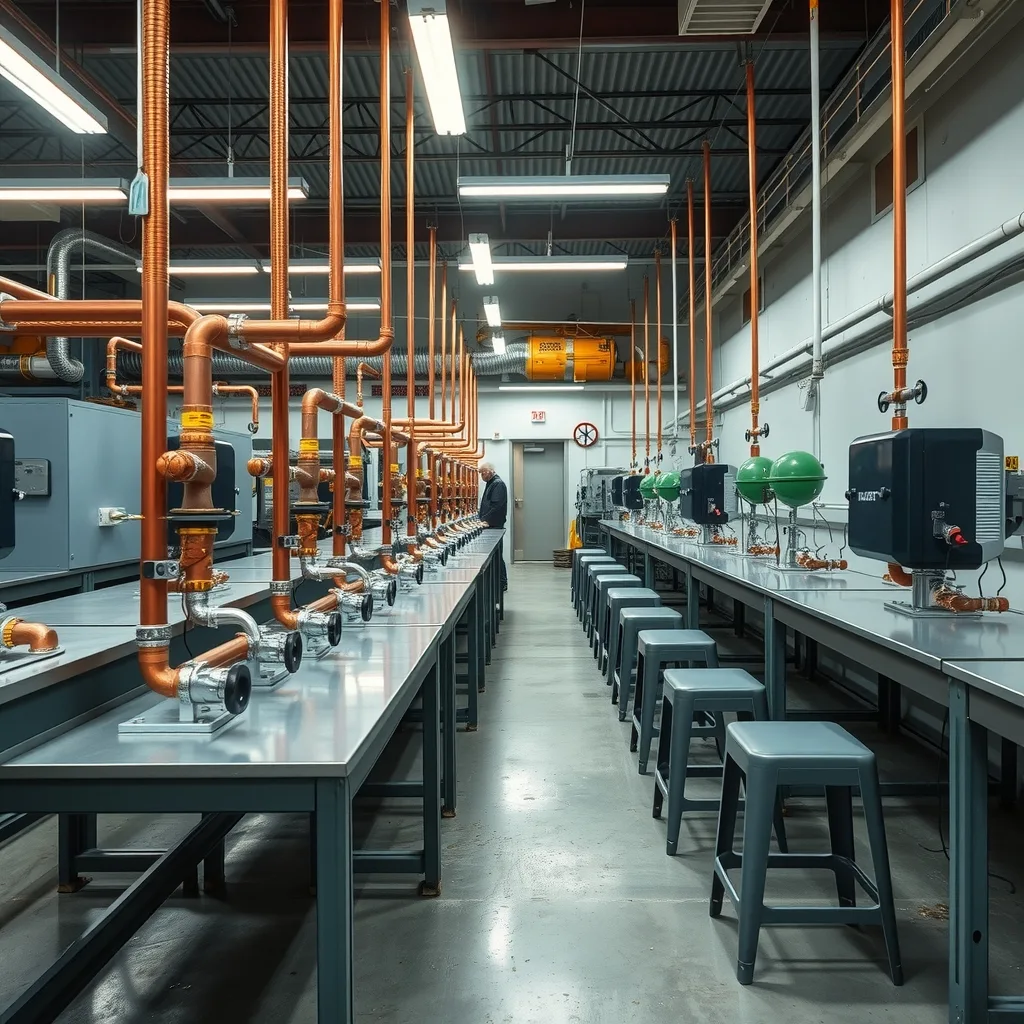
Master Plumbers’ own training school reports apprenticeship completion rates above 90 per cent, above-average pass rates in registration examinations, and student satisfaction results above the Victorian average for plumbing training providers. Its government-funded intake is capped at 150 new apprentices a year, and the association has closed its waiting list because demand exceeded available places.
“We could be training more plumbers right now. We have the trainers, the facilities and a new campus opening in Geelong early next year. What we need is for the next government to lift the cap so we can take on the apprentices who are lining up to train,” Ms Dalmau said.
Put the two numbers next to each other and you get the shape of the argument: 150 funded places at one provider, against a projected need for roughly 1,000 new plumbers entering the Victorian workforce each year for a decade.
Why this one bites harder than most trades
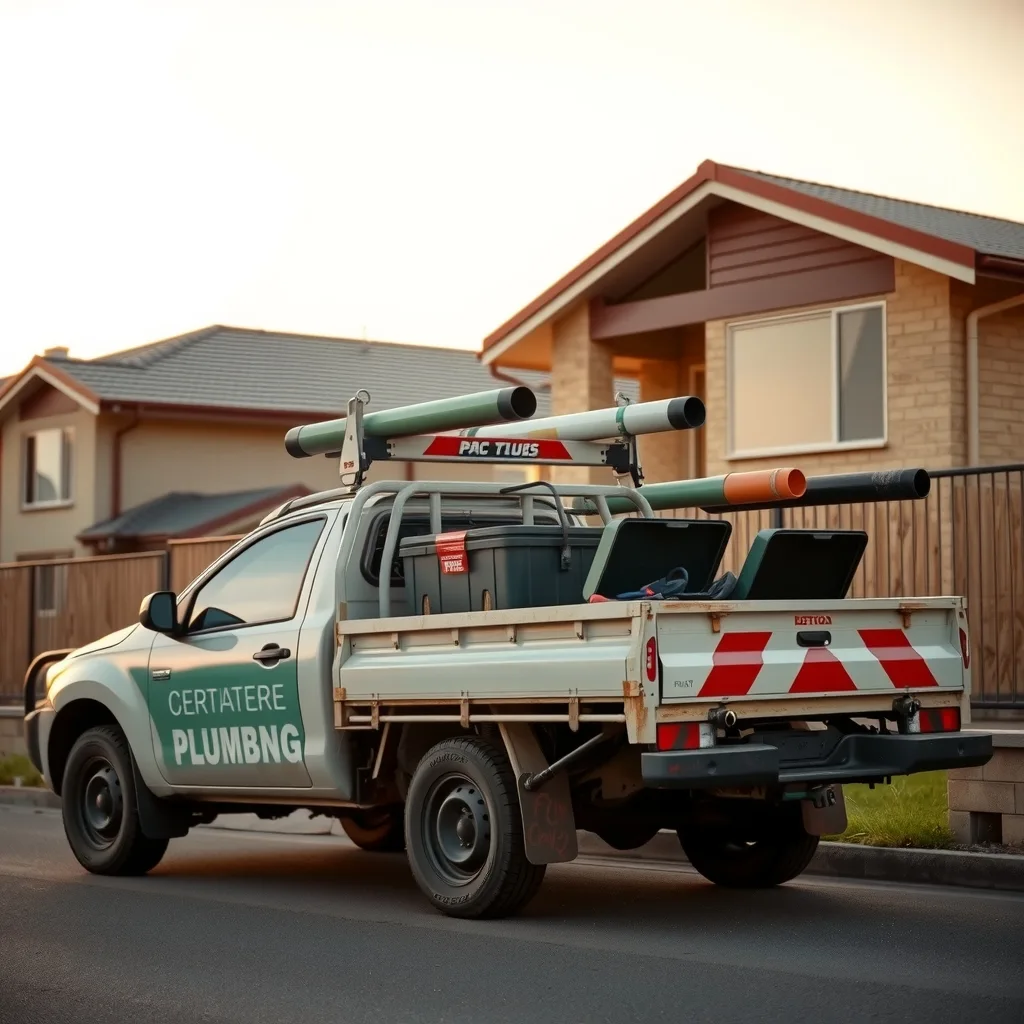
Plumbing isn’t a trade you can backfill in a hurry. Sanitary plumbing, drainage and water supply work requires a licensed plumber everywhere in Australia, and gasfitting requires a licensed gasfitter with no DIY path at all. Victoria runs one of the tightest regimes in the country, with plumbers registered and licensed through the Victorian Building Authority and registration examinations sitting between an apprentice and the right to sign off their own work.
So the pipeline is long. A drop in commencements this year isn’t a shortage this year. It’s a shortage four or five years out, when those apprentices should have been coming off their tickets and becoming licensed plumbers, taking on their own jobs when the housing numbers the state is chasing need someone to run the pipe.
For anyone currently weighing up a first apprentice, the practical read is this: the fee relief on the table is a party commitment, not funding in the bank, and the funded-place caps are still where they are. Nothing changes on either front before Saturday.
“Whatever the result on Saturday, the next government needs to make it easier for businesses to take on apprentices and make sure there are enough training places for them when they do,” Ms Dalmau said.
The next NCVER apprenticeship release is the thing to watch. If commencements have fallen again, the argument about who pays for training stops being an election talking point and starts being a scheduling problem on every residential job in the state.
Frequently asked questions
Why are plumbing apprenticeship numbers falling in Victoria?
NCVER figures cited by Master Plumbers show trade apprenticeship commencements in Victoria fell by 1,495 in the year to March 2026, the largest drop of any state or territory, while the broader pool of apprentices and trainees in training fell almost 12 per cent to 57,665.
What is Master Plumbers asking the Victorian government to do?
It wants the next government to halve the cost of off-the-job apprentice training and lift the cap on government-funded training places, which currently sits at 150 new apprentices a year at its own training school.
Is the $115 million training cost relief already funded?
No. It is a Liberals and Nationals election commitment to cover half the off-the-job training costs for apprentices in priority trades including plumbing, not money currently allocated or available.
Do you need a licence to do plumbing work in Australia?
Yes. Sanitary plumbing, drainage and water supply work requires a licensed plumber everywhere in Australia, and gasfitting requires a licensed gasfitter, with no DIY path for either.
Sourced from Plumbing Connection, NCVER. Original article.