An estimated 2.5 million Australians are living in homes that are harming their health, according to research led by the Healthy Housing Unit at the University of Melbourne, with mould, damp, poor insulation and homes that can’t be heated or cooled affordably named as the main problems.
The findings were reported by ABC News on 25 November. Researchers estimate that if mould exposure alone was addressed, Australia could save $3.8 billion in healthcare expenditure and gain $5.9 billion in productivity.
The researchers define a healthy home as one free from mould, damp, toxic substances, unwanted noise and pests, that can be heated and cooled affordably, is well ventilated and secure, and doesn’t expose residents to unnecessary injury risks. Miss those and the consequences land on lungs, hearts, children’s development and life expectancy.
“We can no longer afford to treat housing and health as separate,” said Rebecca Bentley, director of the NHMRC Centre of Research Excellence in Healthy Housing.
“Heatwaves and cold snaps mean residents of homes that are in poor condition, or where people are already struggling with housing costs, can find it difficult to keep indoor temperatures within a healthy range,” Professor Bentley said.
The old stock is the problem
Anyone who’s worked on a 1960s weatherboard in July already knows this bit. A Cotality report from 2024 found homes built after 2010 had a median energy rating of 5.9 stars out of 10, compared with just 2.8 stars for older homes.
A zero-star home is too hot in summer, too cold in winter, and burns excessive energy trying to fix either. The ABC’s report compares living in one to living in a tent.
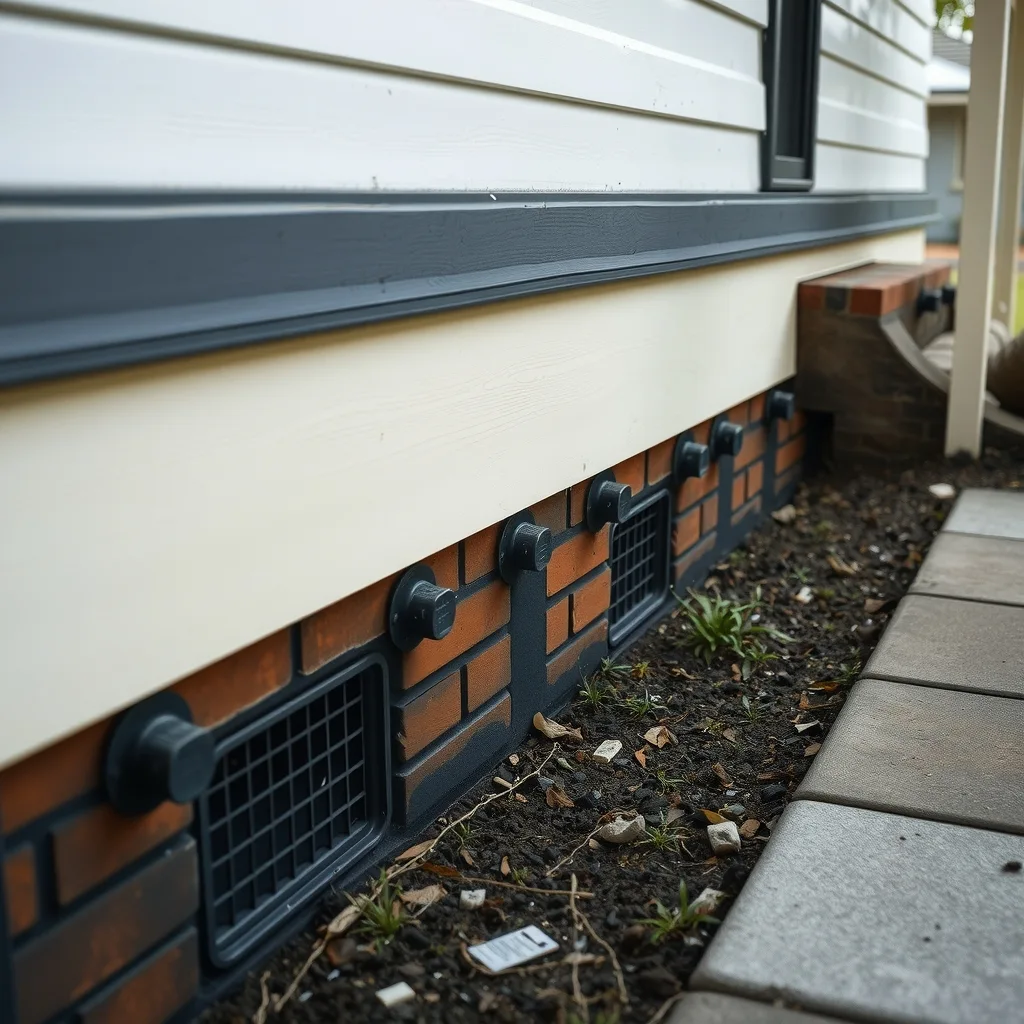
That gap between new builds and everything else is where the work sits. Not greenfield estates, but existing houses with no wall insulation, single glazing, bathrooms with no extraction and subfloors that haven’t breathed since the pergola went in over the vents.
”I lifted up the carpet and passed out”
Victorian renter Amy Charchar spent years cycling through hospitals and specialists trying to work out why her health was collapsing. Her symptoms included a chronic cough, breathlessness, severe brain fog, joint pain and debilitating fatigue. By 40, she was using a wheelchair.
“If you spoke to me three years ago, I could not talk. My speech was slurred. I couldn’t pick up a pen to sign my children’s homework. It was devastating,” she said.
She presented to hospital about 40 times looking for answers. “Not one doctor said to me, ‘Could it be your environment?’” she said.
“Not one doctor said to me, ‘Could it be your environment?’”
The breakthrough came from a chance conversation with an elderly woman in hospital, who suggested mould in the house. “I honestly thought she was crazy,” Ms Charchar said. “But we went home, I lifted up the carpet and passed out from the exposure.”
An independent hygienist later identified significant mould contamination in the property. With the building report in hand, her doctors connected years of unexplained illness to the house. Three of her four children, all born while the family lived there, have since developed asthma.
Renters cop it worse
Professor Bentley said Ms Charchar’s experience lines up with the broader research.
“People living in rental properties are more likely to report problems with mould and damp than owner-occupiers and also face more barriers to remediation,” she said.
The burden isn’t spread evenly. “That includes people on lower incomes, renters, Aboriginal and Torres Strait Islander peoples, older adults, people with disability and people living with chronic conditions,” Professor Bentley said.
Her prescription is a change of framing. “Rather than seeing housing primarily in financial terms, we should consider it important health infrastructure,” she said, calling for a national approach to minimum housing standards and renter protections, plus a plan to make existing homes stand up to a changing climate.
What a damp job actually involves
For anyone on the tools, the useful part of this research is the order of operations, because mould jobs get botched when the sequence goes backwards.
The mould is the symptom. Find the water first: a failed flashing or a gutter dumping against the wall, a shower whose waterproofing has let go behind the tiles, a slow leak inside a wall cavity, subfloor vents blocked by paving or garden beds, or a bathroom fan venting into the roof cavity instead of outside. Spray the spores and replace the plasterboard without killing the moisture source and you’ll be back in the same house inside a year, wearing the callback.
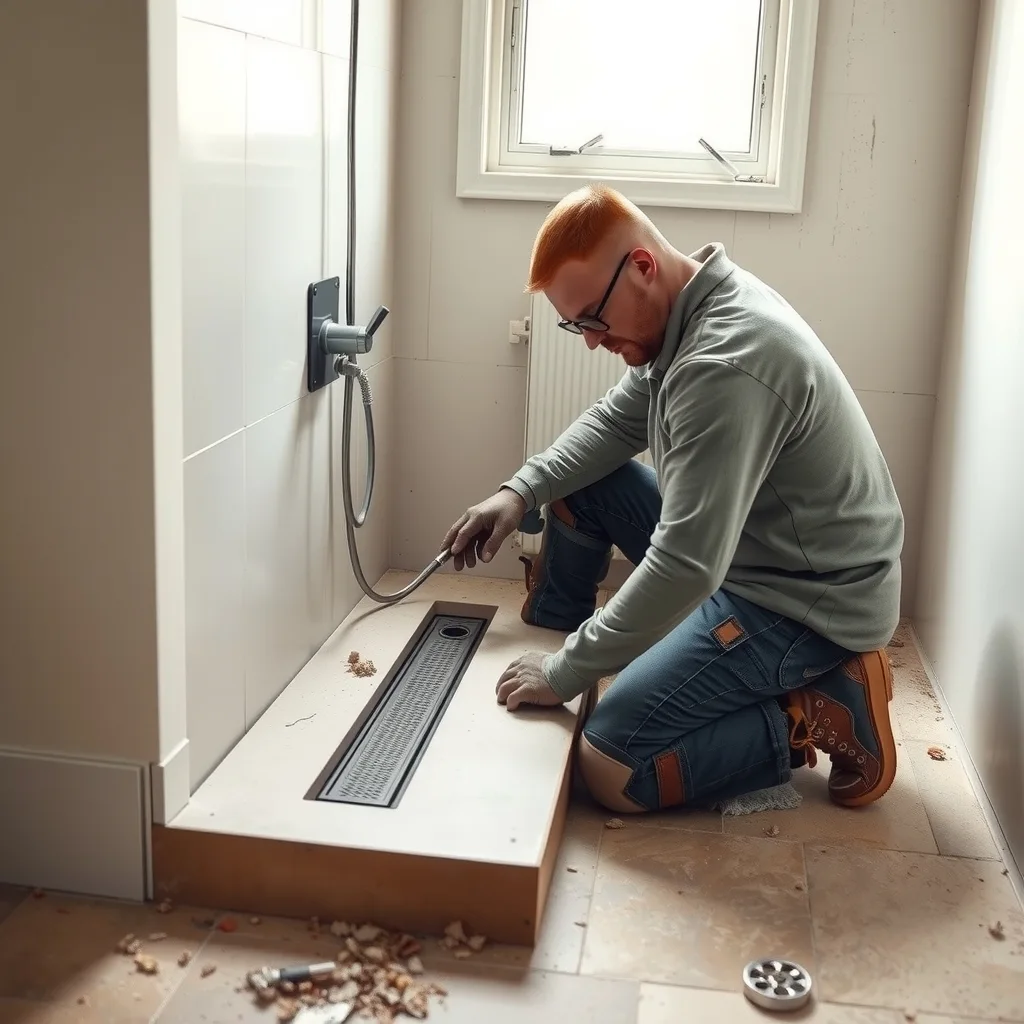
That’s a multi-trade job on most houses: a plumber or builder to chase and kill the source, a carpenter to cut out and replace saturated linings and flooring, and a tiler and waterproofer if the wet area’s the culprit, which often amounts to a partial bathroom renovation. Add a licensed electrician for any hardwired extraction, because fixed wiring work requires a licensed sparkie in every state and territory with no DIY exemption anywhere.
One hard caution on older stock. Houses built before 1990 are the asbestos risk cohort, and wet, damaged sheeting in a bathroom or laundry is exactly where you’ll find it. Test suspect material before you disturb it, and check the rules with your state SafeWork or WorkSafe regulator, because what an unlicensed person may remove varies by jurisdiction and friable material always needs a licensed removalist.
What to watch
The research is pushing for national minimum housing standards and stronger renter protections. If any of that lands, the work won’t be new builds, it’ll be retrofit scattered across existing rental stock, one house at a time: extraction fans, subfloor ventilation, insulation, re-waterproofing wet areas, and the leak chasing that comes first.
Ms Charchar, still living with lasting effects, wants the rules to move faster. “Mould is not a new story,” she said.
“The government has failed miserably and what we need right now is proper legislation in place and for medical professionals to have the tools to be able to recognise when a patient walks in with 30-plus symptoms.”
Frequently asked questions
What counts as a healthy home under this research?
Researchers define a healthy home as one free from mould, damp, toxic substances, unwanted noise and pests, that can be heated and cooled affordably, is well ventilated and secure, and doesn’t expose residents to unnecessary injury risks.
How much could fixing mould in Australian homes save?
Researchers estimate that addressing mould exposure alone could save $3.8 billion a year in healthcare expenditure and add $5.9 billion in productivity.
Do renters have more mould problems than homeowners?
Yes. Professor Rebecca Bentley says people in rental properties are more likely to report mould and damp problems than owner-occupiers, and they face more barriers to getting it fixed.
Can I remove mouldy material myself if the house might have asbestos?
Houses built before 1990 are considered an asbestos risk cohort, so test suspect material before disturbing it. What an unlicensed person may remove varies by state, and friable material always needs a licensed removalist.
Sourced from ABC News. Original article.