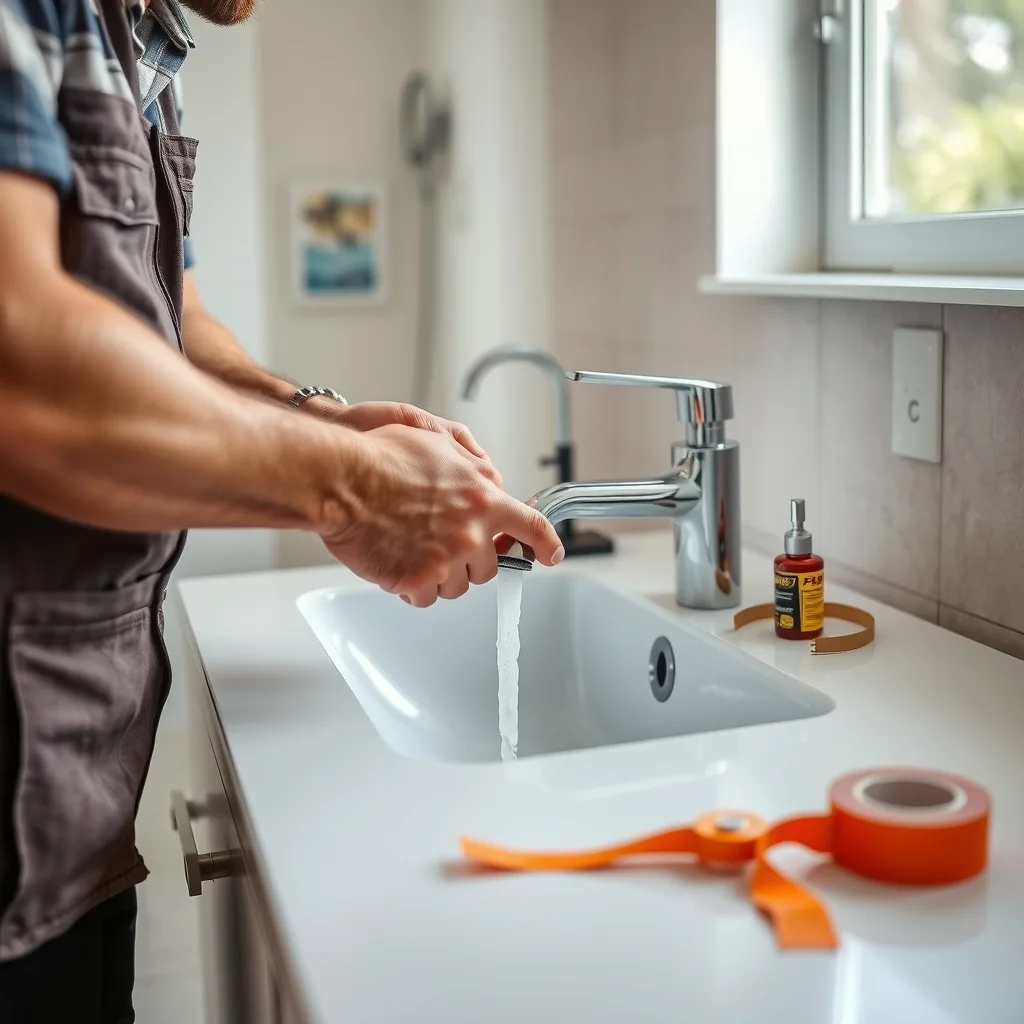

Stormtech has released FlexiFlange, an Australian-made flexible drainage flange built to bend up vertical surfaces so a drain can be tied into the surrounding waterproofing membrane at wall junctions, floor transitions and uneven substrates, without adding bond breakers or transition tapes.
The product was detailed in Plumbing Connection, which reports the flange is manufactured here from Vinyl Council-certified Best Environmental Practice PVC and is WaterMark certified.
The numbers on the flange
According to Plumbing Connection’s November 2026 product report, the FlexiFlange maintains the minimum 50mm membrane-to-flange adhesion area needed to support a compliant waterproofing installation, even when it is bent up a vertical face.
That adhesion band is the whole argument for the product. Get the membrane lapped onto the flange properly and the drain is sealed into the system; fall short and you’ve built a leak path under the tiles.
The flange runs a large diameter to cope with variations in substrates and penetrations, with a marked cuttable area so installers can trim it to the opening on site. Stormtech says the profile is ultra-thin to make the install easier.
For flood testing, there’s an integrated removable plug and a water-level gauge, which also keeps construction debris out of the drain while the job is still dusty. Integrated membrane thickness gauges and engraved measurement markings are built into the flange to help with set-out.
The company says the product complies with the relevant Australian Standards, naming AS 3740, AS 3500.2 and AS 4654.1. The WaterMark certification scheme is administered by the Australian Building Codes Board, and plumbers can check a product’s listing before specifying it.
Where it matters on the tools
The awkward installs are the ones this is aimed at. A hob-less shower, a feature common in modern bathroom renovations, where the floor runs flat to the wall, a drain sitting hard up against a junction, a substrate that isn’t as flat as the plans said it was. Those are the spots where the standard flat flange runs out of room and the waterproofer starts building up the detail with bond breakers and tapes.
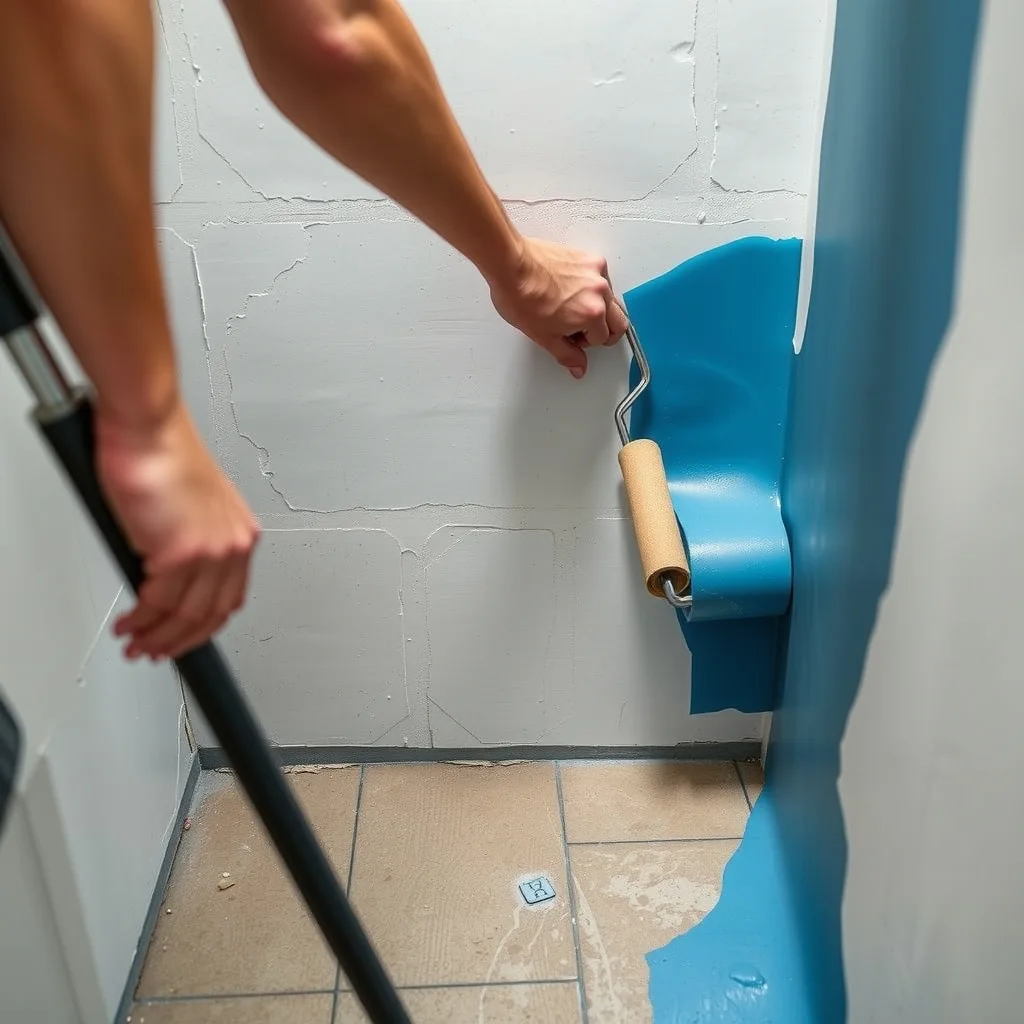
Every one of those extra components is another product to buy, another step to get right, and another thing to argue about if the wet area ever leaks. Cutting them out of the detail cuts the number of interfaces that can fail.
The sequencing is what makes wet-area work unforgiving. Drain set-out and screed go in, the membrane goes over, the flood test proves it, then the tiler covers the lot. By the time anyone finds a problem, the evidence is under adhesive and 300 square tiles. Rework isn’t a patch, it’s a demolition.
That’s also why the built-in plug and water-level gauge are worth more than they sound. Flood testing is the one checkpoint where a wet area gets proved before it disappears, and anything that makes the test quicker to set up makes it more likely to actually happen on a tight programme.
What to check before you specify it
This is a manufacturer launch, not an independent assessment, and BCN has not tested the product. Plumbers and waterproofers quoting work should confirm the current WaterMark listing, the sizes available, and compatibility with the membrane system already specified on the job, because membrane manufacturers set their own rules about what their product will bond to.
The thing to watch is whether the flexible flange detail starts turning up in architects’ and builders’ wet-area specs. Once a detail lands in the documents, it stops being an option and becomes the way the job gets priced.
Frequently asked questions
What makes the Stormtech FlexiFlange different from a standard drainage flange?
It’s a flexible flange that bends up vertical surfaces, letting a drain tie into the waterproofing membrane at tricky wall junctions and floor transitions without adding bond breakers or transition tapes.
Is the FlexiFlange WaterMark certified?
Yes. According to Plumbing Connection, it’s WaterMark certified and made in Australia from Vinyl Council-certified Best Environmental Practice PVC.
What Australian Standards does the FlexiFlange comply with?
Stormtech says the product complies with AS 3740, AS 3500.2 and AS 4654.1.
What adhesion area does the flange need to maintain a compliant waterproofing install?
It maintains the minimum 50mm membrane-to-flange adhesion area needed for a compliant waterproofing installation, even when bent up a vertical face.
Sourced from Plumbing Connection. Original article.