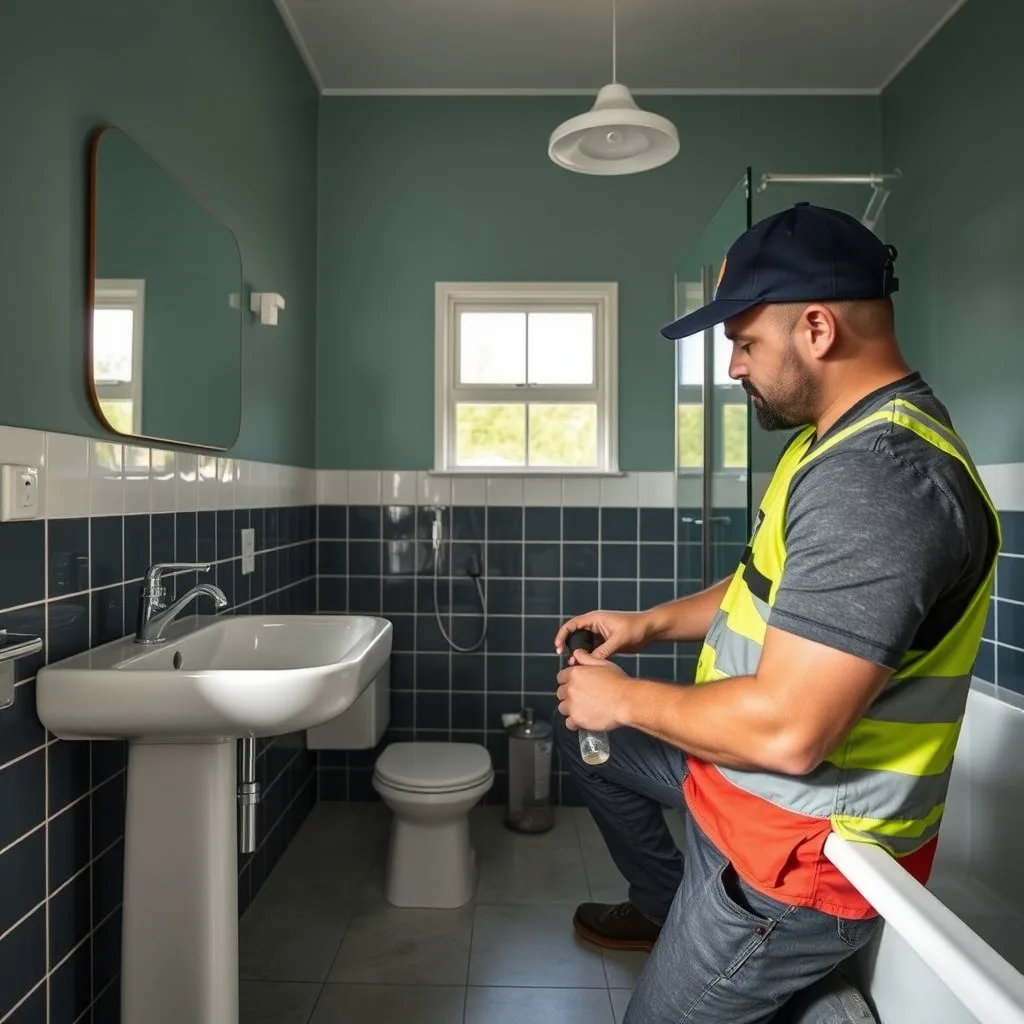

Australia’s kitchen and bathroom sector has bounced back hard, and the pipeline of work for trades looks solid well into the decade. The Housing Industry Association’s 2025/26 Kitchens and Bathrooms Report, released this month, forecasts kitchen installations in new homes will rise 12.9% this financial year to 202,500, while bathroom installations are tipped to surge 23.8% to 438,700, a historically elevated figure.
HIA Senior Economist Maurice Tapang presented the findings at a Melbourne launch event on 12 June. He said falling interest rates had helped, but cautioned that new home commencements are still running well below the federal government’s 240,000-a-year target. “Lower interest rates have seen the volume of new homes commencing construction increase, but they still remain well below the government’s target,” Tapang said. New home sales jumped 6.9% in May 2026 to the highest level in 13 months, according to HIA data.
The bathroom surge is being driven by the detached house segment. HIA’s member survey found each new detached house now averages 2.43 bathrooms, which adds up fast across hundreds of thousands of new builds. Tapang expects bathroom growth to taper as the market shifts toward apartments and townhouses, while kitchen installation numbers keep climbing, reaching a forecast 222,700 by 2028/29 and bathrooms reaching 460,000.
For tradespeople working in renovations, the picture is equally strong. HIA forecasts the total dollar value of home renovation work will reach a new record by 2030. A key driver is the age of Australia’s housing stock: a growing number of existing homes are hitting the 15-to-20-year mark, the bracket when homeowners most commonly tackle kitchens and bathrooms. Survey respondents said 36% of their kitchen renovation jobs and 40% of their bathroom jobs are on homes in that age range. With high house prices making it more expensive to trade up, many households are choosing to renovate instead, adding further fuel to demand. Independent research firm Expert Market Research puts Australia’s total home improvement market at $25.52 billion in 2025, and projects it will roughly double to $51.15 billion by 2035.
Tradies in Queensland, South Australia and Western Australia are best placed to capitalise on new construction work in the near term, with those states leading activity growth according to HIA’s October 2025 housing outlook. Cabinet makers, tilers, plumbers and fit-out specialists working on new detached houses are sitting in the strongest part of the market right now.
The report does flag capacity as the main risk. Labour availability was the top challenge cited by 29% of survey respondents, followed closely by client price sensitivity at 27%. Skilled residential tradespeople remain in short supply, pushing up labour costs at the same time clients are watching their budgets. Around one in three respondents said they had absorbed extra cost increases over the past year. For business owners in this space, the work is there, but squeezing a margin out of it is getting harder.
Frequently asked questions
Which states offer the best opportunities for kitchen and bathroom tradespeople right now?
According to HIA’s October 2025 housing outlook, Queensland, South Australia and Western Australia are leading new construction activity and offer the strongest near-term opportunities.
Why are bathroom installation numbers so high compared with kitchens?
HIA’s member survey found each new detached house now averages 2.43 bathrooms, so even a moderate number of new builds generates significantly more bathroom installations than kitchen installations.
What is driving the renovation boom?
Two main factors: a large share of Australia’s housing stock is hitting the 15-to-20-year mark when homeowners typically renovate kitchens and bathrooms, and high house prices are encouraging people to upgrade their existing home rather than trade up.
What are the biggest challenges for trades businesses in this sector?
Labour availability is the top challenge, cited by 29% of HIA survey respondents, followed by client price sensitivity at 27%. Around one in three respondents said they had absorbed extra cost increases over the past year.
Sourced from Housing Industry Association, Expert Market Research. Original article.